There is an intimacy to a Southern African safari that catches many first-time travelers by surprise. If you picture bouncing across endless savanna straining to spot wildlife through binoculars, Southern Africa quickly changes that expectation.
Here, wilderness feels personal.
You might find yourself gliding silently along crystal-clear water channels in a dugout canoe while elephants feed in the reeds just meters away. An hour later, you could be sitting in an open-sided vehicle under an ancient leadwood tree, watching a leopard stretch on a low branch at eye level.
Southern Africa offers some of the most rewarding wildlife experiences on our planet. But it also comes with logistical choices that puzzle even seasoned travelers.
When does the Okavango Delta actually flood? What is the real difference between public Kruger and private game reserves? And can you tackle a self-drive safari without getting stuck in deep sand?
You are in good hands.
This Southern Africa safari guide cuts through the confusion: how the seasons work, what each region offers, and the practical ground rules that make your journey smooth and unforgettable.
Southern Africa’s Flagship Wilderness Corridors
Southern Africa spans South Africa, Botswana, Zimbabwe, Zambia, and Namibia. Each country brings something completely different to the table.
Distances between regional parks are substantial.
Most safari itineraries combine two complementary environments: a water-rich ecosystem like the Okavango Delta or Chobe Riverfront, paired with a big-cat savanna like Greater Kruger or South Luangwa. To see how these southern circuits contrast with East Africa’s open plains, our master African Safari Guide compares both regions side by side.
Okavango Delta and Moremi: Botswana’s Inland Water Oasis
The Okavango Delta is an ecological miracle. A massive river flows out of the Angolan highlands and empties directly into the Kalahari sands, creating an emerald oasis of lagoons, islands, and floodplains.
Water changes everything here.
Moremi Game Reserve protects the central core of the Delta. Because Botswana restricts camp numbers to protect wildlife, vehicle crowds are virtually non-existent. You will often spend entire mornings watching lions or wild dogs without another vehicle in sight.
The Okavango Camp Dilemma: Water Camps vs. Land Camps
When booking a Botswana safari, understanding the difference between water camps and land camps is critical.
Pure water camps sit on permanent deep-water channels. They focus almost entirely on boat safaris, fishing, and traditional mokoro canoe excursions.
Land camps focus primarily on traditional 4×4 game drives across dry floodplains where big cats and grazers concentrate. The best itineraries combine both, spending two nights at a water camp followed by two nights at a land camp.
Greater Kruger Private Concessions: The Lowveld Big Cat Stronghold
South Africa’s Greater Kruger encompasses the public national park alongside premier private reserves like Sabi Sand, Timbavati, and Manyeleti. All boundary fences came down decades ago, allowing wildlife to roam freely across millions of acres.
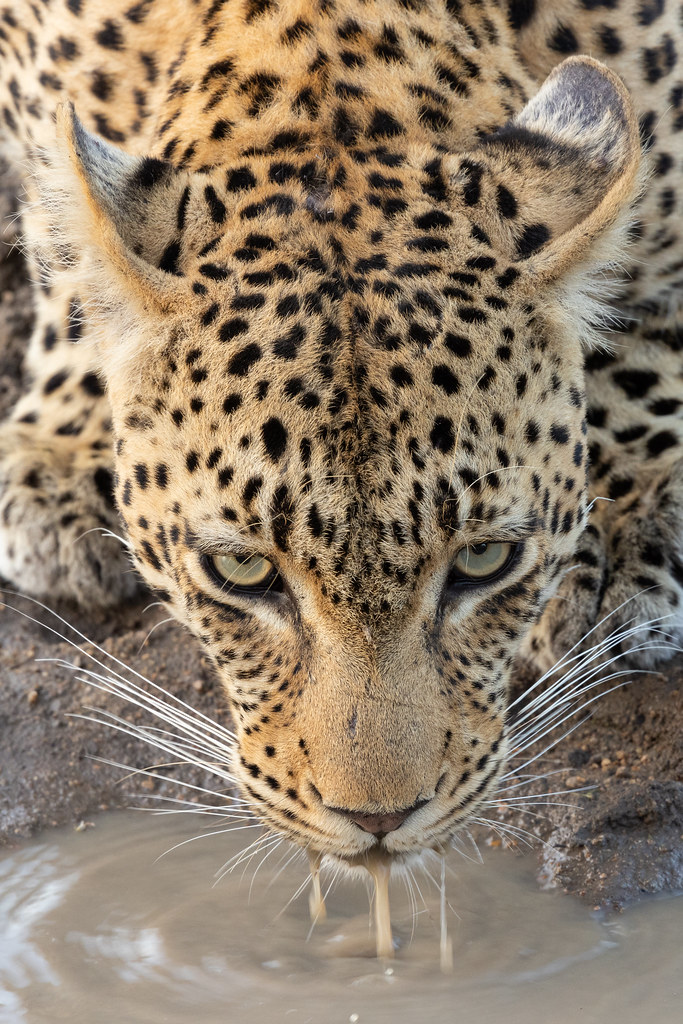
Leopard sightings here are legendary.
Decades of respectful conservation mean predators are remarkably relaxed around safari vehicles. Private concessions limit each sighting to just two or three vehicles, giving you front-row photography opportunities without stress.
Chobe National Park: Dry-Season Elephant Gatherings on the Riverfront
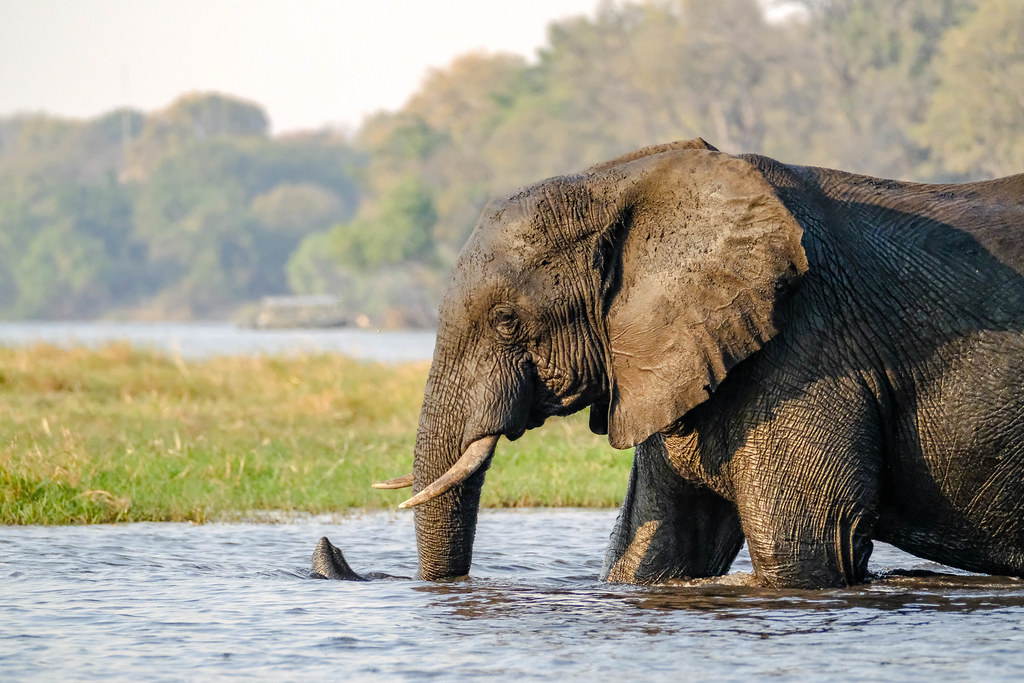
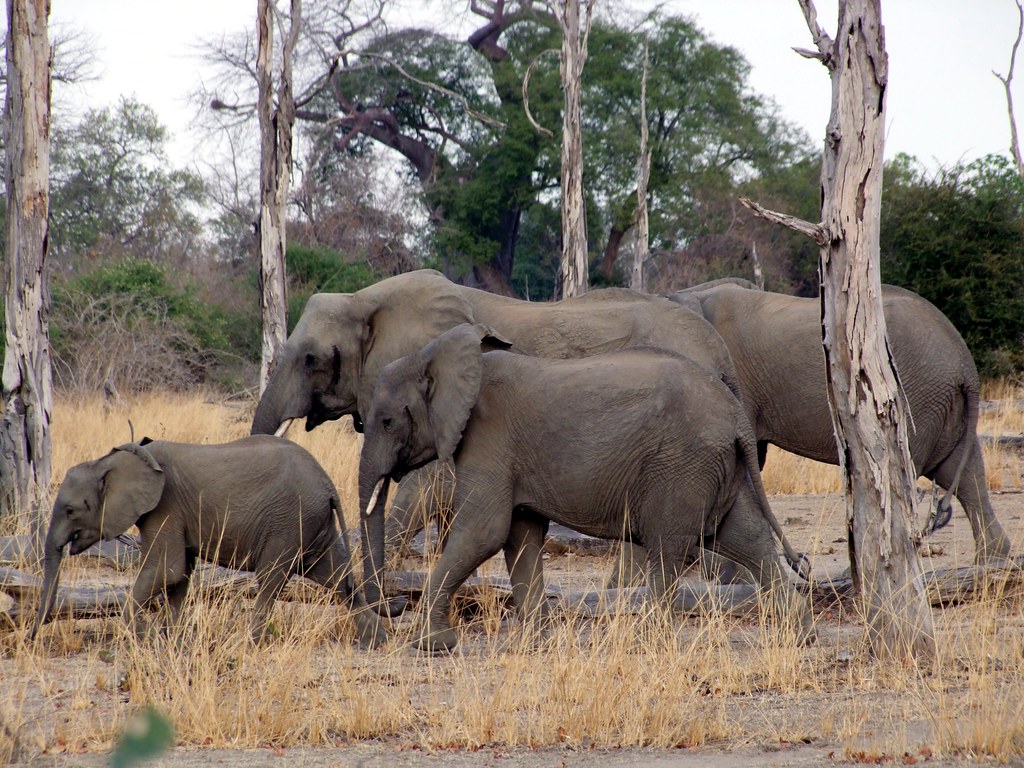
Northern Botswana’s Chobe National Park is home to the largest continuous elephant population on Earth. During the dry winter months, tens of thousands of elephants converge on the Chobe Riverfront to drink and bathe.
The scale of elephant herds is awe-inspiring.
Afternoons along the riverfront bring herd after herd emerging from the teak forests. Watching family groups swim across the river with trunks held high like snorkels is an experience you will never forget.
Chobe River Safari Dynamics: Why Boat Safaris Beat Land Tracks
While Chobe has land tracks, the riverboat safari is where the park truly shines. Heavy sand tracks along the shore can get congested with vehicles, but custom flat-bottom safari skiffs provide an open, tranquil vantage point.
From the water, animals completely ignore boats.
Silent electric safari boats pioneered by Chobe Game Lodge eliminate engine noise and diesel fumes completely. That lets you drift within whisper distance of elephants swimming the Sedudu channel.
You can watch pods of grunting hippos and giant Nile crocodiles basking on muddy sandbanks without disturbing their natural behavior.
South Luangwa and Lower Zambezi: The Heart of Walking Safaris
Zambia is the birthplace of the authentic African walking safari. In South Luangwa National Park, stepping out of the vehicle and exploring the bush on foot reveals an entirely different world.
Walking heightens every single sense.
Under the guidance of an expert scout and armed ranger, you learn to read fresh lion tracks in morning dust, identify bird alarm calls, and understand the medicinal uses of savanna plants. In Lower Zambezi, you can pair bush walks with gentle canoe trails along quiet river channels.
To evaluate whether multi-day foot trails suit your physical comfort and wildlife goals compared to traditional open vehicles, compare safety protocols and armed escort standards in our guide to walking safaris vs game drives.
Etosha and Namib-Naukluft: Namibia’s Desert-Adapted Wilderness
Namibia offers a stark, surreal contrast to the lush wetlands of Botswana. Etosha National Park centers on a vast shimmering salt pan so enormous it can be seen from space.
Game viewing here revolves around waterholes.
During the dry season, you simply park your vehicle beside a waterhole and wait. Within hours, giraffes, black rhinos, lions, and hundreds of springbok take turns approaching the water. Further south, the towering apricot sand dunes of Sossusvlei create one of Africa’s most dramatic desert landscapes.
The contrast between seasonal wetlands and arid dune fields showcases why the region hosts some of the most dramatic deserts in Africa, where wildlife adapts to extreme thermal swings.
Head to Head: Southern Africa’s Benchmark Protected Reserves
Southern Africa’s premier safari reserves differ significantly in terrain, wildlife specialties, and typical daily costs. Here is how the flagship reserves compare side by side:
| Destination & Country | Ecosystem Character | Flagship Wildlife | Peak Season Window | Typical Daily Budget | Signature Safari Style |
|---|---|---|---|---|---|
| Okavango Delta (Botswana) | Permanent waterways, papyrus lagoons & palm islands | Lechwe, wild dogs, lions, hippos & sitatungas | June to August (Peak Floodwaters) | $1,200 to $2,500+ (All-inclusive fly-in) | Mokoro canoe poling, motorboats & private island game drives |
| Sabi Sand Reserve (South Africa) | Dense acacia bushveld, riverine woodlands & sand rivers | High-density leopards, big cat prides & Big Five | May to September (Dry Winter Bush) | $800 to $2,000+ (Private concession lodge) | Tiered open 4x4s, off-road tracking & night spotlight drives |
| Chobe Riverfront (Botswana) | Perennial river channels, floodplains & teak woodlands | Massive elephant herds, Cape buffaloes & river raptors | August to October (Late Dry Season) | $450 to $1,100 (Lodge & boat packages) | Water-level boat cruises & riverfront morning game drives |
| South Luangwa (Zambia) | Oxbow lagoons, mopane forests & river floodplains | Leopards, thornicroft giraffes & hippo pods | June to October (Dry River Season) | $600 to $1,400 (Intimate bush camps) | Professional guided walking safaris & night leopard tracking |
| Etosha Pan (Namibia) | Arid chalk-white salt pan & perennial mineral springs | Black rhinos, desert lions, gemsboks & springboks | July to October (Waterhole Congregation) | $200 to $500 (Accessible self-drive) | Sedentary floodlit waterhole viewing & self-drive tracks |
The Hydrological Rhythm: Tracking the Okavango Flood Windows
Understanding the Okavango Delta requires wrapping your head around a wonderful paradox: the Delta is at its wettest during the dry winter months.
The flood arrives when no rain falls.
Summer rains fall thousands of miles away in the highlands of Angola between November and February. That water slowly trickles down gentle river gradients, taking nearly five months to seep across the Kalahari basin.
November to March: Summer Green Season and Local Rains
Summer brings local thunderstorms and afternoon showers across Botswana. The landscape turns vivid green, migratory birds arrive by the thousands, and impalas drop their newborn lambs.
Water levels in the Delta are at their lowest.
Lodge rates during this “Emerald Season” drop by up to 40%. It is a fantastic window for birdwatchers, photographers seeking dramatic storm clouds, and budget-conscious travelers.
April to May: Floodwaters Reach the Panhandle
By April, local rains have stopped, and the Angolan floodwaters enter northern Botswana through the Panhandle. Shallow floodplains begin to fill, and channels expand.
Temperatures cool down delightfully.
This shoulder season offers excellent value. Weather is clear and mild, crowds are low, and wildlife begins concentrating around filling lagoons.
June to August: Peak Winter Floods and Maximum Game Concentration
Between June and August, the flood reaches its peak across the central Delta. Because the surrounding Kalahari sands have completely dried out, animals from across the region gather around the Delta’s permanent water.
Wildlife concentrations reach their annual peak.
This is the classic season for mokoro canoe trails, boat safaris, and predator tracking. Note that winter mornings can be near-freezing, so warm layers are essential on early morning game drives.
Private Concession Freedom vs. Public National Park Realities
One of the most consequential decisions in Southern Africa is choosing between private concessions and public national parks.
Both models protect extraordinary wildlife.
However, the daily safari experience, rules of engagement, and vehicle freedom are completely different.
The Advantages of Private Concessions in Greater Kruger
Private reserves like Sabi Sand and Timbavati operate on land leased exclusively to safari lodges. Because there are no public roads, self-drive day visitors cannot enter.
Guides are permitted to drive off-road.
When tracking a leopard on the hunt, your guide can follow it gently through the bush rather than watching from a paved road. Private concessions also offer night game drives with spotlights and guided walking safaris.
Public National Park Logistics and Self-Drive Freedom
In contrast, state-run parks like public Kruger operate under strict rules designed for large numbers of visitors. Vehicles must stay strictly on designated roads, and gates close firmly at sunset.
Public parks offer unbeatable freedom for independent travelers.
South Africa’s excellent road network makes self-drive safaris easy and affordable. You can rent a reliable SUV at Johannesburg airport, stay in comfortable rest-camp chalets, and explore at your own pace for a fraction of private lodge rates.
How Much Does a Southern African Safari Cost per Day?
Costs vary widely across the region. A self-drive camping safari in South Africa or Namibia costs roughly $200 to $350 USD (~ZAR 3,600 – 6,300) per day for two people.
Mid-range safari lodges average $450 to $850 USD (~ZAR 8,100 – 15,300 / ~BWP 6,100 – 11,500) per person per night.
Ultra-luxury fly-in lodges in Botswana’s Okavango Delta or South Africa’s Sabi Sand range from $1,500 to $3,000+ USD (~ZAR 27,000 – 54,000+ / ~BWP 20,200 – 40,500+) per person per night. For an itemized breakdown of concession rates, self-drive budgets, and all-inclusive pricing, check out our in-depth African Safari Cost Guide.
How Do Greater Kruger Private Reserves Differ from Public Kruger?
While sharing the exact same ecosystem and unfenced animal populations, the experience differs in three ways: vehicle rules, guiding expertise, and crowd control.
In private reserves, you travel in open-sided 4×4 vehicles with a dedicated ranger and tracker team. Sightings are capped at two or three vehicles, ensuring quiet, intimate wildlife encounters without traffic jams.
When Does the Okavango Delta Flood and What Is the Best Month to Visit?
The Okavango Delta flood peaks between June and August during the southern hemisphere winter. July and August are universally considered the best months for high wildlife concentrations and optimal water levels.
Book well ahead for winter.
Because boutique camps in the Delta have as few as six to twelve tents, peak winter dates frequently fill up nine to twelve months in advance.
What Are the Best Malaria-Free Safari Destinations in South Africa?
For families with young children, pregnant travelers, or anyone wishing to avoid antimalarial medication, South Africa offers world-class malaria-free safari reserves.
Madikwe Game Reserve along the Botswana border and the Eastern Cape private reserves (such as Shamwari and Kwandwe) are completely malaria-free.
Both regions feature the Big Five, luxury family lodges, and seamless domestic flight connections from Johannesburg or Cape Town.
What to Know Before You Go: Practical Southern Africa Safari Logistics
Preparing for Southern Africa comes down to packing the right layers, understanding vehicle dynamics, and knowing the road rules.
Open-Sided 4×4 Cruisers: Navigating Bushveld and Cold Dawn Drives
Unlike the closed pop-top Land Cruisers detailed in our East Africa Safari Guide, Southern African safaris rely almost entirely on open-sided 4×4 vehicles without windows or doors. This gives you unparalleled panoramic views and brings you right into the sights and sounds of the bush.
Dawn drives can be freezing cold.
Even in summer, the wind chill on an open vehicle moving at 30 km/h before sunrise will shock you. Always pack a fleece jacket, windbreaker, and warm beanie. Good camps provide fleece ponchos and hot water bottles, but proper layers are your best friend.
Bush Aviation: Navigating Light Aircraft Transfers and Baggage Limits
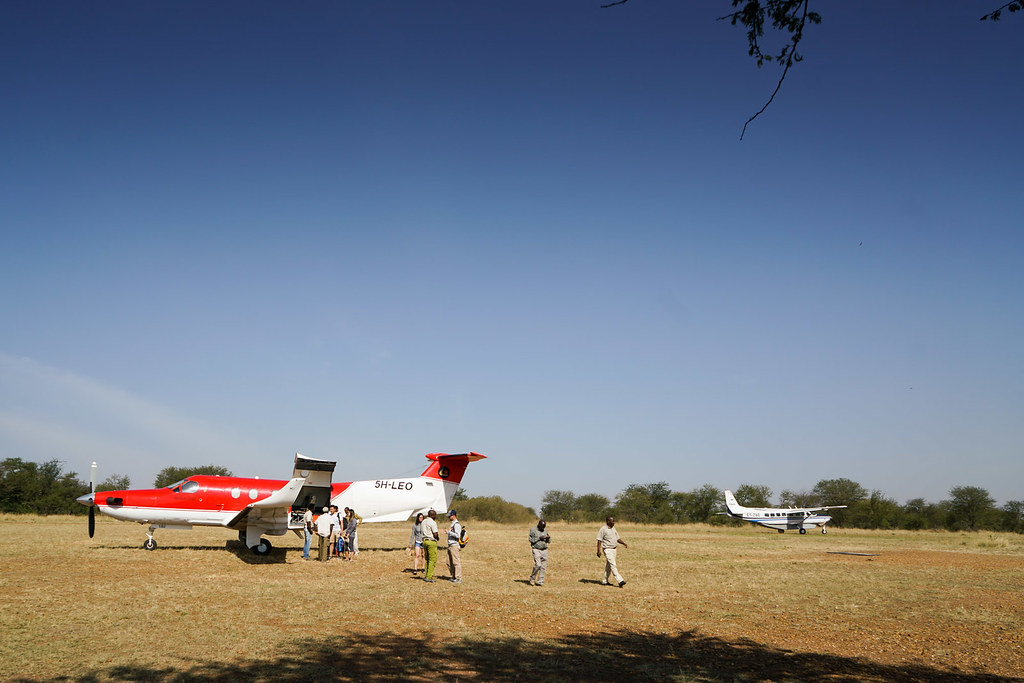
Reaching remote camps in Botswana, Zimbabwe, or Zambia relies on light bush aircraft like the Cessna Caravan. Because cargo pods have strict payload and dimensional limits, soft-sided duffel bags are mandatory.
Hard suitcases will not be loaded.
Scheduled air corridors keep journeys effortless. Airlink operates direct regional flights from Johannesburg (JNB) straight into Skukuza (SZK) inside Kruger National Park in just 50 minutes. That turns a grueling six-hour highway transit into a quick hop.
For Botswana itineraries, safari air charters like Mack Air connect Maun (MUB) to Kasane (BBK) and private Okavango airstrips in under an hour. Flights cost roughly $340 to $520 USD (~BWP 4,600 – 7,000) per seat.
Standard luggage allowances range from 15 kg to 20 kg per passenger, inclusive of camera gear. For a full packing checklist, duffel bag recommendations, and airline weight rules, consult our comprehensive Safari Packing & Bush Flight Guide.
Terrain Hazards: Kalahari Sugar Sand and the Mababe Depression
If tackling a self-drive 4×4 expedition across northern Botswana, treat the sand with respect. Routes between Moremi, Savuti, and Chobe cross deep Kalahari sugar sand.
Deflate your tires before hitting sand.
Dropping tire pressure to 1.2 to 1.5 bar widens your tire footprint and keeps you floating over sand ridges. Always travel with a 12V air compressor, recovery sand tracks, and a satellite communicator in remote areas.
Cross-Border Travel: Visas and Regional Health Essentials
Cross-border travel in Southern Africa is straightforward. Botswana, Namibia, and South Africa provide visa-free entry for up to 90 days for travelers from the US, UK, Canada, and EU countries.
Zimbabwe and Zambia offer the convenient KAZA UniVisa ($50), granting multiple entries between both countries around Victoria Falls.
In malarial areas like the Okavango Delta, Kruger Lowveld, and Zambezi basin, consult your travel clinic regarding preventive antimalarial medication. With the right preparation and common sense, a Southern African safari is one of the safest, most enriching journeys you will ever take.