Few travel experiences reshape your perspective quite like an African safari. If you have spent late nights browsing itineraries, looking at maps of Kenya, Tanzania, Botswana, and South Africa, you have probably realized something quickly:
Africa is enormous.
Choosing where to go for your first safari can feel like solving a puzzle with too many pieces. Everyone has a strong opinion.
One friend insists you must see the Great Migration in the Serengeti. Another promises that nothing compares to drifting through the waterways of the Okavango Delta.
Both regions are extraordinary. But they are completely different worlds.
East Africa is about immense scale, endless horizons, and millions of grazing animals moving together under giant skies. Southern Africa is about intimacy, tracking predators off-road, and gliding quietly past elephants in open water channels.
This guide is your master compass. It breaks down the great choice between East and Southern Africa, when to travel, what each circuit realistically costs, and how to plan a safari that leaves you inspired rather than exhausted.
East Africa vs. Southern Africa: Navigating the Regional Divide
The first major decision is choosing your geographic theater. Deciding between East and Southern Africa shapes your daily transport, vehicle style, accommodation, and budget.
The Spirit of East Africa: Vast Herds and Savannah Vistas
East Africa centers on Kenya and Tanzania, spilling over into Uganda and Rwanda for mountain gorilla trekking.
Here, the scale is boundless.
The iconic Maasai Mara and Serengeti ecosystem hosts the Great Migration, where more than 1.5 million wildebeest and zebras follow seasonal rains across golden grasslands. Days revolve around rugged 4×4 Land Cruisers with pop-up roofs that protect you from dust during overland drives between parks.
If you are dreaming of vast open horizons, dramatic river crossings, and rich Maasai cultural encounters, our in-depth East Africa Safari Guide breaks down park routes and seasonal migration windows.
The Spirit of Southern Africa: Intimate Tracking and Water Safaris
Southern Africa spans South Africa, Botswana, Zimbabwe, Zambia, and Namibia. The safari style here is distinctively intimate.
Water and sand define the landscape.
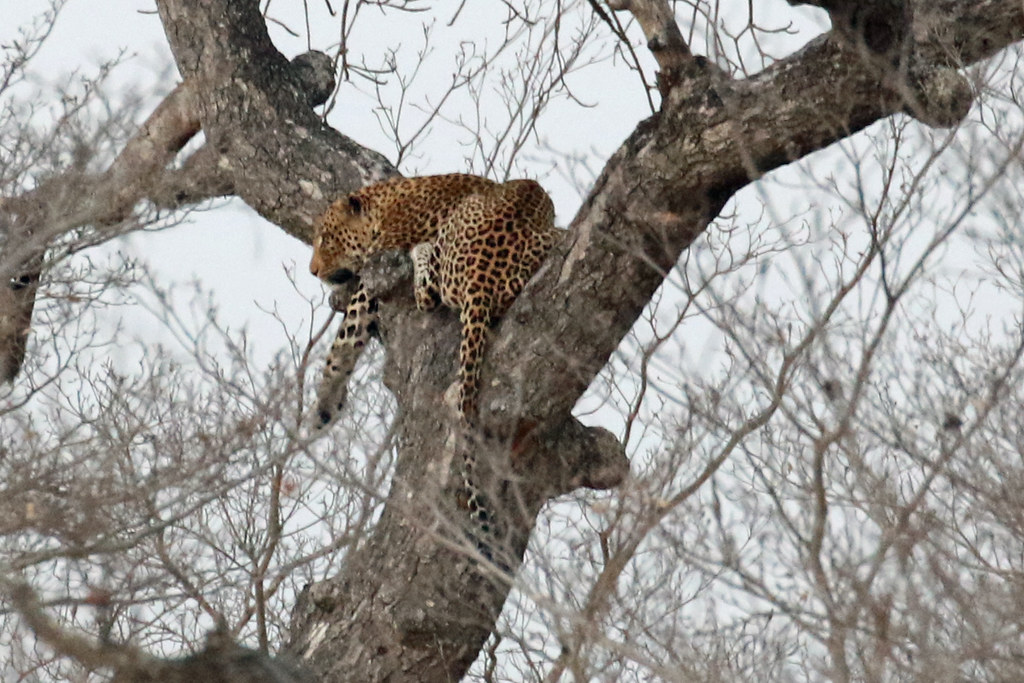
Instead of closed pop-top vans, you travel in low, open-sided 4×4 vehicles without windows. In private concessions like Sabi Sand in Greater Kruger, expert trackers guide vehicles off-road through the bush to follow leopards on the hunt.
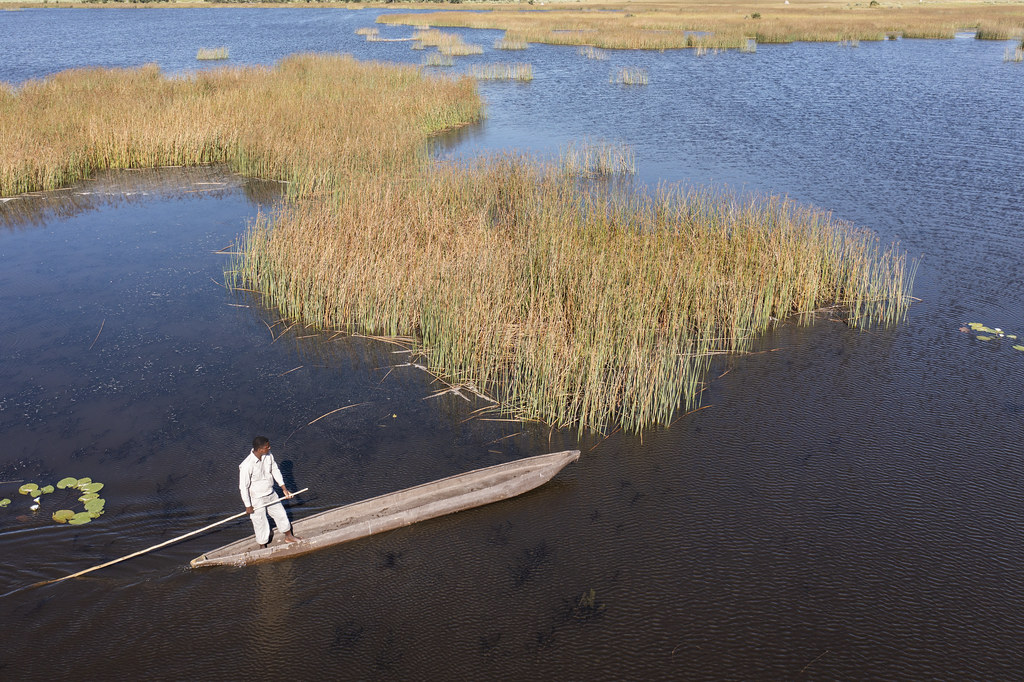
In Botswana’s Okavango Delta, you trade engine noise for the gentle splash of a wooden pole as your guide navigates reed channels in a traditional dugout canoe. For complete details on concession rules and winter flood timing, explore our companion Southern Africa Safari Guide.
Africa’s Premier Safari Circuits: Where Wilderness Comes Alive
Africa contains dozens of national parks, but five benchmark circuits stand above the rest for wildlife density and traveler infrastructure.
Serengeti and Maasai Mara: The Great Migration Arena
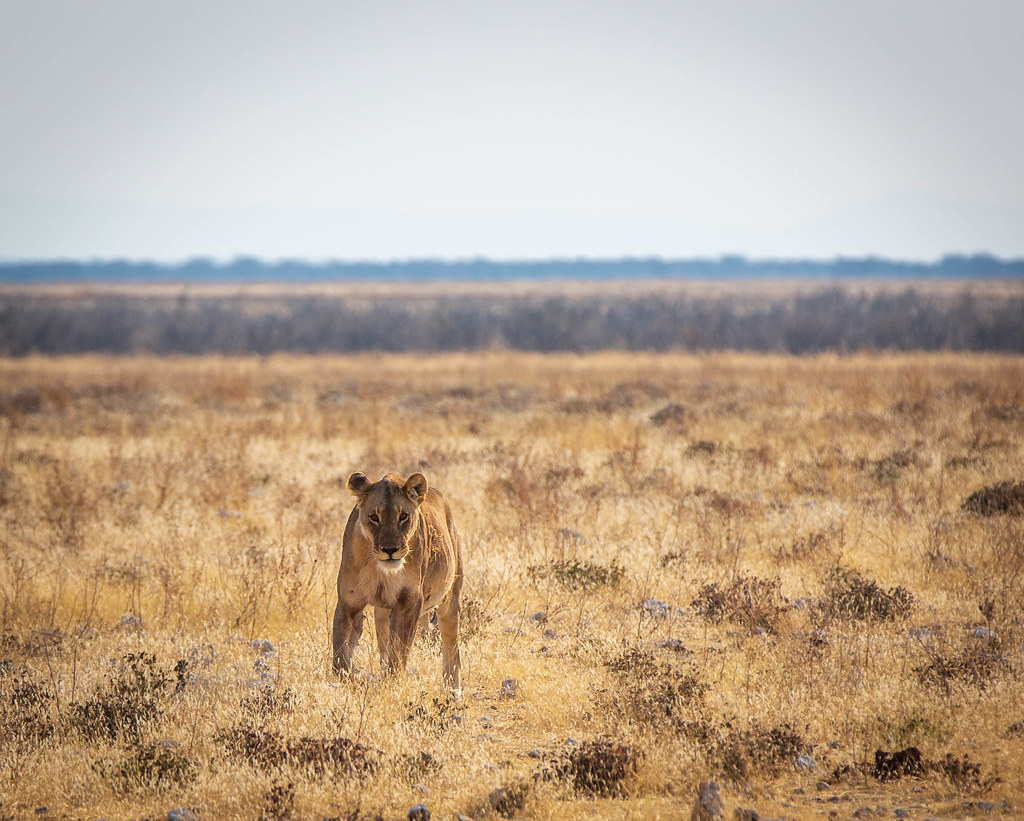
This is the classic safari dream. Crossing the border between Kenya and Tanzania, the Serengeti-Mara ecosystem supports the largest concentration of predatory big cats in Africa.
Lions rule these golden plains.
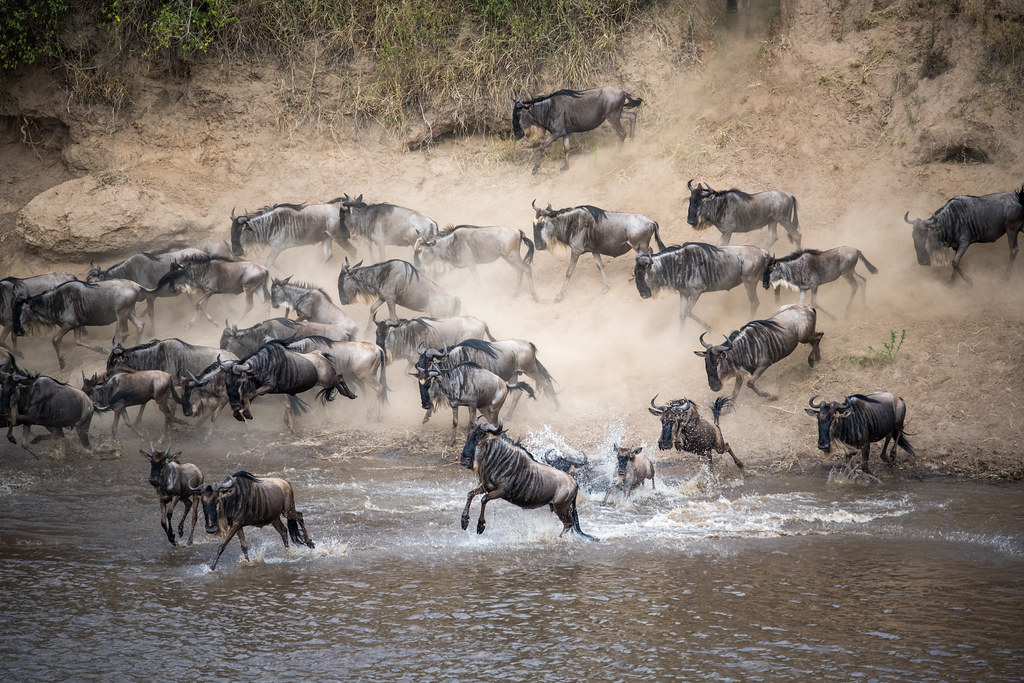
Between July and October, the dramatic Mara River crossings provide heart-stopping drama as herds brave turbulent currents and giant Nile crocodiles. In February, the southern Serengeti hosts calving season, where 8,000 newborn calves arrive daily on open green plains.
Okavango Delta and Chobe: Botswana’s Floodplains and Giants
Botswana delivers unmatched luxury and low tourist density. The Okavango Delta floods between June and August, drawing animals from the dry Kalahari into an intricate labyrinth of islands and waterways.
Just north lies Chobe National Park, home to over 50,000 elephants. Afternoon boat safaris along the Chobe River let you drift alongside bathing elephant herds while African fish eagles call from the trees above.
Greater Kruger and Sabi Sand: Big Five Encounters at Close Range
South Africa’s Greater Kruger is the world benchmark for Big Five game viewing. Unfenced private reserves like Sabi Sand and Timbavati share open borders with Kruger National Park.
Predator viewing here is effortless.
Because these private reserves limit vehicle numbers at every sighting, you enjoy calm, uncrowded encounters. It is entirely common to view lions, rhinos, and leopards in a single afternoon drive.
Ngorongoro Crater: The Wildlife-Packed Volcanic Caldera
Tanzania’s Ngorongoro Crater is a natural wonder. Inside an ancient collapsed volcanic caldera covering 260 square kilometers, a permanent population of 25,000 large mammals resides year-round.
Black rhinos graze safely here.
A single morning drive on the crater floor reliably produces pride lions, giant bull elephants, flamingos, and rare black rhinos against steep forested caldera walls.
South Luangwa: Raw Walking Safaris and River Life
Zambia’s South Luangwa National Park is the spiritual home of the authentic walking safari. If you want to experience the bush without vehicle engines, this is your sanctuary.
Exploring on foot changes everything.
Accompanied by an experienced naturalist guide and an armed scout, you learn to track lion prints in the morning sand, read bird alarms, and appreciate the small wonders of the African bushveld.
Wildlife Circuit Matrix: Seasonality and Wildlife Focus
Choosing between Africa’s iconic circuits comes down to your personal travel timing, budget, and wildlife priorities. Here is how the flagship regions compare side by side:
| Safari Dimension | East Africa (Kenya & Tanzania) | Southern Africa (Botswana & South Africa) |
|---|---|---|
| Primary Terrain | Endless savannah plains, volcanic calderas, acacia woodlands | Inland deltas, floodplains, dense thorny bushveld, desert dunes |
| Wildlife Highlights | Great Migration herds, high cheetah and lion hunting density | High leopard concentrations, massive elephant herds, African wild dogs |
| Vehicle Style | Closed-sided 4×4 Land Cruisers with pop-up roof viewing hatches | Completely open-sided 4×4 vehicles with tiered bench seating |
| Water Activities | Limited primarily to Lake Naivasha boat rides and hippo pools | Extensive mokoro canoes, motorized delta boats, Zambezi canoeing |
| Peak Travel Season | July to October (river crossings) & January to March (calving) | May to October (dry winter and peak Okavango floodwaters) |
| Off-Road Driving | Strictly forbidden in national parks to preserve delicate topsoil | Permitted in private concessions for rare predator tracking |
| Transit Dynamics | Extensive overland highway drives between remote national parks | Short light aircraft bush hops or accessible paved self-drive roads |
| Typical Daily Cost | $350–$900 per day (mid-range to luxury tented camps) | $450–$1,800+ per day (high-end low-impact private concessions) |
Signature Safari Moments: Beyond the Standard Game Drive
While morning and afternoon game drives are the backbone of any safari, Africa offers signature adventures that take you far beyond the vehicle seat.
The Great Migration Across River Corridors
Standing on the banks of the Mara River as thousands of wildebeest plunge down steep dust banks is a raw sensory overload. The roar of churned water, the grunting of frantic herds, and the anticipation in the air are electric.
Patience is the secret.
Crossings cannot be scheduled. You may sit in your vehicle for hours waiting for the first brave animal to leap, but when the herd commits, it is a spectacle you will carry for the rest of your life.
Encountering Desert Elephants in Arid Riverbeds
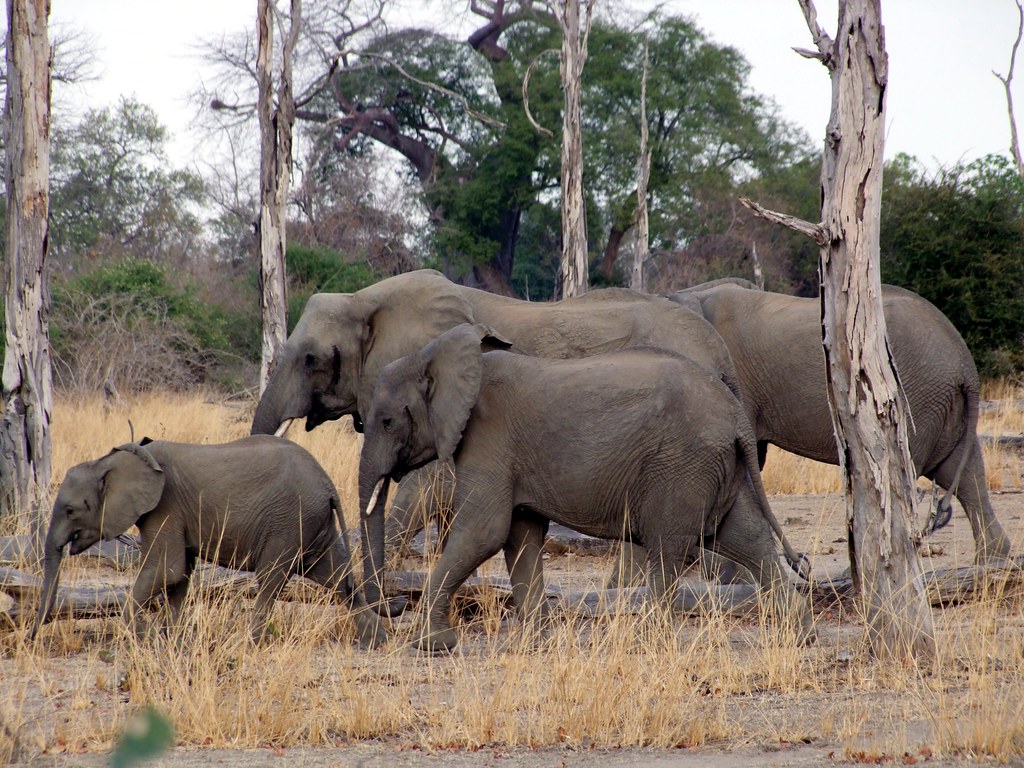
In Namibia’s remote Damaraland, a rare population of desert-adapted elephants has evolved to survive in barren sand riverbeds. They travel up to 70 kilometers in a single night searching for subsurface moisture.
Their endurance is remarkable.
Watching these graceful giants navigate towering red rock canyons against a backdrop of desert dunes is one of Africa’s most serene wilderness encounters.
Specialist Predator Tracking on Open Plains
Watching cheetahs hunt across open savanna requires skilled guides and keen eyes. Cheetahs rely on elevated vantage points—termite mounds, fallen trees, and vehicle hoods—to scan for grazing gazelles.
Speed is their superpower.
Witnessing a cheetah accelerate from zero to 100 km/h across an open floodplain in a blur of dust is a breathtaking display of pure athletic grace.
Mountain Gorilla Encounters in Cloud Forests
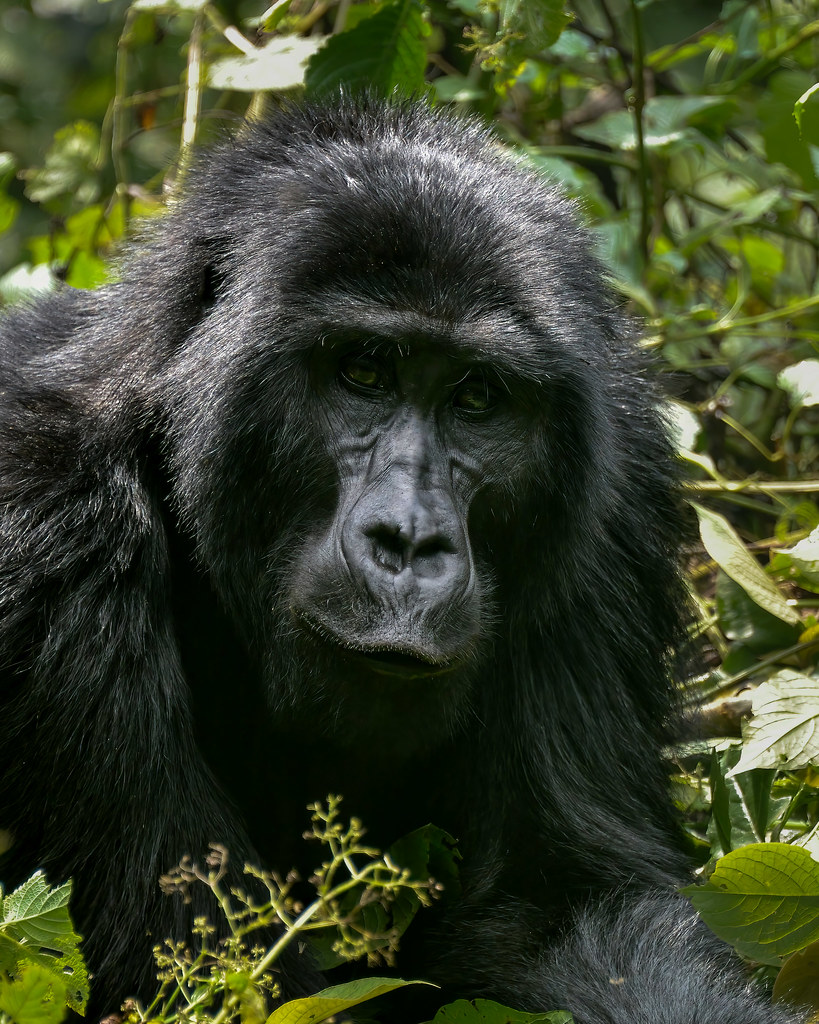
Trekking through the misty cloud forests of Uganda’s Bwindi or Rwanda’s Volcanoes National Park leads to one of the most profound wildlife moments on Earth. Sitting quietly just seven meters from an immense silverback gorilla resets your perspective on the natural world.
You have one magical hour.
Watching playful infant gorillas tumble through bamboo shoots while the matriarchs feed peacefully is an encounter that touches every traveler to their core.
Nocturnal Safaris Under Starlit Skies
When the sun sets over the savanna, an entirely different cast of animals takes over. Leopards begin hunting, hyenas call across the shadows, and bush babies leap through the acacia branches.
Night drives reveal the unseen bush.
Using filtered red spotlights that do not blind nocturnal animals, private concession night drives allow you to follow predators when they are at their most active.
Zambezi River Adventures and Waterfall Drama
Many Southern African journeys conclude along the roaring gorge of Victoria Falls, known locally as Mosi-oa-Tunya—”The Smoke That Thunders.” The Zambezi River plunges over a 100-meter chasm, creating rainbows in rising mist.
Relaxation meets adrenaline here.
You can toast the sunset on a tranquil Zambezi river cruise, take a scenic helicopter flight above the falls, or explore the gorge before heading home.
What Is the Best Month to Go on an African Safari?
The universal sweet spot for safari travel is the dry winter season from June to October. Because water is scarce, animals gather around rivers and waterholes, and thin bush foliage makes wildlife easy to spot.
In East Africa, July to September brings the dramatic Mara River crossings.
In Southern Africa, July and August bring peak floodwaters to the Okavango Delta. If you prefer lush green scenery, baby animals, and discounted lodge rates, the Green Season (November to April) is a fantastic alternative.
How Much Does an African Safari Cost?
A realistic safari budget ranges from $200 to $350 per day for overland camping, $450 to $850 per day for classic mid-range tented lodges, and $1,500 to $3,000+ per day for luxury fly-in camps.
Most lodge rates include meals and daily game drives.
However, park conservation fees, domestic bush flights, and staff tips must be factored into your total. For a full, itemized breakdown of expenses, check out our comprehensive Safari Cost Guide.
Which Safari Destination Is Safest for First-Time Travelers?
South Africa, Botswana, and Rwanda are widely recognized as the safest and most seamless safari destinations for first-time visitors.
Safety in safari lodges is exceptional.
Professional guides undergo years of rigorous safety training before escorting guests into the bush. In unfenced wilderness camps, staff escort guests to their tents after dark, ensuring complete peace of mind.
What Should You Pack for an African Bush Safari?
The golden rule of safari packing is simple: pack light, pack comfortable, and use a soft-sided duffel bag. Bush flights strictly limit luggage to 15 kg to 20 kg per passenger.
Stick to neutral colors like khaki, beige, and olive.
Avoid dark blue and black, which attract biting tsetse flies in certain parks, and leave bright white at home because savanna dust will claim it immediately. For a full, stress-free checklist, see our dedicated Safari Packing & Bush Flight Guide.
What to Know Before You Go: Essential Travel Logistics
Planning ahead turns a complex journey into a smooth adventure. Here are four practical realities every safari traveler should know.
Safari Health Essentials: Recommended Vaccinations and Precautions
Visit a travel health clinic four to six weeks before traveling. Most low-altitude safari regions carry malaria risk, making preventive medications like Malarone essential.
Pack a reliable insect repellent containing DEET.
A Yellow Fever vaccination card is legally mandatory when entering Kenya, Uganda, or Rwanda, or when arriving from endemic regions. Always drink purified or bottled water and protect your skin with sunscreen and a wide-brimmed hat.
Bush Plane Baggage Realities
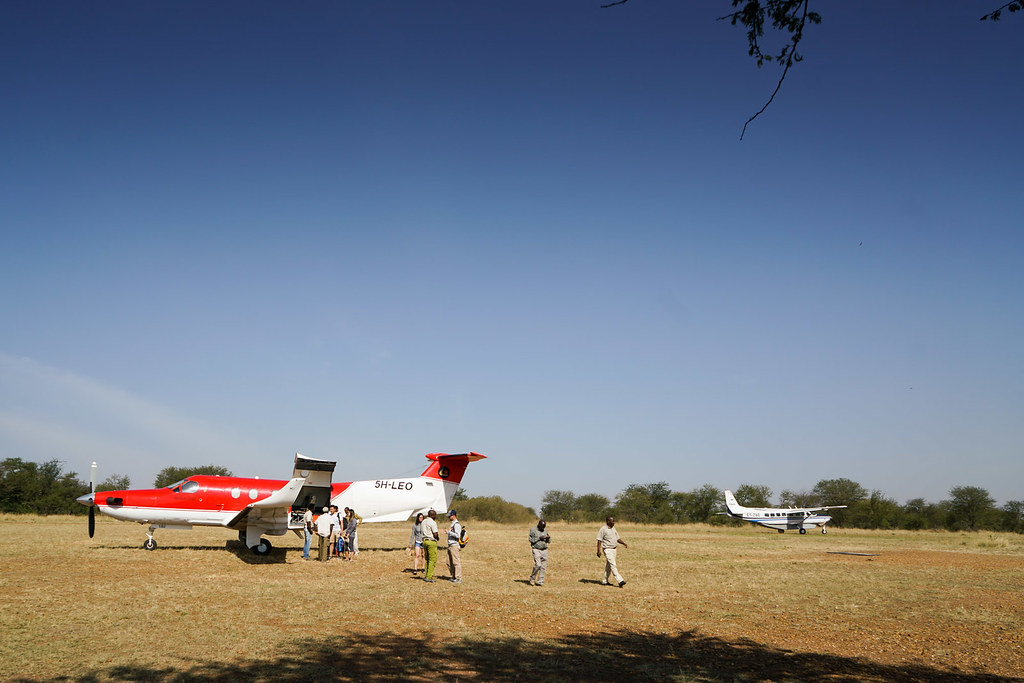
If your itinerary includes hops between bush airstrips on Cessna Caravans, rigid suitcases with hard frames are not permitted. Small aircraft cargo pods require soft-sided duffel bags that can be squeezed into irregular compartments.
Don’t worry about running out of clothes.
Almost every safari lodge offers daily laundry service. You only need enough comfortable clothes for three or four days in the bush.
Money in the Bush: Navigating Cash Rules and Tipping Etiquette
Major lodges accept Visa and Mastercard for gift shop purchases and spa treatments, but cash remains vital for tipping your driver-guides, trackers, and camp staff.
In East Africa, carry clean US dollar bills printed after 2013.
In South Africa, cash tips are paid in South African Rand (ZAR). Budget roughly $15 to $25 per day for your guide and $10 to $15 per day for the communal camp staff box.
Pacing Your Journey: Avoiding Safari Fatigue on Extended Itineraries
The most common mistake first-time travelers make is booking ten consecutive days of 5:00 AM wake-up calls and rough game drives. By day six, the early mornings and bumpy tracks catch up with you.
Safari fatigue is very real.
The ideal itinerary plans four to six days of active bush drives, followed by a few days of relaxation—whether that means relaxing on Zanzibar’s white-sand beaches, enjoying wine tasting in Cape Town, or relaxing beside Victoria Falls. Giving yourself time to process what you have seen makes the memories shine that much brighter.
Navigating the Solo Safari: Single Supplements and Group Realities
Traveling solo on safari is deeply empowering, but single room supplements can add 30% to 50% to lodge costs. To minimize these fees, travel during the green or shoulder seasons when many lodges waive single room surcharges.
Small group safaris are another fantastic option.
Joining a scheduled small-group safari connects you with fellow wildlife lovers, splits vehicle costs, and creates shared memories around the evening campfire without paying solo penalties.