A hundred-dollar bill in Africa can feel like a small fortune, or it can disappear before lunchtime.
If you land in Nairobi, Lagos, or Accra and spend your days inside expat supermarkets, air-conditioned bistros, and hotel bars, that hundred dollars will barely last twenty-four hours. Step into the safari corridors of the Serengeti or Masai Mara, and park entrance fees alone will swallow it before you even start the morning game drive.
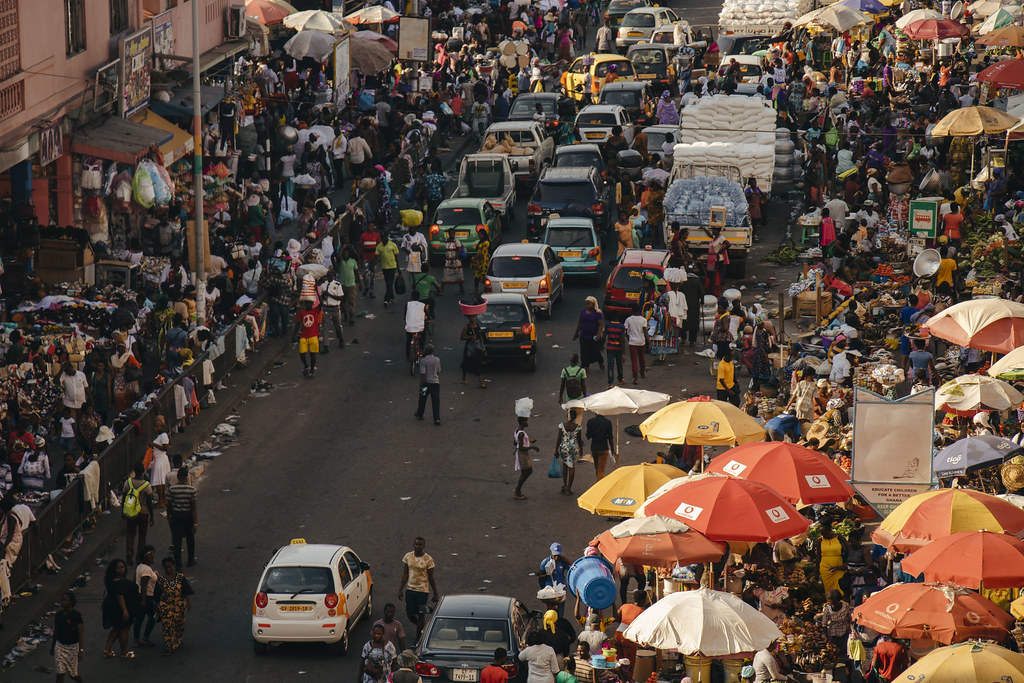
Yet walk three blocks away from the tourist strip into a neighborhood market, and that same hundred dollars completely changes character.
Suddenly, it buys three hearty meals a day, daily bus hops across town, and a clean room with a ceiling fan for almost a full week.
The math in Africa is never linear.
It all depends on which world you choose to spend your money in.
Why Your Dollar Behaves Differently in Every Region
Exchange rates tell only half the story.
In cities where daily life revolves around abundant local agriculture—like yam, cassava, sweet plantains, and fresh greens across West and East Africa—street food and neighborhood market shopping remain startlingly cheap in foreign currency.
Fresh local food costs almost nothing.
A mound of hot waakye in Accra or a plate of ugali and sukuma wiki in Nairobi costs less than a cup of coffee back home.
The financial shock hits when you step into import-dependent bubbles.
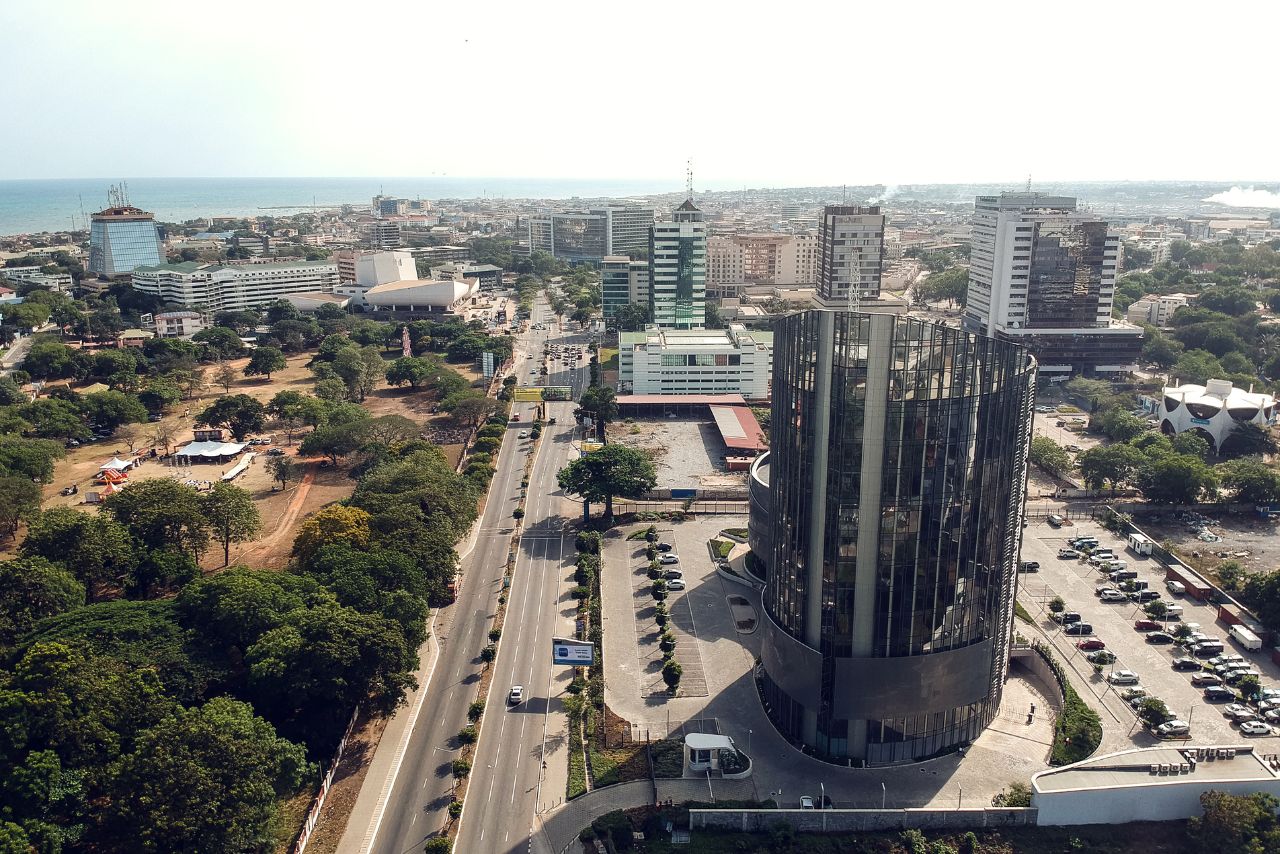
Cities with heavy industrial import habits, like Douala or Luanda, or tourist enclaves in Zanzibar and Cape Town, charge European or American prices for everyday comforts. The moment you order imported wine, buy boxed cereal in a boutique supermarket, or book a late-night private taxi, your wallet empties at Western metropolitan speed.
Imported comfort carries an international price tag.
What Everyday Essentials Cost Across the Four Main Regions
To compare everyday spending across regions, we benchmarked typical consumer baskets across four primary travel corridors. These numbers reflect what you actually spend in neighborhood establishments, local markets, and intercity coach networks rather than isolated luxury hotels.
| Regional Corridor | Daily Food Basket | Budget Guesthouse Night | Local SIM Data (10GB) | Regional Bus Route (300km) |
|---|---|---|---|---|
| East Africa (Kenya, Tanzania, Uganda) | $4 to $8 | $18 to $35 | $5 to $9 | $12 to $20 |
| Southern Africa (South Africa, Namibia) | $8 to $16 | $25 to $55 | $8 to $14 | $20 to $35 |
| West Africa Coastal (Nigeria, Ghana) | $3 to $7 | $20 to $45 | $4 to $8 | $10 to $18 |
| Central Africa (Cameroon, Gabon) | $7 to $15 | $30 to $65 | $9 to $16 | $18 to $30 |
*Daily food basket estimates reflect a full day of independent nutrition—covering either three neighborhood canteen meals or fresh market staples (tubers, plantains, greens, and local condiments) for self-catering, excluding imported supermarket groceries.
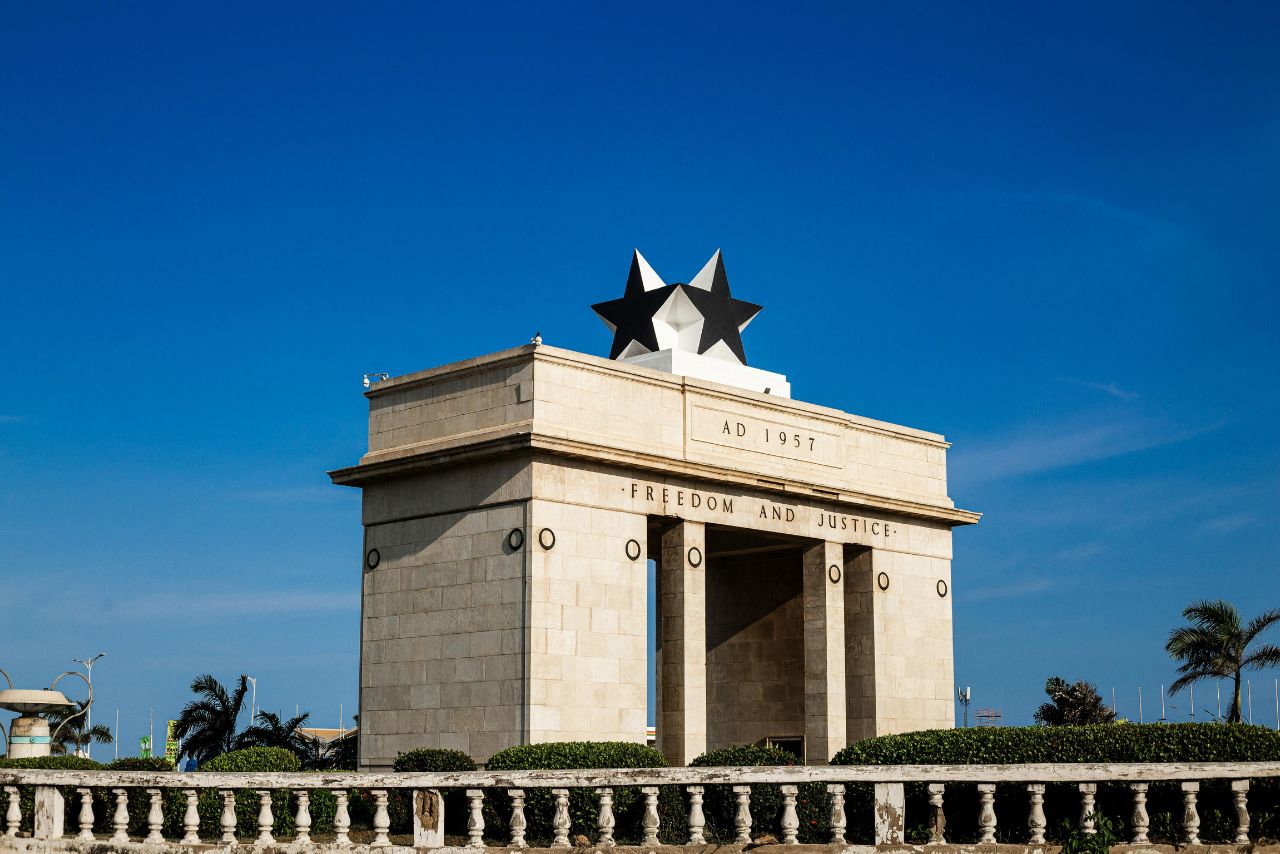
In West Africa, rapid currency shifts have substantially expanded what foreign banknotes command in open markets, yielding immense local spending power. For detailed on-the-ground market baskets, transit fares, and urban housing realities in the region’s largest economic hubs, explore our field guides on what $100 buys in Nigeria and what $100 buys in local Accra markets.
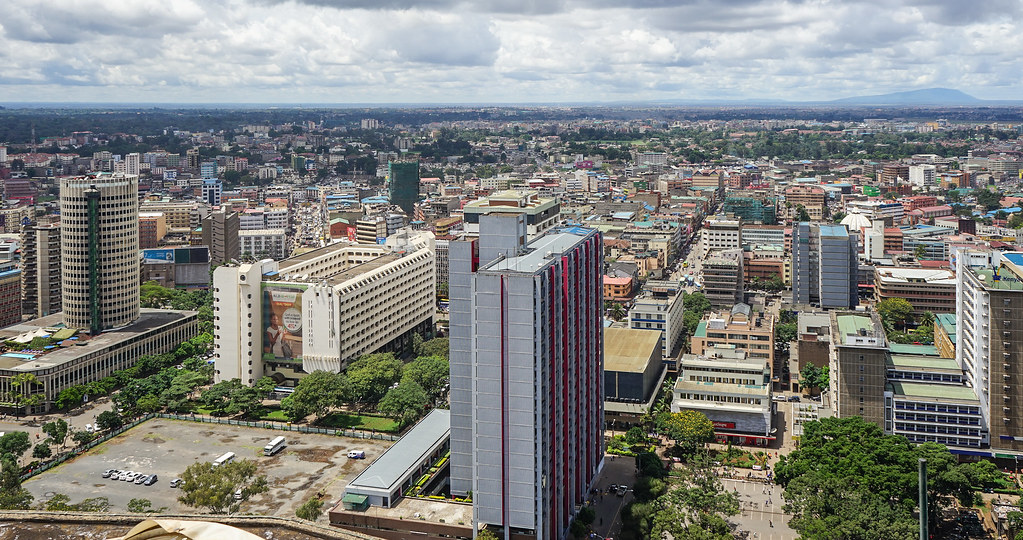
Similarly, for East African travel logistics from Nairobi’s bustling street food stalls to the Indian Ocean coast, consult our real-world breakdown of what $100 buys in Kenya.
The Massive Gap Between Street Markets and Safari Parks
The sharpest financial divide on the continent is not between countries; it is between everyday local life and the wildlife tourism economy.
In a neighborhood market, twenty dollars is a serious amount of money.
It easily covers three complete sit-down meals at a neighborhood canteen, bags of fresh tropical mangoes, and a week of daily commuter transit fares.
Step into a protected wildlife reserve, and the economic rules flip upside down.
Non-resident park conservation fees in Kenya’s Masai Mara or Tanzania’s Serengeti run $100 to $150 per person per day before you hire an open-top 4×4 or book a camp bed.
Safari conservation operates on international luxury rates.
Those high fees fund essential ranger patrols, community conservancies, and habitat protection. But they mean an independent traveler exploring cultural towns can travel comfortably for a week on what a premier safari swallows before breakfast.
How Paying the Right Way Protects Your Travel Funds
How you access cash and settle transactions changes what your money is actually worth on the ground.
Hidden bank conversion markups, ATM withdrawal fees, and merchant surcharges can quietly chew up 5% to 15% of your travel funds if you are not careful.
In East Africa, mobile money runs daily life.
Platforms like M-Pesa in Kenya and Tanzania or MTN MoMo in Uganda and Rwanda are accepted everywhere, from roadside fruit stalls to intercity buses. Setting up a local SIM card and loading digital credit keeps your money secure and eliminates the need to carry thick stacks of banknotes.
Mobile money is practically mandatory in East Africa.
In Southern Africa, Visa and Mastercard tap-to-pay is almost universal across Cape Town, Johannesburg, and Windhoek, keeping cash needs minimal. In West Africa, physical cash and instant local bank transfers remain essential in open markets. In the Central African CFA franc zone, local merchants rarely have change for large bills, so breaking a fresh hundred into smaller denominations is a crucial morning chore.
Always carry small local change.
Simple Field Rules to Make Your Money Last Longer
Stretching your funds in Africa does not mean roughing it or taking unnecessary risks. It simply means traveling with street-level awareness.
1. Skip the Airport Currency Kiosks
Airport exchange counters offer terrible retail spreads and hefty processing commissions. Swapping your hundred-dollar bill at the arrival hall can cost you eight to fifteen dollars in lost value immediately.
Airport exchange booths bleed cash.
Wait until you reach town to withdraw from a reputable commercial bank ATM or visit a licensed downtown foreign exchange bureau.
2. Make Lunch Your Main Local Meal
Eating exclusively in hotel dining rooms and expat bistros will burn through your funds in days.
Instead, have your main meal at a trusted neighborhood canteen where locals eat. Whether it is steaming jollof rice in Lagos, fresh grilled tilapia in Ghana, or chipsi mayai at a Dar es Salaam street stall, local food is freshly cooked, deeply authentic, and costs a fraction of hotel dining. Save the upscale bistros for an evening drink.
Eat where the neighborhood eats.
3. Travel Overland on Established Coach Routes
Flying between regional cities quickly drains a modest budget. Modern intercity coaches—like Mash Poa and Tahmeed in East Africa, VIP Jeoun and STC in West Africa, or Intercape across Southern Africa—offer comfortable, air-conditioned long-distance travel at a fraction of domestic airfare, giving you a real window into the landscape along the way.
Overland travel connects you to the country.