What comes to mind when you picture your dream African safari?
Is it sitting high in an open 4×4 tracking a pride of lions across golden grasslands, or quietly following fresh leopard tracks on foot through the morning mist?
Both experiences are unforgettable, but they connect you with the African wilderness in completely different ways.
Game drives offer speed, comfort, and effortless Big Five sightings. Walking safaris deliver pulse-pounding sensory immersion, ancient tracking skills, and deep ecological connection.
This comprehensive guide breaks down safety rules, real costs, physical demands, and wildlife dynamics to help you choose the right safari style.
Evaluating Immersion and Logistics Across Walking Safaris and 4×4 Game Drives
Before choosing between tracking big game on foot or traversing concessions in a 4×4, understand how regional safari circuits operate across the continent. When planning the best African safaris, deciding between vehicular game viewing and foot traverses defines your entire itinerary and gear requirements.
Use this direct comparison table to evaluate costs, physical fitness, age restrictions, and wildlife encounter dynamics:
| Safari Feature | Traditional 4×4 Game Drive | Guided Walking Bush Safari |
|---|---|---|
| Primary Focus | Big 5 predators, large mammal herds, wide landscape coverage | Spoor tracking, bushcraft, insects, birds, medicinal plants & senses |
| Daily Cost Range | $150 – $650 USD (Self-drive park entry to luxury shared lodge) | $350 – $1,100 USD (Specialized remote wilderness trails camps) |
| Physical Demand | Low (Sitting in vehicle over bumpy dirt tracks) | Moderate to High (3 to 5 hours walking on uneven terrain) |
| Minimum Age Limit | All ages (private vehicles) / 6+ years (shared vehicles) | 12 – 16+ years old strictly enforced by law |
| Group Size Limit | 6 – 10 guests per open vehicle | Strictly capped at 6 – 8 guests per walking group |
| Safety & Escort | 1 Professional Safari Guide / Driver with radio | 1 FGASA Lead Trails Guide + 1 Armed Scout (Heavy caliber rifles) |
| Sighting Distance | 5 – 25 meters (Vehicles are viewed as neutral objects) | 50 – 150 meters (Respectful safety buffer downwind) |
| Photography Focus | Fast wildlife action, tight telephoto animal portraits | Wide-angle landscapes, macro photography, footprint casts |
While vehicle game drives span everything from self-drive camping to high-end lodges, specialized walking safaris operate out of dedicated seasonal trails camps. To evaluate daily camp fees against vehicle permits and conservation levies, review our detailed safari cost breakdown comparing budget and luxury options.
Traditional 4×4 Game Drives: Strengths and Realities
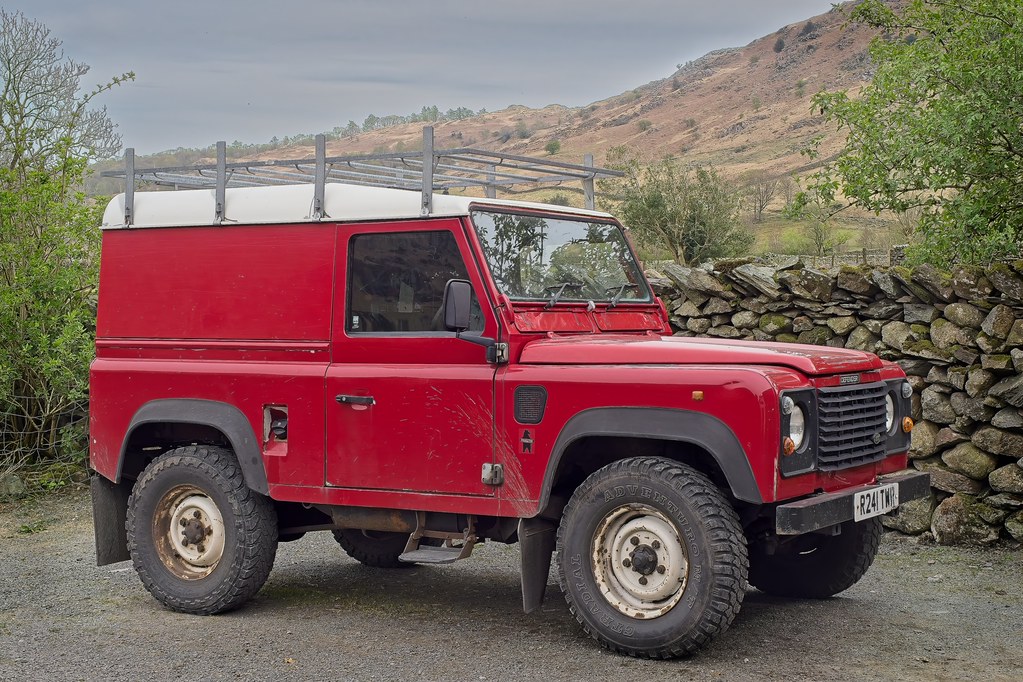
Game drives represent the classic African safari experience featured in nature documentaries.
Conducted in custom modified Land Cruisers or Land Rovers with tiered seating and open sides, game drives allow you to traverse vast distances quickly.
- Predator Neutrality: Wild animals view a 4×4 vehicle as a single, large, non-threatening object rather than individual humans. This allows vehicles to approach within meters of resting lions or leopards without disturbing them.
- Superior Wildlife Volume: Covering 40 to 80 kilometers per drive lets your guide track radio calls and find elusive predators across distant riverbanks.
- Camera Stabilization: Open-sided vehicles offer steady bars and beanbag rests, making them ideal for heavy 400mm–600mm telephoto lenses.
- Multi-Generational Comfort: Game drives accommodate grandparents, toddlers, and travelers with physical limitations without fatigue.
However, game drives come with engine vibrations, exhaust fumes, and a sense of detachment from the smaller wonders of the African bush. Vehicle design also varies regionally: while open-sided cruisers dominate Southern Africa, the best East African safaris across Kenya and Tanzania typically deploy customized closed-sided 4×4 Land Cruisers with pop-up roof hatches for long highway transits between reserves.
Guided Walking Safaris: Deep Immersion and Senses
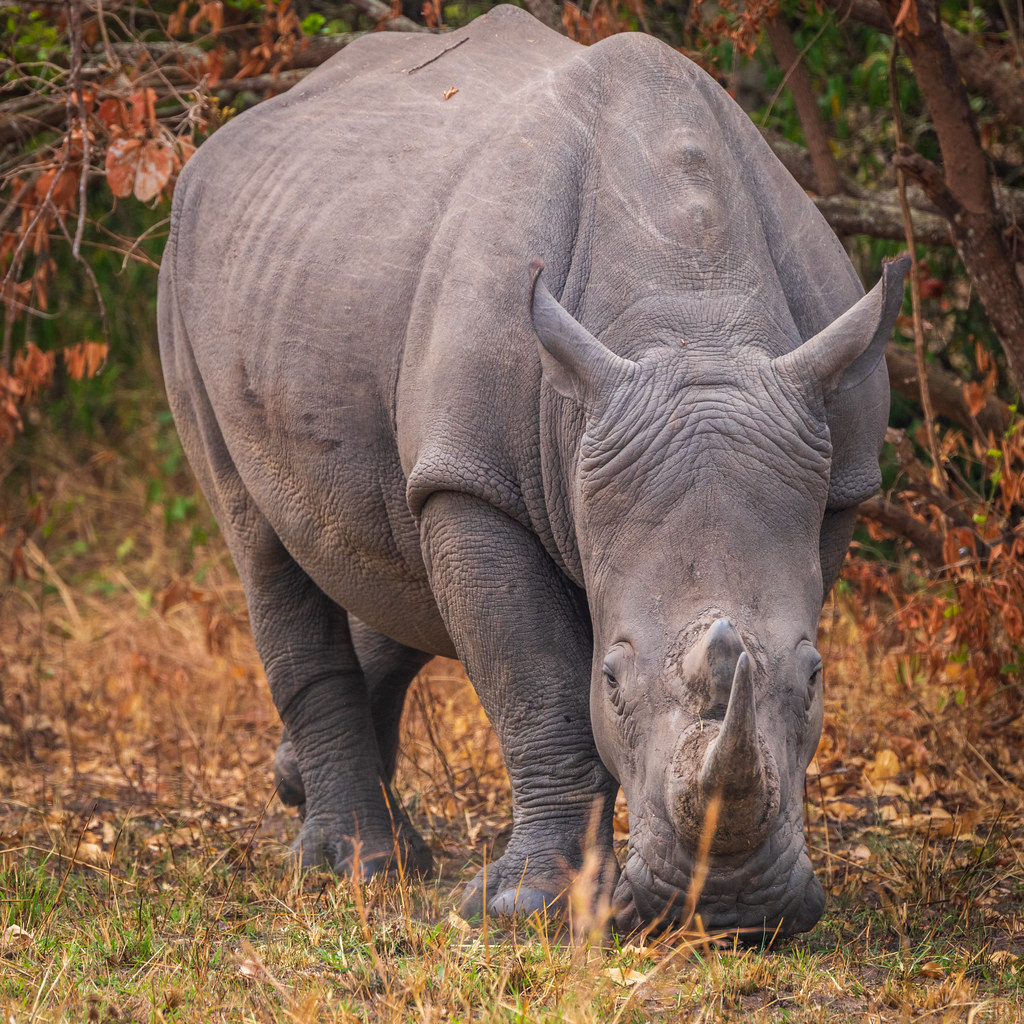
Stepping out of a vehicle and onto the soil changes your perspective instantly.
On foot, you are no longer a passive spectator looking through a lens; you are an active part of the ecosystem.
- Sensory Awakening: You hear alarm calls of oxpeckers, smell crushed wild sage, and feel the morning wind direction on your skin.
- Ancient Bushcraft & Spoor Tracking: Master trackers teach you how to read drag marks, determine how recently a leopard walked past, and identify animal dung.
- Micro-Ecosystem Focus: You explore intricate termite mounds, acacia ant symbiosis, and medicinal plants used by indigenous tribes for generations.
- Unmatched Adrenaline: Watching an elephant herd browse from 70 meters away while standing on flat ground creates a reverent memory vehicles cannot replicate.
Safety Realities and Armed Escort Protocols
Is a walking safari safe? When conducted by licensed professionals, the answer is an emphatic yes.
In premier safari countries like South Africa, Zambia, Tanzania, and Kenya, wilderness trails guides undergo years of intensive ballistic and animal behavior training.
- Dual Armed Escorts: Every Big 5 walking trail is legally escorted by a licensed Lead Trails Guide in front and an Armed Backup Scout behind, carrying .375 H&H Magnum or .458 Lott rifles.
- Single-File Discipline: Guests walk in a silent single file behind the guide. This presents a unified, non-aggressive profile and keeps everyone within the guides’ defensive perimeter.
- Wind & Distance Awareness: Guides constantly test the wind using ash pouches or powder, ensuring the group remains downwind so animals are never startled.
- Respectful Safety Buffers: Unlike vehicles, guides on foot never harass or corner dangerous animals, maintaining a 50 to 150-meter safety zone.
Top 3 Epicenters for Walking Safaris in Africa
While game drives are available in almost every national park, authentic multi-day walking safaris thrive in specialized wilderness zones:
1. South Luangwa National Park (Zambia)
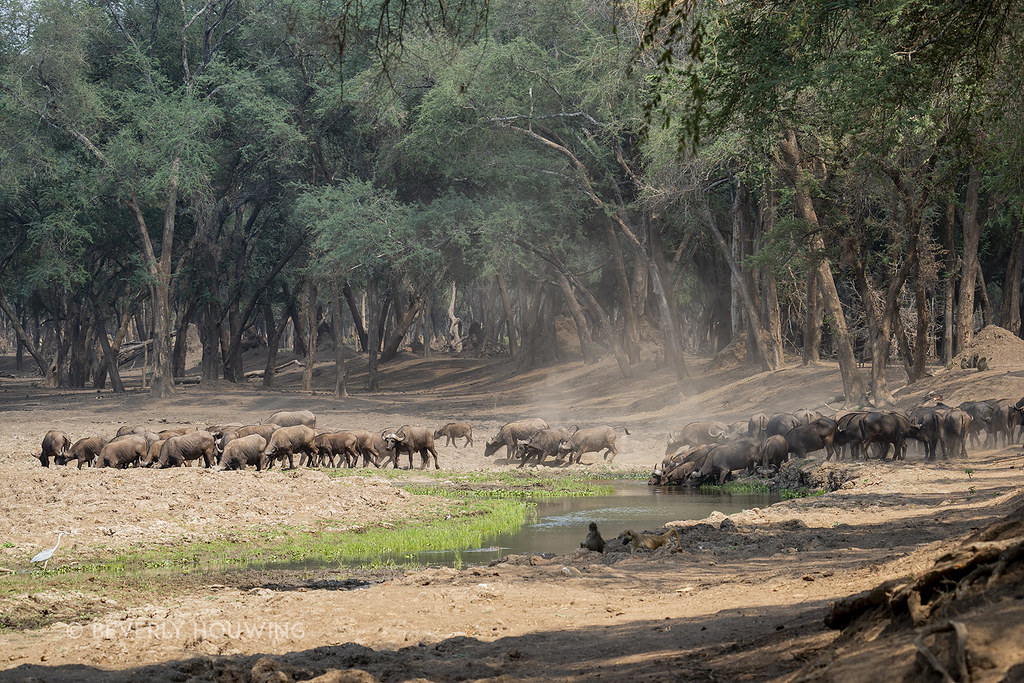
South Luangwa is widely celebrated as the historic birthplace of walking safaris, pioneered by legendary conservationist Norman Carr in the 1950s.
Its network of remote mobile bushcamps along the Luangwa River offers multi-day foot journeys where luggage is portaged between camps by staff. For travelers mapping out the best Southern African safaris, pairing walking trails in Zambia with vehicle-based private concessions in Greater Kruger creates the premier wildlife journey.
2. Greater Kruger & Private Concessions (South Africa)
Private reserves such as Klaserie, Timbavati, and Balule feature specialized wilderness trails led by elite FGASA-certified Lead Trails Guides.
These trails focus on primitive backpacking, sleeping under starry skies, and learning navigation by stars and landmarks.
3. Serengeti & Ruaha National Parks (Tanzania)
Tanzania’s vast southern circuit (Ruaha and Nyerere) and designated walking zones in the Serengeti provide raw, untamed wilderness walks far from tourist crowds.
Expeditions often incorporate temporary fly-camps set up along dry sand rivers.
Myth vs. Insider Reality: Walking Bush Safaris
First-time safari travelers often harbor understandable anxieties. Let’s debunk the most common myths:
Myth: “Predators will view humans on foot as easy prey and immediately attack.”
Reality: Wild animals have an innate evolutionary fear of the upright human silhouette and human scent. When animals detect walkers downwind, their natural instinct is to retreat quietly into thick brush long before you see them.
Myth: “Walking safaris require extreme athletic endurance.”
Reality: Bush walks are not marathons. They move at a slow, gentle pace (averaging 3 to 6 kilometers over 3 to 4 hours) with frequent stops to examine tracks, bird calls, and tree bark.
Safari Clothing & Gear Rules: The “Why Neutral Colors?” Rule
What you wear on a walking safari directly impacts both your safety and your comfort:
- Wear Earth Tones (Khaki, Olive, Brown, Beige): These shades blend into the bush canopy, allowing you to observe wildlife without triggering alarm calls.
- Avoid Pure White: Bright white acts as a high-contrast beacon that startles animals from hundreds of meters away.
- Avoid Dark Blue & Black: In East and Central Africa, dark blue and black fabric attracts biting tsetse flies (Glossina), which are drawn to dark animal silhouettes.
- Sturdy Ankle Boots: Wear lightweight, closed-toe walking boots with thick soles to protect against acacia thorns, sharp rocks, and burrs.
For an exhaustive checklist covering technical fabric layering, medical kits, and bush flight luggage limits, consult our complete safari packing and safety guide.
Frequently Asked Questions
What is the minimum age for a walking safari?
In Big Five reserves across Southern and East Africa, national park regulations strictly enforce a minimum age of 12 to 16 years old for safety reasons.
Can I take pro photography equipment on a walking safari?
Yes, but lightweight mirrorless bodies with versatile 70–200mm lenses are recommended. Carrying heavy 600mm prime lenses and tripods over a 4-hour walk causes severe physical fatigue.
What is the ideal safari itinerary balance?
The gold standard for veteran safari travelers is a 3 to 4-day hybrid split: embarking on morning walking trails for bushcraft and tracking, followed by late afternoon and night 4×4 game drives for big cat action.
Final Verdict
Choosing between a walking safari and a game drive is not about which format is better; it is about the kind of story you want to live.
If you want fast-paced action, wide panoramas, and iconic predator portraits, book an open 4×4 game drive.
If you want to feel the pulse of the continent, read the secrets of the sand, and stand humble beneath the African sky, lace up your boots and walk.
Related Wildlife Safari & Adventure Guides
- Pair your safari with swimming in Devil’s Pool at Victoria Falls.
- Experience nocturnal predator tracking on Uganda night safaris.
- Discover tracking desert elephants on foot in Namibia.
- Explore the wildlife safari landscapes of the Kalahari and Namib deserts.
- Read the top reasons to visit Zambia for walking safaris.