Opening your first safari quote is an unforgettable moment. Most people stare at the total, blink twice, and wonder if there has been an accounting mistake.
Safaris are not cheap holidays.
When you see prices like $800 or $1,500 USD (~KES 104,000 – 195,000 / ~ZAR 14,400 – 27,000) per person per night for what looks like a “tent,” feeling sticker shock is completely natural.
You start asking the big questions: Where does all that money actually go? What is the real difference between an overland camping tour and a fly-in lodge? And what hidden costs are waiting to ambush you after you land?
A safari is not a standard hotel booking. You are funding an entire self-contained ecosystem operating in remote wilderness: solar grids, water purification, specialized 4×4 vehicles, chef-prepared meals, expert guides, and hefty national park conservation levies.
This guide breaks down African safari pricing with complete transparency: what each price tier buys, how East Africa compares to Southern Africa, and how to spot hidden expenses before paying a deposit. To see where each wildlife circuit sits on the map, start with our master African Safari Guide.
Navigating the Cost Spectrum: Defining the Four Safari Styles
Safari pricing divides broadly into four distinct categories. Knowing which style matches your comfort level and travel philosophy makes budgeting straightforward.
The Budget Overland and Public Camping Tier: $150 to $300 Per Day
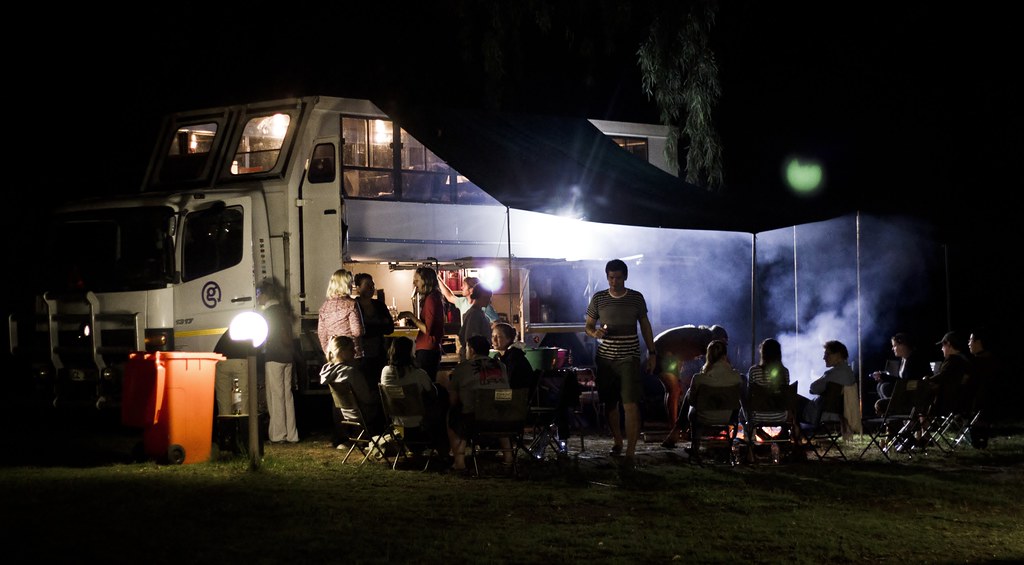
Budget safaris are participatory adventures. You travel in custom overland trucks or safari vans, sleep in dome ground tents at public campsites, and pitch in with camp chores and meal prep.
Comfort is basic, but camaraderie is high.
You share communal bathroom facilities, sleep on camp mattresses, and spend long days on bumpy roads. In exchange, you access the exact same national parks and see the exact same wildlife as travelers paying ten times more.
The Mid-Range Sweet Spot: Permanent Tented Camps at $450 to $850 Per Day
For most travelers, mid-range permanent tented lodges represent the sweet spot between authentic wilderness immersion and genuine comfort.
A safari tent is not a camping tent.
These are spacious canvas pavilions built on raised wooden decks, featuring king-sized beds, en-suite bathrooms with hot running water, flush toilets, and private verandas. Rates include all meals, twice-daily game drives in customized 4×4 vehicles, and professional driver-guides.
The Luxury Fly-In Concession Tier: $1,200 to $2,500 Per Day
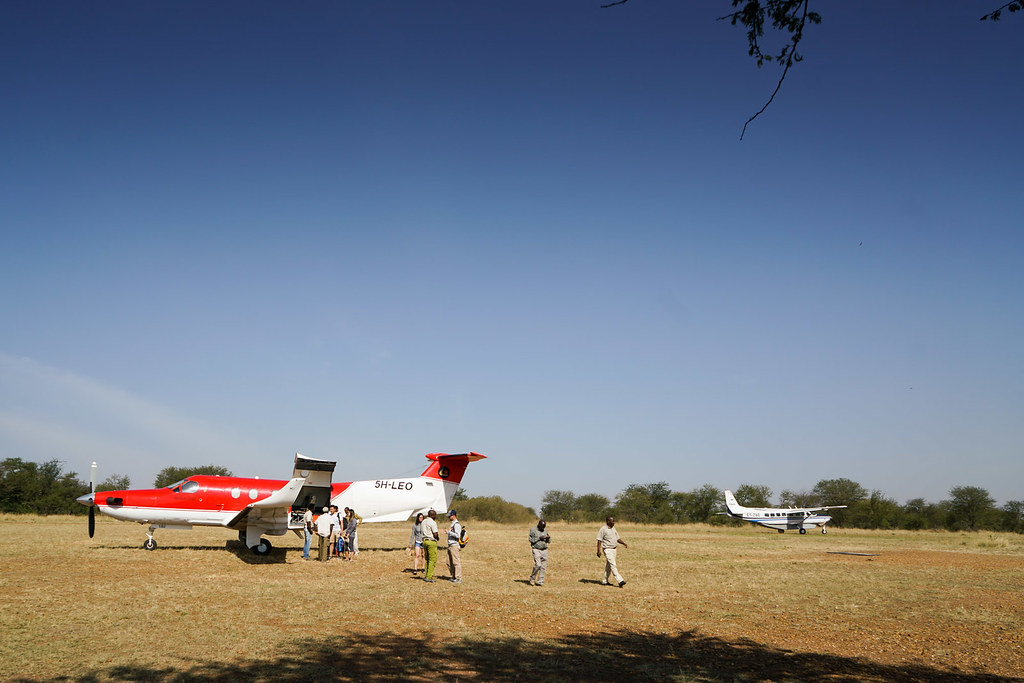
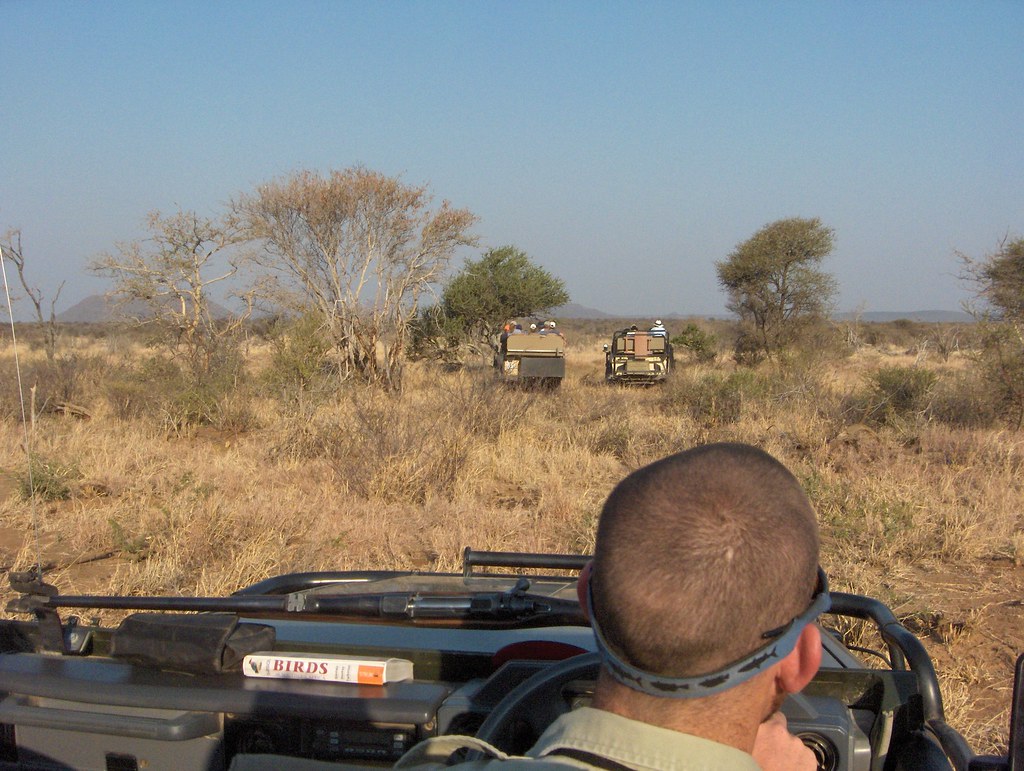
Luxury fly-in lodges take comfort, exclusivity, and wildlife access to an extraordinary level. You bypass long road transfers entirely, hopping between camps via light bush aircraft.
You are paying for privacy and exclusivity.
These boutique lodges feature six to twelve standalone villas set inside vast private concessions. Rates include gourmet multi-course dining, premium wines and spirits, private plunge pools, and open-sided 4×4 drives with dedicated trackers permitted to follow wildlife off-road.
Ultra-Luxury Exclusive-Use Villas: $3,500 to $6,000+ Per Night
At the pinnacle of African safari travel are private-use homesteads and ultra-luxury estates like Singita, Cheetah Plains, and Zarafa.
Here, the wilderness is entirely yours.
You have a dedicated private aircraft, personal safari vehicle, private chef, private guide, and butler service. It delivers absolute seclusion for multi-generational families, high-profile travelers, and bucket-list milestone celebrations.
Daily Rate Showdown: Which Safari Style Delivers the Best Value?
Comparing what each budget tier includes prevents costly false assumptions. Here is how standard safari tiers stack up side by side:
| Safari Tier | Daily Cost Range (USD) | Accommodation Style | Transport & Game Drives | Meal & Drink Plan | Wilderness Access |
|---|---|---|---|---|---|
| Budget Overland | $150 – $300 USD ~KES 19.5k–39k / ~ZAR 2.7k–5.4k | Dome ground tents in public camp zones | Large multi-passenger overland truck | Cooked campfire meals; drinks extra | Public national park road tracks |
| Classic Mid-Range | $450 – $850 USD ~KES 58k–110k / ~ZAR 8.1k–15.3k | Permanent tented camp with en-suite bath | Customized 4×4 cruiser with pop-up roof | Three plated daily meals; local beer/wine | Public national parks and buffer reserves |
| Luxury Fly-In | $1,200 – $2,500 USD ~KES 156k–325k / ~ZAR 21.6k–45k | Spacious tented suite with private deck | Open-sided 4×4 cruiser with dual tracker | All-inclusive gourmet dining & cellar wines | Exclusive private wildlife concessions |
| Ultra-Luxury Villa | $3,500 – $6,000+ USD ~KES 455k–780k+ / ~ZAR 63k–108k+ | Exclusive-use bush villa with private pool | Dedicated private vehicle and private guide | Private personal chef and custom menu | Private conservancies & tailored airspace |
The Regional Price Divide: East Africa vs. Southern Africa Pricing Dynamics
Where you travel in Africa fundamentally alters how your budget is spent. East Africa and Southern Africa operate on very different cost models.
East Africa Pricing Dynamics: Kenya and Tanzania Circuits
In Kenya and Tanzania, overland road safaris in customized 4×4 Land Cruisers are standard. Because you travel by road, overland packages can be shared among four to six travelers, significantly reducing transport costs.
However, East African national park fees are high.
Maasai Mara charges $200 per adult per day during peak season, while Serengeti and Ngorongoro crater fees add up fast. In East Africa, park fees often make up 30% to 40% of your total invoice.
Plan for these fees early. For complete details on park routes, entry rules, and migration seasons, see our dedicated East Africa Safari Guide.
Southern Africa Pricing: Navigating Greater Kruger and the Okavango Delta
Southern Africa presents two extremes. South Africa offers the continent’s best budget safari options through its excellent self-drive network in public Kruger and the Eastern Cape.
Botswana, on the other hand, embraces low-impact, high-cost conservation.
Because there are virtually no roads connecting Okavango Delta camps, you must fly between lodges on light bush aircraft. Flights add $300 to $500 per transfer, but the reward is pristine wilderness with almost zero vehicle traffic.
It is worth every dollar. To explore concession benefits, flood calendars, and self-drive routes, see our companion Southern Africa Safari Guide.
Intent Matchmaker: Choosing the Safari Tier That Matches Your Budget
Matching your safari style to your personal expectations is the secret to a great trip. Spending top dollar on luxury will disappoint you if you secretly wanted a rugged adventure, just as rough camping will ruin a dream honeymoon.
Be honest about your comfort non-negotiables.
Take your time.
It is your journey.
If you value air conditioning, fine wine, and zero vehicle dust, choose mid-range or luxury fly-in camps. If your priority is wildlife photography and you don’t mind shared bathrooms and campfire cooking, budget overland safaris offer unbeatable value.
Uncovering the Hidden Costs Behind Every Safari Quote
A safari quote rarely tells the entire story. Several critical expenses are almost never included in the initial headline price.
Nobody likes hidden surprises on vacation.
Accounting for these items during planning keeps your budget realistic and stress-free.
Conservation Levies: What It Costs to Enter the Serengeti and Crater Floor
Always verify whether your safari quote includes government national park fees and concession bed-night levies. In Tanzania, visiting Ngorongoro Crater requires both an individual conservation fee and a $295 USD (~TZS 767,000) per-vehicle crater descent permit.
Park fees add up quickly over a week.
For a seven-day northern Tanzania circuit, park fees alone can total $900 to $1,400 per person. Always ask your operator: “Are all government taxes, park entrance fees, and crater permits included?”
Bush Flights vs. Overland Drives: Balancing Budget Against Time in the Wild
Driving between parks saves money, but it costs time. Driving from Arusha to the central Serengeti takes eight to ten hours across bumpy, dusty gravel tracks.
A 45-minute bush flight costs roughly $300 to $400 USD (~KES 39,000 – 52,000 / ~TZS 780,000 – 1,040,000) per person.
Many travelers compromise: drive out through Tarangire and Ngorongoro to enjoy overland scenery, then take a quick bush flight back to the international airport on your final day. Because these light aircraft flights enforce strict luggage rules, our companion Safari Packing & Bush Flight Guide covers soft duffel requirements and weight limits.
Safari Tipping Etiquette: How to Tip Guides and Camp Staff Without Stress
Tipping is customary across safari camps and directly supports local staff who work long hours away from their families. However, it can cause anxiety for first-time visitors.
The standard benchmark is straightforward.
Tip your primary safari driver-guide $15 to $25 USD (~KES 2,000 – 3,250 / ~ZAR 270 – 450) per day from your group. For general camp staff (chefs, housekeepers, security), most lodges provide a communal staff tip box in reception; budget $10 to $15 USD (~KES 1,300 – 2,000 / ~ZAR 180 – 270) per day total. Tipping is given at the end of your stay at each camp.
The Cash Rule: Why East Africa Only Accepts Post-2013 US Dollars
When bringing cash to East Africa, check the print date on every single dollar bill. Due to regional counterfeiting safeguards, banks and lodges in Kenya, Tanzania, and Uganda reject US dollar bills printed before 2013.
Bills must be crisp and undamaged.
Torn, stamped, or heavily folded notes will be declined. Inspect your cash before leaving your home bank to ensure you carry pristine post-2013 bills.
The All-Inclusive Illusion: What Lodge Rates Truly Cover
The term “all-inclusive” can be misleading. While most safari lodges include meals and game drives, premium activities and discretionary items are almost always extra.
Hot air balloon safaris cost between $500 and $650 USD (~KES 65,000 – 84,500 / ~TZS 1,300,000 – 1,690,000) per person.
Premium imported spirits and cellar wines are billed separately at mid-range lodges. Mountain gorilla trekking permits in Rwanda ($1,500) and Uganda ($800) are never included in baseline room rates.
The Green Season Secret: Why Savvy Travelers Choose the Emerald Months
If peak-season prices feel prohibitive, consider traveling during the “Green Season” (November to April). Safari operators drop nightly rates by 30% to 50% during these months.
The wilderness looks spectacular in green.
Afternoon showers clear quickly, dust settles, the bush bursts into bloom, and newborn animals arrive. You enjoy luxury lodges at a fraction of peak cost without vehicle crowds.
Taking the Wheel: When a Self-Drive Safari Makes Sense (and When It Doesn’t)
Self-drive safaris are wonderful in South Africa and Namibia, where roads are paved and navigation is straightforward. Renting a 4×4 camper gives you complete freedom on a budget.
In East Africa and Botswana, self-driving is risky for novices.
Navigating deep Kalahari sand or slick black cotton mud requires serious off-road experience. Furthermore, expert local guides possess trained eyes and radio networks that spot predators you would drive right past on your own.
Equipping an overland vehicle with dual spare tires, satellite communications, and jerrycans is a necessity when overlanding through Africa’s iconic deserts across Namibia and Botswana.
Bush Safety: Why Flying Doctors Medical Evacuation Cover Is Essential
You will be hundreds of kilometers from modern hospitals. Standard travel insurance may cover medical treatment, but getting you out of the bush requires specialized airlift.
Emergency medical evacuation cover is cheap and vital.
Enroll in an AMREF Flying Doctors membership (roughly $30 to $50 for a multi-week trip). If a medical emergency arises, a medically equipped aircraft will fly directly to your nearest bush airstrip to transport you to Nairobi or Johannesburg.
Real-World Budget Scenarios: What Your Safari Actually Costs
Here is what complete seven-day safari itineraries realistically cost across different traveler profiles.
Solo Safari Strategies: Navigating the Single Supplement Without Paying Double
Solo travelers often face a 30% to 50% single supplement surcharge on lodge rooms. To avoid this, look for safari operators that waive single supplements during the shoulder or green seasons.
Always ask before booking.
Small group overland tours are ideal for solo travelers.
A realistic seven-day mid-range safari for a solo traveler ranges from $3,500 to $5,000, inclusive of domestic flights and park fees.
Couple and Honeymoon Safari Budgets
A classic seven-day mid-range safari for two people averages $7,000 to $11,000 total. This covers comfortable tented lodges, private 4×4 transport, meals, and national park entries.
Shared moments are priceless.
Luxury fly-in honeymoons in Botswana or Sabi Sand typically range from $16,000 to $28,000 for a week of pure exclusivity.
The Family Safari: Cost Dynamics for Four Travelers
For a family of four (two adults and two children under twelve), a comfortable seven-day mid-range safari averages $14,000 to $20,000.
Kids remember safaris forever.
Many lodges offer discounted child rates of 30% to 50% when children share family tents or adjoining suites.
Essential Quick-Reference: Key Safari Budget Questions Answered
How much should I budget for an African safari?
Budget between $450 and $850 per person per day for a comfortable, quality mid-range safari. This includes en-suite tented lodging, meals, park fees, and guided 4×4 game drives.
How much does a 7-day African safari cost for a family of 4?
A quality seven-day safari for a family of four averages $14,000 to $20,000 in classic mid-range camps, or $26,000+ for luxury fly-in reserves with private vehicles.
What hidden costs should you expect on an African safari?
Common extra costs include national park conservation fees ($100 to $200/day), staff tipping ($25 to $40/day), internal bush flights, visas, and medical evacuation insurance.
How much cash should you bring for safari tipping?
Carry roughly $25 to $35 in crisp, clean post-2013 US dollars per guest for each day in the bush to tip your guide and camp hospitality team.