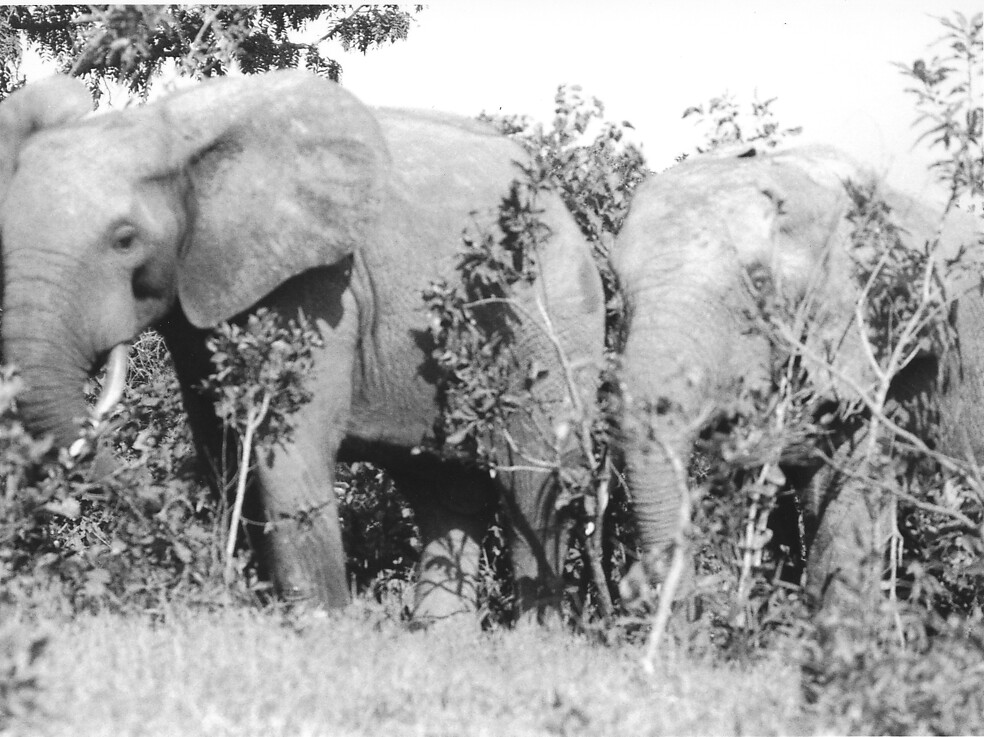
The dawn air over the Konkori Escarpment carries a faint scent of dry grass and red dust. Below the cliff, the morning mist slowly lifts off the lower watering hole, revealing three grey silhouettes quietly wading through the reeds.
Wild African savanna elephants. In Ghana.
For most travelers planning a trip to West Africa, the idea of walking alongside wild elephants sounds improbable. Yet here in the Guinea savanna of the Savannah Region, Mole National Park protects nearly five thousand square kilometers of pristine woodland where wildlife roams free.
It is raw. It is remarkably quiet.
Is a Safari in Ghana Really a Thing?
Let us be entirely honest: calling a visit to Mole a classic African safari is an oversell. Commercial tour agencies love using the word to justify four-figure package prices, but West Africa is not East or Southern Africa.
You will not see prides of lions hunting across endless plains. You will not encounter rhinos, cheetahs, or millions of migrating wildebeest from the roof of an open Land Cruiser.
What Mole actually offers is something different: quiet savanna intimacy.
Instead of crowding around a single predator with a dozen other diesel vehicles, you step directly onto the red earth with an armed ranger. You walk through the bush on your own two feet, track fresh footprints through the acacia scrub, and stop twenty-five meters from a feeding bull elephant.
If you come expecting the Serengeti, you will leave confused. If you come for an intimate, grounded encounter with wild elephants in West Africa, the journey north is unforgettable.
What It Actually Costs at the Gate
Search online for trips to Mole National Park and you will encounter commercial tour packages charging between $700 and $1,500 per person. These agencies package transport, basic motels, and park visits at exorbitant markups.
The actual statutory gate fees set by the Ghana Wildlife Division tell a completely different story.
| Park Tariff Item | Non-Resident Tariff | Ghanaian Resident | Duration / Details |
|---|---|---|---|
| Park Entry Fee | GH₵ 150–225 ($10–$15) | GH₵ 20–50 ($1.50–$3.50) | Per person, valid for 24 hours |
| Guided Walking Tour | GH₵ 100–150 ($7–$10) | GH₵ 40–60 ($3–$4.50) | 2-hour walk with armed ranger |
| Park 4×4 Game Drive | GH₵ 200–300 ($15–$22) | GH₵ 120–180 ($9–$13) | Per vehicle per hour (seats 6) |
| Private Vehicle Guide Fee | GH₵ 50–80 ($4–$6) | GH₵ 30–50 ($2–$4) | Ranger fee for your own 4WD |
An independent traveler spending two nights at the park pays roughly $120 to $160 total for entry fees, two guided morning walks, lodging, and meals. Compare that against a four-figure agency booking.
The math is undeniable.
Before heading north, consult our comprehensive Ghana travel cost and trip budget breakdown to see how park tariffs fit into your broader spending plan.
What Walking with Wild Elephants Is Actually Like
At 6:00 AM, the morning savanna is crisp and cool. You meet your assigned Ghana Wildlife Division ranger outside the park information center, carrying a heavy-calibre .458 bolt-action rifle slung across his shoulder.
The rifle is strictly defensive. In decades of guided foot walking, rangers have rarely fired a shot.
Before stepping into the bush, the ranger briefs the group on fundamental field etiquette. You must walk in single file, wear neutral colors like khaki or muted green, and keep total silence when approaching a herd.
Sudden running is strictly forbidden.
The ranger watches the wind continuously, picking up pinches of dry sand and letting them fall to gauge drift. Elephants have poor eyesight but exceptional senses of smell and hearing; approach them downwind and they will continue feeding undisturbed.
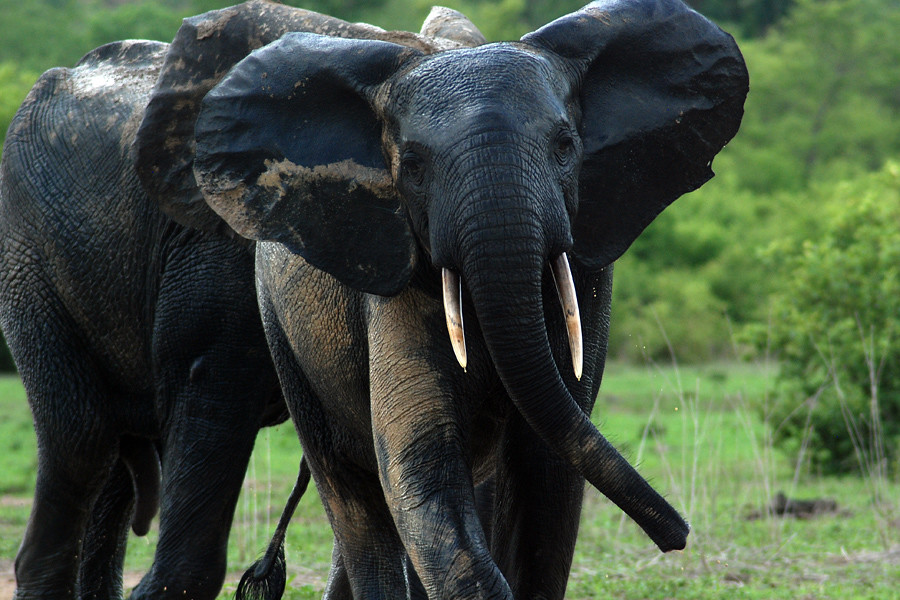
Solitary bull elephants in Mole are habituated to human presence on foot. When you halt twenty-five meters away, watching a five-ton animal strip bark from a shea tree with effortless power, your heart beats in your throat.
Breeding nursery herds with small calves require wider clearance. Rangers keep a fifty-meter perimeter from protective mothers, ensuring the elephants never feel hemmed in.
Always book the early morning 6:00 AM session. By 11:00 AM, savanna temperatures soar toward 40°C, and wildlife retreats deep into dense riverine shade.
Mole Motel or Zaina Lodge: Choosing Where to Sleep on the Escarpment
Staying inside the park boundaries is essential if you want to wake up for dawn wildlife walks. Travelers face a clear choice between two properties perched along the Konkori ridge.
| Feature | Mole Motel (Classic) | Zaina Lodge (Luxury) |
|---|---|---|
| Nightly Rate | GH₵ 450–950 ($35–$70 USD) | $350–$500+ USD (All-Inclusive options) |
| The Setting | Direct cliffside deck over primary waterhole | Elevated ridge overlooking two waterholes |
| Swimming Pool | Unpretentious pool with elephant viewing | Designer infinity pool with submerged loungers |
| Room Standard | Basic chalets, simple AC, dated bathrooms | 24 luxury tented villas with artisan decor |
| Dining Style | Standard Ghanaian staples (jollof, chicken) | Gourmet West African fusion multi-course |
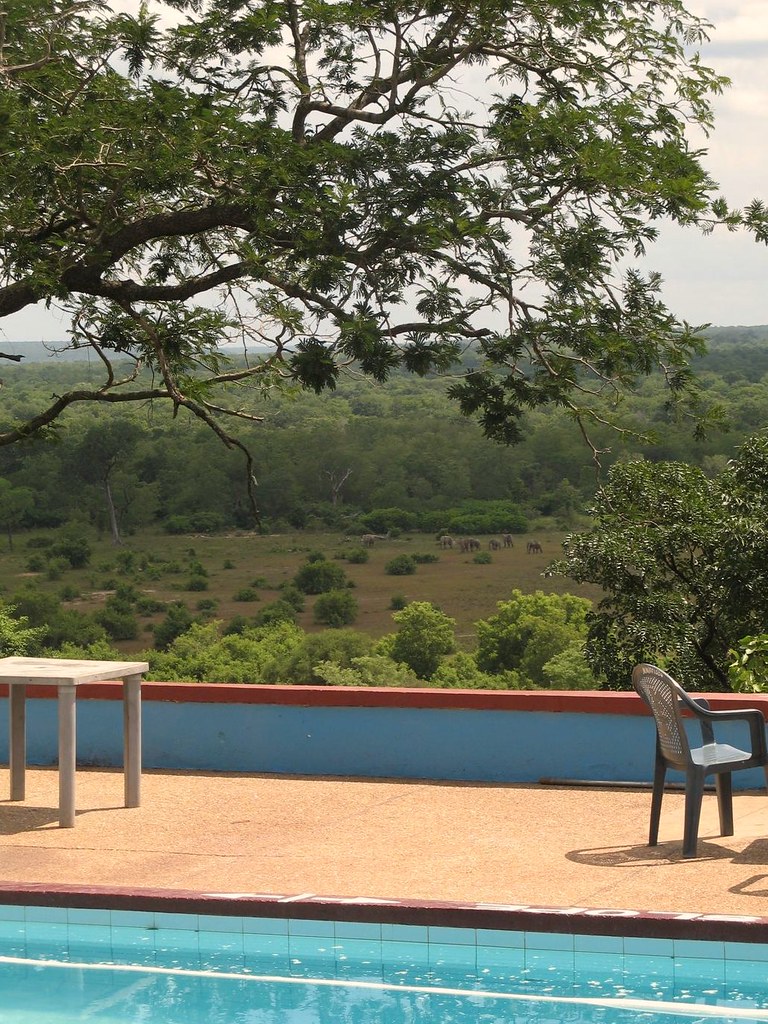
The state-owned Mole Motel is worn around the edges, with occasional water pressure drops and slow restaurant service. Yet its cliffside pool deck offers one of the finest vantage points in West Africa.
Sitting poolside with a cold Club beer while elephants splash in the mud below is unforgettable.
There is one non-negotiable rule at Mole Motel: lock every window and latch your room door whenever you step out. Troops of olive baboons patrol the motel grounds looking for unattended snacks, and they know how to open unlatched sliding windows.
Baboons have zero respect for luggage.
For travelers desiring five-star luxury, Zaina Lodge provides private tented chalets, outdoor showers, dedicated guides, and excellent wine lists. It is the premier eco-luxury property in Northern Ghana.
How to Travel from Accra to Mole on the Paved Highway
Outdated travel blogs frequently describe a grueling 18-hour bus journey followed by a bone-rattling dirt track. Today, transit to Northern Ghana is dramatically smoother.
The smart strategy is booking a 55-minute domestic flight from Accra Kotoka Terminal 2 to Tamale Airport (TML). Both Africa World Airlines (AWA) and Passion Air operate multiple daily flights costing between $90 and $160 one-way.
Taking a flight saves two full days of highway exhaustion.
Once you touch down in Tamale, ignore rumors of terrible dirt tracks. The Fufulso-Sawla corridor through Damongo and Larabanga was fully paved with smooth asphalt years ago.
The 145-kilometer drive takes just two to two and a half hours.
You can charter a private taxi directly from Tamale Airport or central Tamale for GH₵ 600 to GH₵ 900 ($45–$70). Budget travelers can take a shared trotro from Tamale Central Station to Damongo for GH₵ 40, then transfer to a shared taxi toward Larabanga for GH₵ 25.
If you prefer an overland itinerary, consider traveling overland south through the Ashanti Kingdom in Kumasi to break up the journey between Accra and the northern savanna.
Beyond the Park Gates: Larabanga Mud Mosque and Mognori Eco-Village
Just four kilometers outside the park gates sits Larabanga, home to Ghana’s oldest mud-plaster mosque. Founded in 1421, the building stands as a masterpiece of Sudano-Sahelian architecture, with timber buttresses protruding through whitewashed mud walls and ostrich egg finials crowning its roof peaks.
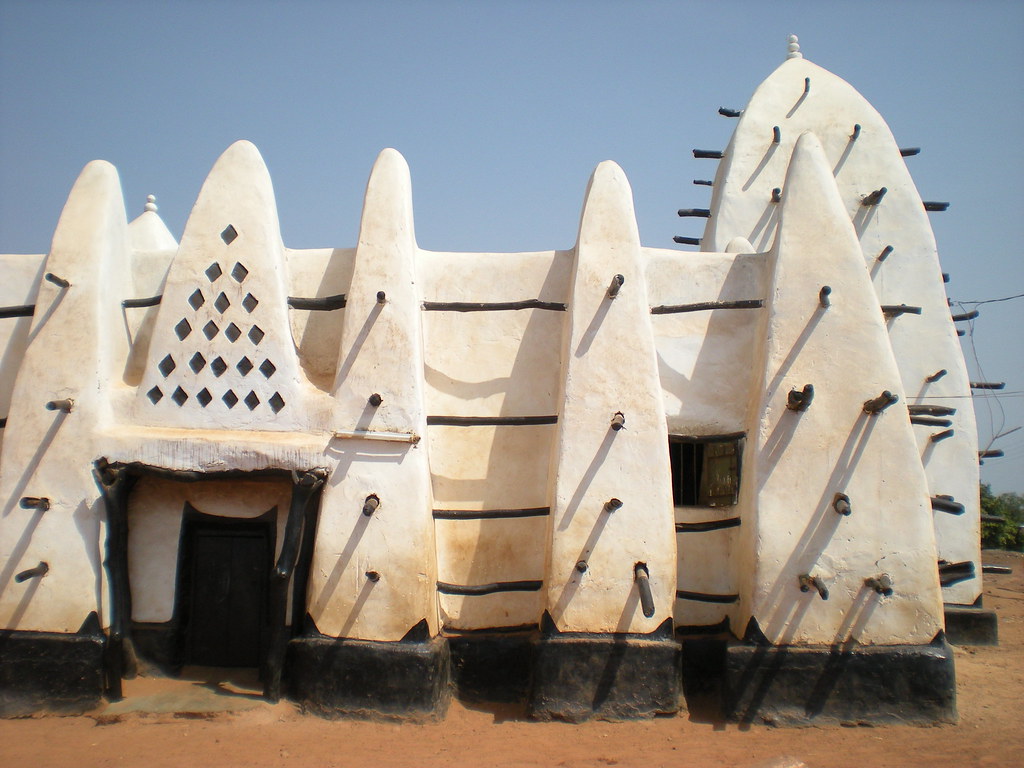
Visiting Larabanga requires a simple negotiation protocol. The village has no formal ticket counter, and visitors are occasionally approached by competing local guides.
Ask for the tourism committee elder and agree on a firm, bundled fee of GH₵ 50 to GH₵ 100 ($4–$7) total. This fee covers the guide explanation, village maintenance fund, and exterior photography.
Non-Muslims are strictly prohibited from entering the interior prayer hall. Dress respectfully with covered knees and shoulders, and photograph the building exclusively from the outside.
Fifteen kilometers east of the park lies Mognori Eco-Village, an authentic community-run project. Here, local fishermen guide peaceful one-hour canoe trips down the Mole River in wooden dugouts for GH₵ 200 per canoe.
You glide beneath lush gallery forest alive with patas monkeys and kingfishers.
Back in the village, the Mognori Women’s Cooperative offers a fascinating hands-on workshop demonstrating traditional shea butter production. Visitors watch women crush, roast, and hand-churn karité nuts into smooth golden butter.
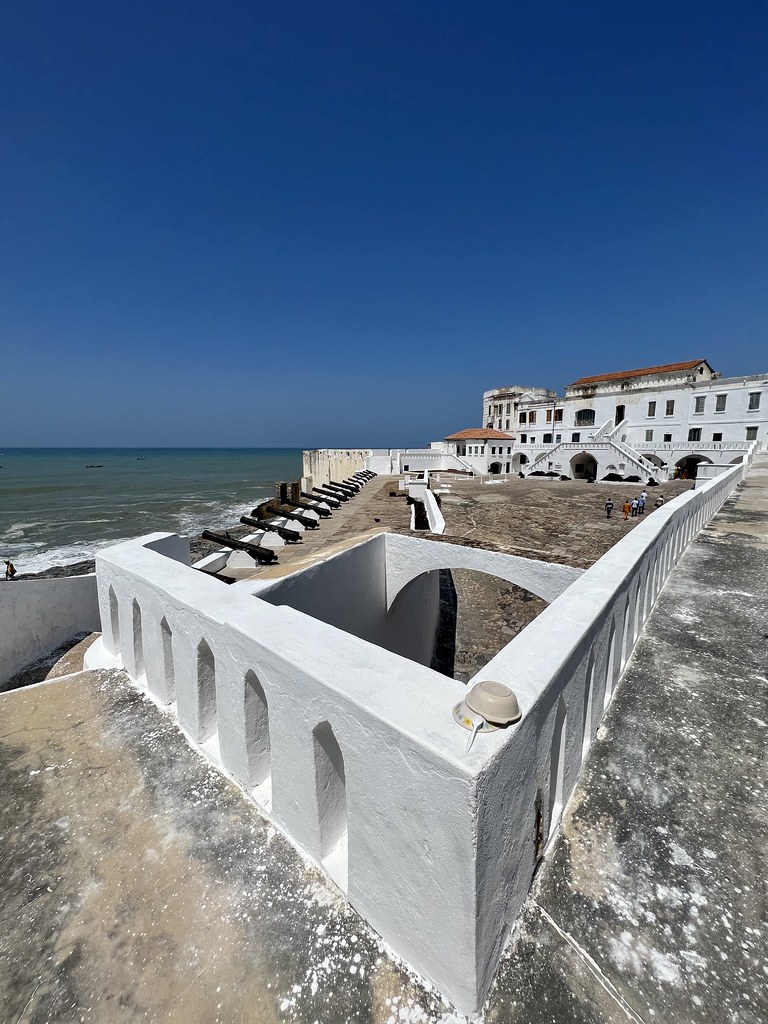
After experiencing Northern Ghana, consider pairing northern elephant tracking with the coastal slave castles of Cape Coast for a powerful itinerary balance between wildlife and heritage.
When to Go: Dry Season Waterholes vs. Green Season Solitude
Wildlife visibility in Mole depends heavily on seasonal rainfall patterns across the Guinea savanna.
| Season | Calendar Window | Wildlife Viewing Reality | Savanna Scenery |
|---|---|---|---|
| Peak Dry Season | December to April | Highest visibility (95%+ encounter rate). Herds gather daily at motel waterholes. | Arid, dusty Harmattan haze, short grass from controlled burns. |
| Early Wet Season | May to June | Good viewing. Occasional showers, cooler weather, animals remain active. | Savanna turns vibrant emerald green, pleasant evening temperatures. |
| Peak Wet Season | July to October | Challenging. Elephants disperse deep into the park; grass reaches 3 meters high. | Lush scenery, swollen rivers, spectacular migratory birdwatching. |
If seeing elephants up close is your top priority, visit between December and April. If you prefer green scenery and world-class birdwatching, the shoulder months of May and June offer wonderful rewards.
Practical Essentials: Cash Realities and Packing for the Savanna
There are zero functional bank ATMs in Mole National Park or Larabanga. The nearest automated teller machines are in Damongo, eighteen kilometers away, and they frequently experience network outages.
Withdraw adequate physical Ghanaian Cedis in Tamale or Accra before heading to the park. While the Wildlife Division gate and Mole Motel accept MTN Mobile Money, rural data signals can drop without warning.
Always review our guide to carrying physical cedi cash alongside mobile money to navigate rural payment realities smoothly.
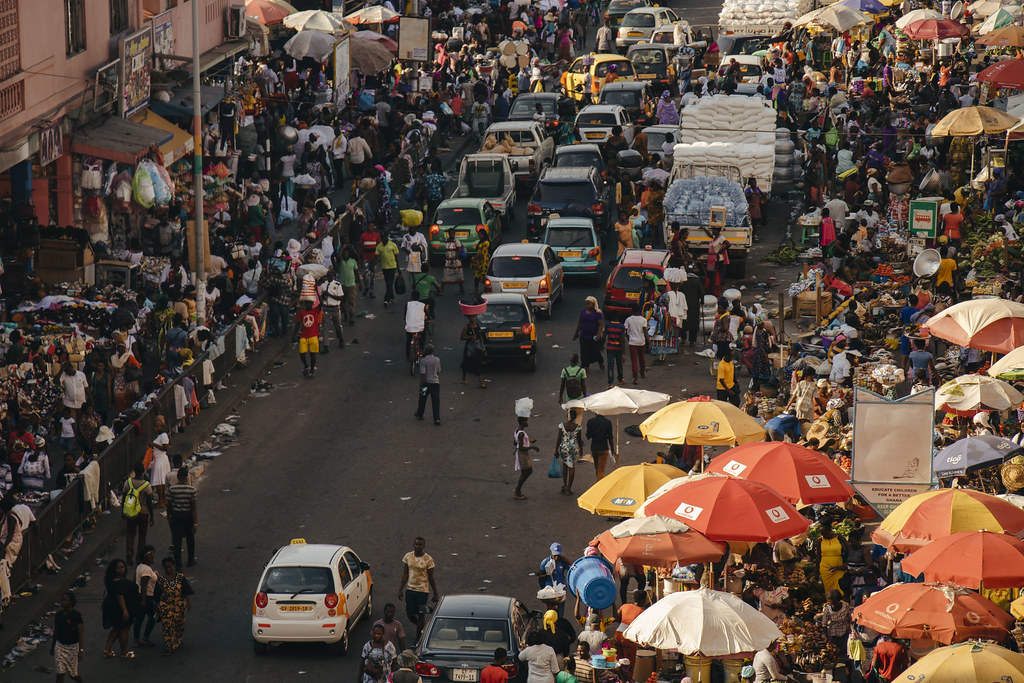
Everyday purchasing power also shifts once you leave the capital. See our analysis of street-level purchasing power across Ghanaian regions to understand local cost benchmarks in Northern Ghana.
Pack sturdy closed-toe walking shoes or boots for uneven red-clay trails. Neutral cotton shirts, wide-brim sun hats, high-SPF sunscreen, and DEET insect repellent will keep you comfortable under the northern sun.
Mole proves that Africa’s great wildlife encounters do not require four-figure budgets. With a pair of walking boots and an independent spirit, walking with wild elephants in Ghana is within reach.