Few places in the world live as vividly in our daydreams as East Africa. If you have spent months reading travel blogs or watching nature documentaries, you probably picture endless golden grasslands, massive herds of wildebeest plunging into rivers, and snow-capped Kilimanjaro rising quietly above grazing elephants.
East Africa really is that dramatic. Between Kenya and Tanzania alone lies the greatest overland wildlife spectacle on our planet.
Yet planning a trip across this immense corner of Africa can feel overwhelming. There are dozens of parks, conflicting advice about the Great Migration, and huge price differences between neighboring countries.
Should you choose Kenya’s Maasai Mara or Tanzania’s Serengeti? When does the migration actually happen? Is Rwanda’s $1,500 gorilla trekking permit truly worth double Uganda’s rate?
The secret is knowing how each piece fits into your journey.
This East Africa safari guide covers everything you need to plan with confidence: the flagship reserves, month-by-month wildlife movements, gorilla trekking trade-offs, and practical ground realities that save you time and money.
East Africa’s Benchmark Wildlife Reserves and Circuits
East Africa’s safari landscape divides naturally into distinct geographic circuits. Understanding these circuits prevents you from spending half your vacation exhausted in transit.
Distances here are vast. Roads can be bumpy and dusty.
Most travelers focus on northern Tanzania or southwestern Kenya. Others combine both or fly west to the Albertine Rift to trek with mountain gorillas in Uganda and Rwanda. If you are deciding which corner of the continent fits your dream trip, our master African Safari Guide compares the major regions side by side.
Maasai Mara National Reserve: Kenya’s Big Cat Capital
The Maasai Mara is compact compared to the Serengeti, but its wildlife density is staggering. If your heart is set on seeing lions, leopards, and cheetahs on open savanna, the Mara rarely disappoints.
Big cats thrive here year-round.
Historic river camps like Governors’ Camp sit directly along the Mara River with solar inverter stations for battery charging. Watching elephants drink while having morning coffee is an unforgettable ritual.
Between July and October, the reserve transforms as more than 1.5 million wildebeest and zebras arrive from Tanzania. The famous river crossings happen along the Mara and Talek rivers during these months.
Keep in mind that the public reserve gets very crowded during peak season. If you prefer uncrowded game drives and night drives, consider staying in one of the adjacent private conservancies like Mara North or Olare Motorogi.
Serengeti National Park: Tanzania’s Endless Plains
The name Serengeti comes from the Maasai word siringet, meaning “the place where the land moves on forever.” Standing on these plains, you quickly understand why.
The scale is simply breathtaking.
Unlike the compact Mara, the Serengeti covers nearly 15,000 square kilometers. The Great Migration spends roughly nine months of the year moving through different sectors of this ecosystem.
Choosing where to stay in the Serengeti depends entirely on the time of year. Booking a camp in the south during the dry season or in the north during the calving season leaves you far from the action.
Ngorongoro Conservation Area: The Volcanic Caldera Sanctuary
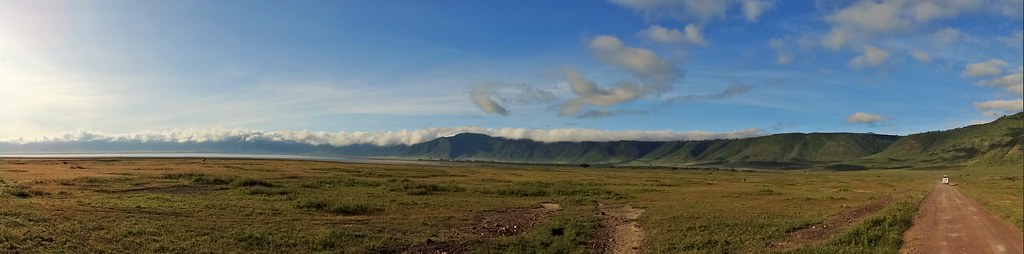
Ngorongoro is unlike any other wildlife destination on Earth. An ancient volcano collapsed millions of years ago, creating an unbroken natural bowl covering 260 square kilometers.
Down on the crater floor, wildlife is everywhere.
You can see black rhinos, pride lions, giant tusker elephants, and flamingos within a single morning drive. Because animals rarely leave the caldera, game viewing remains exceptional throughout the year.
The trade-off is vehicle numbers. Park authorities enforce strict entry fees and crater descent limits to protect this delicate environment.
The Karatu Highland Buffer: Breaking the Northern Circuit Transit
Lodges directly on the rim of Ngorongoro Crater command premium prices and often book out a year in advance. Fortunately, smart travelers have a practical alternative: the highland town of Karatu.
Karatu sits just 15 minutes from the conservation area gate.
Staying at coffee farm lodges in Karatu cuts your accommodation costs nearly in half while offering a lush, quiet retreat between long safari drives. It also breaks the long transit between Lake Manyara, Tarangire, and the Serengeti.
Amboseli National Park: Elephants Beneath Mount Kilimanjaro
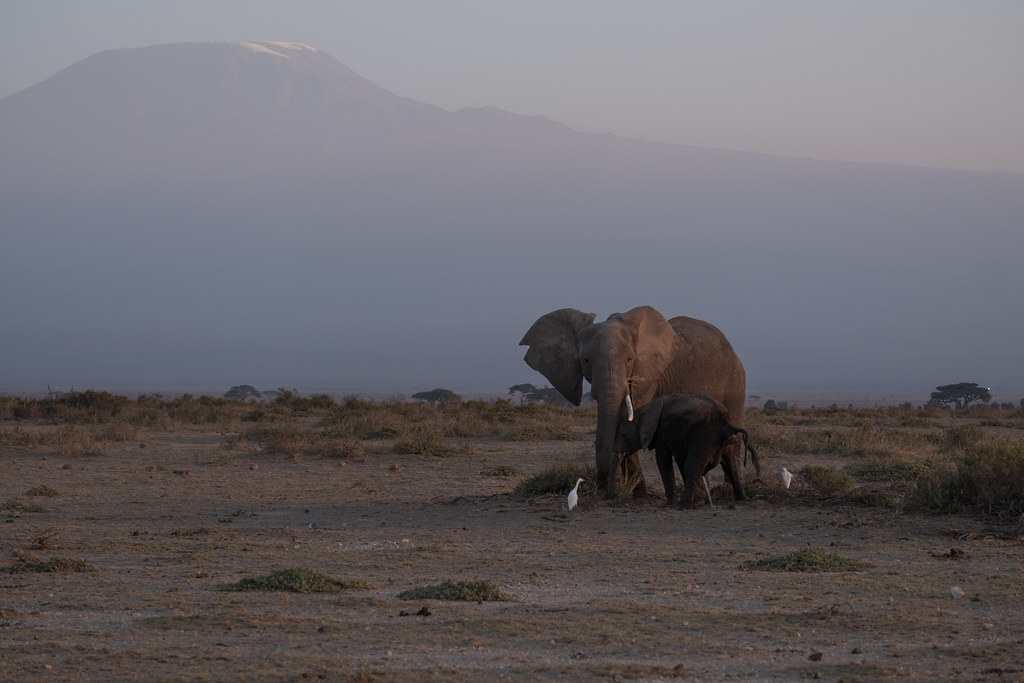
Amboseli is famous for one classic African scene: giant elephant herds marching across dry lakebeds with Mount Kilimanjaro towering in the background.
The views are genuinely unforgettable.
Because Amboseli’s underground springs are fed by melting snows from Kilimanjaro, its marshes stay green and attract wildlife even in the driest months. The park is small and easily explored in two days, making it an ideal companion to Kenya’s Maasai Mara.
Bwindi Impenetrable and Volcanoes: The Albertine Rift Primate Forests
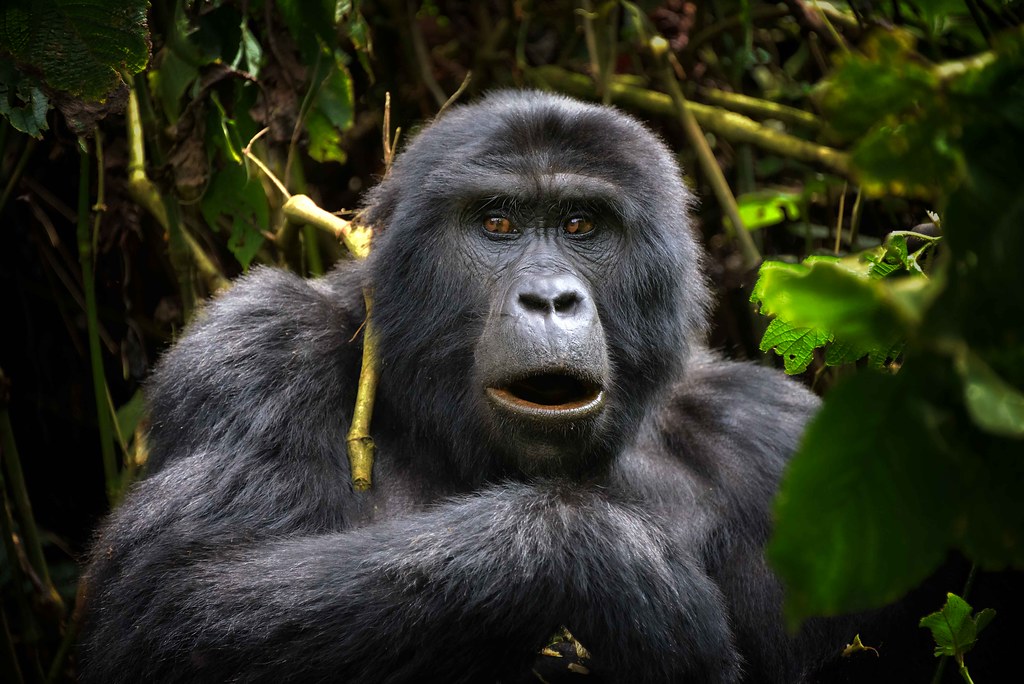
To the west of the savanna lies the Albertine Rift, home to the world’s remaining mountain gorillas. Trekking into these misty rainforests is one of the most moving wildlife encounters on the continent.
Sitting feet away from a silverback gorilla resets your entire perspective on nature. It is quiet, humbling, and utterly unique.
Uganda’s Bwindi Impenetrable National Park and Rwanda’s Volcanoes National Park protect these endangered primates. Combining a savanna safari in Kenya or Tanzania with gorilla trekking in Uganda or Rwanda creates the ultimate East African itinerary.
Head to Head: East Africa’s Benchmark National Parks and Reserves
Every East African park has its own distinct personality, pricing structure, and seasonal rhythms. Here is how the premier destinations compare side by side:
| Destination & Country | Ecosystem Character | Flagship Wildlife | Peak Season Window | Daily Non-Resident Fee | Signature Safari Style |
|---|---|---|---|---|---|
| Maasai Mara (Kenya) | Open rolling savannah, acacia woodlands & Mara River | Big cat prides, cheetahs, Great Migration herds & Nile crocodiles | July to October (River Crossings) | $200 peak (July–Dec) $100 off-peak (Jan–June) | Pop-top 4×4 Land Cruisers & conservancy off-road drives |
| Serengeti (Tanzania) | Vast short-grass plains, river valleys & granite kopjes | Massive wildebeest herds, lions, leopards & spotted hyenas | Jan–March (Calving) July–Oct (River Crossings) | $82.60 per 24 hours (including 18% VAT) | Extended game drives & mobile luxury tented migration camps |
| Ngorongoro Crater (Tanzania) | Intact volcanic caldera, soda lakes & montane forest rim | Critically endangered black rhinos, giant tuskers & flamingos | Year-round (June to September best) | $70.80 per person + $295 vehicle descent fee | 6-hour descent game drive inside unbroken volcanic amphitheater |
| Amboseli (Kenya) | Arid dusty plains, acacia tortilis & spring-fed swamps | Large matriarchal elephant herds against Mount Kilimanjaro | June to October & January to February | $100 per adult per day | Photographic game drives focused on elephants & mountain vistas |
| Bwindi Impenetrable (Uganda) | Steep montane rainforest, mist ridges & bamboo thickets | Mountain gorillas, L’Hoest’s monkeys & Albertine Rift bird species | June to August & December to February | $800 trekking permit (per person per trek) | Guided on-foot forest trekking with armed rangers and trackers |
Month-by-Month Great Migration Tracking Windows
The Great Migration is not a single event. It is a continuous, year-round cycle driven by rainfall and fresh grass.
The animals never stop moving.
Travelers often assume the migration only happens in July and August during the river crossings. In reality, incredible wildlife spectacles take place in every single month across the Serengeti-Mara ecosystem.
January to March: Calving Season on the Southern Plains
In the southern Serengeti and Ndutu plains, the herds gather by the hundreds of thousands. Over a three-week window in February, roughly 8,000 wildebeest calves are born every single day.
Predator action is intense.
Lions, cheetahs, and hyenas shadow the herds across open grasslands, creating some of the most dramatic game viewing of the entire year. The plains are lush, green, and wonderfully open.
April to June: Rutting and River Treks in the Western Corridor
As the southern plains dry out, the herds push northwest toward Lake Victoria and the Grumeti River. This is the breeding rut, where thousands of bulls clash for territory across the central plains.
The Grumeti River presents the first major water obstacle.
Giant Nile crocodiles wait in the river channels, offering dramatic early crossings with far fewer tourist vehicles than the later northern crossings.
July to October: The Mara River Crossings and Northern Plains
By July, the herds reach northern Tanzania and southern Kenya, preparing to cross the turbulent Mara River. This is the dramatic peak season most travelers see on television.
Dust, noise, and raw instinct take over.
Wildebeest plunge down steep riverbanks amidst rushing waters, leaping across boulders while crocodiles wait downstream. The sheer energy of hundreds of thousands of animals on the move is unforgettable.
The Mara River Crossings: What It Takes to Witness the Great Migration
Here is what nature documentaries never show you: witnessing a river crossing requires immense patience.
Animals do not cross on a schedule.
Herds will gather on the riverbank for hours, shifting back and forth, testing the water, and backing away if a single animal gets spooked. You may sit in your safari vehicle in the midday dust for three or four hours waiting for the first brave wildebeest to jump.
Bring extra water, pack your patience, and trust your guide. When the crossing finally begins, every minute of waiting is instantly rewarded.
November to December: The Short Rains and Return Journey
With the arrival of the short rains in late October and November, fresh grass sprouts across the southern Serengeti. Sensing the moisture, the herds turn south once again.
The migration moves quickly through the eastern Serengeti woodlands.
This shoulder season is a fantastic time to travel. Lodge rates drop significantly, crowds thin out, and the savanna transforms into an emerald paradise under dramatic African skies.
Mountain Gorilla Trekking: Uganda vs. Rwanda Logistics
Pairing a savanna safari with mountain gorilla trekking is the trip of a lifetime. But deciding between Uganda and Rwanda can be confusing.
Both countries offer extraordinary encounters.
The wildlife experience itself is identical: both countries strictly limit viewing to one magical hour with a habituated gorilla family in the wild. The real differences come down to budget, travel time, and trail physicality.
Gorilla Trekking Permits: Booking Essentials and Seasonal Demand
The permit price is the primary dividing line between both destinations.
Rwanda prices its gorilla permit at $1,500 per person. Uganda offers its permit at $800 per person.
For a couple, choosing Uganda saves $1,400 on permits alone—money that can fund several days of luxury lodge stays or internal flights. Permits in both countries must be secured months in advance through official wildlife authorities.
Transit Times and Trail Physicality
Rwanda’s biggest advantage is convenience. Volcanoes National Park is an easy two-and-a-half-hour drive along smooth paved roads from Kigali International Airport.
You can land in Kigali, trek the next morning, and fly out that evening.
Uganda’s Bwindi Impenetrable Forest is more remote. Reaching Bwindi by road from Entebbe takes eight to nine hours, though scheduled bush flights to Kihihi or Kisoro airstrips reduce this to just over an hour. Trails in Bwindi are also steeper and muddier, earning the park its “Impenetrable” title.
How Much Does an East African Safari Cost per Day?
A realistic budget for an East African safari ranges from $175 to $300 USD (~KES 22,800 – 39,000 / ~TZS 455,000 – 780,000) for overland camping, $450 to $800 USD (~KES 58,500 – 104,000) for mid-range permanent tented lodges, and $1,200 to $2,500+ USD (~KES 156,000 – 325,000+) for luxury fly-in camps.
Mid-range lodges deliver the sweet spot for most travelers.
They provide comfortable en-suite safari tents, delicious meals, experienced driver-guides, and customized 4×4 vehicles without the ultra-luxury price tag. To compare these expenses against Southern Africa concession rates and see where your money goes, explore our complete African Safari Cost Guide.
What Are the Entry Fees and Transit Rules for Maasai Mara?
Non-resident adult park entry fees for the Maasai Mara National Reserve are $200 USD (~KES 26,000) per person per day during peak season (July to December) and $100 USD (~KES 13,000) per day during off-peak months.
Park tickets operate on strict 12-hour rules for guests staying outside the reserve gates. If you stay inside the reserve or in private conservancies, you pay a single 24-hour conservation fee that includes night drives and walking safaris.
How Does the East Africa Tourist Visa Work Between Countries?
The East Africa Tourist Visa is a unified 90-day multiple-entry permit costing $100. It allows seamless travel across Kenya, Uganda, and Rwanda under a single document.
Apply through the immigration portal of your first port of entry.
Note that Tanzania is not part of the East Africa Tourist Visa agreement. If your itinerary crosses from Kenya into Tanzania, you must purchase a separate Tanzanian tourist visa.
What Must Nigerian Citizens Know Before Traveling to East Africa?
Nigerian travelers need to plan ahead carefully, particularly when crossing borders between Kenya and Tanzania.
Kenya welcomes Nigerian passport holders via its straightforward online Electronic Travel Authorization (eTA), which processes within 72 hours.
Tanzania, however, classifies Nigerian passport holders under its Referral Visa category. Referral visas require manual security vetting in Dar es Salaam and can take 6 to 8 weeks to process. Nigerian travelers combining both countries should secure their Tanzanian visa well before booking non-refundable flights.
A valid Yellow Fever vaccination card is also mandatory for all Nigerian travelers arriving anywhere in East Africa.
What to Know Before You Go: Practical Safari Logistics
Smooth wilderness travel comes down to practical preparation. Here are the core logistical realities that make your East African safari stress-free.
Safari Vehicles: Pop-Top 4×4 Cruisers vs. Bush Flights
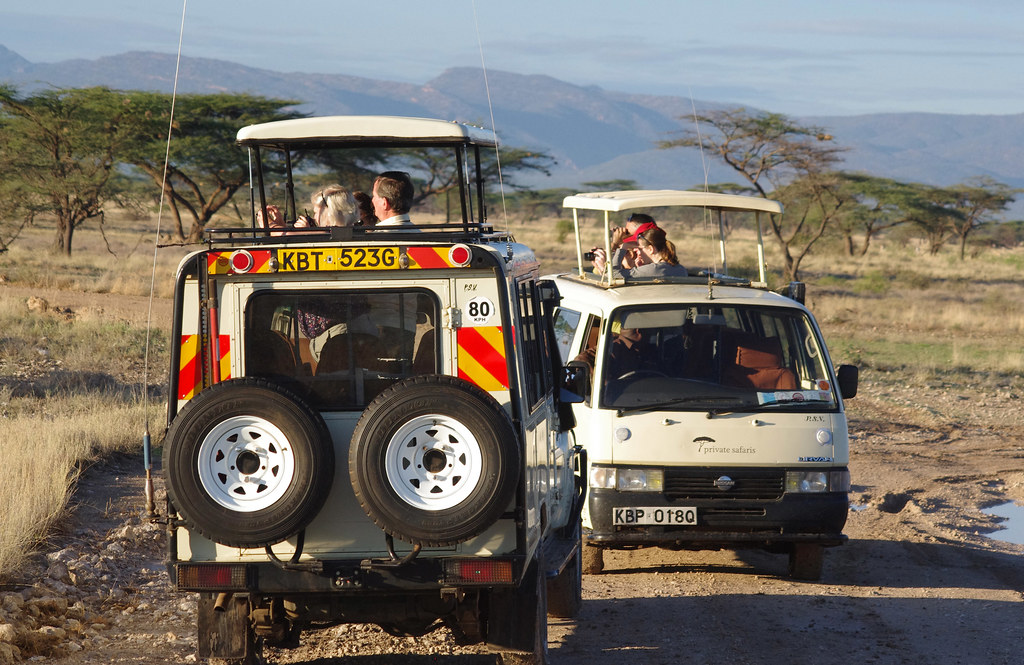
Unlike the open-sided vehicles detailed in our Southern Africa Safari Guide, East Africa relies on rugged 4×4 Land Cruisers with pop-up canvas roofs. This design protects you from highway dust during long drives between parks, then lifts up to give you 360-degree photography views once inside the reserve.
While pop-top vehicles excel at covering vast distances across the Serengeti and Mara, travelers seeking intimate, boots-on-the-ground tracking should weigh vehicle viewing against dedicated foot trails in our guide to walking safaris vs game drives.
Window seats are essential.
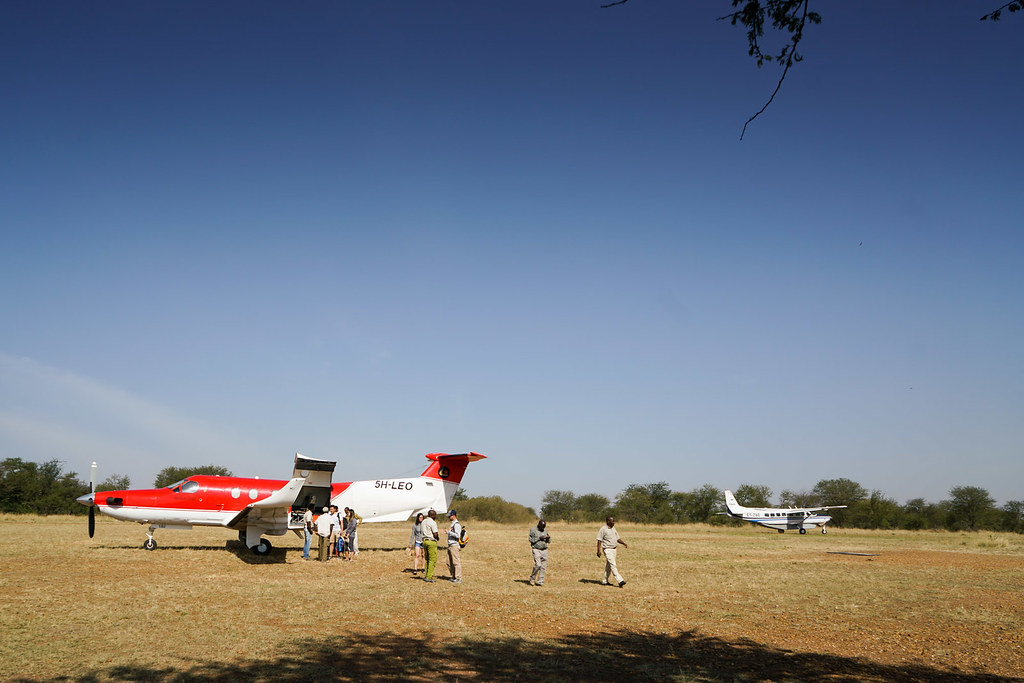
Always confirm that your safari operator guarantees a dedicated window seat for every traveler. If long road journeys across rough tracks do not appeal to you, scheduled bush flights link major airstrips across Kenya and Tanzania in under an hour.
Flying out of Wilson Airport (WIL) in Nairobi directly into Mara Serena (MRE) or Musiara takes just 45 minutes on Safarilink or AirKenya. That bypasses the bumpy six-hour drive from Narok entirely. Fares typically run between $320 and $490 USD (~KES 41,500 – 63,500) per person.
Family Travel Realities: Lodge Age Minimums and Safari Endurance
Safaris are wonderful for families, but long game drives require patience. Children under five often struggle with six hours inside a vehicle on bumpy savanna tracks.
Many lodges enforce minimum age limits of six to twelve years old, particularly in unfenced wilderness areas. Walking safaris and gorilla treks strictly enforce a minimum age of fifteen.
Look for dedicated family-friendly safari lodges that offer shorter private game drives, junior ranger programs, and swimming pools to keep younger travelers engaged.
Bush Plane Luggage Allowances and Soft Duffel Rules
If your itinerary includes light bush aircraft, pack light and pack soft. Operators like Safarilink and Coastal Aviation enforce strict 15 kg baggage limits per passenger, including camera bags.
Hard suitcases simply will not fit into small aircraft cargo pods.
Use a frameless, soft-sided duffel bag that can be compressed. Safari lodges provide fast, affordable laundry service every day, meaning you only need clothes for three to four days in the bush. For a complete packing checklist, duffel dimensions, and savanna color rules, consult our dedicated Safari Packing & Bush Flight Guide.
Savanna Wellness: Essential Health Precautions for East Africa
Consult a travel health clinic four to six weeks before departure. East Africa is a malaria zone, so talk to your doctor about preventive medication like atovaquone-proguanil (Malarone) or doxycycline.
Carry mosquito repellent with 20% to 30% DEET and wear long sleeves and trousers during early morning and evening drives.
Always drink filtered or bottled water, stay hydrated in the savanna heat, and carry comprehensive travel insurance with emergency medical evacuation cover. With basic common-sense precautions, you can relax and immerse yourself completely in the magic of the wild.