There is something exciting about getting ready for an African safari. I bet you have probably spent months thinking about where you will go, which animals you might see and which camps or lodges you want to stay in.
You also would have thought about packing, and you’ve probably realised that an African safari is not quite like packing for an ordinary holiday.
You’re thinking right. For an african safari, you may be moving between camps on tiny bush planes. Your luggage allowance might be considerably smaller than you are used to. The mornings can be surprisingly cold, the afternoons hot, and there may be dust, rain, insects and long days spent outdoors.
What I can tell you is that you’ll probably need much less than you think.
Most safari camps are designed around travellers who arrive with limited luggage. Laundry is often available, evenings are generally casual, and you will spend most of your time in the bush rather than changing outfits.
But the trick is knowing what matters.
This African safari packing guide covers the practical things that can make your trip easier, from bush flight luggage restrictions and what to wear to camera equipment, health essentials and the things that are better left at home. If you are still finalizing which wildlife circuit to visit, our master African Safari Guide compares the major regions before you pack.
African Safari Packing Starts With Your Bush Flight
Before you buy a new safari wardrobe or start filling a suitcase, look at your flight itinerary.
If your safari includes flights between cities and remote camps, your luggage may be travelling on a small aircraft rather than a conventional commercial plane. That changes everything.
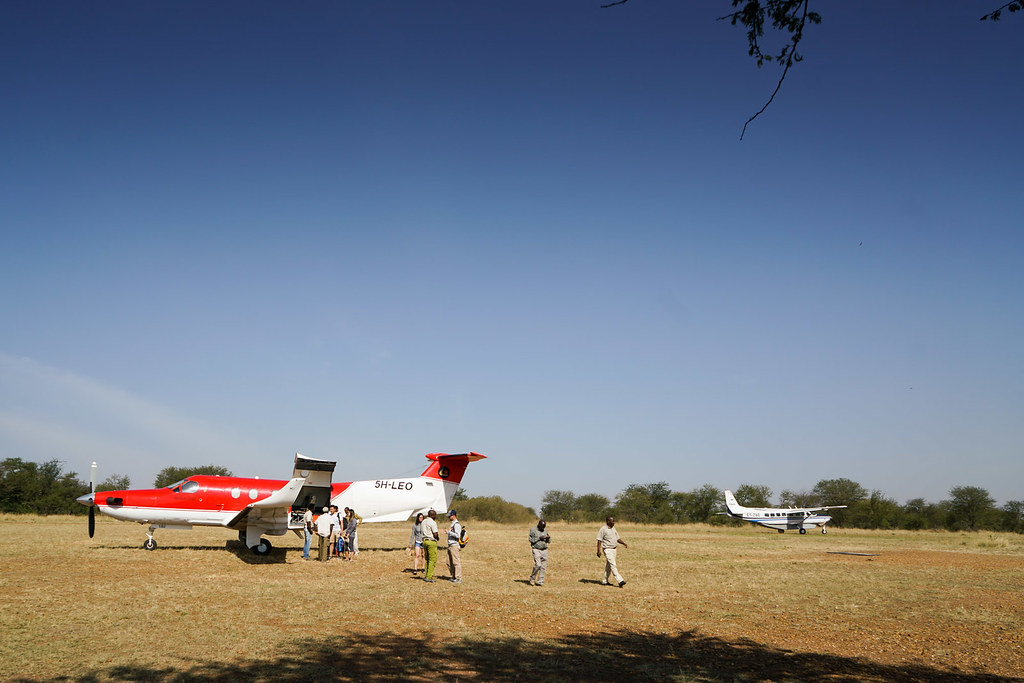
For instance, small bush aircraft have limited luggage compartments, and the available space can be irregularly shaped. Weight also matters because aircraft payload is calculated carefully for each flight.
This is why many safari operators have much stricter baggage allowances than international airlines.
For example, Safarilink’s standard allowance is 15 kg per passenger, including hand baggage and cameras, with some destinations allowing 20 kg. The airline also specifies maximum bag dimensions and recommends soft-sided luggage.
Coastal Aviation similarly allows up to 15 kg per passenger, including hand luggage, with excess baggage subject to aircraft capacity and the pilot’s discretion.
So one of the most important African safari packing tips is simple: Check the baggage allowance for every bush flight on your itinerary before you pack.
Don’t assume that because one airline allows 20 kg, the next one will too.
Why 15 kg Keeps Coming Up
If you are heading out on an East Africa safari across Kenya or Tanzania, you will probably encounter the 15 kg limit more than once.
That doesn’t mean every African safari has a 15 kg allowance. Rules vary by country, operator, aircraft and route. Some routes allow more.
But if your itinerary includes several light-aircraft flights, it is sensible to plan your packing around the strictest allowance rather than discovering at the airstrip that your bag is too heavy.
And remember that the allowance may include your hand luggage.
That camera bag you were planning to carry separately may count towards the total.
What Happens If Your Bag Is Overweight?
This is not quite the same as arriving at a major international airport and simply paying for another checked suitcase.
On a bush flight, extra luggage depends on the available space and aircraft payload.
Safarilink says excess baggage may only be carried if the aircraft has the necessary payload and space, while significant excess baggage may require a freight seat.
Coastal Aviation also makes clear that excess luggage is subject to the aircraft being used and its allowable load, with the final decision resting with the pilot.
In other words, don’t build your African safari packing plan around the assumption that you can simply pay for extra weight.
If you know you will have more luggage, ask your safari operator what options are available before you travel. Extra baggage freight seats can add unexpected expenses to your itinerary; our African Safari Cost Guide details what to budget for internal flights and transfers.
Choose the Right Safari Luggage
This is where the classic safari soft duffel comes into its own.
A soft-sided bag is much easier to fit into the limited luggage compartments of a small aircraft than a rigid suitcase. It can also be compressed when necessary, which makes a surprising difference when space is tight.
Safarilink specifies soft bags for its standard safari baggage allowance, while Coastal Aviation strongly recommends soft bags and publishes cargo-pod dimensions that travellers should consider when choosing luggage (typically 30 cm × 30 cm × 70 cm, or roughly 12 in × 12 in × 28 in).
A good safari bag should be:
- Soft-sided and flexible
- Lightweight
- Strong enough for repeated handling
- Easy to carry
- Large enough for your essentials but not unnecessarily bulky
- Within the dimensions specified by your operator
A frameless barrel-style duffel works particularly well.
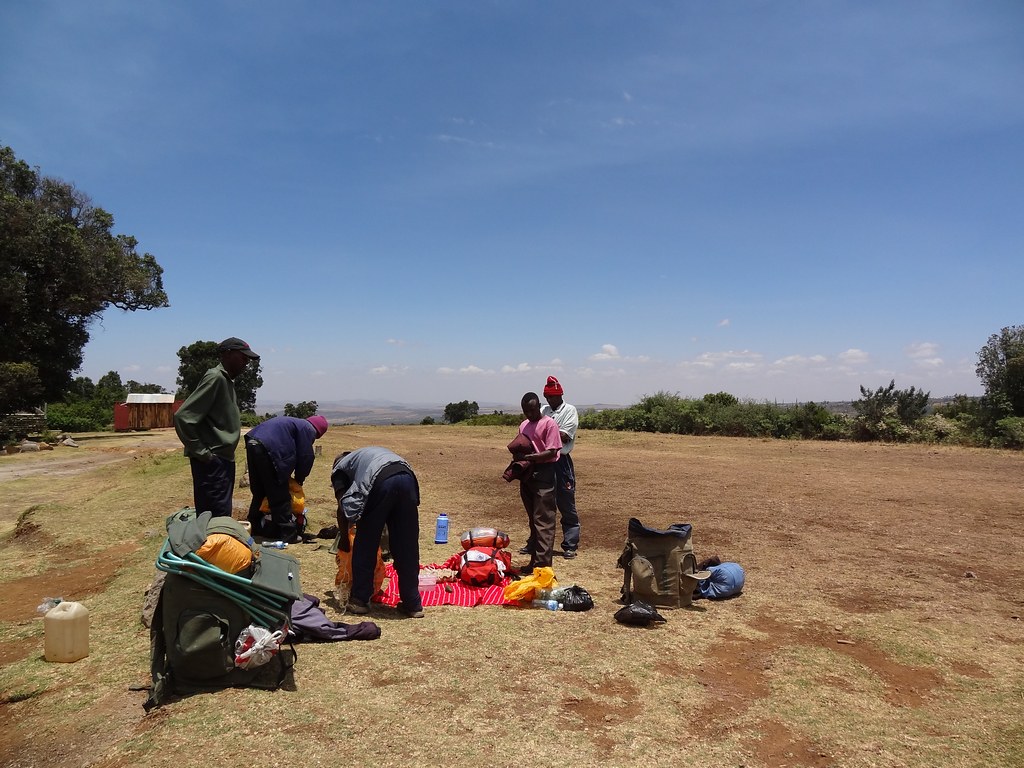
Packing cubes can also be useful, especially if you are moving between several camps. They keep a small bag organised without adding much weight.
And before buying anything, check the exact luggage dimensions required by your flights.
For example, Safarilink lists a maximum dimension of 60 × 45 × 30 cm for its standard baggage allowance.
What About a Wheeled Duffel?
A soft-wheeled duffel may work on some routes, but don’t assume it will.
The issue isn’t simply whether the bag has wheels. It is whether the entire bag can fit through the aircraft’s luggage compartment or cargo pod.
If your itinerary includes several bush flights, a lightweight soft duffel without a rigid frame is usually the safer choice.
Baggage Allowances Across Premier Safari Airlines
Because baggage policies differ across regional operators, planning around the strictest flight on your itinerary prevents costly surprises. Here is how standard allowances compare across benchmark wilderness carriers:
| Aviation Carrier | Primary Operating Region | Total Luggage Limit | Bag Structure Mandate | Excess Baggage Options |
|---|---|---|---|---|
| Safarilink Aviation | Kenya (Maasai Mara, Amboseli, Samburu) | 15 kg (33 lbs) inclusive | 100% soft duffels; zero rigid wheels or frames | Freight seat purchase required for extra 50 kg |
| Coastal Aviation | Tanzania (Serengeti, Ruaha, Selous) | 15 kg (33 lbs) inclusive | Soft-sided bags only; max 25x30x62 cm | Excess charged at $3 to $5 per kilo if space permits |
| Mack Air | Botswana & Zimbabwe (Okavango, Victoria Falls) | 20 kg (44 lbs) inclusive | Soft duffels without external wheels; max 30x30x70 cm | Private freight seat booking required in advance |
| Federal Airlines | South Africa (Kruger Lowveld concessions) | 20 kg checked + 5 kg carry-on | Soft-sided luggage only; barrel duffels preferred | Complimentary luggage storage at OR Tambo lounge |
| Auric Air | Tanzania & Uganda (Bwindi, Serengeti) | 15 kg (33 lbs) inclusive | Strictly soft duffels; soft baseboards permitted | Pre-purchased excess baggage subject to payload |
You May Not Need to Take All Your Luggage Into the Bush
This is one of the most useful pieces of advice for first-time safari travellers.
Your safari might only be part of a much longer African holiday.
Perhaps you are spending a few days in Nairobi before flying to the Maasai Mara. Or you are combining a Tanzania safari with Zanzibar. Maybe your trip includes a beach stay, city break or another destination before or after the safari.
You don’t necessarily need to take everything with you.
Many travellers leave their larger luggage at a hotel or secure storage facility in the gateway city and take only their safari essentials into the bush.
Safarilink, for example, offers secure storage at its Wilson Airport office for excess baggage.
Ask your hotel, safari operator or airline what luggage storage options are available for your particular itinerary.
This can completely change the way you approach African safari packing.
Instead of trying to squeeze your entire holiday wardrobe into a 15 kg bag, you can separate your belongings into the bag that travels with you into the bush and the luggage that waits for you when you return.
That is a much easier way to travel.
What to Pack for an African Safari
Once you understand the luggage restrictions, packing becomes surprisingly straightforward.
You don’t need seven different outfits for seven days.
You need clothing that works.
Safari days tend to revolve around early morning game drives, a warmer middle of the day, another drive in the late afternoon and cooler evenings.
Temperatures can change considerably throughout the day, so layers are more useful than lots of individual outfits. Early morning game drives can be cold, particularly in winter or at higher elevations, even in countries better known for warm weather.
For a week or so in the bush, a practical wardrobe might include:
- 3 to 4 lightweight tops
- 2 pairs of comfortable trousers
- 1 to 2 pairs of shorts
- 1 warm fleece, jacket or lightweight jumper
- 1 lightweight rain jacket
- Underwear and socks
- Comfortable sleepwear
- A swimsuit if your camp or lodge has a pool
- A scarf or light wrap
- A warm hat or beanie for cold mornings if you’re travelling during winter
- Comfortable walking shoes
- Sandals or flip-flops for camp
You don’t need to buy an entirely new safari wardrobe. Comfortable clothes you already own can work perfectly well.
What to Wear on an African Safari
Safari clothing has developed a reputation for being a little theatrical.
You don’t need to look as though you have just stepped out of an old expedition film.
The bush has never cared what you wore. What matters is that your clothes are comfortable, breathable, practical and suitable for the conditions.
Neutral colours are generally the easiest choice. Think khaki, beige, olive, stone, brown and muted grey.
They don’t show dust as quickly as white, and they are less visually conspicuous than bright colours.
What About White?
White isn’t dangerous, but it is not particularly practical.
Dusty roads, red earth and open safari vehicles are not kind to pristine white clothing.
You can certainly bring a white shirt if you love one, but you may find yourself wishing you’d packed something a little more forgiving.
What About Black and Dark Blue?
This is worth knowing if you are travelling in areas where tsetse flies are present.
Dark colours, particularly blue and black, can attract tsetse flies, so safari specialists often recommend avoiding them in affected areas.
That doesn’t mean a dark item of clothing is universally forbidden or that you need to panic if you own a black T-shirt.
It simply makes neutral, lighter colours a more practical choice when you know you will be travelling in tsetse country.
And Camouflage?
Leave it at home. The issue is not wildlife. It is people and local laws.
Military-style clothing and uniforms can be restricted in some African countries. Kenya, for example, has laws covering unauthorised use of military uniforms or clothing that resembles official military dress.
You don’t need camouflage to look the part on safari anyway.
A pair of olive trousers will do the job nicely.
Pack Layers, Not Outfits
One of the biggest mistakes people make when planning what to wear on an African safari is packing for the midday temperature.
Your 1 p.m. weather forecast might say 28°C, but your game drive may begin before sunrise.
Open-sided safari vehicles common on a Southern African safari can feel particularly cold when you are moving through the bush in the early morning.
Then, a few hours later, you may be sitting in the sun wondering why you brought a fleece.
Layers solve the problem. Start with a lightweight base layer, add a fleece or jacket for the morning, then remove layers as the day warms up.
A lightweight scarf can also be surprisingly useful. It can protect your neck from the sun, keep dust off your face and provide an extra layer of warmth when the wind picks up.
Safari Laundry Means You Can Pack Less
This is one of the great secrets of African safari packing.
You don’t need enough clothes for every day of your trip.
Many safari camps offer laundry services, and some include basic laundry as part of the stay.
That means you can rotate a small selection of clothing rather than carrying a different outfit for every morning and evening.
There is also something very liberating about realising that nobody at camp cares whether you’ve worn the same trousers twice.
You are there to see elephants, lions, leopards, wild dogs and landscapes you may have dreamed about for years.
Nobody is keeping score of your outfits.
Pack less. Wash more. Use the luggage space for something that actually matters.
Don’t Forget Sun and Insect Protection
The African sun can be intense, particularly when you are sitting in an open vehicle for several hours.
Your African safari packing list should include:
- High-SPF sunscreen
- Lip balm with SPF
- Sunglasses
- A wide-brimmed hat or cap
- Insect repellent
- Lightweight long-sleeved tops
- Long trousers for evenings and areas with mosquitoes
- After-sun or moisturiser if your skin tends to dry out
A hat that stays securely on your head is better than a beautiful one that disappears the first time the vehicle moves.
And don’t underestimate sunglasses. Dust, wind and strong sunlight can make a long game drive uncomfortable without them.
Safari Shoes: Keep Them Comfortable
You don’t necessarily need heavy hiking boots for a standard vehicle-based safari.
A comfortable pair of trainers or walking shoes is often more useful.
If your itinerary includes a walking safari, gorilla trekking or serious hiking, that’s different. You should follow the footwear recommendations for that particular activity.
For an ordinary game-drive safari, however, you are unlikely to spend the entire day hiking through the bush.
Bring something comfortable, closed-toe and easy to wear.
A lightweight pair of sandals or flip-flops is useful around camp.
Your Safari Camera Gear
For many people, the camera becomes one of the most carefully considered parts of African safari packing.
And understandably so. When a leopard walks out of the grass or a herd of elephants appears in the golden morning light, you will want more than your phone if photography is important to you.
A useful safari photography setup might include:
- Camera body
- Telephoto lens
- Spare battery
- Extra memory cards
- Camera charger
- Lens cloth
- Dust protection
- Binoculars
- A small beanbag for supporting a long lens
A 100–400 mm or 150–600 mm lens can be useful for wildlife photography, depending on your camera system and how you like to shoot.
You don’t necessarily need an enormous collection of lenses.
In a safari vehicle, changing lenses constantly can be inconvenient, and dust is something you want to keep away from your camera sensor.
A beanbag can also be more practical than a tripod. It gives you stable support for a long lens without taking up much space.
Power in the Bush: Keeping Batteries Charged and Dust-Free
Remote camps can have different approaches to electricity.
Some have power throughout the day. Others run generators on a schedule. Some have charging points in rooms or tents, while others provide charging stations in communal areas.
Check with your camp before you travel.
Bring the appropriate travel adapter, chargers and spare batteries for anything you rely on.
A power bank can be useful, particularly when you are away from your room for long periods.
If you use a CPAP machine or another essential medical device, speak to your accommodation provider in advance about power availability and backup arrangements.
And protect your electronics from dust. The bush is beautiful, but it can be dusty.
Your African Safari Health and Safety Essentials
The health side of African safari packing deserves more attention than it often gets.
The exact requirements will depend on where you are travelling, the season and the activities on your itinerary.
Speak to a travel-health professional well before your departure about vaccinations, malaria prevention and any destination-specific health advice.
Don’t simply assume that the medication you took on a previous trip will be appropriate for your next safari.
Malaria Prevention
Some safari destinations are malaria areas.
Depending on where you are travelling, a healthcare professional may recommend malaria prevention medication. You should also reduce your exposure to mosquitoes by using insect repellent, wearing long sleeves and trousers in the evening and following the advice given by your medical provider.
Yellow Fever
Yellow fever requirements vary depending on the countries you are visiting and, importantly, the countries you may be travelling through in transit.
Check the current entry requirements for every country on your itinerary before departure rather than relying on an old vaccination certificate or something you read for a different route.
Your First-Aid Kit
You don’t need to pack a miniature pharmacy.
A small personal kit can include:
- Prescription medication
- Plasters
- Antiseptic
- Pain relief
- Any medication recommended by your doctor
- Antihistamine
- Motion-sickness medication if you are prone to it
- Any personal medication you regularly need
Keep essential medication in your hand luggage rather than in your main checked bag.
Travel Insurance and Medical Evacuation
This is another area where it pays to read the small print.
Travel insurance and medical evacuation are not necessarily the same thing.
Some travel insurance policies include emergency medical evacuation, while others have different limits, exclusions or requirements.
If your safari takes you into remote areas, find out exactly what your policy covers.
Ask:
- Does it cover emergency medical evacuation?
- Is evacuation included in the policy?
- Are remote safari areas covered?
- Are adventure or walking activities covered?
- What happens if you need to be transferred between medical facilities?
- Does the insurer require you to contact them before arranging treatment?
Some safari operators also recommend or arrange specialist evacuation services in the region.
The important thing is not to assume that “I have travel insurance” automatically means every type of emergency is covered.
What Not to Bring on an African Safari
Good African safari packing is as much about what you leave behind as what you take.
You can probably skip:
- Heavy hard-shell suitcases if your bush flights don’t accept them
- Too many shoes
- Formal clothing
- Excessive toiletries
- Multiple jackets
- A different outfit for every day
- Bulky hair tools unless you know you will use them
- Expensive jewellery
- Unnecessary gadgets
- Military-style camouflage clothing
And be careful with plastic bags.
Plastic regulations vary by country, and some destinations have strict environmental rules. Tanzania, for example, bans plastic carrier bags and says air arrivals may be asked to hand them over. The rule does not apply to ziplock bags used for airline security procedures.
Check the regulations for the specific countries you are visiting.
What About Drones?
This is one item you should never simply throw into your bag and assume you can use.
Drone regulations vary between countries, national parks and protected areas. Some locations require permits, while others prohibit recreational drone use.
If you want to bring a drone, check the rules for every country, park and reserve on your itinerary before travelling.
And even where drones are permitted, there may be additional restrictions around wildlife, aircraft and people.
Documents and Money
Your passport is obviously the most important document in your bag, but it isn’t the only one.
Keep easy-to-access copies of:
- Passport
- Visa or entry documents
- Travel insurance
- Flight itinerary
- Safari booking information
- Emergency contacts
- Vaccination certificates where required
- Important medical information
Digital copies stored securely online are useful, but I also like having an offline copy available.
A small amount of local currency or US dollars can also be useful depending on your destination, particularly for tips and small purchases. In Kenya, carrying roughly 500 to 1,000 KES (~$4 to $8 USD) per day in cash handles small gratuities smoothly. In South Africa, 100 to 200 ZAR (~$5 to $11 USD) works well for local trackers and camp porters.
Ask your safari operator what is normally accepted before you arrive.
African Safari Packing List for First-Time Travellers
If you are standing over your open duffel wondering whether you’ve forgotten something, use this as your final check.
LUGGAGE
- Soft-sided duffel
- Small daypack
- Packing cubes
- Luggage tags
- Small laundry bag
CLOTHING
- 3 to 4 lightweight tops
- 2 pairs of trousers
- 1 to 2 pairs of shorts
- Long-sleeved shirt
- Warm fleece or jacket
- Lightweight rain jacket
- Underwear
- Socks
- Sleepwear
- Swimsuit
- Scarf or light wrap
- Warm hat or beanie if travelling during colder months
FOOTWEAR
- Comfortable walking shoes or trainers
- Closed shoes for walking activities
- Sandals or flip-flops
SUN AND INSECT PROTECTION
- Sunscreen
- SPF lip balm
- Sunglasses
- Hat
- Insect repellent
- Lightweight long sleeves
- Long trousers for evenings
HEALTH
- Prescription medication
- Basic first-aid supplies
- Pain relief
- Antihistamine
- Personal medical supplies
- Any malaria medication prescribed for your destination
- Travel insurance information
CAMERA AND ELECTRONICS
- Camera
- Telephoto lens
- Spare batteries
- Memory cards
- Charger
- Travel adaptor
- Power bank
- Binoculars
- Lens cloth
- Dust protection
- Beanbag if you are serious about wildlife photography
DOCUMENTS
- Passport
- Visa or entry documents
- Travel insurance
- Vaccination documentation if required
- Safari itinerary
- Emergency contact information
- Copies of important documents
A Few Things You’ll Be Glad You Packed
Some items don’t make the glamorous safari packing lists, but they can make a surprisingly big difference.
A small torch or headlamp can be useful around camp after dark.
A reusable water bottle is practical for long game drives.
A buff or lightweight scarf can protect your face from dust.
A small daypack gives you somewhere to keep your camera, water, sunscreen, medication and an extra layer during game drives.
And if you are sensitive to cold, don’t dismiss the importance of a warm layer.
That first early-morning drive can be considerably colder than you expect.
The Golden Rule of African Safari Packing
If there is one thing I would remember from this entire guide, it is this:
Pack for the reality of the safari, and not for what you think it’s going to be like or what will make you look pretty.
You don’t need a huge wardrobe, and you don’t need five pairs of shoes.
You don’t need to bring everything you might possibly want for the entire African holiday on the bush plane with you.
You need comfortable clothes that can handle changing temperatures, a practical bag that fits the aircraft requirements, protection from the sun and insects, your essential medication, the right documents and whatever camera gear you genuinely plan to use.
The rest can stay behind at home.
Once you are sitting in a tiny aircraft looking down at the landscape below, watching the roads disappear and the wilderness begin, you will probably be very glad you didn’t bring that extra suitcase.
Because the best African safari packing list is not the one that contains the most.
It is the one that gives you everything you need without getting in the way of the experience.