Southern Africa is a realm of breathtaking contradictions: where ancient, thirsting Kalahari sands collide with emerald Okavango floodwaters, and where skilled trackers perched on the front jump seat of open Land Cruisers read lion pugmarks in the dawn dust like a morning newspaper. Unlike the sweeping, open grasslands of East Africa, Southern Africa offers an intimate, whisper-quiet encounter with the wild that gets deep under your skin.
A quintessential Southern African safari pairs the magical seasonal water labyrinths of Botswana’s Okavango Delta with the legendary off-road predator tracking of South Africa’s Greater Kruger private concessions and the walking frontiers of Zambia. The region stands apart for its supreme exclusivity: fully open-sided 4×4 vehicles, strictly capped guest densities, and the rare freedom to follow big cats off-road through the thorny bushveld after dusk falls.
If you are dreaming of silent dugout canoe journeys past bathing elephants, dinner beneath a galaxy of southern stars, and heart-pounding encounters with leopards at arm’s length, this is your terrain. Here is the veteran guide to understanding how water cycles, private land reserves, and seasonal wildlife migrations come together to create the safari of a lifetime.
This comprehensive regional guide explores Southern Africa’s benchmark wilderness reserves, flood cycles, and conservation models. It delivers practical logistical clarity on costs, seasonal timing, transit routes, and health considerations so you can plan a seamless journey.
The Lay of the Land: Southern Africa’s Core Wilderness Corridors
Southern Africa’s premier wildlife destinations span diverse geological formations shaped by the Kalahari basin, the Zambezi drainage system, and the Great Escarpment. Evaluating each ecosystem’s distinct physical personality ensures a well-paced and balanced journey.
Rather than rushing across distant territories, combining contrasting water-based and land-based habitats provides a far more rewarding wilderness adventure.
Okavango Delta and Moremi: Botswana’s Inland Water Oasis
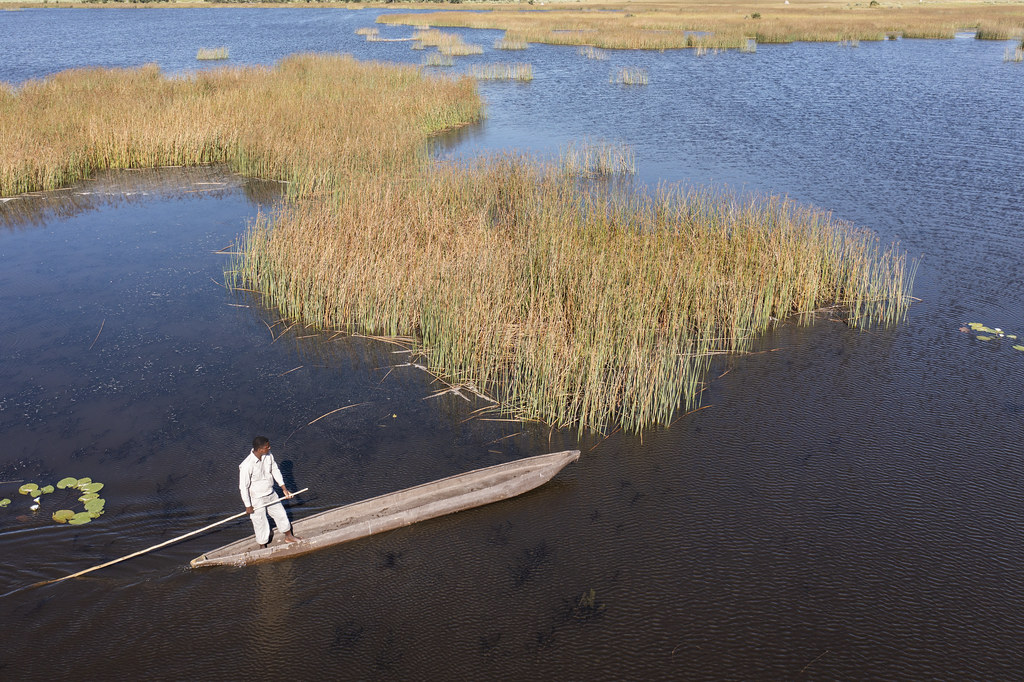
Picture yourself drifting silently down a crystal-clear channel in a traditional wooden mokoro canoe, the only sound the soft dip of the poler’s staff and the rustle of papyrus reeds. Floating past purple waterlilies and tiny painted reed frogs, the air smells of crushed wild watermint and damp peat. Suddenly, the deep, guttural rumbling of an elephant herd feeding in the reeds ahead reverberates through the water, reminding you that this watery paradise is untamed wilderness.
Moremi Game Reserve sits at the beating heart of the Delta, where deep floodplains meet ancient dry mopane woodlands. On dry-land oases like Chief’s Island, predator density reaches astonishing peaks: resident lion prides stalk lechwe across the shallows, while rare African wild dog packs hunt with breathless speed across the open plains.
On dry land reserves like Chiefs Island, predator concentrations reach astonishing densities, with resident lion prides, cheetah coalitions, and endangered African wild dog packs roaming freely across acacia savannahs. Botswana enforces a strict high-value, low-density tourism policy, ensuring that secluded luxury tented camps maintain vast private concessions without tourist overcrowding.
Reaching delta camps typically involves scenic flights in single-engine Cessna Caravans out of the safari hub of Maun. Flying over the glistening waterways reveals elephant paths cutting through dark green reed channels from above.
The Okavango Camp Dilemma: Water Camps vs. Land Camps
The most common planning blunder for first-time visitors to Botswana is booking a wilderness camp without understanding its biome classification. Dedicated water camps sit perched on deep permanent channels, meaning their daily activities are restricted to tranquil boat cruises and traditional mokoro poling.
While water camps offer exquisite aquatic birding and encounters with swimming elephants, they feature no game drive vehicles and zero big cat tracking. Travelers expecting daily lion sightings or off-road cheetah hunts from a pure water camp will leave deeply disappointed.
To experience the full spectrum of Kalahari predator activity alongside serene floodwaters, travelers should book mixed camps or combination land reserves like Chief’s Island and the Khwai Community Concession. These versatile hubs provide year-round 4×4 off-road game drives alongside seasonal canoe excursions across lily-covered lagoons.
Greater Kruger Private Concessions: The Lowveld Big Cat Stronghold
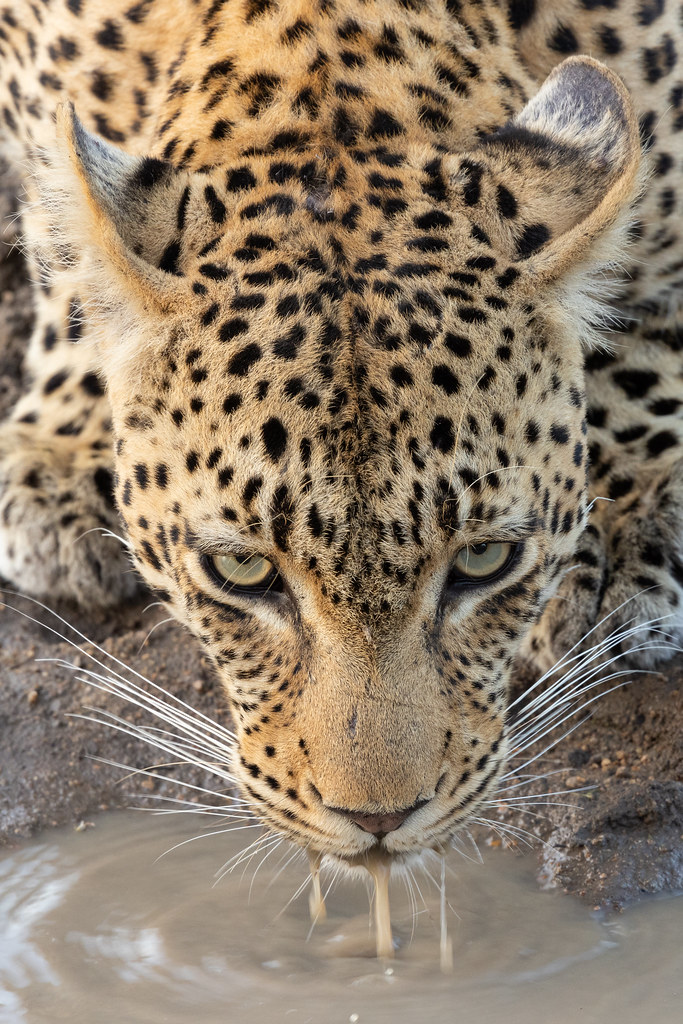
For sheer predator density and intimate big-cat photography, the private reserves sharing unfenced borders with Kruger National Park—most famously Sabi Sands, Timbavati, and Manyeleti—have no equal on earth. Here, generations of leopards have grown accustomed to open safari vehicles, viewing them as neutral parts of the landscape rather than threats.
The true magic happens when your Shangaan tracker spots fresh claw marks on a leadwood trunk. Your guide slips the cruiser into four-wheel drive and follows the tracks off-road through tangled combretum scrub, bringing you right alongside a majestic female leopard resting in the golden late-afternoon light, her amber eyes scanning the brush while her cub plays nearby.
Private concession bylaws strictly limit sightings to a maximum of two or three vehicles at any time, protecting animal welfare and preserving viewing tranquility. Unlike public national parks where visitors must return before sunset, private reserves operate evening spotlight game drives that illuminate active nocturnal hunters.
Luxury lodges in the Lowveld set the global gold standard for bush hospitality, combining fine dining and wine cellars with immersive wildlife immersion. Daily scheduled commercial flights connect Johannesburg’s international hub directly to regional bush runways like Skukuza and Hoedspruit.
Chobe National Park: Dry-Season Elephant Gatherings on the Riverfront
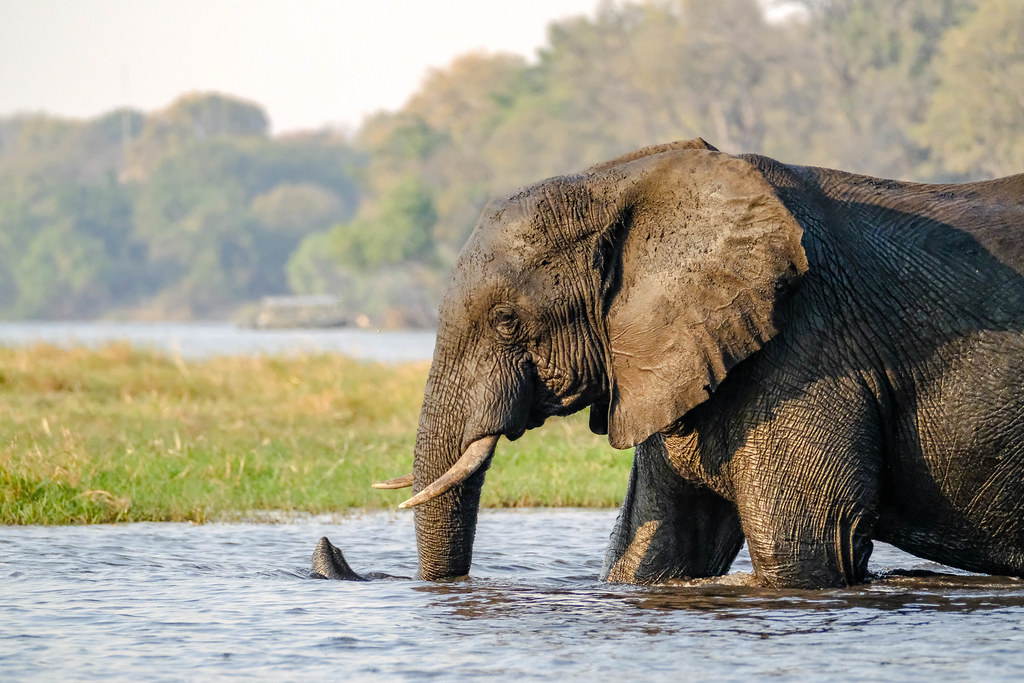
As the dry winter season tightens its grip between July and October, the Chobe River becomes the great life-giver for the world’s largest surviving elephant population. In the heat of late afternoon, massive breeding herds emerge from the dry teak woodlands, marching down red sand tracks toward the riverbanks with joyful anticipation.
Witnessing this spectacle from a flat-bottomed safari boat is unforgettable. Matriarchs plunge into the deep water, calves swim with their trunks raised like miniature snorkels, and hundreds of elephants spray cooling water over their backs against a blazing orange sunset that turns the river into molten gold.
In addition to magnificent elephant herds, the riverfront supports massive Cape buffalo herds, resident lion prides that hunt along the floodplains, and rich birdlife including African fish eagles and carmine bee-eaters. The park’s main northern gateway town of Kasane sits just an hour’s drive from Victoria Falls, making it easy to link river safaris with the world’s largest falling curtain of water.
While water safaris offer calm perspectives, combining river cruises with early morning 4×4 tracking drives inside the park produces a complete photographic safari. Travelers can also observe specialized predator behaviors in our detailed guide on cheetah tracking in Botswana.
Chobe River Safari Dynamics: Why Boat Safaris Beat Land Tracks
Experiencing the dense elephant populations of Chobe National Park requires choosing the right observation platform to avoid vehicle congestion. Morning game drives along the public Serondela riverfront track frequently suffer traffic jams caused by tour minibuses crossing from Victoria Falls.
Boarding a specialized flat-bottom river safari skiff in the late afternoon transforms your game viewing into an intimate, dust-free spectacle. These whisper-quiet rivercraft maneuver safely alongside massive breeding herds of elephants as they swim across the main channel to feed on river islands.
Viewing wildlife at water level provides extraordinary photographic angles unavailable from high vehicle seats, capturing splashing baby calves and podding hippos against golden sunset skies. Prioritizing afternoon water safaris ensures you bypass crowded dirt roads while enjoying Africa’s finest aquatic wildlife theater.
South Luangwa and Lower Zambezi: The Heart of Walking Safaris
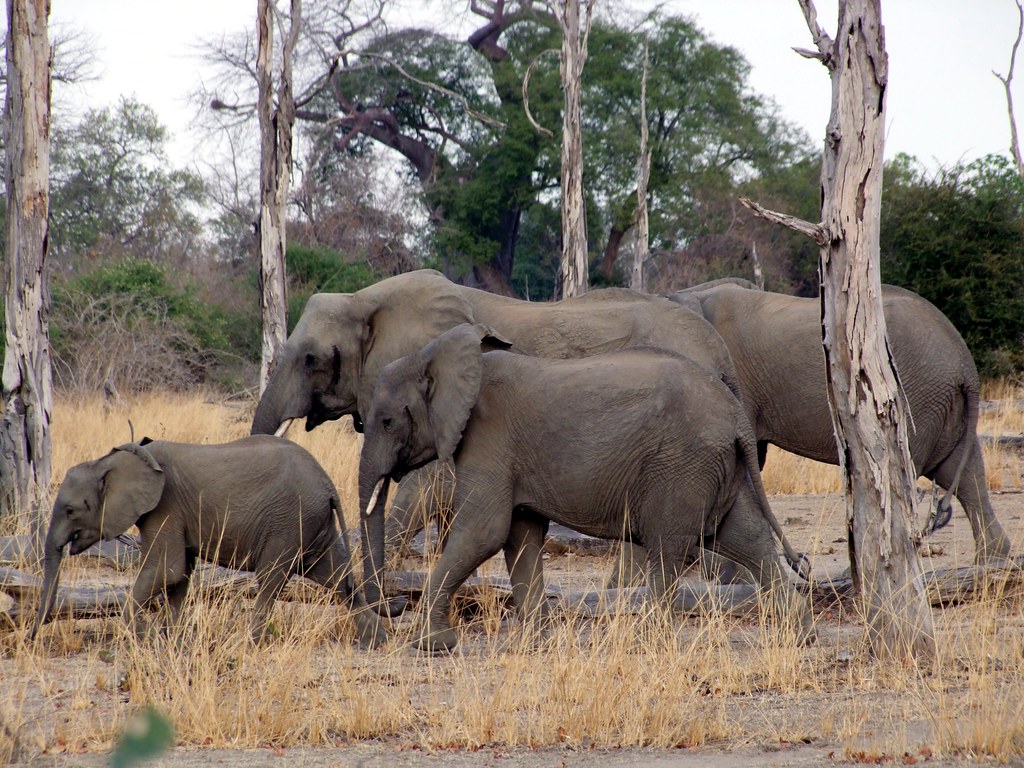
If you crave the raw, adrenaline-fueled romance of the early explorers, Zambia is the promised land. This is the birthplace of the walking safari, where you leave the safety of the vehicle behind to experience the African bush with all five senses on high alert.
Stepping out into the crisp dawn air accompanied by an armed scout and a veteran guide, the crunch of dry grass under your boots sounds impossibly loud. You learn to read the wind, smell the sharp scent of a nearby leopard, and interpret the frantic alarm snorts of puku antelope echoing across the riverbanks. Down on the Lower Zambezi, drifting past pods of snorting hippos in an open canoe delivers a thrilling intimacy that no vehicle can match.
South Luangwa is equally famous for its exceptional leopard population, with night spotlight drives frequently producing multiple sightings of hunting big cats in a single evening. Downstream, Lower Zambezi National Park complements walking with guided canoeing expeditions, drifting quietly past feeding elephants along peaceful river channels.
To understand how foot tracking compares with standard game drives, review our comprehensive analysis of walking safaris versus vehicle game drives.
Etosha and Namib-Naukluft: Namibia’s Desert-Adapted Wilderness
On the southwestern edge of the continent, Namibia presents a dramatic wilderness landscape of stark desert gravel plains, towering red dunes, and shimmering white salt pans. Etosha National Park centers around an enormous 4,800-square-kilometer endorheic salt pan that remains bone-dry for most of the year.
Wildlife viewing in Etosha revolves around perennial natural and man-made waterholes that act as natural stages during the dry season. Sitting quietly beside waterholes like Okaukuejo allows visitors to observe lions, black rhinos, and hundreds of springboks gathering in the open without chasing sightings across the bush.
Further south and west in Damaraland and the Kaokoveld, rare desert-adapted elephants and black rhinos traverse dry riverbeds and steep rocky canyons. These remarkable animals have developed wider footpads and behavioral adaptations that allow them to endure extreme desert heat and travel immense distances between natural springs.
For an in-depth look at how conservationists monitor these rare desert giants, explore our specialized account of tracking desert elephants in Namibia.
Head to Head: Southern Africa’s Benchmark Protected Reserves
Every protected reserve across Southern Africa possesses distinct hydrological conditions, vehicle regulations, and wildlife specialties. Evaluating these key destinations side by side helps travelers match specific parks to their budget, travel style, and seasonal goals.
When weighing regional trade-offs against the Great Migration savannahs of Kenya and Tanzania, consult our foundational pillar on comparing Africa’s core wildlife circuits.
| Destination & Country | Ecosystem Character | Flagship Wildlife | Peak Season Window | Typical Daily Budget | Signature Safari Style |
|---|---|---|---|---|---|
| Okavango Delta (Botswana) | Permanent waterways, papyrus lagoons & palm islands | Lechwe, wild dogs, lions, hippos & sitatungas | June to August (Peak Floodwaters) | $1,200 to $2,500+ (All-inclusive fly-in) | Mokoro canoe poling, motorboats & private island game drives |
| Sabi Sand Reserve (South Africa) | Dense acacia bushveld, riverine woodlands & sand rivers | High-density leopards, big cat prides & Big Five | May to September (Dry Winter Bush) | $800 to $2,000+ (Private concession lodge) | Tiered open 4x4s, off-road tracking & night spotlight drives |
| Chobe Riverfront (Botswana) | Perennial river channels, floodplains & teak woodlands | Massive elephant herds, Cape buffaloes & river raptors | August to October (Late Dry Season) | $450 to $1,100 (Lodge & boat packages) | Water-level boat cruises & riverfront morning game drives |
| South Luangwa (Zambia) | Oxbow lagoons, mopane forests & river floodplains | Leopards, thornicroft giraffes & hippo pods | June to October (Dry River Season) | $600 to $1,400 (Intimate bush camps) | Professional guided walking safaris & night leopard tracking |
| Etosha Pan (Namibia) | Arid chalk-white salt pan & perennial mineral springs | Black rhinos, desert lions, gemsboks & springboks | July to October (Waterhole Congregation) | $200 to $500 (Accessible self-drive) | Sedentary floodlit waterhole viewing & self-drive tracks |
The Hydrological Rhythm: Tracking the Okavango Flood Windows
The greatest mystery of the Okavango Delta is its inverted seasonal clock. While most travelers assume summer rains bring the floods, the opposite is true. In November, torrential tropical rains drench the distant highlands of Angola, over a thousand miles away. For months, this massive pulse of clean water creeps silently across the Kalahari basin, filtering through millions of sand grains and papyrus roots.
By June and July—the peak of the dry winter season when not a single drop of rain falls from Botswana’s deep blue skies—the Angolan floodwaters finally reach the Delta, expanding it into an emerald oasis spanning over 15,000 square kilometers. Wildlife from parched desert regions for hundreds of miles around gathers along the waterways, creating Africa’s greatest concentration of animal life under crystal-clear winter skies.
November to March: Summer Green Season and Local Rains
During the southern hemisphere summer, tropical thunderstorms sweep across the Kalahari basin, prompting green shoots and newborn plains game across open areas. Migrant birds arrive from Eurasia in vibrant plumage, making this period exceptional for birdwatchers and budget-conscious travelers.
However, water levels inside the inner Delta actually drop to their annual lowest point as summer temperatures evaporate shallow channels. Many water-based activities like boat safaris and mokoro excursions temporarily cease at seasonal camps, shifting focus toward standard vehicle game drives.
Heavy rainfall in the distant Angolan highlands begins in November, saturating catchment basins that feed the Cuito and Cubango rivers. These headwaters gradually assemble into a massive surge that flows slowly southeastward across hundreds of kilometers of flat terrain.
April to May: Floodwaters Reach the Panhandle
By April, the slow-moving surge of Angolan water reaches northern Botswana, entering the narrow geological fault known as the Okavango Panhandle. The main river channel deepens, and crystal-clear water spills over natural levées into surrounding papyrus marshes.
During this transitional autumn window, skies clear and daytime temperatures become pleasantly mild with low humidity. Wildlife begins drifting toward newly flooded channels as interior rain pools dry up.
Traveling during April and May offers superb value, as many luxury lodges maintain shoulder-season rates before peak winter surcharges begin. The bush retains its lush greenery, providing vibrant color contrasts for landscape photography.
June to August: Peak Winter Floods and Maximum Game Concentration
By June, the floodwaters reach the central Delta and the outskirts of Maun, expanding the aquatic wilderness across thousands of square kilometers. Paradoxically, this peak flood coincides with Southern Africa’s driest, coolest winter months when virtually no local rain falls.
As the surrounding Kalahari sands desiccate into dust, animals from across the region gather in massive numbers along the Delta’s permanent fringes. Lion prides navigate shallow waterways to hunt buffaloes, and herds of zebras and antelopes crowd onto high-ground islands.
This is the quintessential season for authentic water-based safaris in traditional mokoro dugout canoes and motorboats. Daytime temperatures hover around 25 degrees Celsius, while crisp night skies offer spectacular stargazing.
Private Concession Freedom vs. Public National Park Realities
One of the most consequential decisions when planning a Southern African safari is choosing between public national parks and private game reserves. Both models protect pristine biodiversity, but they operate under vastly different guest rules and safari freedoms.
Understanding these practical distinctions helps you match your wilderness expectations with the right accommodation model.
The Advantages of Private Concessions in Greater Kruger
Private nature reserves sharing unfenced boundaries with Kruger National Park offer extraordinary flexibility that transforms the quality of big cat sightings. Because land is privately owned or leased, reserve managers establish strict vehicle guidelines designed around low-impact tourism.
Guides are permitted to drive off-road through thorny scrub when tracking flagship sightings like leopards, lions, or wild dogs. This allows photographers to position their vehicles for clean, unobstructed angles that are impossible from fixed paved roads.
Private reserves enforce a strict radio dispatch system that caps attendance at any sighting to two or three vehicles at a time. If an active hunt unfolds, vehicles take turns observing quietly without creating noisy traffic jams.
Additionally, evening game drives seamlessly transition into night safaris using specialized filtered spotlights. Watching a female leopard stalk impalas through the darkness reveals behavioral worlds that remain inaccessible under daytime public park rules.
Public National Park Logistics and Self-Drive Freedom
In contrast, state-run reserves like public Kruger National Park operate under strict statutory conservation regulations managed by South African National Parks. All private and commercial vehicles must stay strictly on designated paved and gravel roads, with off-road driving strictly prohibited.
Public park gates open at sunrise and close promptly at sunset, requiring all daytime visitors and self-drivers to be inside fenced rest camps by dusk. While public parks can experience crowding around road-side predator sightings, they offer world-class accessibility for independent self-drive travelers.
Well-maintained road infrastructure, reliable signage, fuel stations, and comfortable self-catering chalets allow families and budget travelers to explore world-class wilderness independently. For those combining South African wildlife with coastal landscapes, city safety, or garden routes, transit logistics are remarkably simple.
How Much Does a Southern African Safari Cost per Day?
A Southern African safari typically costs between $200 and $350 per day for self-drive camping, $600 to $1,100 per day for mid-range private concession lodges, and $1,500 to $3,000+ per day for luxury all-inclusive fly-in camps in Botswana and Sabi Sand.
For an itemized analysis of how high-end concession pricing compares against East African overland models, explore our detailed African safari cost breakdown guide.
Budget self-drive itineraries in South Africa and Namibia provide the most cost-effective wildlife viewing, covering rental 4×4 vehicles, park entrance fees, and state-run rest camp chalets. These routes offer superb independence but require self-catering and personal route navigation.
Mid-range lodge packages provide comfortable en-suite safari chalets, all meals, local wine, and twice-daily guided game drives in open 4×4 cruisers. These lodges offer outstanding value in reserves like Timbavati, Manyeleti, and private conservancies bordering Etosha.
Ultra-luxury fly-in safaris in the Okavango Delta, Sabi Sand, and Lower Zambezi represent the pinnacle of exclusivity, featuring private light aircraft transfers, private trackers, and all-inclusive vintage tented suites. In addition to accommodation, travelers should budget for tipping ($20–$30 per day for rangers and trackers) and regional transit flights.
How Do Greater Kruger Private Reserves Differ from Public Kruger?
Greater Kruger private nature reserves share completely unfenced boundaries with Kruger National Park but operate under distinct private bylaws. Private reserves permit off-road tracking for the Big Five, conduct night spotlight drives, and strictly limit sightings to two or three vehicles, unlike public roads which enforce strict paved-road rules.
The ability to follow an elusive predator off-road transforms ordinary wildlife viewing into an exhilarating tracking journey through the bush. Professional trackers read subtle environmental signs to position the vehicle safely near wildlife without stressing the animals.
In public Kruger, visitors must remain inside closed vehicles and stay strictly on designated tar and gravel road networks. When high-profile animals appear near the road, dozens of self-drive vehicles can accumulate, creating crowded viewing conditions.
For travelers seeking guaranteed low vehicle density and intimate big cat photography, booking a private concession lodge delivers an incomparable wilderness experience.
When Does the Okavango Delta Flood and What Is the Best Month to Visit?
The Okavango Delta floodwaters peak between June and August during the dry winter season, arriving months after falling as rain in the distant Angolan highlands. June to September is the best time to visit, offering dry Kalahari weather, minimal mosquitoes, and maximum wildlife concentrations around water channels.
Because virtually no local rain falls across Botswana during winter, the bush thins out dramatically, making wildlife easy to spot against golden grass. Thirsty animals from across the desert converge on the swollen waterways, generating exceptional predator-prey dynamics.
During these peak winter months, mornings and evenings can be quite chilly, with temperatures dropping below 10 degrees Celsius on early morning boat cruises. Midday temperatures remain pleasantly warm around 25 degrees Celsius under clear blue skies.
Booking your safari camps nine to twelve months in advance is critical for the June-to-August peak season, as exclusive delta lodges have limited guest capacities and sell out rapidly according to guidelines published by the Botswana Tourism Organisation.
What Are the Best Malaria-Free Safari Destinations in South Africa?
The best malaria-free safari destinations in South Africa are Madikwe Game Reserve along the Botswana border, Pilanesberg National Park in the North West province, and premier Eastern Cape private reserves including Shamwari, Kwandwe, and Kariega, making them ideal for families with young children and pregnant travelers.
These private reserves sit outside tropical mosquito transmission zones, meaning visitors can enjoy world-class Big Five wildlife tracking without taking daily antimalarial prophylaxis. This eliminates the medical anxiety and side effects associated with medications like Malarone or doxycycline.
Madikwe and the Eastern Cape reserves feature exceptional concentrations of black and white rhinos, cheetahs, and thriving wild dog packs roaming across rugged semi-arid hills and thicket vegetation. Excellent family lodges in these reserves provide dedicated children’s bush tracking programs and specialized family villas.
Connecting an Eastern Cape safari with Cape Town and the picturesque Garden Route creates an easy, road-trip-friendly itinerary that requires zero domestic flights.
What to Know Before You Go: Practical Southern Africa Safari Logistics
Planning a smooth wilderness expedition across Southern Africa requires understanding transit links, vehicle configurations, and regional health measures. Preparing thoughtfully eliminates travel friction and ensures an unforgettable holiday.
From packing the right clothing layers to understanding regional border permits, basic bush preparation ensures your trip runs like clockwork.
Open-Sided 4×4 Cruisers: Navigating Bushveld and Cold Dawn Drives
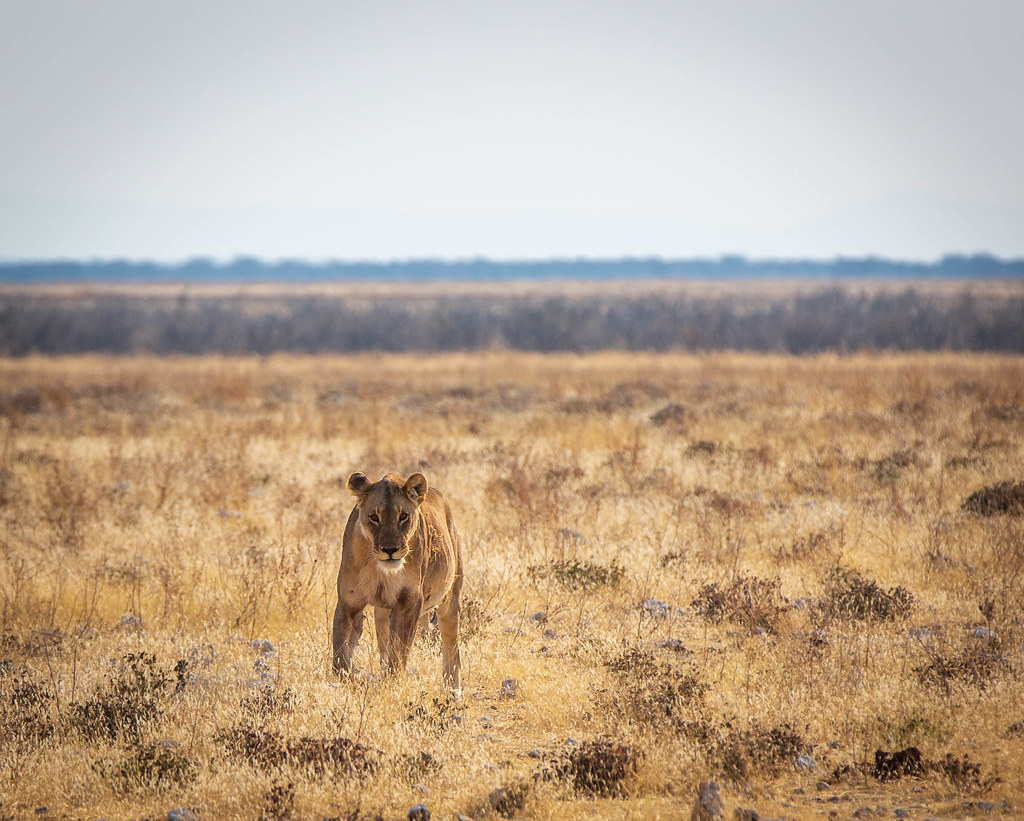
Unlike the closed-sided pop-top vehicles common in East Africa, Southern Africa relies almost exclusively on fully open-sided Toyota Land Cruisers and Land Rovers. These vehicles feature tiered seating rows beneath canvas shade awnings, giving passengers completely unobstructed 360-degree views.
While open vehicles provide peerless photography angles and immersive bush acoustics, they expose passengers directly to the morning elements. During the dry winter months of June, July, and August, dawn game drives encounter freezing wind chills that require warm thermal base layers, fleece jackets, and windbreakers.
Quality safari lodges supply warm fleece-lined ponchos and hot water bottles on morning drives, but packing warm beanies, gloves, and neck buffs is strongly advised. Midday warms up quickly, making breathable layers that peel off easily the ideal packing strategy.
If your journey extends across neighboring regions, you can compare how these open vehicles differ from closed pop-top cruisers in our dedicated East Africa safari circuit guide.
Bush Aviation: Navigating Light Aircraft Transfers and Baggage Limits
Connecting from Johannesburg or Windhoek into remote bush camps relies on light aircraft hops across the Kalahari. Watching the patchwork of emerald delta channels or red desert dunes unfold from the window of a Cessna Caravan as warm savanna air currents lift the wings is an exhilarating overture to your safari.
Connecting from regional hubs into remote bush airstrips requires light aircraft charters, predominantly Cessna 208 Caravans. These bush planes enforce a rigid baggage limit of 15 to 20 kilograms per passenger, which strictly includes all camera bags and hand luggage.
All luggage must be packed in 100% soft-sided duffel bags without hard plastic corners or internal metal wheel frames. Soft duffels squeeze into the compact cargo pods beneath the aircraft fuselage where rigid wheeled suitcases simply will not fit.
Most safari lodges provide complimentary same-day laundry service, allowing you to travel comfortably for two weeks with just three changes of neutral bush clothing.
Terrain Hazards: Kalahari Sugar Sand and the Mababe Depression
Overland adventurers tackling self-drive expeditions across northern Botswana face some of the most unforgiving off-road terrain on the continent. The transit corridor connecting Maun to Kasane via Savuti cuts directly through treacherous sugar sand that bogs heavily laden expedition vehicles.
Driving through deep sand requires immediately deflating tire pressure to approximately 1.2 bar to expand tire footprints across loose tracks. In the rainy summer months, the nearby Mababe Depression transforms into impassable black cotton soil that swallows vehicle axles in thick sticky mud.
Never attempt these remote backcountry transits without dual battery winches, high-lift jacks, sand recovery tracks, and a functioning satellite communicator. Staying with guided mobile convoys or relying on fly-in bush aviation remains the safest strategy for navigating Botswana’s extreme wilderness corridors.
Cross-Border Travel: Visas and Regional Health Essentials
Southern African cross-border travel is exceptionally straightforward thanks to cooperative regional tourism initiatives. Travelers connecting wildlife viewing in Zambia and Zimbabwe around Victoria Falls can purchase the convenient KAZA UniVisa for $50 upon arrival, which permits 30 days of multiple-entry travel between both countries and covers day trips into Botswana.
Botswana provides 90-day visa-free entry for citizens of the United States, United Kingdom, Canada, European Union, and Commonwealth nations, while travelers requiring visas can utilize the official Botswana eVisa portal. Cross-border conservation corridors are supported across multi-country reserves by the Kavango Zambezi Transfrontier Conservation Area.
In malarial zones like the Okavango Delta, Chobe, and Lowveld, preventive antimalarial medication is strongly recommended during the summer green season, along with DEET mosquito repellent. By preparing for the unique seasonal dynamics of this magnificent wilderness, you ensure your Southern African safari delivers profound memories that last a lifetime.