Ghana can be one of the easiest trips in West Africa, but its costs catch almost every first-time traveler off guard.
If you land in Accra expecting Southeast Asian backpacking prices across the board, you will be surprised. If you spend your evenings drinking craft cocktails in Osu and taking private cars everywhere, Accra will drain your wallet faster than London or New York.
Yet two streets away, you can sit on a wooden bench eating steaming waakye, fried plantain, and fish for under four dollars.
The truth is simple.
Ghana is only as expensive as the bubble you choose to travel in.
Independent travelers who mix neighborhood chop bars with comfortable ceiling-fan guesthouses can travel comfortably on $40 to $60 (GH₵ 470 to GH₵ 720) per day. Mid-range travelers enjoying private air-conditioned rooms, ride-hailing apps, and sit-down dinners typically spend $120 to $220 (GH₵ 1,400 to GH₵ 2,600) per day. And if you are arriving for the December festival season (“Detty December”) or booking luxury serviced suites, expect daily expenses to reach $350 to $650+ (GH₵ 4,100 to GH₵ 7,800+) per day once private drivers and VIP nightlife enter the picture.
Before mapping out a single cedi, take time to understand how to handle cash, MoMo, and ATM fees in Ghana. Foreign credit cards frequently fail or incur steep bank surcharges, and informal street vendors operate strictly on cash or Mobile Money.
What You Have to Spend Before You Land
Every Ghana travel budget begins well before arrival at Kotoka International Airport in Accra.
These upfront outlays are non-negotiable.
They represent a significant share of your total trip cost, and they must be factored in before setting foot on the airplane.
| Fixed Expense Category | Estimated Cost (USD) | What You Need to Know |
|---|---|---|
| Ghana Tourist e-Visa | $260 USD | Standard single-entry tourist visa via the official Ghana Immigration Service portal. Do not rely on holiday visa-on-arrival rumors; emergency arrival clearances cost $200+ and require advance pre-boarding paperwork. |
| Yellow Fever Certificate | $0 – $150 USD | Mandatory entry requirement. Physical yellow health cards are checked by Port Health officers before immigration. Ensure vaccination is administered at least 10 days before travel. |
| Peak Flight: Detty December | $1,800 – $2,500+ USD | Direct flights from major hubs (JFK, IAD, LHR) between December 10 and January 10 surge due to global diaspora demand. Booking 4 to 6 months ahead is essential. |
| Low & Shoulder Season Flight | $900 – $1,300 USD | Travel between March and May or September and October offers the lowest transatlantic and European airfare rates. |
| Travel Health Insurance | $50 – $120 USD | Essential coverage for emergency medical treatment and evacuation. |
How Daily Spending Breaks Down on the Ground
Once through customs and out into the Accra warmth, your day-to-day spending divides sharply according to how you move, eat, and sleep.
At central Accra licensed exchange bureaus, $100 USD converts to approximately GH₵ 1,180 to GH₵ 1,220, anchored by the Bank of Ghana baseline rate of GH₵ 11.65. If you want to see how that conversion plays out across street meals, cold coconuts, and market shopping, check our itemized breakdown of what $100 actually buys in local Accra markets and eateries.
Here is what different travel styles look like in practice.
The Budget Traveler ($40 to $60 / GH₵ 470 to GH₵ 720 a Day)
Traveling on a budget in Ghana is entirely realistic, and it often puts you in closer contact with everyday life.
You stay in clean dormitories or ceiling-fan guesthouses like Somewhere Nice in Kokomlemle or Agoo Hostel for GH₵ 250 to GH₵ 320 ($20 to $27) a night. Along the coast in Busua or Kokrobite, rustic beachfront chalets cost roughly GH₵ 180 to GH₵ 250 a night.
Your food comes straight from neighborhood chop bars.
A generous plate of waakye with spaghetti, hard-boiled egg, and fried fish costs GH₵ 30 to GH₵ 45. Roadside red-red (sweet fried plantains with rich black-eyed bean stew) runs GH₵ 25 to GH₵ 35. Chilled fresh coconuts cut open on the street corner add GH₵ 6 to GH₵ 8 each.
For getting around town, you hop on shared minibuses (trotros) along primary urban corridors like Circle, Kaneshie, and Osu for GH₵ 5 to GH₵ 15 per leg.
Trotros require patience.
During evening rush hour, boarding can be hectic and journeys slow. But they keep your daily transport costs under $5. Sightseeing stays inexpensive: self-guided walks through old Jamestown, visits to community art spaces, and an afternoon at Labadi Beach (entry fee GH₵ 20 to GH₵ 30).
The Mid-Range Cultural Traveler ($120 to $220 / GH₵ 1,400 to GH₵ 2,600 a Day)
This is the sweet spot for travelers who want air conditioning, private rooms, and reliable transport without overpaying.
You stay in private en-suite rooms in boutique guesthouses or well-reviewed mid-tier hotels across Osu, Labone, or Dzorwulu for GH₵ 800 to GH₵ 1,400 ($70 to $120) a night. These properties provide dependable Wi-Fi, air conditioning, and crucial backup generators.
Always verify backup power.
Power cuts happen, and working air conditioning makes a massive difference in Accra’s tropical humidity.
Dining mixes authentic Ghanaian restaurants with relaxed continental bistros. Meals at places like Buka Restaurant in Osu, Chez Clarisse, or Vine cost GH₵ 150 to GH₵ 280 for main dishes with sides and chilled drinks.
Instead of hailing shared trotros, you move via Bolt or Uber. Off-peak cross-town rides run GH₵ 40 to GH₵ 75, giving you air-conditioned comfort without haggling fares on the roadside.
Your activity budget covers guided museum visits: the Kwame Nkrumah Memorial Park (GH₵ 120 non-resident fee), the National Museum of Ghana (GH₵ 100 non-resident fee), and live highlife performances at +233 Jazz Club.
The December Festival & Luxury Traveler ($350 to $650+ / GH₵ 4,100 to GH₵ 7,800+ a Day)
If you land between mid-December and early January for the end-of-year diaspora celebrations, Accra turns into a completely different financial environment.
Two-bedroom serviced apartments in Cantonments or Airport Residential surge by 40% to 70%, commanding GH₵ 2,900 to GH₵ 5,300+ ($250 to $450+) a night. Luxury properties like the Kempinski Hotel Gold Coast City or Mövenpick book out months ahead.
Dining centers on reservations at Santoku, Skybar25, or beachfront clubs. Evenings along Oxford Street, Bloom Bar, and Front/Back quickly add GH₵ 900 to GH₵ 2,000+ ($80 to $170+) a day when cocktails run GH₵ 120 to GH₵ 200 each and VIP table minimums apply.
Navigating the holiday rush usually requires a dedicated private vehicle with a driver for GH₵ 1,200 to GH₵ 1,800 ($100 to $150) a day plus fuel.
Holiday traffic in Accra is intense.
A private driver will not magically clear the gridlock, but it ensures you stay comfortable and never find yourself stranded trying to hail an app ride at 2 AM.
If you are deciding between holiday hubs across West Africa, compare air links and festive surges in our Lagos vs. Accra December holiday route guide.
How Prices Drop Once You Leave Accra
Accra carries a noticeable capital premium on accommodation and dining.
Leaving the capital gives your budget immediate breathing room.
Food portions grow larger, lodge rates drop, and the pace of travel relaxes.
Cape Coast and Elmina on the Central Shoreline
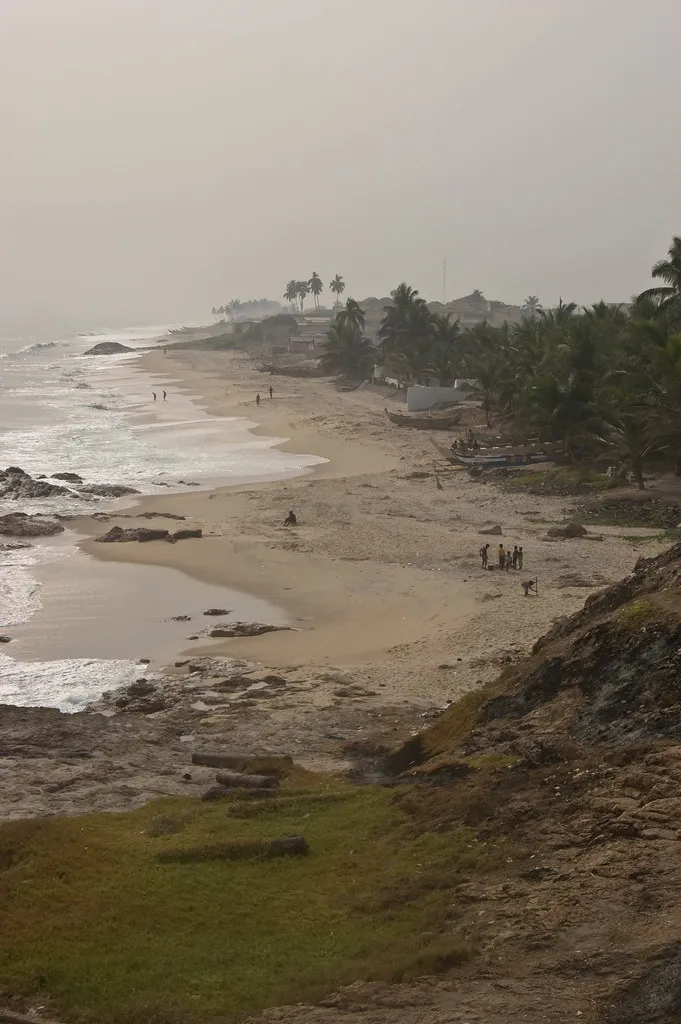
Located three to four hours west of Accra, the historic Central Region coast provides exceptional value.
Beachfront guesthouses and seaside lodges range from $35 to $60 a night. A whole grilled sea bream or cassava fish served with hot banku and freshly ground pepper costs GH₵ 40 to GH₵ 70 at seaside stalls.
Reaching Cape Coast is straightforward: an air-conditioned Intercity STC coach from Accra’s Ring Road West terminal costs GH₵ 70 to GH₵ 85.
Statutory entry fees are fixed: non-resident admission to Cape Coast Castle is GH₵ 80, while crossing the rainforest canopy walkway at Kakum National Park is GH₵ 130. For verified departure schedules and canopy walk guidelines, see our comprehensive Cape Coast travel guide.
Kumasi and the Ashanti Heartland
Kumasi offers roughly a 25% lower cost of living than Accra, and it remains the historical heart of the country.
Comfortable hotel rooms in quiet areas like Ahodwo range from $40 to $75 a night. Rich plates of fufu with goat light soup around Kejetia Market run GH₵ 25 to GH₵ 35.
Modern coach travel between Accra and Kumasi via VIP Jeoun (Circle terminal) or STC costs GH₵ 100 to GH₵ 130 ($8 to $11 USD) each way.
It is the best value overland route in Ghana.
Before heading northwest, consult our in-depth Kumasi travel guide to the Ashanti Kingdom, markets, and traditions to plan your route through Manhyia Palace and the artisan weaving centers of Bonwire.
Mole National Park in the Guinea Savanna
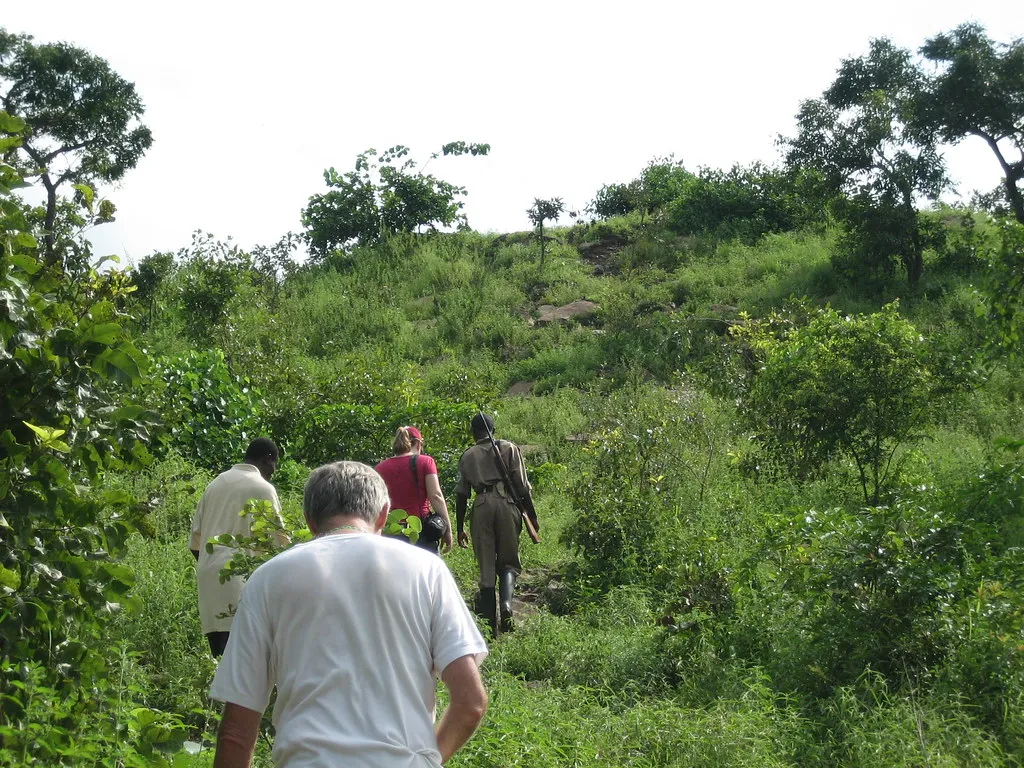
Heading into the northern savanna requires higher transit spending because travel distances are substantial.
A domestic flight from Accra to Tamale via Africa World Airlines (AWA) or Passion Air costs $120 to $180 round-trip. From Tamale airport, chartering a private taxi through Damongo to the park entrance costs GH₵ 400 to GH₵ 600.
Inside the park, accommodation divides between two distinct options.
The long-standing Mole Motel costs $50 to $80 a night and features a cliffside swimming pool overlooking the natural elephant watering hole. At the high end, the eco-luxury Zaina Lodge costs $320 to $450 a night, including guided game drives and chef-prepared meals.
For park entry fees, walking safari costs, and overland transit advice, consult our dedicated guide to walking with wild elephants in Mole National Park.
What a Two-Week Trip to Ghana Actually Costs
To pull these logistics together, here is a realistic 14-day cost projection across each travel style, combining upfront visa and flight costs with on-the-ground spending.
| Budget Component | 14-Day Budget Style | 14-Day Mid-Range Style | 14-Day Luxury / Diaspora Style |
|---|---|---|---|
| Visa & Health Clearance | $260 | $260 | $260 |
| International Flights | $1,050 (Low Season) | $1,250 (Shoulder Season) | $2,200 (Peak December) |
| Lodging (14 Nights) | $350 ($25/night) | $1,120 ($80/night) | $4,200 ($300/night) |
| Food & Dining (14 Days) | $140 ($10/day) | $560 ($40/day) | $1,680 ($120/day) |
| Transit (Urban & Intercity) | $70 (Trotros & STC) | $250 (Bolt & STC) | $1,750 (Private Driver/Flights) |
| Sightseeing & Entry Fees | $60 | $180 | $500 (VIP Access & Safari) |
| Total Estimated Vacation Cost | $1,930 USD | $3,620 USD | $10,590 USD |
Street-Smart Rules to Keep Your Spending in Check
Stretching your travel funds in Ghana does not require cutting corners on safety or comfort. It simply comes down to understanding how local commerce operates.
1. Keep an Eye on Fuel Price Adjustments
Transport pricing across Ghana is tied directly to retail fuel costs monitored by the Chamber of Oil Marketing Companies.
Fuel prices dictate transport fares.
When pump prices increase, trotro unions (GPRTU) adjust their fare charts, and ride-hailing apps raise their per-kilometer rates. Anticipating these shifts prevents surprises when planning longer cross-town or intercity trips.
2. Carry Crisp Blue Hundred-Dollar Notes
As covered in our guide on currency exchange and BDCs in Ghana, forex bureaus discount older, marked, or torn banknotes by 10% to 25%.
Only bring pristine blue hundred-dollar bills.
Flawless post-2013 bills secure the full market rate without awkward deductions at the counter.
3. Always Decline Dynamic Currency Conversion
When paying with a Visa or Mastercard at supermarket terminals, hotel desks, or restaurants, the card reader will often prompt you to charge in your home currency (USD, GBP, or EUR).
Always choose Ghanaian Cedis.
Choosing your home currency triggers an automatic 7% to 12% markup from the local processing bank. Let your home card issuer handle the conversion rate instead.
4. Eat Where the Locals Eat at Midday
Eating every meal in air-conditioned diaspora restaurants will empty your travel wallet within a week.
Make lunch your local meal.
Chop bars save serious money.
Sitting down at a respected neighborhood chop bar for waakye, fried plantain, or fresh banku and tilapia connects you directly to everyday Ghanaian life for a fraction of the cost. Save the upscale dining spots for relaxed evening drinks.