Few journeys evoke the timeless romance of an African safari—waking before dawn to the scent of woodsmoke and damp red earth, watching the sun ignite the vast golden savanna, and listening to the distant, deep-chested roar of a lion vibrating through the morning mist. Yet for almost every traveler, the dream immediately collides with a bewildering practical question: what does it actually cost?
A realistic African safari budget averages $200 to $350 per person per day for participatory overland camping, $500 to $850 per day for classic mid-range tented lodges, and $1,500 to $2,800+ per day for luxury private fly-in concessions. Total out-of-pocket costs depend heavily on park conservation fees, bush flight transfers, vehicle exclusivity, and whether you travel during the peak dry season or the lush green months.
Many first-time travelers struggle to evaluate what a published safari package actually includes. Unexpected expenses like park conservation tariffs, internal airstrip hops, and field tips can alter your overall budget dramatically.
Understanding how safari operators build their pricing lets you stretch your travel budget to the fullest without sacrificing intimate, heart-pounding wildlife encounters. Here is the unvarnished breakdown of what your money actually buys across the premier wildlife ecosystems of East and Southern Africa.
Navigating the Cost Spectrum: Defining the Four Safari Styles
Safari pricing is almost universally quoted per person sharing per night rather than per room. This comprehensive rate typically covers your bush lodging, three daily meals, scheduled game drives, and regional guide services.
To select the ideal journey, you must weigh your physical comfort expectations against wilderness logistics. Experienced safari operators break the journey down into four distinct comfort styles.
The Budget Overland and Public Camping Tier: $150 to $300 Per Day
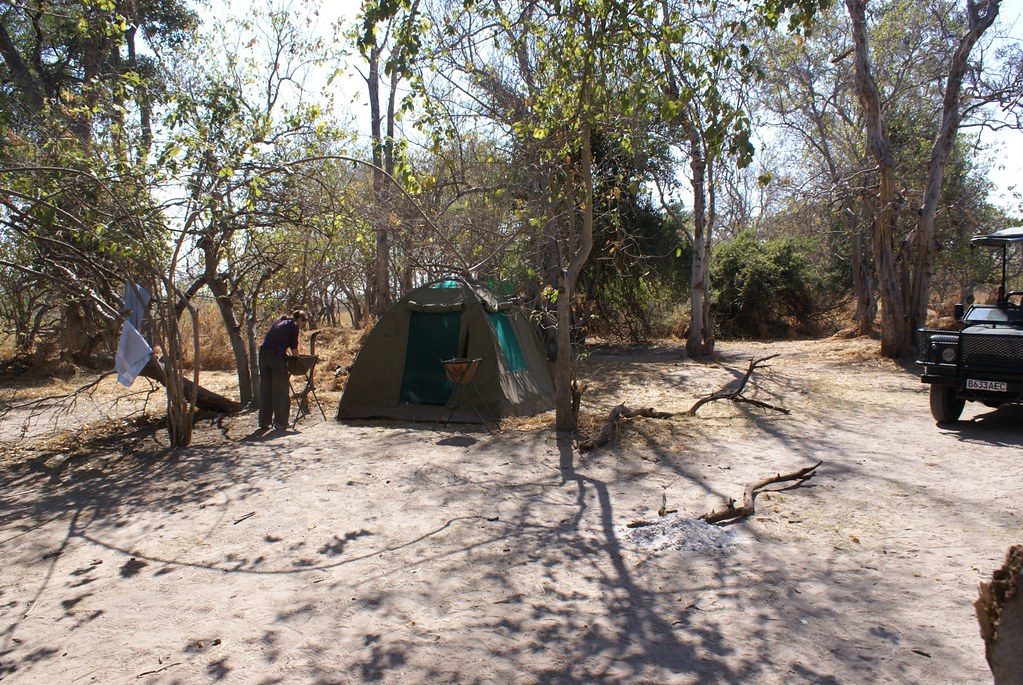
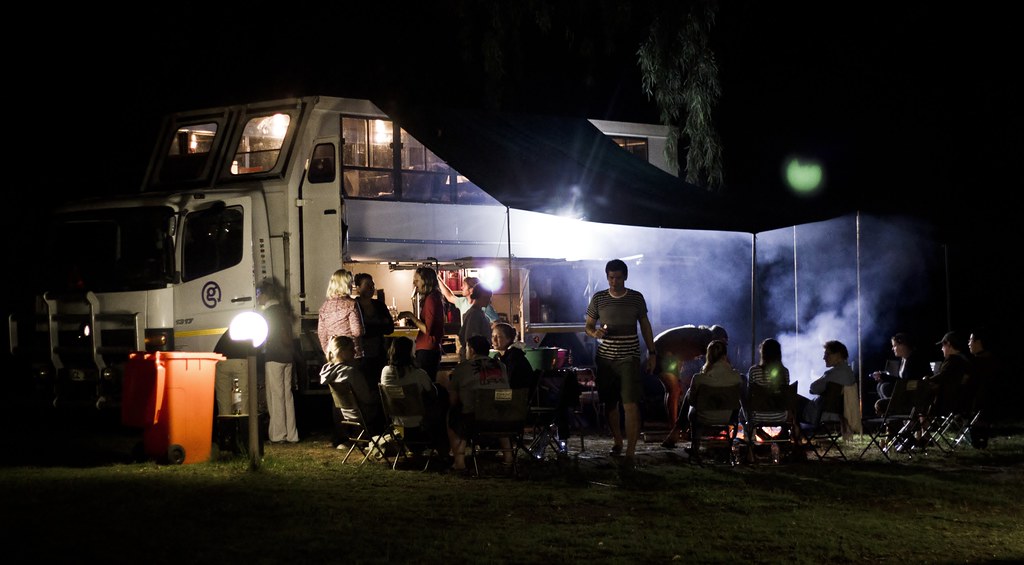
The overland camping journey relies on shared expedition vehicles and public national park campsites. Travelers sleep in heavy-duty canvas dome tents that they pitch and dismantle themselves each morning.
Meals are prepared over campfires by an accompanying expedition cook using fresh ingredients purchased at regional village markets. You share well-maintained campsite wash facilities with fellow travelers and ride in durable expedition vehicles with sliding safari windows.
This overland format enables budget-conscious adventurers to witness legendary wildlife strongholds like the Serengeti or Chobe at minimal expense. However, long highway driving days across dusty corrugated roads demand high physical resilience.
Because these public campsites lack perimeter fences, you experience an authentic wilderness soundtrack of roaring lions and laughing hyenas right outside your canvas walls. Campers must adhere strictly to nighttime safety protocols, keeping flashlights illuminated and food items locked inside vehicles.
The Mid-Range Sweet Spot: Permanent Tented Camps at $450 to $850 Per Day
The mid-range tier represents the most popular choice for couples, photographers, and first-time safari travelers. Guests stay in permanent walk-in canvas tents built atop elevated wooden platforms with private en-suite flush toilets.
Hot running water is supplied via solar heaters or traditional bucket showers filled on request by attentive camp staff. You traverse the savanna inside customized four-wheel-drive vehicles outfitted with open pop-up roof hatches for photography.
Dining features hearty buffet breakfasts and plated three-course dinners served under canvas mess pavilions or open starlit skies. This tier strikes an excellent balance between wilderness intimacy, reliable modern comforts, and experienced local driver-guides.
Mid-range camps often sit directly inside national parks or in community wildlife management areas along park boundaries. This strategic positioning provides rapid morning access to prime predator territories before day-tripper crowds arrive from distant gateway towns.
The Luxury Fly-In Concession Tier: $1,200 to $2,500 Per Day
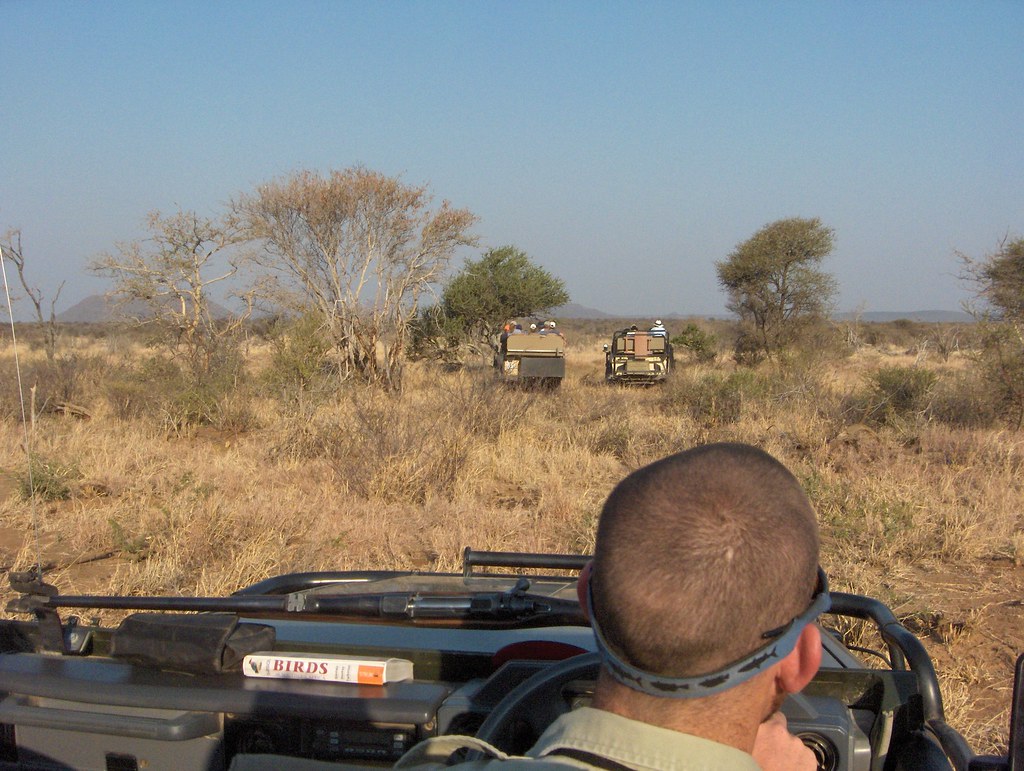
Luxury safaris elevate your wilderness experience through exclusive private concessions that border famous national parks. These private tracts strictly prohibit outside tourist vehicles, keeping wildlife sightings wonderfully private.
Accommodations feature lavish canvas suites with private teak plunge pools, outdoor rainfall showers, and sweeping savanna vistas. Gourmet dining is paired with vintage South African wines, while open-sided cruisers provide unobstructed camera sightlines.
Private concessions permit off-road tracking across open plains and nocturnal spotlight safaris that public national parks strictly prohibit. Light aircraft flights connect these isolated airstrips directly to international hub airports, bypassing exhausting highway journeys.
At this level, you benefit from a dedicated two-person tracking crew consisting of a professional armed ranger and an indigenous tracker seated on the vehicle hood. This dual expertise dramatically improves your odds of locating elusive leopards and tracking cheetah hunts.
Ultra-Luxury Exclusive-Use Villas: $3,500 to $6,000+ Per Night
At the apex of African travel, exclusive-use private safari houses cater to multi-generational families and high-profile parties. These private estates include an executive chef, dedicated hospitality staff, and private safari vehicles.
Guests set their own daily rhythms without coordinating departure times with other travelers. You can choose to depart on early morning game drives or spend leisurely afternoons dining beside river crossings.
Dedicated private aircraft charters transport your group between reserves without commercial luggage weight constraints. This elite tier provides total seclusion, tailored bush spa therapies, and elite private guides.
Private villas in reserves like Singita Grumeti or the Sabi Sand provide private bomas, temperature-controlled wine cellars, and tailored children’s bush-craft academies. Every detail is curated around your personal dietary preferences and photographic goals.
Daily Rate Showdown: Which Safari Style Delivers the Best Value?
Evaluating what each comfort tier provides helps clarify where your travel funds deliver the greatest practical return. Here is how daily services, vehicle layouts, and inclusions compare across the four main categories.
| Safari Tier | Daily Cost Range (USD) | Accommodation Style | Transport & Game Drives | Meal & Drink Plan | Wilderness Access |
|---|---|---|---|---|---|
| Budget Overland | $150 – $300 | Dome ground tents in public camp zones | Large multi-passenger overland truck | Cooked campfire meals; drinks extra | Public national park road tracks |
| Classic Mid-Range | $450 – $850 | Permanent tented camp with en-suite bath | Customized 4×4 cruiser with pop-up roof | Three plated daily meals; local beer/wine | Public national parks and buffer reserves |
| Luxury Fly-In | $1,200 – $2,500 | Spacious tented suite with private deck | Open-sided 4×4 cruiser with dual tracker | All-inclusive gourmet dining & cellar wines | Exclusive private wildlife concessions |
| Ultra-Luxury Villa | $3,500 – $6,000+ | Exclusive-use bush villa with private pool | Dedicated private vehicle and private guide | Private personal chef and custom menu | Private conservancies & tailored airspace |
The Regional Price Divide: East Africa vs. Southern Africa Pricing Dynamics
Beyond baseline comfort tiers, geographic destination choices exert a substantial influence on your overall safari invoice. East Africa and Southern Africa operate under fundamentally distinct conservation models and tourism pricing frameworks.
East Africa—primarily Kenya and Tanzania—relies heavily on vehicle-based overland circuits and high statutory park entry fees. In contrast, Southern Africa—notably Botswana and Zimbabwe—pioneered a low-impact, high-cost tourism model built around remote fly-in concessions.
East Africa Pricing Dynamics: Kenya and Tanzania Circuits
Tanzania and Kenya feature iconic open savannas where large fleets of pop-top Land Cruisers navigate extensive national park road networks. Because operators can drive between parks like Tarangire, Ngorongoro, and the Serengeti, transport costs are spread across multiple itinerary days.
However, East African governments levy some of the highest conservation and vehicle descent fees on the continent. These mandatory daily park tariffs mean that even budget-conscious travelers face considerable fixed daily expenses regardless of lodge choice.
Southern Africa Pricing: Navigating Greater Kruger and the Okavango Delta
Botswana’s premier wildlife sanctuary, the Okavango Delta, is largely roadless and accessible only via light aircraft bush hops. As a result, nightly rates at Botswana tented camps are inherently higher because all fuel, food, and staff must be flown in.
South Africa offers the most versatile financial spectrum on the continent. The public Kruger National Park provides affordable self-drive camping, while adjacent private reserves like the Sabi Sand offer world-class luxury lodges with all-inclusive pricing.
Intent Matchmaker: Choosing the Safari Tier That Matches Your Budget
Selecting your safari tier should depend on your personal tolerance for travel fatigue and your specific wildlife priorities. The following recommendations match distinct traveler profiles to their optimal investment point.
Solo Adventure Seekers: If you are traveling alone and want to avoid steep single room surcharges, join a scheduled small-group overland safari. You will share vehicle expenses, meet like-minded companions, and maintain an affordable daily outlay.
First-Time Couples and Honeymooners: A classic mid-range tented safari delivers the quintessential romantic bush atmosphere without requiring extravagant outlays. You enjoy private en-suite canvas tents, candlelit bush dinners, and productive twice-daily game drives.
Dedicated Wildlife Photographers: Target luxury private concessions that utilize open-sided four-wheel-drive vehicles. These exclusive reserves permit off-road tracking for apex predators and night spotlight drives, which are crucial for dynamic action shots.
Multi-Generational Families: Booking a private safari vehicle or an exclusive-use bush villa prevents logistical friction with other travelers. It also grants your family the flexibility to adjust game drive lengths according to the endurance of younger children.
Uncovering the Hidden Costs Behind Every Safari Quote
A safari quote rarely tells the complete story. Beyond your nightly lodge stay, several essential park conservation fees, remote transfers, and bush customs affect your overall budget.
Failing to account for these line items can result in stressful surprises when settling your invoice or carrying cash into the bush. Thoroughly examining these mandatory charges ensures your travel budget remains entirely accurate.
Conservation Levies: What It Costs to Enter the Serengeti and Crater Floor
Every protected wildlife sanctuary charges statutory conservation fees that fund wildlife protection, anti-poaching units, and road maintenance. In East Africa, foreign adult entry levies represent a substantial daily commitment.
For instance, visiting the renowned Maasai Mara involves fees regulated by the Kenya Wildlife Service and regional county councils that reach $200 per adult per twelve-hour period during peak migration. In Tanzania, statutory conservation fees administered by the Tanzania National Parks Authority require roughly $82.60 per adult daily when accounting for mandatory value-added tax.
If your safari itinerary includes the world-famous Ngorongoro Crater, your tour operator must also pay a separate $295 vehicle descent tariff for every six-hour crater game drive. In Southern Africa, daily conservation tariffs established by South African National Parks are comparatively modest, averaging approximately $30 to $35 per adult per day for Kruger National Park.
Bush Flights vs. Overland Drives: Balancing Budget Against Time in the Wild
Navigating Africa’s vast wilderness regions requires choosing between rugged road driving and scenic light aircraft bush flights. A ground transfer from Arusha to the central Serengeti can consume ten exhausting hours over rough, washboard gravel tracks.
Booking a seat on a scheduled Cessna Grand Caravan shortens that grueling transfer into a relaxed fifty-minute scenic flight above the Great Rift Valley. However, scheduled bush flights typically cost between $350 and $600 per passenger per flight leg.
These flights also enforce strict safari packing and luggage rules that cap baggage at 15 kilograms in soft duffels. For a family of four, internal air transfers can easily add $3,000 or more to an otherwise standard itinerary.
Safari Tipping Etiquette: How to Tip Guides and Camp Staff Without Stress
Bush tipping is a deeply ingrained safari tradition that is almost never included in pre-paid tour packages. Safari guides, trackers, and lodge support staff depend heavily on guest gratuities to supplement their baseline earnings.
For your primary safari driver-guide, the established industry benchmark is $15 to $25 per guest per day. If you reserve a private vehicle for your family group, a flat vehicle tip of $35 to $50 per day is customary and highly appreciated.
General lodge support staff—including kitchen personnel, tent attendants, and night watchmen—are tipped through a communal tip box in the main lounge. Budget $10 to $15 per guest per day for the communal box, plus $5 per activity for specialist boat polers or local walking trackers.
The Cash Rule: Why East Africa Only Accepts Post-2013 US Dollars
Carrying crisp physical cash is essential throughout your safari. Local banks, safari camps, and park gates throughout Kenya, Tanzania, and Zimbabwe strictly reject US dollar bills printed prior to 2013 due to local banking safeguards.
Inspect your cash bills meticulously prior to departure to ensure they are crisp, clean, and free of small tears or ink markings. Carrying an ample supply of clean, small-denomination bills ensures seamless field transactions and prevents awkward payment disputes in remote bush camps.
The All-Inclusive Illusion: What Lodge Rates Truly Cover
Many first-time travelers assume that reserving an all-inclusive safari package means their expenses cease once the booking deposit clears. In reality, the definition of all-inclusive varies considerably between independent lodges and geographic safari circuits.
Most classic lodges include your room, three daily meals, and two shared game drives per day in their base rate. However, premium cellar wines, imported liquors, and laundry services are frequently billed as optional extras at mid-range properties.
Specialized activities such as hot air balloon safaris cost between $550 and $650 per person for a one-hour flight over the herds. Similarly, examining walking safaris versus traditional game drives demonstrates that specialized walking trails often require extra conservation ranger escorts.
If you wish to encounter mountain gorillas in Uganda or Rwanda, permits require separate non-refundable statutory fees of $800 or $1,500 per person. Always request a detailed inclusions and exclusions schedule from your travel outfitter before paying your final booking deposit.
The Green Season Secret: Why Savvy Travelers Choose the Emerald Months
Safari pricing shifts dramatically throughout the year, following the seasonal rains and great wildlife migrations. Timing your journey strategically can reduce your overall accommodation expenditure by forty to fifty percent.
The peak dry season runs from July through October across both East and Southern Africa. During these arid months, wildlife concentrates predictably around drying rivers and permanent waterholes, making animals exceptionally easy to spot.
Lodges charge top-tier seasonal rates during this dry window, and popular national parks experience substantial vehicle congestion. In contrast, the green shoulder season brings brief afternoon showers, emerald landscapes, and abundant newborn animals.
From November through April, luxury lodges drop their rates significantly and frequently waive painful single supplement fees. Exploring our East Africa safari circuit during the green season provides thrilling predator action in the southern Serengeti at substantial cost savings.
Similarly, visiting the Southern Africa safari circuit during shoulder months delivers clear skies and vibrant bird watching without peak lodge surcharges. Evaluating seasonal trade-offs is the most effective way to experience luxury private properties on a mid-range budget.
Taking the Wheel: When a Self-Drive Safari Makes Sense (and When It Doesn’t)
For adventurous travelers seeking ultimate autonomy, renting a fully outfitted four-wheel-drive expedition vehicle provides an intriguing alternative to guided safaris. This self-drive model is especially prominent across Namibia, South Africa, and parts of Botswana.
A fully equipped expedition vehicle—typically a Toyota Hilux or Land Cruiser with dual rooftop tents, water tanks, and refrigeration—costs $130 to $230 per day. When shared between two or four adults, vehicle rental and public camping fees substantially undercut commercial lodge rates.
However, self-driving introduces hidden operational liabilities that travelers frequently underestimate. Remote track recovery equipment, satellite messenger rentals ($10 to $15 daily), and hefty insurance security deposits ($2,000 to $4,000) demand significant upfront capital.
Crucially, navigating deep sugar sand in the Kalahari or treacherous black cotton mud in the Moremi requires expert off-road driving competence. If you lack mechanical self-reliance and vehicle recovery experience, hiring a professional guide remains far safer and more relaxing.
Bush Safety: Why Flying Doctors Medical Evacuation Cover Is Essential
Wilderness expeditions expose travelers to remote environments located hundreds of kilometers away from modern surgical trauma hospitals. Comprehensive travel insurance with dedicated flying doctors medical evacuation coverage is an indispensable safeguard for every safari traveler.
Standard domestic travel policies or credit card insurance rarely cover the extraordinary expenses of private bush airstrip evacuations. In an emergency, dispatching an air ambulance to a remote savanna dirt strip can easily exceed $30,000 without specialized insurance.
Travelers should enroll in regional emergency airlift memberships, such as the AMREF Flying Doctors Maisha tourist plan across East Africa. Costing approximately $16 to $35 for thirty days, these plans guarantee immediate emergency air triage and transport to Nairobi hospitals.
Additionally, budget roughly $100 to $200 per traveler for pre-trip travel clinic consultations and preventive medications. Prescriptions for malaria chemoprophylaxis—such as daily Atovaquone-proguanil or Doxycycline—along with required Yellow Fever certificates represent essential health investments.
Real-World Budget Scenarios: What Your Safari Actually Costs
Calculating your total financial commitment requires assembling lodging, flights, park fees, and field tipping into a complete scenario. The following real-world itineraries illustrate typical seven-day wildlife expeditions across different traveler configurations.
Solo Safari Strategies: Navigating the Single Supplement Without Paying Double
Solo safari travelers frequently encounter single room supplements that add thirty to fifty percent to baseline lodge rates. Because safari vehicles and tented suites are designed for double occupancy, solo adventurers bear higher operational overhead.
A realistic seven-day mid-range safari for a solo traveler costs approximately $4,200 to $5,800, including park fees and domestic road transfers. Solo travelers can bypass these penalties by booking small-group departures or traveling during shoulder-season promotional windows.
Couple and Honeymoon Safari Budgets
A couple sharing a tented suite benefits from balanced baseline pricing and shared vehicle costs. A classic seven-day mid-range circuit across northern Tanzania or Kenya averages $7,500 to $9,500 for two adults.
Couples seeking a high-end fly-in safari experience in Botswana or private Kruger concessions should budget between $18,000 and $28,000. This comprehensive total covers chartered bush flights, private plunge pool suites, premium cellar wines, and dedicated tracking teams.
The Family Safari: Cost Dynamics for Four Travelers
Traveling with children introduces unique logistical and financial variables to your wilderness itinerary. Many luxury camps require families with children under twelve to hire a private safari vehicle at $350 to $500 per day.
A comfortable seven-day family safari for two adults and two children typically ranges from $14,000 to $22,000 in mid-range camps. While this outlay is substantial, booking interconnecting family tents and private vehicles ensures a relaxed, safe experience for younger travelers.
Our comprehensive African safari guide provides complete circuit maps and seasonal calendars to help you plan your family route.
Essential Quick-Reference: Key Safari Budget Questions Answered
How much should I budget for an African safari?
You should budget between $450 and $850 per person per day for a comfortable mid-range safari with permanent tented lodging, meals, and shared game drives. Travelers targeting luxury fly-in concessions should anticipate daily rates between $1,500 and $2,500+ per person.
How much does a 7-day African safari cost for a family of 4?
A seven-day safari for a family of four typically costs between $14,000 and $22,000 in classic mid-range permanent tented camps. This total includes accommodation, private vehicle surcharges, daily national park entry fees, and domestic road transfers.
What hidden costs should you expect on an African safari?
Common hidden safari expenses include statutory national park conservation fees, caldera vehicle descent permits, internal bush flight seat fares, and staff tips. Discretionary expenses include hot air balloon flights, premium vintage cellar wines, and mandatory aeromedical evacuation insurance.
How much cash should you bring for safari tipping?
Plan to bring approximately $25 to $40 in physical cash per guest for each day spent in the bush. Allocate $15 to $25 daily for your primary driver-guide and $10 to $15 daily for the communal lodge staff tip box using post-2013 banknotes.