East Africa is the ancestral homeland of the safari, where boundless golden savannahs meet snow-capped volcanic peaks and dense montane rainforests. From the thundering hooves of the Great Migration across the Serengeti plains to the silent gaze of a mountain gorilla in misty cloud forests, this region delivers the planet’s most dramatic wildlife spectacles.
Planning an East African wilderness journey requires understanding how distinct ecosystems, seasonal rainfall cycles, and cross-border logistics interconnect. Deciding whether to focus on the sprawling plains of Kenya and Tanzania or combine savannah game drives with primate trekking in Uganda and Rwanda shapes your entire route.
The traditional East African circuit offers an extraordinary density of resident predators and vast grazing herds. Yet navigating updated park entry tariffs, seasonal river crossings, and regional visa protocols can challenge even experienced international travelers.
This comprehensive regional guide breaks down East Africa’s benchmark national parks, migration corridors, and mountain gorilla sanctuaries. It delivers practical logistical clarity on vehicle choices, transit routes, and seasonal timing so you can design a seamless wilderness expedition.
The Lay of the Land: East Africa’s Benchmark Wildlife Reserves
East Africa’s premier protected areas span distinct ecological zones shaped by the Great Rift Valley. Understanding the unique geographic character of each destination prevents traveler fatigue and ensures balanced wildlife viewing.
Rather than rushing across multiple distant parks, focusing on complementary ecosystems allows you to experience open savannahs, deep calderas, and lush highland forests in a single journey.
Maasai Mara National Reserve: Kenya’s Big Cat Capital
Situated in southwestern Kenya along the border with Tanzania, the Maasai Mara covers approximately 1,510 square kilometers of gently rolling grassland and acacia woodland. The reserve is globally renowned for its exceptional density of apex predators, including legendary prides of black-maned lions, elusive leopards along the Talek River, and swift cheetahs patrolling open plains.
Between July and October, the Mara becomes the dramatic stage for the northern leg of the Great Migration. Over a million wildebeest and zebras plunge across the Mara River, braving swift currents and massive Nile crocodiles under the watchful eyes of safari travelers.
Beyond the national reserve boundaries, private and community-owned conservancies like Mara North, Olare Motorogi, and Naboisho offer exclusive low-density tourism. These conservancies enforce strict vehicle limits around sightings while permitting guided night drives and off-road tracking that remain prohibited inside the public reserve.
Travelers can easily combine game drives with cultural visits to authentic Maasai villages, where indigenous pastoralists share ancestral tracking knowledge. The reserve is easily reached via daily scheduled flights from Nairobi’s Wilson Airport or a picturesque six-hour drive through the Great Rift Valley.
Serengeti National Park: Tanzania’s Endless Plains
Covering nearly 15,000 square kilometers, Serengeti National Park is a vast UNESCO World Heritage site whose name translates from the Maasai language as the land of endless plains. The sheer scale of this ancient volcanic ecosystem provides year-round resident game viewing unmatched anywhere in tropical Africa.
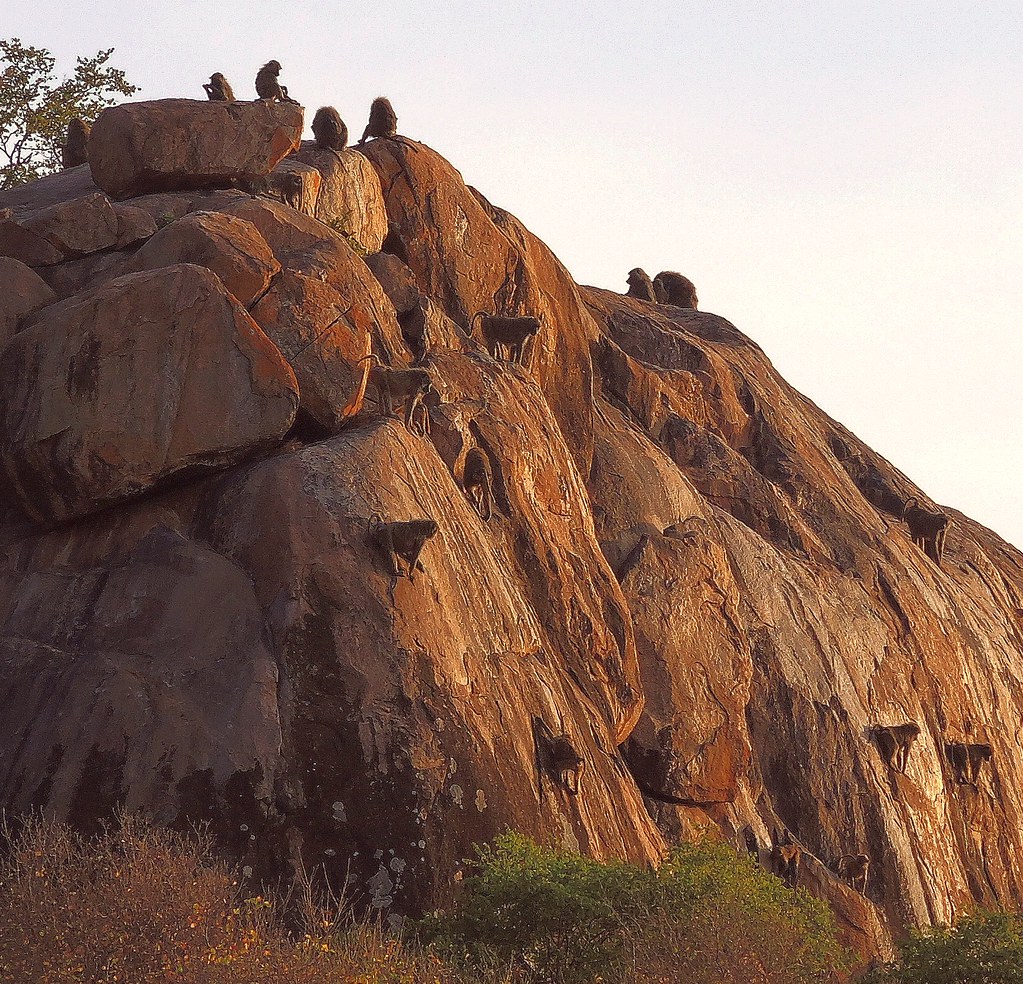
The park divides into distinct ecological sectors: the short-grass plains of the south, the granite kopjes of the central Seronera valley, the dense woodlands of the western corridor, and the rugged hills of the remote northern boundary. Each sector offers prime wildlife concentrations depending on the seasonal movement of migratory herds.
Central Seronera serves as the park’s wildlife hub, offering exceptionally reliable year-round sightings of leopards lounging on sausage tree branches and resident cheetah coalitions. The open granite kopjes function as natural vantage points where lions rest during warm midday hours.
Accommodations in the Serengeti feature both luxurious permanent lodges and seasonal semi-permanent tented camps that shadow the migration’s progress. Waking up in an authentic canvas tent to the deep grunting of distant wildebeest is an unforgettable sensory experience.
Ngorongoro Conservation Area: The Volcanic Caldera Sanctuary
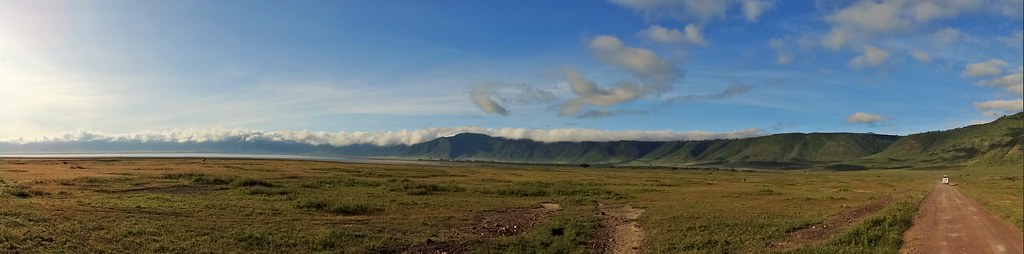
Rising dramatically above the eastern Serengeti, the Ngorongoro Crater is the world’s largest inactive, intact, and unfilled volcanic caldera. Formed over two million years ago when a giant volcano collapsed in upon itself, the crater floor spans 260 square kilometers enclosed by sheer 600-meter-high forested walls.
This natural volcanic amphitheater shelters over 25,000 large mammals, creating one of the highest concentrations of wildlife in Africa. Resident populations include endangered black rhinos, giant tusked elephants, golden jackals, and exceptionally large-bodied crater lions.
The central alkaline waters of Lake Magadi host thousands of lesser flamingos that tint the lake shores bright pink against the green soda flats. Descending the steep crater rim at dawn through morning mountain mist reveals an astonishing panorama of grazing herds.
Because of intense visitor interest, conservation authorities enforce a strict six-hour crater floor limit per vehicle permit. Staying at a lodge perched directly on the crater rim provides breathtaking sunset vistas and swift morning descent access.
Amboseli National Park: Elephants Beneath Mount Kilimanjaro
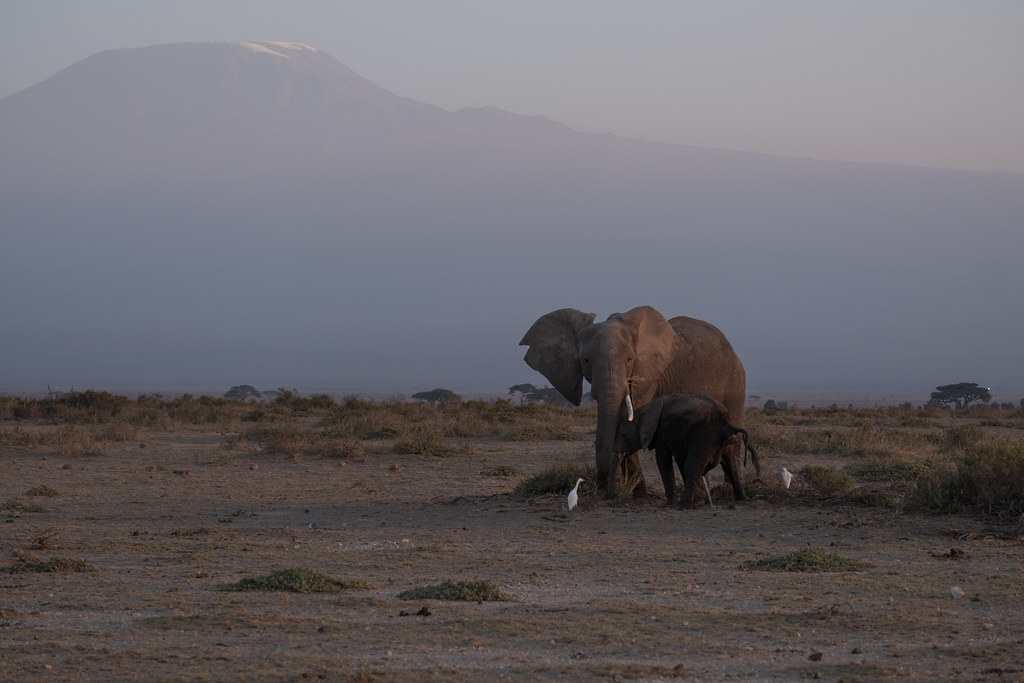
Nestled in southern Kenya along the Tanzanian frontier, Amboseli National Park is world-famous for its free-ranging elephant herds set against the dramatic backdrop of Mount Kilimanjaro. Although the mountain itself sits across the border in Tanzania, Amboseli offers the continent’s most iconic photographic viewpoints of its snowy summit.
The park’s arid plains are nourished by underground melting snows from Kilimanjaro, which emerge as permanent freshwater springs and lush emerald swamps. These perennial wetlands attract hundreds of elephants, hippos, buffaloes, and over 400 species of waterbirds during hot dry afternoons.
Amboseli is home to some of Africa’s most extensively studied elephant families, documented for decades by pioneering conservation researchers. Observing gentle matriarchs guiding tiny calves through papyrus swamps offers rare emotional intimacy.
The park’s compact size of 392 square kilometers makes it easy to navigate during a two-day safari. Game drives are best scheduled in the early morning and late afternoon when cloud cover often clears from Kilimanjaro’s peak.
Bwindi Impenetrable and Volcanoes: The Albertine Rift Primate Forests
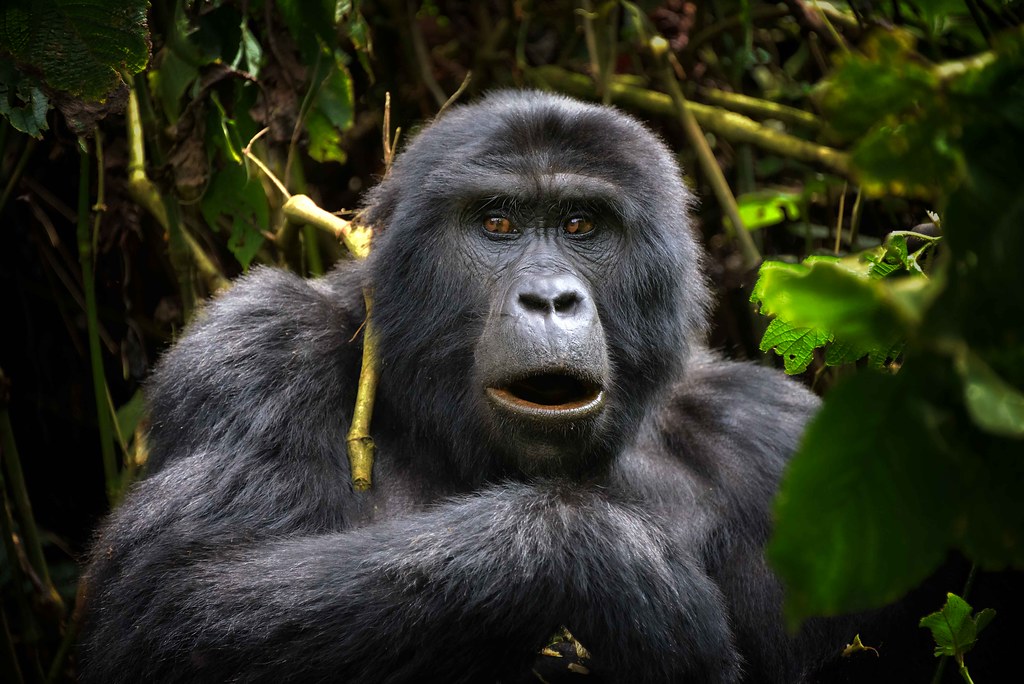
West of the savannah plains, the Albertine Rift montane ecosystems of southwestern Uganda and northern Rwanda harbor the planet’s remaining wild mountain gorillas. Bwindi Impenetrable National Park in Uganda features dense, multi-layered ancient rainforest clinging to steep mist-veiled ridges.
Across the border in Rwanda, Volcanoes National Park encompasses five dormant volcanic peaks draped in bamboo and giant lobelia groves. Both parks protect habituated gorilla families that travelers can track on foot in strictly supervised groups of eight people.
Trekking into these misty cloud forests requires hiking through tanglewood understories, muddy slopes, and tangled vines led by experienced park rangers. The profound experience of spending one quiet hour in the close presence of a massive silverback transcends ordinary wildlife viewing.
Combining an East African savannah safari with a primate trek creates the ultimate contrast between sweeping open plains and intimate montane rainforest encounters. Connecting flights between Entebbe, Kigali, and regional bush airstrips make this dual itinerary highly practical.
Head to Head: East Africa’s Benchmark National Parks and Reserves
Every national park and conservancy in East Africa possesses distinct terrain characteristics, pricing structures, and wildlife specialties. Evaluating these reserves side by side helps travelers match specific destinations to their seasonal schedule and travel budget.
When weighing regional trade-offs against other parts of the continent, consult our comprehensive guide on comparing Africa’s core wildlife circuits to understand how East Africa differs from the waterways of the Okavango and the private reserves of Greater Kruger.
| Destination & Country | Ecosystem Character | Flagship Wildlife | Peak Season Window | Daily Non-Resident Fee | Signature Safari Style |
|---|---|---|---|---|---|
| Maasai Mara (Kenya) | Open rolling savannah, acacia woodlands & Mara River | Big cat prides, cheetahs, Great Migration herds & Nile crocodiles | July to October (River Crossings) | $200 peak (July–Dec) $100 off-peak (Jan–June) | Pop-top 4×4 Land Cruisers & conservancy off-road drives |
| Serengeti (Tanzania) | Vast short-grass plains, river valleys & granite kopjes | Massive wildebeest herds, lions, leopards & spotted hyenas | Jan–March (Calving) July–Oct (River Crossings) | $82.60 per 24 hours (including 18% VAT) | Extended game drives & mobile luxury tented migration camps |
| Ngorongoro Crater (Tanzania) | Intact volcanic caldera, soda lakes & montane forest rim | Critically endangered black rhinos, giant tuskers & flamingos | Year-round (June to September best) | $70.80 per person + $295 vehicle descent fee | 6-hour descent game drive inside unbroken volcanic amphitheater |
| Amboseli (Kenya) | Arid dusty plains, acacia tortilis & spring-fed swamps | Large matriarchal elephant herds against Mount Kilimanjaro | June to October & January to February | $100 per adult per day | Photographic game drives focused on elephants & mountain vistas |
| Bwindi Impenetrable (Uganda) | Steep montane rainforest, mist ridges & bamboo thickets | Mountain gorillas, L’Hoest’s monkeys & Albertine Rift bird species | June to August & December to February | $800 trekking permit (per person per trek) | Guided on-foot forest trekking with armed rangers and trackers |
Month-by-Month Great Migration Tracking Windows
The Great Serengeti Migration is an endless, circular natural journey driven by rainfall patterns and the search for fresh grazing grass. While wild animals move according to unpredictable weather cues, historical movements provide a highly reliable seasonal blueprint for safari planning.
Understanding where the herds congregate during specific months ensures you book camps in the right sector of the ecosystem rather than enduring long daily commutes across dusty roads.
January to March: Calving Season on the Southern Plains
During the early months of the year, the herds spread across the short-grass plains of the southern Serengeti, Ndutu, and the Ngorongoro Conservation Area. Rich volcanic soils carpet the landscape with nutrient-dense grasses packed with phosphorus and calcium, ideal for pregnant wildebeest.
In a synchronized biological phenomenon across February, over 8,000 wildebeest calves are born every single day for roughly three weeks. The presence of vulnerable young animals attracts intense predator activity, generating dramatic hunting encounters with cheetahs, lions, and hyenas.
Off-road driving is permitted in the Ndutu conservation zone, allowing photographic vehicles to follow predator action respectfully across open ground. Lush green landscapes and low dust levels make this period exceptional for wilderness photography.
April to June: Rutting and River Treks in the Western Corridor
As the southern plains dry out in April, long seasonal rains transform the central and western Serengeti into emerald corridors. The herds begin moving northwest in vast columns that stretch for miles across the Seronera valley and toward the Western Corridor.
May marks the annual rutting season, when over a million wildebeest engage in noisy territorial sparring and mating battles across the plains. Bulls clash horns and vocalize incessantly while maintaining cohesive columns on the march.
By June, the migration reaches the Grumeti River, confronting their first major aquatic obstacle. Giant Nile crocodiles wait along river bends, producing dramatic crossing attempts before the herds push northward toward the Mara River basin.
July to October: The Mara River Crossings and Northern Plains
The dry winter months herald the most celebrated chapter of the migration as herds mass along the northern Serengeti and Kenya’s Maasai Mara. Here, the animals face repeated crossings of the treacherous, steep-banked Mara River.
Driven by primal instinct and the scent of rain on the northern horizon, wildebeest hesitate on riverbanks for hours before a single animal leaps into the surging water. The resulting stampede of thousands of animals crossing at full throttle is one of nature’s rawest spectacles.
Predators follow closely in pursuit, with lions staking out crossing points and leopards ambushing stragglers in riverine forests. Booking camps in the Lamai Wedge, Kogatende, or Mara Triangle puts you within minutes of active crossing points.
November to December: The Short Rains and Return Journey
With the arrival of brief short rains in late October and November, fresh green shoots begin sprouting on the southern Serengeti plains. Scenting renewed moisture across hundreds of kilometers, the herds pivot southward in purposeful columns.
The migration treks through the eastern Serengeti woodlands and Loliondo game controlled area, moving swiftly toward their southern calving grounds. The savannah air clears of dust, and migratory birds arrive in vast flocks from Europe and northern Africa.
This shoulder season provides superb uncrowded game viewing with reduced accommodation rates and tranquil camp atmospheres. By late December, the herds once again assemble on the southern plains, completing their circular journey.
Mountain Gorilla Trekking: Uganda vs. Rwanda Logistics
For many travelers, pairing a classic East African savannah safari with a mountain gorilla trek represents the ultimate wildlife pilgrimage. Deciding between Uganda’s Bwindi Impenetrable Forest and Rwanda’s Volcanoes National Park hinges on budget considerations, travel pace, and physical terrain.
If you are weighing the specific trekking logistics and fitness demands between both countries, read our detailed guide on gorilla trekking in Uganda versus Rwanda for comprehensive trail profiles.
Permit Economics and Booking Protocols
The most noticeable difference between both countries lies in the cost of statutory trekking permits. The Uganda Wildlife Authority currently charges $800 per person per trek, whereas the Rwanda Development Board sets its permit fee at $1,500 per person.
Permits in both countries strictly grant one hour of face-to-face viewing with a habituated gorilla group, accompanied by armed rangers and trackers. Because only eight permits are issued per gorilla family per day, booking six to nine months in advance is essential for peak dry-season months.
Uganda also offers an exclusive gorilla habituation experience in southern Bwindi for $1,500, allowing four travelers to spend up to four hours with a family undergoing habituation alongside researchers. In both nations, permit revenues directly fund anti-poaching patrols, veterinary interventions, and local community revenue-sharing projects.
Transit Times and Trail Physicality
Volcanoes National Park in Rwanda enjoys a significant logistical advantage with its proximity to Kigali International Airport. Travelers can reach the park via a smooth, paved 2.5-hour drive, making high-end weekend trekking itineraries easily achievable.
In contrast, reaching Bwindi from Uganda’s Entebbe International Airport requires an eight- to nine-hour overland journey across varied roads or a scheduled one-hour domestic bush flight to Kihihi or Kisoro airstrips. However, many savvy travelers fly into Kigali and take a scenic four-hour road transfer across the land border into southern Bwindi.
Trail conditions in Bwindi tend to be steeper and more physically demanding, earning the forest its impenetrable reputation across dense undergrowth and slippery slopes. Volcanoes National Park generally offers more open bamboo forests, though high altitudes reaching up to 3,000 meters can challenge respiratory endurance.
How Much Does an East African Safari Cost per Day?
An East African safari typically costs between $175 and $300 per day for budget overland camping, $450 to $850 per day for mid-range tented lodges, and $1,200 to $2,500+ per day for luxury fly-in camps, including park fees, guides, meals, and 4×4 transport.
Budget safaris generally use shared pop-top safari minivans or basic camping gear outside park borders, requiring separate entry payments each morning. These tours offer accessible wildlife viewing but involve long highway drives and basic communal facilities.
Mid-range packages deliver the best value for most travelers, providing customized 4×4 Land Cruisers and comfortable permanent tented camps with en-suite hot showers. These lodges sit inside or immediately adjacent to reserves, maximizing time spent on morning game drives.
Ultra-luxury itineraries feature private bush flights directly to remote airstrips, private safari vehicles, and all-inclusive tented suites with personal butler service. In addition to base safari rates, travelers should budget for international flights, visa processing, tipping ($20–$30 per day for driver-guides), and optional hot air balloon flights ($450–$600 per person).
What Are the Entry Fees and Transit Rules for Maasai Mara?
Non-resident adult entry fees for the Maasai Mara National Reserve are $200 per day during the peak season from July through December, and $100 per day off-peak from January through June. Under Narok County rules, tickets are strictly valid for 12 hours from morning entry.
The strict 12-hour rule means that visitors staying at budget lodges outside the reserve gates (such as Sekenani or Talek) must exit the park by 18:00 every evening. Re-entering the park the following morning requires purchasing an entirely new $200 entry ticket.
Conversely, guests staying at approved lodges inside the reserve boundary can pay for a 24-hour stay, allowing relaxed morning and late afternoon game drives without crossing gate checkpoints. Travelers should verify whether their safari quote includes daily park entrance fees or bills them separately upon arrival.
Official conservation rules mandate keeping a minimum distance of 25 meters from wildlife and strictly forbid off-road driving in the public reserve. Adhering to official guidelines enforced by the Kenya Wildlife Service protects fragile savannah grasslands from vehicle erosion.
How Does the East Africa Tourist Visa Work Between Countries?
The East Africa Tourist Visa is a unified 90-day multiple-entry travel permit costing $100 that allows seamless travel across Kenya, Uganda, and Rwanda. Crucially, Tanzania is not part of this agreement and requires a completely separate national tourist visa costing $50 to $100 depending on citizenship.
Travelers must apply for the East Africa Tourist Visa through the official immigration portal of the first country they plan to enter (for example, applying through Kenya’s system if landing in Nairobi). The visa remains valid as long as you travel strictly between Kenya, Uganda, and Rwanda without exiting to a third country.
If your safari itinerary crosses into Tanzania from Kenya via the Namanga or Isebania overland border posts, your East Africa Tourist Visa temporarily pauses. You must purchase a Tanzanian entry visa and present your valid EATV upon re-entering Kenya or Uganda.
For comprehensive information on entry rules, fee waivers, and documentation across neighboring territories, review our complete directory of visa-free African countries for tourists.
What Must Nigerian Citizens Know Before Traveling to East Africa?
Nigerian passport holders can enter Kenya via the online Electronic Travel Authorization (eTA) and receive a free 30-day Visa on Arrival in Rwanda. However, Tanzania places Nigerian citizens under the Referral Visa category, requiring statutory security clearance from Dar es Salaam taking four to eight weeks before travel.
The Tanzanian Referral Visa requirement is a major obstacle for Nigerian travelers who attempt to book short-notice safari itineraries. Applying online through Tanzania’s eVisa portal less than a month before departure almost certainly results in delayed approvals and missed flights.
Nigerian travelers planning combined East African holidays are strongly advised to route through Kenya and Rwanda first. A seamless itinerary connects Lagos (LOS) or Abuja (ABV) to Nairobi via Kenya Airways, followed by direct regional flights to Kigali on RwandAir.
All Nigerian passport holders must carry an authentic Yellow Fever vaccination card (the Yellow Card issued by the Federal Ministry of Health). Port health authorities at Entebbe, Nairobi, and Kigali inspect vaccination records rigorously before permitting entry.
What to Know Before You Go: Practical Safari Logistics
Smooth wilderness travel in East Africa depends on practical preparation, understanding infrastructure realities, and packing appropriately for changing bush conditions. Planning transport links thoughtfully eliminates unnecessary travel stress.
Whether traveling overland across rugged tracks or hopping between airstrips in single-engine Cessna Caravans, understanding basic bush protocols enhances your overall safari.
Safari Vehicles: Pop-Top 4×4 Cruisers vs. Bush Flights
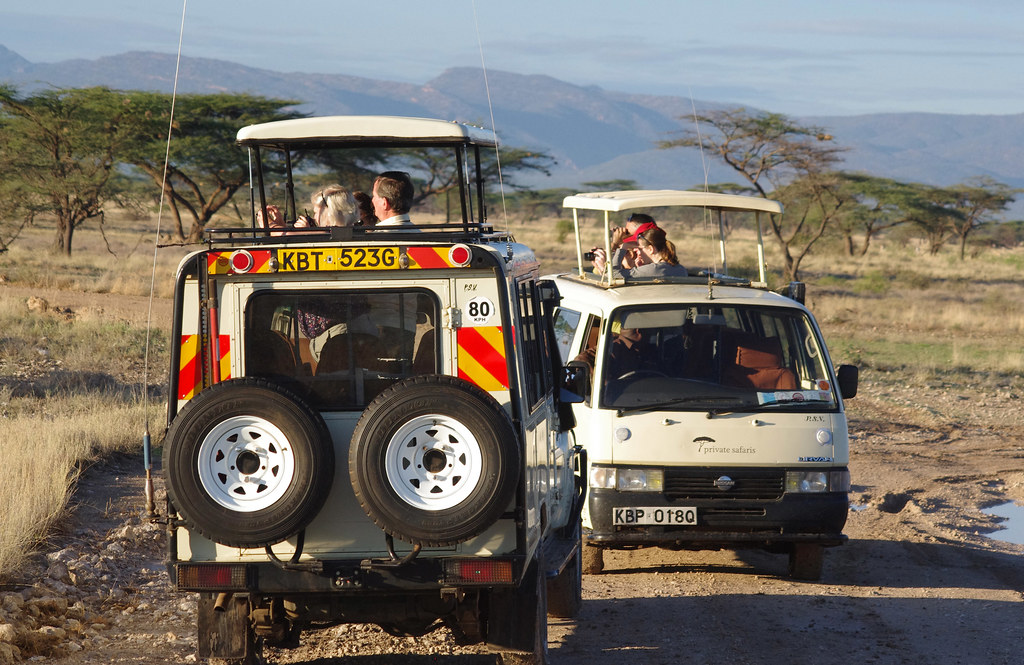
Unlike the open-sided vehicles favored in Southern Africa, East African safaris rely heavily on customized Toyota Land Cruisers with enclosed glass sides and large pop-up roof hatches. These closed-sided 4x4s protect passengers from billowing dust during long highway drives between distant national parks.
Once inside a wildlife reserve, the roof pops up on hydraulic struts, allowing passengers to stand comfortably for unobstructed 360-degree photography while remaining shaded from the tropical sun. Quality safari cruisers feature built-in charging ports for camera batteries and onboard mini-refrigerators for cold water.
For travelers with limited time, scheduled bush flights operated by regional carriers like Safarilink and Auric Air connect major cities to dirt airstrips in the Mara, Serengeti, and Amboseli in under an hour. Flying between parks eliminates grueling five- to eight-hour overland transfers across bumpy unpaved tracks.
While game drives in vehicles represent the traditional safari format, active travelers can also experience the bush on foot. Learn how walking safaris differ from standard vehicle game drives in our comprehensive review of walking safaris versus vehicle game drives.
Bush Plane Luggage Allowances and Soft Duffel Rules
Light aircraft bush flights operate under strict weight and dimensional luggage restrictions for flight safety on short gravel airstrips. Most domestic air charters enforce a rigid baggage limit of 15 kilograms (33 pounds) per passenger, which includes all hand luggage and camera equipment.
All luggage must be packed in soft-sided duffel bags without rigid internal frames or hard plastic wheels. Soft duffels compress easily into the compact, oddly shaped cargo pods beneath the aircraft fuselage where rigid suitcases simply will not fit.
Safari lodges provide daily laundry service (often complimentary or for a modest fee), meaning you only need to pack three to four changes of lightweight, neutral-colored clothing. Avoid packing dark blue or black clothing in savannah parks, as these shades attract biting tsetse flies.
If your safari involves nocturnal game drives in high-biodiversity reserves, pack a warm fleece jacket and windbreaker for chilly night temperatures. Discover what wildlife emerges after dark in our specialized guide on guided night safaris in Uganda.
Health Protocols and Preventive Measures
East Africa is an endemic malaria region, making preventive prophylaxis like atovaquone-proguanil (Malarone) or doxycycline strongly recommended by travel medicine physicians. In addition to medication, apply insect repellent containing DEET and sleep beneath mosquito nets provided in all quality safari camps.
A valid International Certificate of Vaccination against Yellow Fever is legally required for travelers arriving from or transiting through countries with risk of yellow fever transmission. Border officials at Namanga, Isebania, and international airports check yellow cards thoroughly.
Stay thoroughly hydrated by drinking bottled or purified filtered water provided by reputable safari camps, avoiding tap water for drinking or tooth brushing. Quality safari operators carry comprehensive first-aid kits and partner with emergency aeromedical evacuation services like the AMREF Flying Doctors.
By following official national park guidelines established by the Tanzania National Parks Authority and regional conservation trusts, you ensure your wilderness adventure remains safe, respectful, and profoundly transformative.