Working remotely opens the door to living anywhere in the world. Africa offers some of the most dynamic, culturally rich, and cost-effective destinations for remote workers.
While traditional hubs in Europe and Southeast Asia face rising living costs and overcrowding, African cities provide fast fiber internet, modern coworking spaces, and incredible natural landscapes right on your doorstep.
Several countries across the continent have introduced dedicated remote work visas, making legal stays straightforward for international professionals and freelancers.
From Atlantic surf villages in Cape Verde to high-altitude tech hubs in Kenya, here is your definitive, ground-truth guide to the top African destinations for digital nomads.
What Makes a Great Destination for Digital Nomads
Choosing a remote work base requires evaluating more than just scenic views. Reliable connectivity, sensible living costs, and clear visa pathways form the foundation of a productive stay.
- Internet Stability & Speeds: Uninterrupted fiber optic connections (30–150+ Mbps) and reliable 4G/5G mobile data backups.
- Power Infrastructure: Accommodations and workspaces equipped with solar inverters or generator backups to handle local power fluctuations.
- Active Coworking Communities: Well-designed workspaces that host networking events, high-speed Wi-Fi, and private call booths.
- Affordable Quality of Life: Access to comfortable furnished rentals, diverse culinary options, and accessible transport without inflated pricing.
- Clear Visa Regulations: Hassle-free entry via dedicated digital nomad visas, visas on arrival, or extendable tourist permits.
Infrastructure Trade-offs Across Major African Remote Work Hubs
This comparative overview breaks down median download speeds, monthly living budgets, and active visa frameworks across Africa’s leading remote work destinations.
| Destination | Median Wi-Fi | Monthly Living Cost | Visa Framework | Top Coworking Hubs |
|---|---|---|---|---|
| Cape Town, South Africa | 50–150 Mbps | $1,400–$2,300 (ZAR 25,000–42,000) | 90-Day Entry / Remote Work Visa | Workshop17 (Kloof/Watershed), Roamwork, Ideas Cartel |
| Nairobi, Kenya | 40–100 Mbps | $1,100–$1,900 (KES 145,000–250,000) | 90-Day ETA / Remote Work Permit | Nairobi Garage, Ikigai (Westlands/Lavington), KOFISI |
| Kigali, Rwanda | 30–80 Mbps | $900–$1,600 (RWF 1,200,000–2,100,000) | 30-Day VoA (Extendable) | Norrsken House Kigali, Westerwelle Startup Haus |
| Grand Baie & Tamarin, Mauritius | 60–120 Mbps | $1,300–$2,200 (MUR 60,000–100,000) | 1-Year Free Premium Visa | The Hive Workplace, Workshop17 The Precinct, Ofis Cap Tamarin |
| Taghazout, Morocco | 40–100 Mbps | $900–$1,500 (MAD 9,000–15,000) | 90-Day Visa-Free (EU/US/UK) | SunDesk, Outsite Taghazout |
| Santa Maria & Mindelo, Cape Verde | 30–70 Mbps | $950–$1,650 (CVE 98,000–170,000) | 6-Month Remote Working Program | Mindelo Cowork, Sal Beach Hubs |
| Windhoek & Swakopmund, Namibia | 30–70 Mbps | $1,100–$1,800 (NAD 20,000–32,000) | 6-Month Nomad Visa ($62 fee) | The Village Co-Work, Regus Maerua Mall |
| Dahab, Egypt | 25–60 Mbps | $650–$1,100 (EGP 31,000–52,000) | 30-Day VoA (Extendable) | CoworkInn Dahab, Mojo Cowork |
| Zanzibar, Tanzania | 20–50 Mbps | $950–$1,600 (TZS 2,500,000–4,200,000) | 90-Day Tourist eVisa | Stone Town Cowork, Paje Kitesurf Hubs |
| Dakar, Senegal | 40–90 Mbps | $1,100–$1,900 (XOF 650,000–1,150,000) | 90-Day Visa-Free (EU/US/ECOWAS) | Jokkolabs Dakar, Impact Hub Dakar, L’Espace |
| Lagos, Nigeria | 40–100 Mbps | $1,200–$2,100 (NGN 1,800,000–3,200,000) | Tourist eVisa / Business Visa | The Venia Place (Lekki), Workstation (VI), Cranium One, CapitalSquare |
Which African Hub Fits Your Remote Work Style?
Every remote worker has distinct priorities. Use this quick decision guide to match your working requirements with the right African destination.
- If you want world-class culinary scenes, outdoor hiking, and a mature expat network: Choose Cape Town.
- If you thrive in a fast-paced tech startup ecosystem with weekend safari access: Choose Nairobi.
- If your top priority is safety, cleanliness, and seamless public order: Choose Kigali.
- If you want a free 1-year renewable nomad visa on a tropical island: Choose Mauritius.
- If you want Atlantic surf breaks, European time zones, and oceanfront desks: Choose Taghazout.
- If you seek Creole island culture, kitesurfing, and an official 6-month nomad visa: Choose Cape Verde.
- If you love desert road trips, wildlife photography, and open space: Choose Windhoek.
- If you are on a modest budget and love scuba diving or freediving: Choose Dahab.
- If you want a high-energy African tech metropolis with dynamic nightlife: Choose Lagos.
1. Cape Town, South Africa
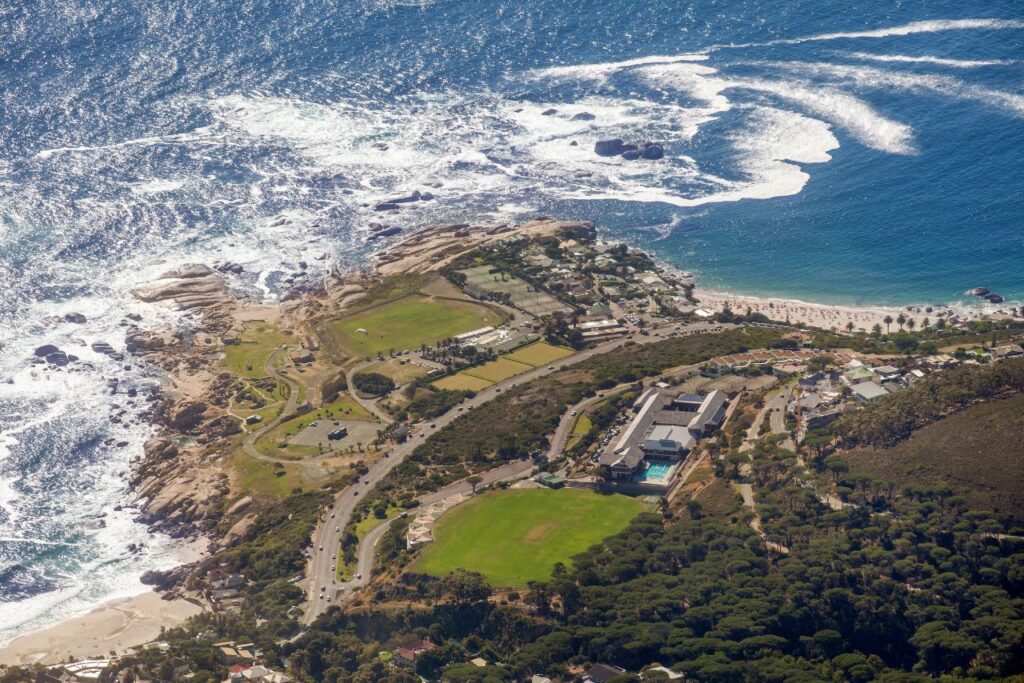
Cape Town is widely considered the remote work capital of the African continent. The city combines dramatic mountain landscapes, Atlantic beaches, and an exceptional coffee culture with high-speed fiber internet.
Popular nomad neighborhoods like Sea Point, Green Point, Kloof Street, and Camps Bay feature dense clusters of cafes and specialized coworking spaces such as Workshop17 (Watershed & Kloof), Roamwork on Harrington Street, and Ideas Cartel.
South Africa has formalized a dedicated remote work visa framework, allowing qualifying professionals earning above local thresholds to reside in the country legally.
While rolling power cuts (load shedding) historically affected the national grid, almost all premium accommodations, cafes, and workspaces in Cape Town operate continuous solar installations, battery inverters, and backup generators.
2. Nairobi, Kenya
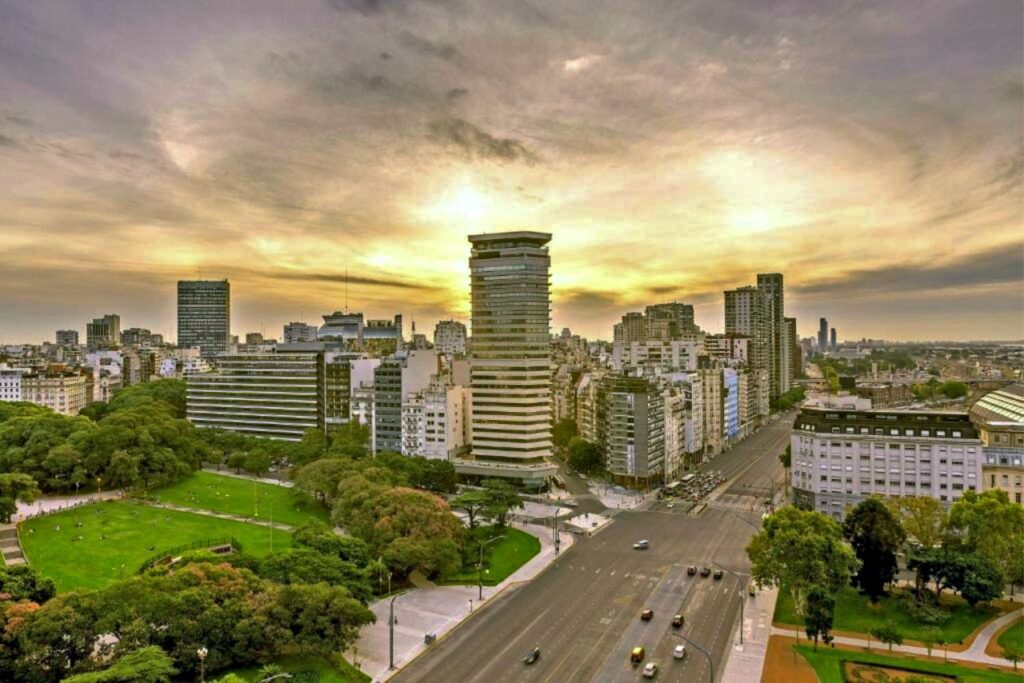
Known as the ‘Silicon Savannah’, Nairobi is East Africa’s leading financial and technological center. The city boasts widespread Safaricom home fiber connections with speeds frequently exceeding 60–100 Mbps.
Neighborhoods like Westlands, Kilimani, and Lavington are popular bases for international remote workers, featuring premier coworking chains such as Nairobi Garage (Kilimani & Spring Valley), Ikigai (outdoor garden workspaces), and KOFISI.
To navigate neighborhood safety, 24/7 generator backups, and coliving spaces across Kilimani and Westlands, explore our practitioner Nairobi digital nomad guide, featuring move-in ready serviced apartments at NestledIn Homes.
Kenya provides an Electronic Travel Authorisation (ETA) system for straightforward entry, complemented by long-stay residency frameworks. For remote workers seeking formal legal status beyond standard 90-day visitor limits, Kenya’s Department of Immigration processes the Class N permit for professionals with offshore employment. Consult our complete walkthrough on the Kenya Class N permit for remote work for minimum income criteria and eFNS application steps.
Nairobi is also the only global metropolis bordered by a national game reserve, making weekend excursions to experience wildlife viewing and safari game drives exceptionally convenient.
3. Kigali, Rwanda
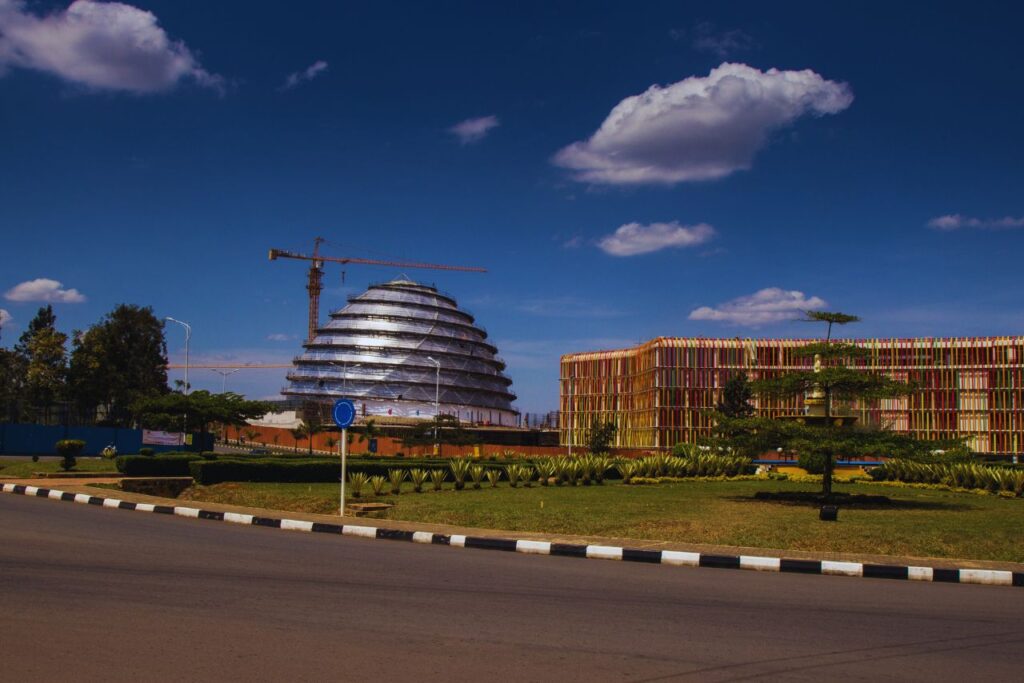
Kigali has earned an international reputation as one of the cleanest, safest, and most orderly capital cities globally. The city provides a peaceful, highly organized environment for focused remote work.
Major innovation centers such as Norrsken House Kigali (the largest dedicated startup and nomad campus in East Africa) and Westerwelle Startup Haus provide enterprise-grade internet, networking events, and collaborative workspaces.
Rwanda grants a 30-day visa on arrival to citizens of all nations, which can be extended easily through the official Rwanda Directorate General of Immigration and Emigration portal, or converted into an East Africa Tourist Visa.
With an extremely stable electrical grid and low crime rates, Kigali represents one of the most frictionless remote work destinations on the continent.
4. Grand Baie & Tamarin, Mauritius
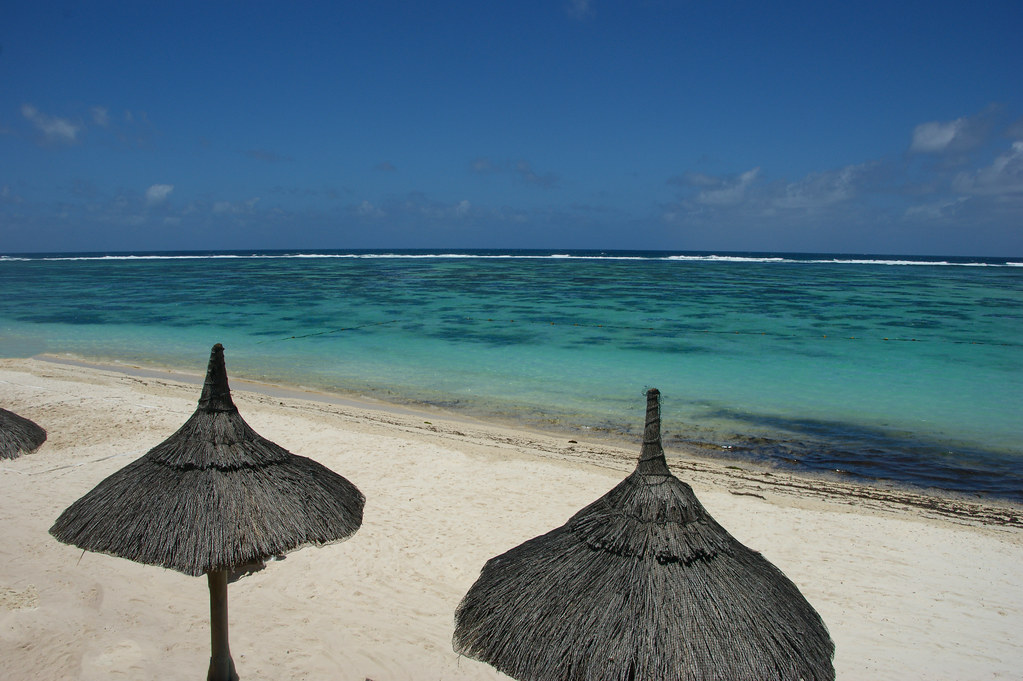
Mauritius offers one of the world’s most attractive remote work propositions through its official Mauritius Premium Visa. The visa is 100% free, valid for one year, renewable, and requires proof of a $1,500 monthly foreign income.
Applications are processed online directly via the Economic Development Board of Mauritius, making approval remarkably swift for digital nomads.
The island features modern fiber-to-the-home connectivity via Mauritius Telecom (My.T), alongside contemporary coworking spaces like The Hive Workplace (Grand Baie & Tamarin) and Workshop17 The Precinct in Grand Baie.
Whether you choose the bustling northern beach hub of Grand Baie or the surf-oriented western enclave of Tamarin, Mauritius delivers high-speed connectivity in a tropical paradise.
5. Windhoek & Swakopmund, Namibia
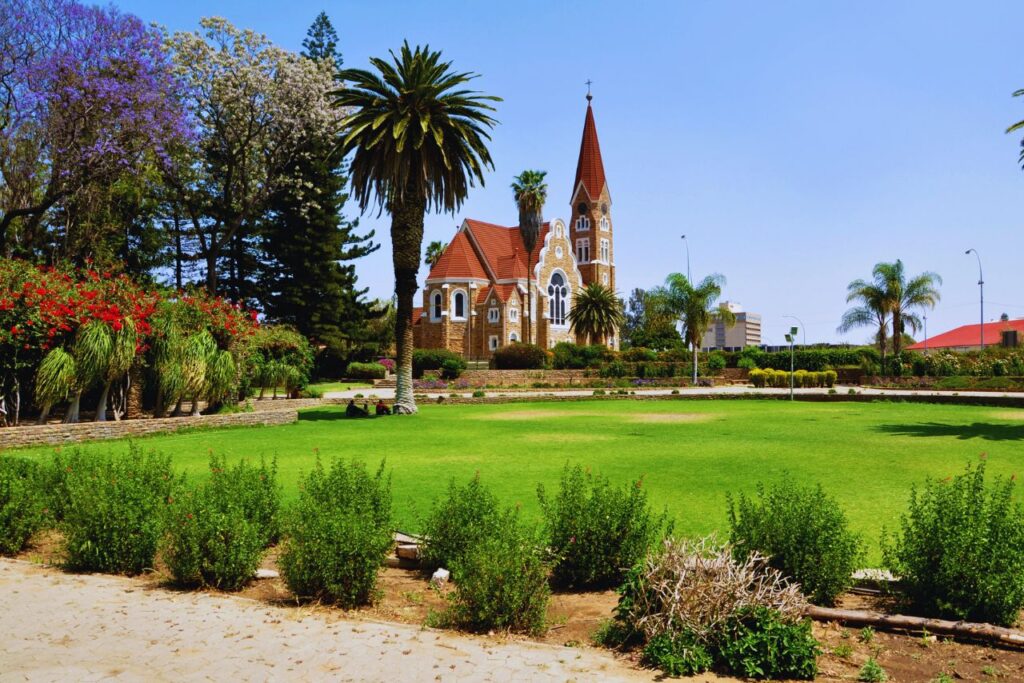
Namibia is one of the few African nations with an official, dedicated Namibia Digital Nomad Visa. The permit allows remote workers to live in the country for up to six months for a modest $62 government fee.
Detailed visa application criteria and requirements are accessible via the official Namibia Investment Promotion and Development Board.
Windhoek offers modern amenities, reliable mobile coverage, and clean coworking hubs like The Village Co-Work and Regus Maerua Mall. The coastal town of Swakopmund provides ocean breezes and mild year-round weather.
For an exhaustive breakdown of income proof ($2,000/month individual requirement), NIPDB application steps, and a side-by-side Windhoek vs. Swakopmund living cost index, read our comprehensive Namibia digital nomad visa guide.
6. Taghazout, Morocco
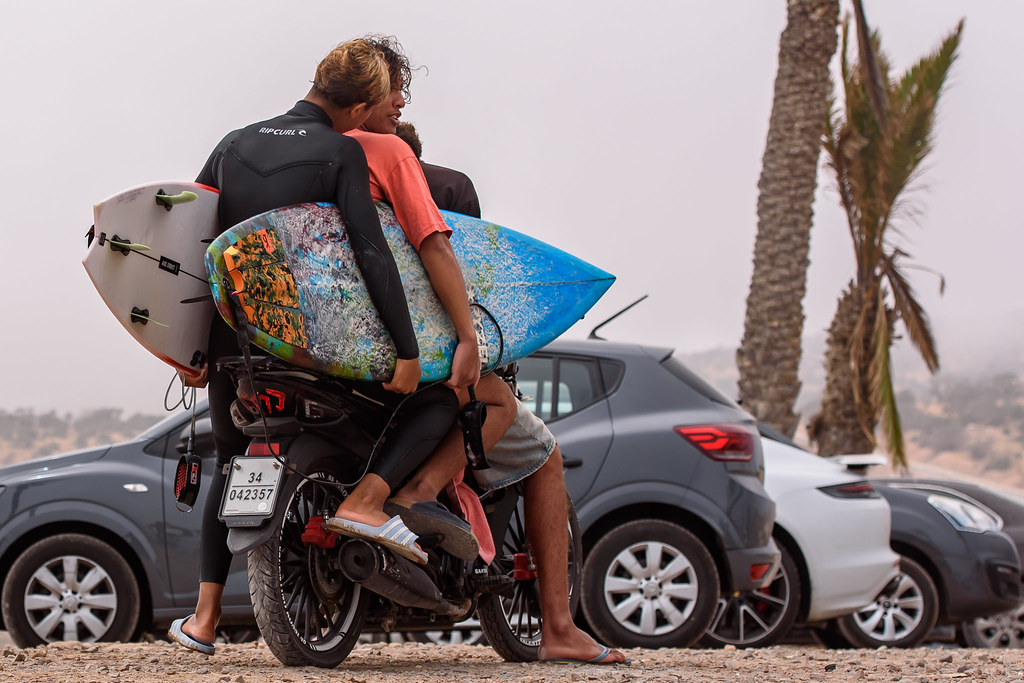
Located on Morocco’s Atlantic coast just north of Agadir, Taghazout has transformed from a sleepy fishing village into the premier digital nomad and surf hub of North Africa.
The village shares the Western European Time zone (GMT/GMT+1), making real-time collaboration with European teams completely seamless.
Pioneering nomad hubs like SunDesk and Outsite Taghazout provide dedicated fiber optic internet, ergonomic workstations, and ocean-view community terraces. Visitors from the EU, US, UK, and Canada receive 90-day visa-free entry upon arrival.
7. Santa Maria & Mindelo, Cape Verde

Cape Verde offers an official Cape Verde Remote Working Program, granting remote workers and freelancers a 6-month temporary residence visa that is easily renewable for another six months.
The archipelago bridges African, Portuguese, and Caribbean cultural influences. Nomads choose between the sunny resort beaches and kitesurfing breaks of Santa Maria on Sal Island, or the vibrant musical culture and colonial architecture of Mindelo on São Vicente.
With direct flights from Lisbon, Paris, and Boston, Cape Verde provides an accessible, peaceful Atlantic island base with stable 4G/fiber connections.
8. Dahab, Egypt
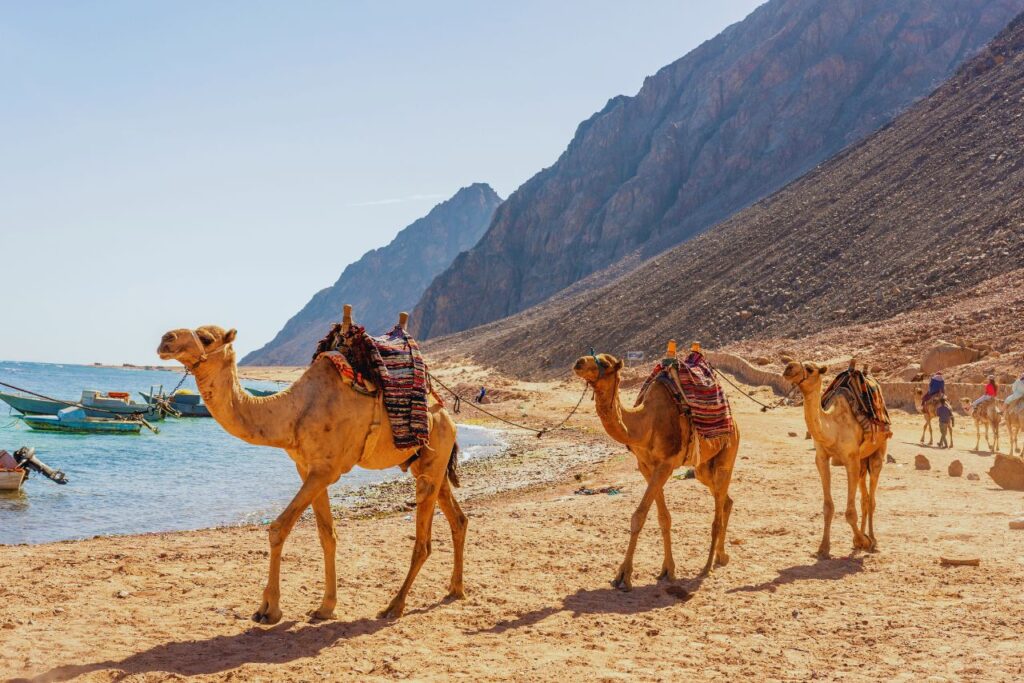
Situated on the Sinai Peninsula along the Red Sea, Dahab is renowned for its bohemian seaside atmosphere, world-class coral reefs, and ultra-affordable cost of living.
Comfortable private apartments and fresh seafood dining make monthly budgets in Dahab remarkably light, averaging between $650 and $1,100 per month.
Coworking spaces such as CoworkInn Dahab and Mojo Cowork provide dedicated VDSL internet and backup 4G routers for uninterrupted zoom calls.
High-Growth Alternative Remote Work Bases Across Africa
While the top eight destinations represent Africa’s most established remote working ecosystems, four dynamic alternative hubs offer distinct cultural energy, lighter living expenses, or unique regional positioning for adventurous professionals.
Marrakech, Morocco: Historic Riads and Atlas Mountain Access
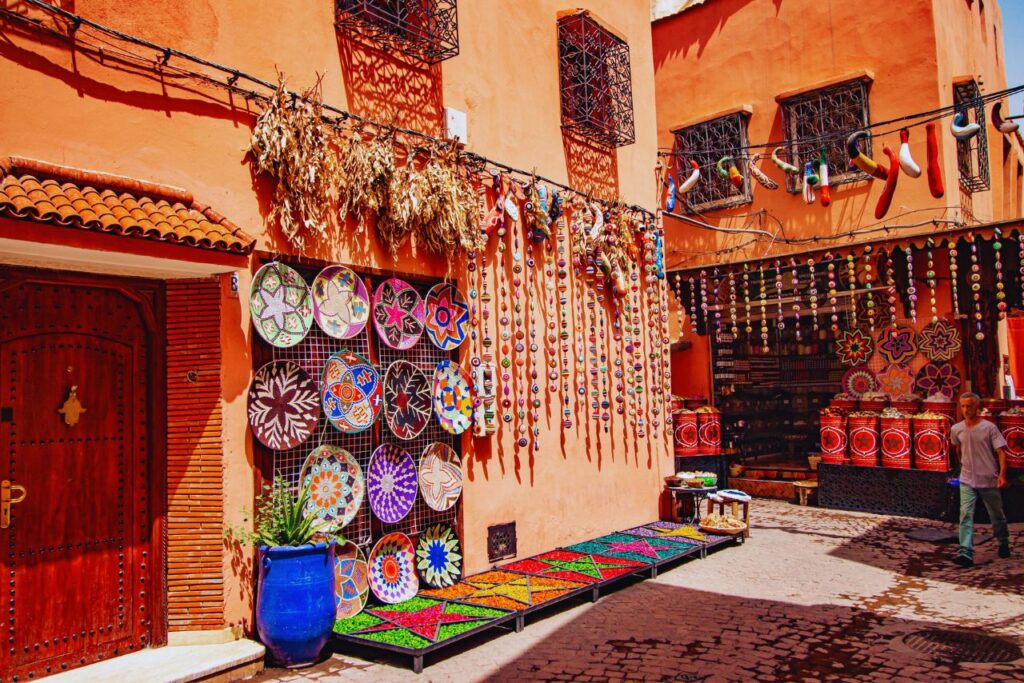
Marrakech offers rich sensory immersion, historic riads, and a booming culinary scene. The modern district of Gueliz features air-conditioned specialty cafes and collaborative workspaces like L’Blassa and Fraktal with high-speed fiber internet.
The city serves as an ideal base for remote workers wanting urban vitality paired with weekend excursions into the Atlas Mountains or the Agafay Desert.
Zanzibar, Tanzania: Island Rhythms and Coastal Coworking
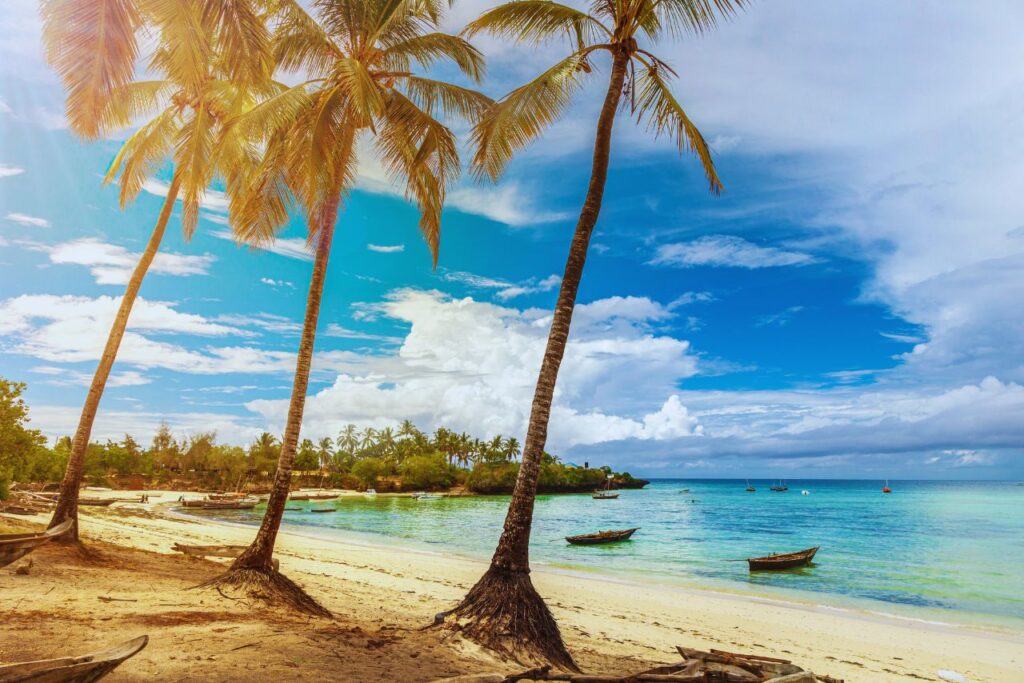
Zanzibar provides a unique fusion of Swahili heritage, spice markets, and turquoise Indian Ocean coastlines. Remote workers typically split time between historic Stone Town and eastern beach hubs like Paje.
Paje has evolved into a vibrant kitesurfing and nomad hotspot with beachfront cafes offering fiber internet and Starlink satellite connections.
Tanzania offers a standard 90-day tourist eVisa on arrival, giving visitors plenty of time to work while exploring the archipelago’s coastal reefs.
Dakar & The Petite Côte, Senegal: West Africa’s Tech and Surf Corridor
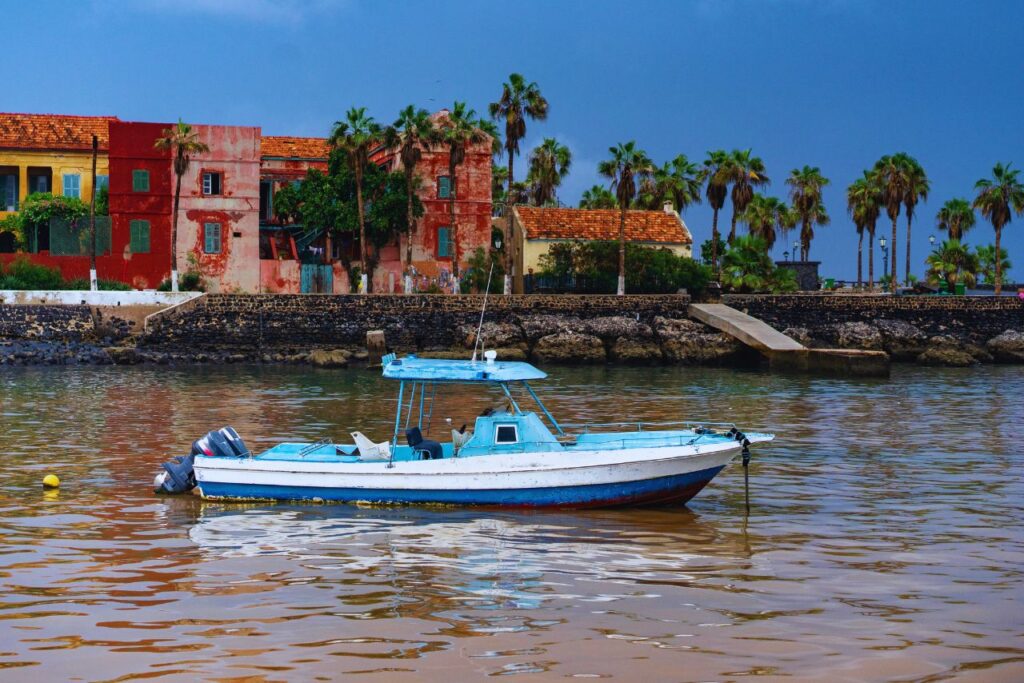
Dakar is West Africa’s leading creative and technological capital. Located on the Cap-Vert peninsula, the city features vibrant music scenes, world-class Atlantic surf breaks, and fast Orange fiber internet.
Coastal districts like Almadies, Ngor, and Ouakam are ideal for remote workers looking for seaside apartments and modern coworking hubs like Jokkolabs and Impact Hub Dakar.
Citizens from the EU, US, UK, and ECOWAS member states enter Senegal visa-free for 90 days, making spontaneous stays simple.
Nomads seeking quieter coastal surroundings can also explore our guide to La Petite Côte in Senegal for relaxed beachfront living just an hour south of the capital.
Lagos, Nigeria: Commercial Powerhouse and Startup Energy
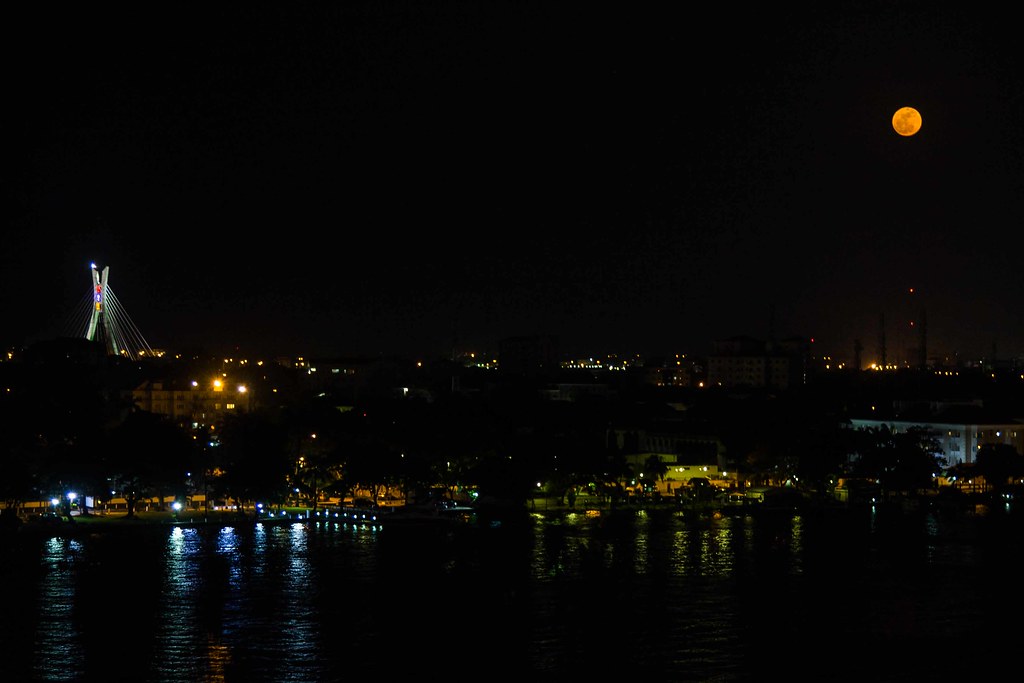
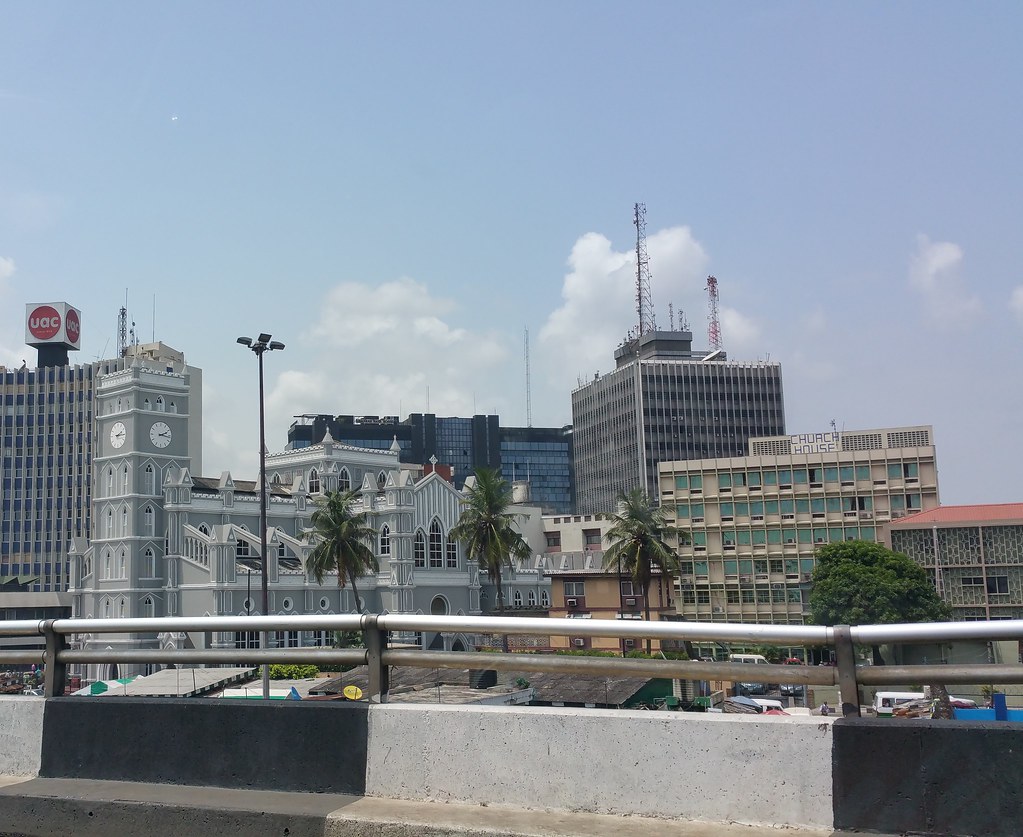
Lagos is the powerhouse commercial and tech capital of West Africa. For digital nomads seeking high energy, ambitious startup founders, and world-renowned creative industries, Lagos delivers an unmatched experience.
Nomads concentrate across premium islands: The Venia Place Business Hub and CapitalSquare in Lekki Phase 1 provide modern serviced desks and enterprise fiber, while Workstation and Cranium One in Victoria Island offer executive private offices, podcast studios, and 24/7 uninterrupted generator backups.
While navigating the city’s traffic requires planning, the richness of Afrobeats nightlife, contemporary art galleries, and culinary innovation makes Lagos an unforgettable urban base.
Tiered Monthly Living Budgets Across Africa
Here is what remote workers can expect to spend each month across different accommodation and lifestyle tiers.
- Budget Backpacker Tier ($650–$1,000/month): Private room in a guesthouse or coliving space, local transport, street food, and neighborhood cafes (ideal in Dahab, Taghazout, and Kigali).
- Comfortable Nomad Tier ($1,100–$1,800/month): Modern 1-bedroom furnished apartment with dedicated fiber, full coworking membership, weekly dining out, and ride-hailing transport (ideal in Nairobi, Windhoek, Cape Verde, and Dakar).
- Premium Coastal / Urban Tier ($1,900–$2,800/month): Ocean-view villa or luxury serviced apartment, private gym, regular weekend safari trips, and fine dining (common in Cape Town, Mauritius, and Lagos).
Power and Connectivity: Navigating Loadshedding and Fiber Reliability
Thriving as a digital nomad in Africa requires understanding key practical realities before arrival.
- Always Buy a Local eSIM or Physical SIM: Buy local mobile data (Safaricom in Kenya, MTN/Vodacom in South Africa, Orange in Senegal) upon arrival at the airport to maintain a continuous personal hotspot.
- Confirm Power Backup with Hosts: Ask Airbnb hosts specifically if their unit includes a solar inverter or generator to ensure continuous power for your workstation.
- Use Registered Ride-Hailing Apps: Bolt, inDrive, and Yango dominate West Africa (following Uber’s September 2026 exit from Nigeria and Uganda), while Uber and Bolt remain the primary options across South Africa, Kenya, and Ghana. Always use in-app card payments to avoid local currency disputes.
- Embrace Slower Living: Balancing high-productivity workdays with safari drives, coastal surfing, and local cultural immersion is what makes working from Africa truly memorable.