Across Africa, certain historic settlements feel suspended in time. Beyond bustling metropolitan capitals and vast safari plains lie ancient medinas, island sanctuaries, and pastel coastal villages that evoke timeless storybooks.
From cobalt-washed mountain alleys in Morocco to donkey-trodden Swahili coral towns in Kenya, these living architectural treasures represent some of the most captivating African hidden gems worth visiting for travelers seeking profound cultural immersion.
Stone Town, Zanzibar: Carved Teak Doors and Coral Stone Mazes
Stone Town forms the historic heart of Zanzibar Island, framed by turquoise Indian Ocean waters and fragrant spice warehouses. Its dense labyrinth of narrow alleyways reflects centuries of Swahili, Arab, Persian, and Indian maritime trade.
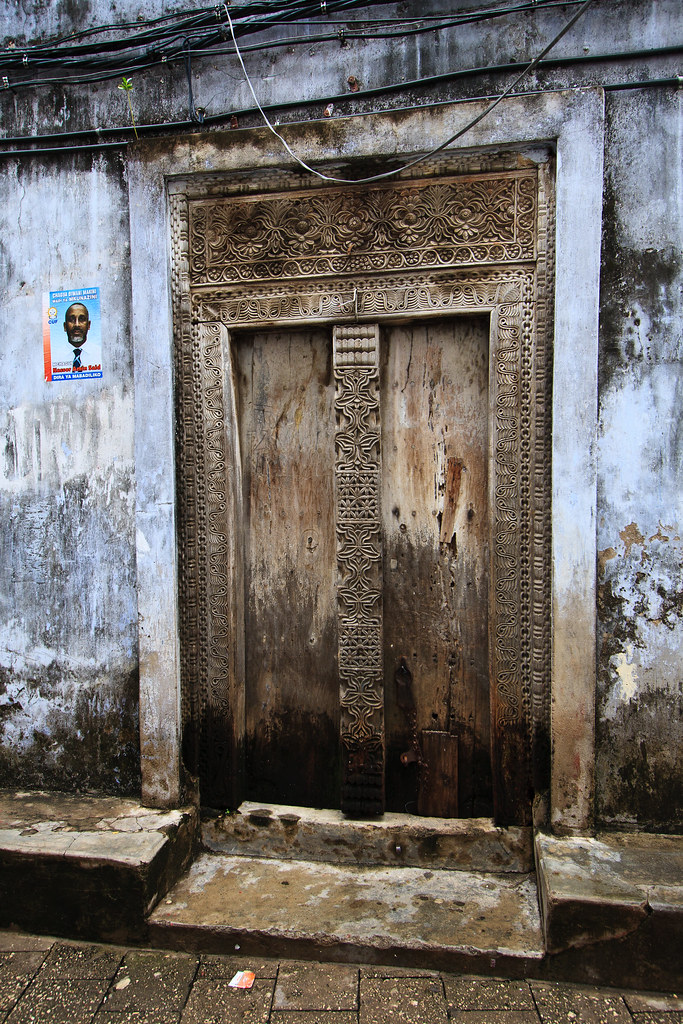
The town’s signature feature is its collection of over 500 intricately carved teak and mahogany doors. Pointed brass studs represent Indian defensive architecture against war elephants, while intricate floral arches reflect Omani Islamic design.
As afternoon softens into dusk, local residents and travelers gather at Forodhani Gardens along the seafront. Sizzling seafood skewers, fresh sugarcane juice, and traditional Zanzibar snacks fill the air with aroma under warm harbor lanterns.
Chefchaouen, Morocco: The Cobalt Sanctuary of the Rif Mountains
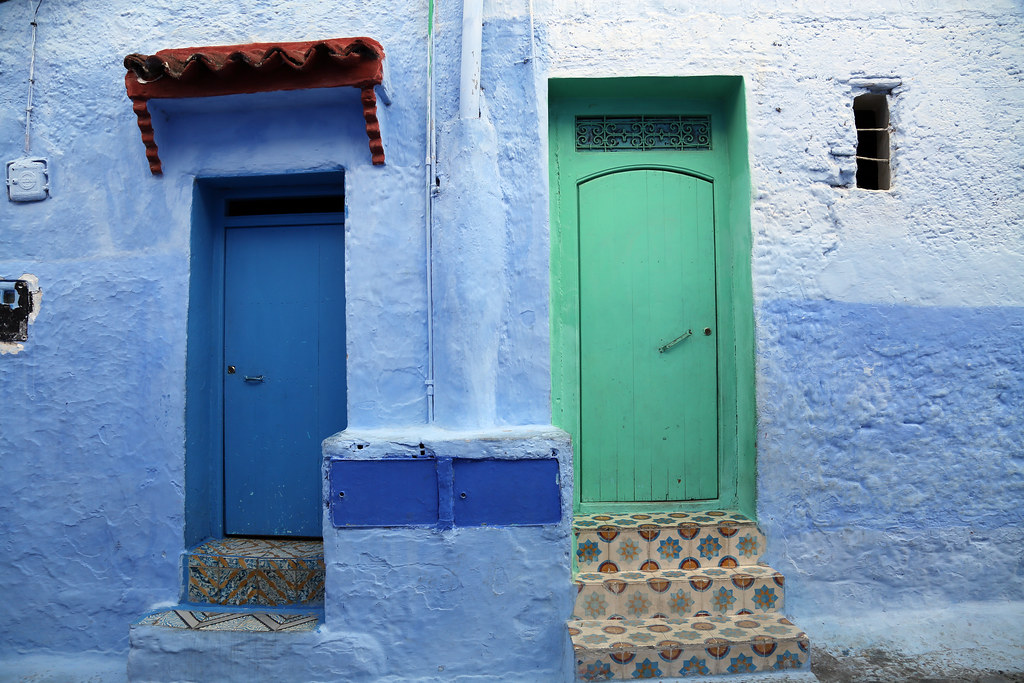
Nestled beneath the dramatic peaks of the Rif Mountains, Chefchaouen glows in striking shades of cerulean, cobalt, and powder blue. Promoted by the Moroccan National Tourism Office as the Blue Pearl, the town was founded in 1471 as a haven for Moorish and Jewish refugees.
Wandering through the steep, staircase-lined medina reveals quiet artisan weaver workshops, aromatic leather tanneries, and terraced cafes overlooking the valley. The soothing blue lime wash keeps townhouses naturally cool during warm Mediterranean summers.
To experience the village at its most serene, explore the upper Al-Andalus quarter during early morning hours before day-tripper coaches arrive from Tangier. A gentle sunset hike to the Spanish Mosque rewards travelers with breathtaking panoramic views across the blue valley.
Lamu Old Town, Kenya: Car-Free Living on the Swahili Coast
Lamu Old Town is the oldest continually inhabited Swahili settlement along the East African coastline. Recognized as a UNESCO World Heritage Centre site, this historic island operates with zero motorized vehicles.
Transportation relies entirely on walking, traditional dhow sailing boats, and over two thousand registered donkeys carrying cargo through narrow shaded pathways. As detailed in our guide to exploring Lamu Island, coral rag stone walls and mangrove timber ceilings create natural ventilation against coastal heat.
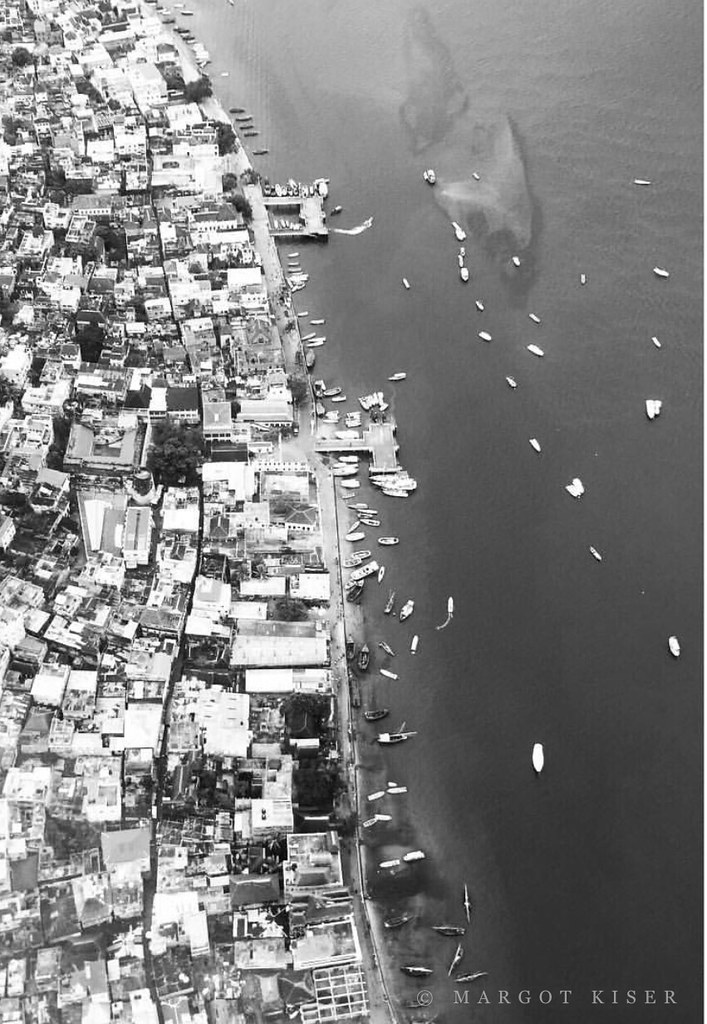
Daily life moves to the rhythmic calls to prayer and the gentle lap of ocean tides against the stone sea wall. Visitors can sail across the channel on wooden dhows to the pristine dunes of Shela Beach or explore the quiet craft workshops of master woodcarvers.
Sidi Bou Said, Tunisia: Mediterranean Cliffside Elegance
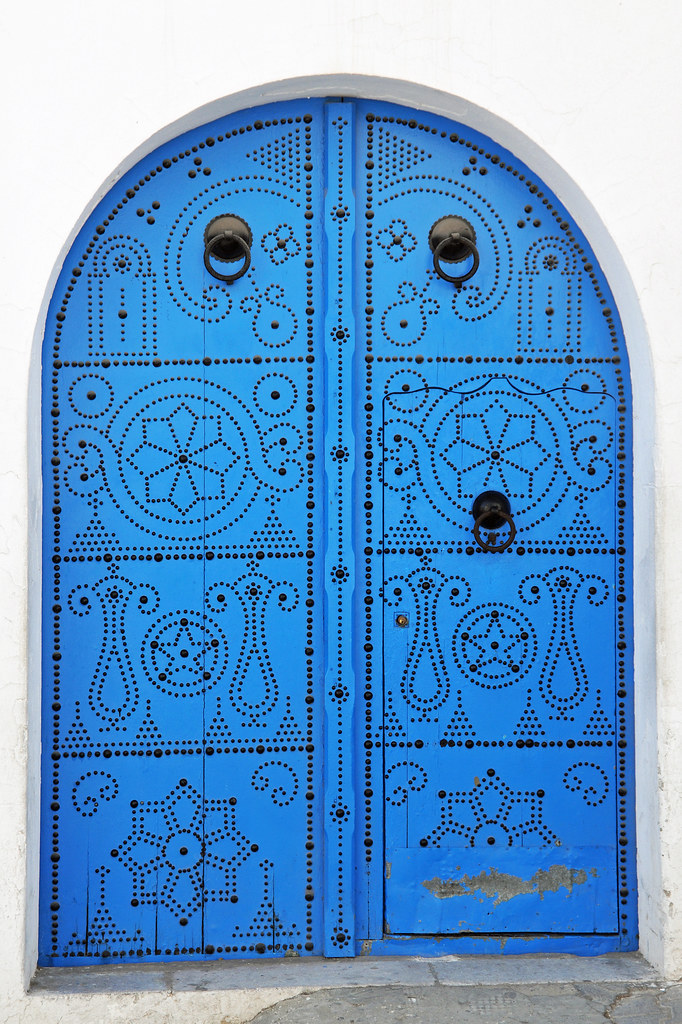
Perched high on dramatic limestone cliffs overlooking the Mediterranean Sea, Sidi Bou Said is Tunisia’s blue-and-white architectural jewel. The village gained international acclaim in the 1920s when artist Baron Rodolphe d’Erlanger established its iconic aesthetic guidelines.
Every townhouse features dazzling whitewashed walls paired with bright cyan shutters, ornate wrought-iron moucharabieh window screens, and cascading magenta bougainvillea. Paved cobblestone alleys lead to sun-drenched clifftop terraces overlooking the Gulf of Tunis.
Grab a warm, sugar-coated bambalouni doughnut from a street vendor before taking a quiet seat on the cliffside terraces. Sipping fresh mint tea infused with pine nuts while Mediterranean sailboats drift below provides an unforgettable afternoon ritual.
Gorée Island, Senegal: Pastel Facades and Serene Island Courtyards
Located just two miles off the coast of Dakar, Gorée Island stands as a peaceful, car-free sanctuary steeped in profound world history. The island’s tranquil cobblestone lanes are framed by 18th-century Franco-Portuguese colonial townhouses painted in warm ochre, pastel pink, and terracotta.
Behind this picturesque facade lies a solemn heritage, anchored by the historic Maison des Esclaves (House of Slaves) and its poignant Door of No Return. Today, the island has transformed into a vibrant haven for West African painters, sculptors, and musicians.
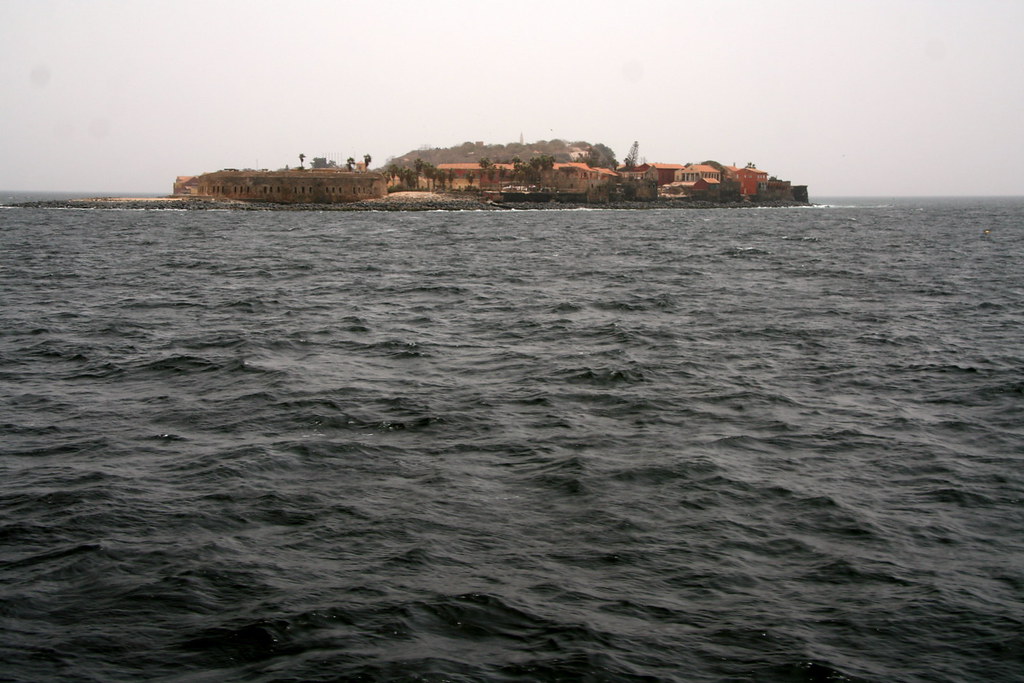
While many visitors arrive on quick day trips, staying overnight reveals the island’s true soul. As the final ferry departs for Dakar, quiet acoustic melodies and gentle Atlantic breezes fill the peaceful bougainvillea-draped courtyards.
Swakopmund & Walvis Bay, Namibia: Half-Timbered Heritage Meets Coastal Dunes
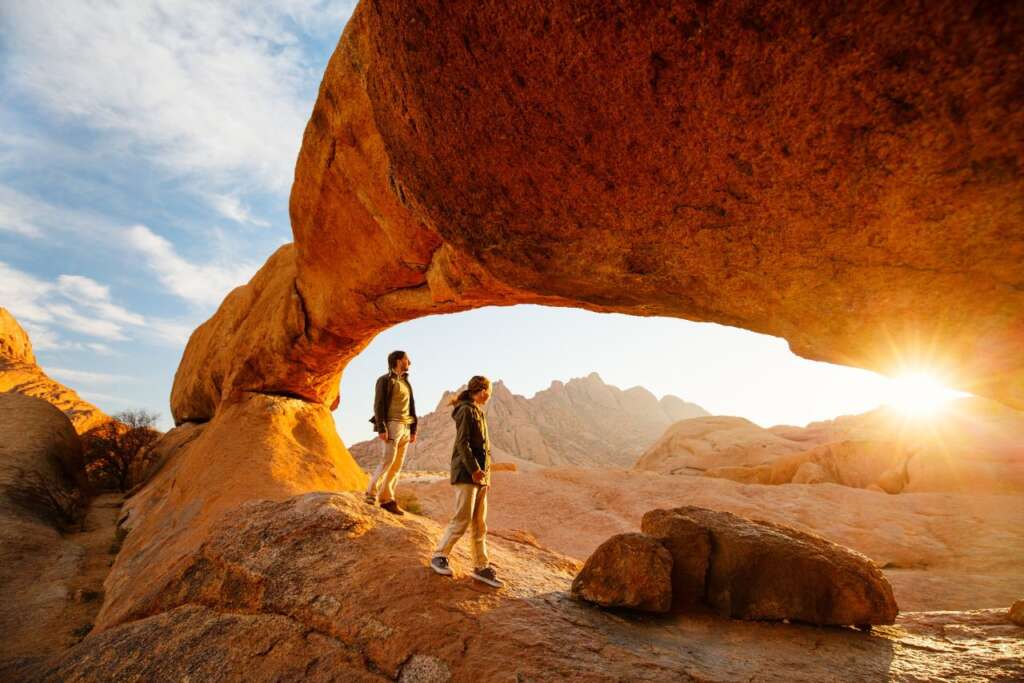
Where the towering red dunes of the Namib Desert plunge directly into the roaring South Atlantic Ocean, Swakopmund and Walvis Bay offer a surreal coastal landscape. Ranked among the most incredible deserts in Africa, the towering sand dunes frame German half-timbered architecture and seaside promenades.
Just twenty minutes south along the coastal highway, the shallow tidal lagoon of Walvis Bay hosts tens of thousands of vibrant pink flamingos and pelicans. As featured among affordable African travel destinations, the contrast between coastal wilderness and colonial architecture is striking.
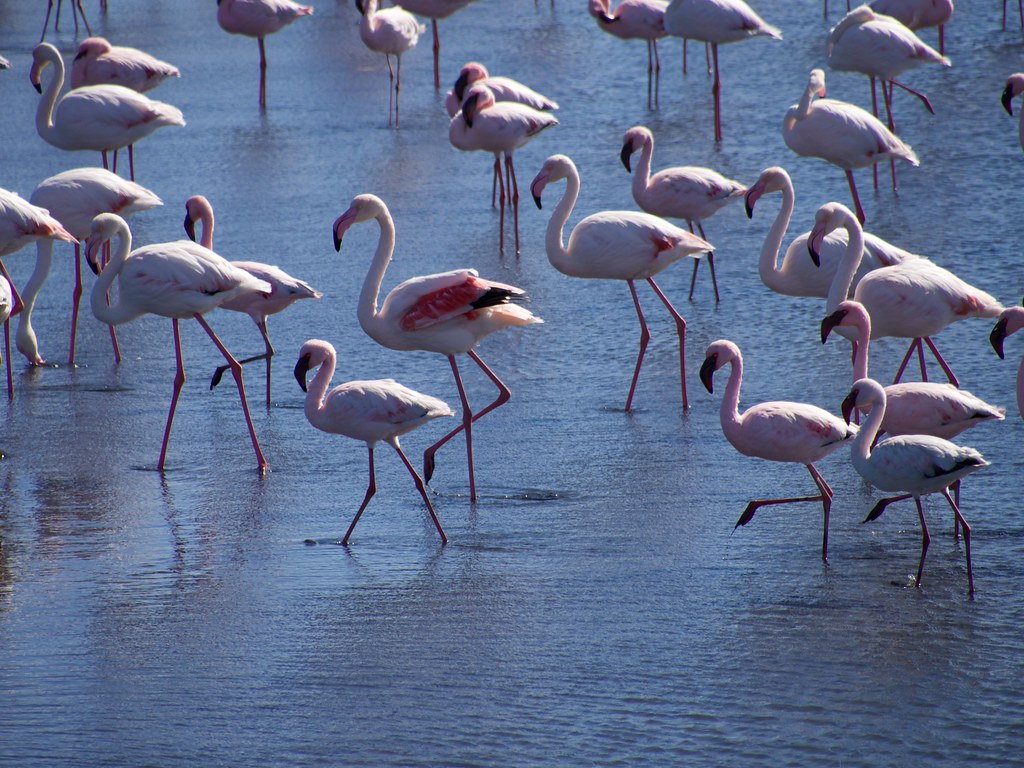
Morning coastal sea fog known locally as the Namib mist rolls across the dunes, creating dramatic photographic conditions before burning off into brilliant blue skies. The region offers sandboarding down massive desert slipfaces and sunset catamaran cruises across the sheltered bay.
Harar Jugol, Ethiopia: Walled Sanctuaries and Ancient Traditions
Rising above the eastern highlands of Ethiopia, the ancient fortified city of Harar Jugol is recognized as the fourth-holiest city in Islam. Encircling the city is a formidable 16th-century stone wall punctured by five historic gateways, protecting 82 historic mosques within just one square kilometer.
The interior consists of 368 tightly interwoven pedestrian alleyways lined with traditional Harari townhouses called gegar. These two-story homes feature vibrant wall niches, handwoven textiles, and elevated seating platforms where guests enjoy traditional spiced coffee ceremonies.
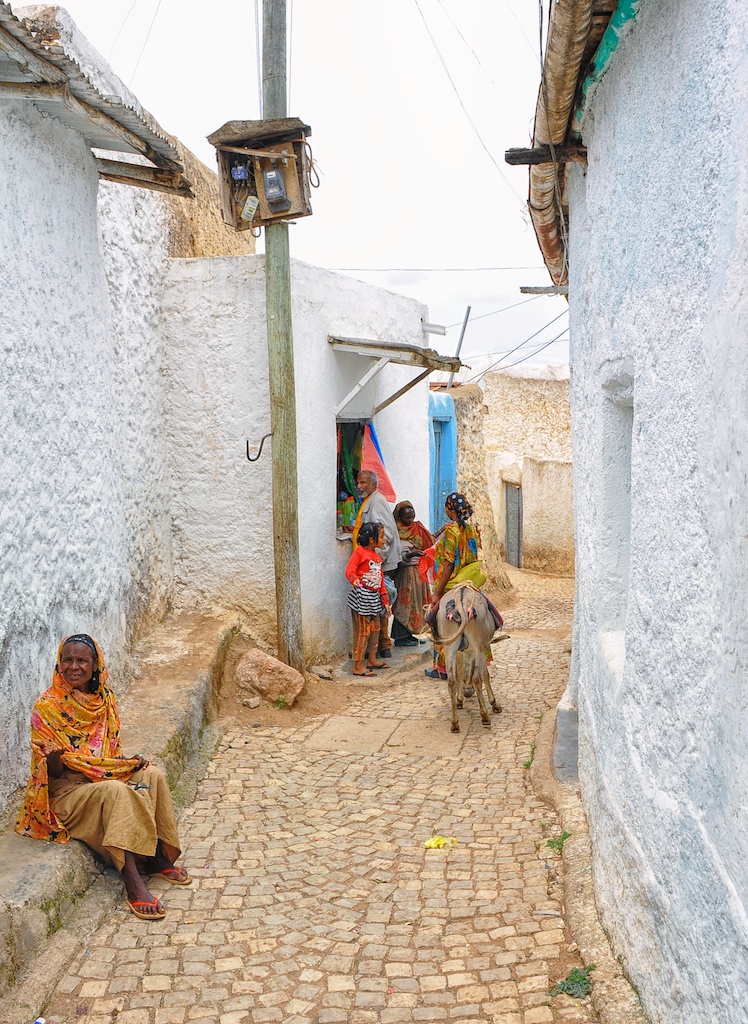
At nightfall, an extraordinary tradition unfolds outside the ancient city gates as local “hyena men” feed wild spotted hyenas by hand. This centuries-old practice honors an ancestral peace pact that keeps the predators peacefully coexisting with the townspeople.
Simon’s Town, South Africa: Victorian Seaside Charm and Penguin Coves
Tucked along the sheltered coastline of False Bay on the Cape Peninsula, Simon’s Town is one of South Africa’s oldest naval settlements. Its historic “Mile” is lined with pastel Victorian cottages, maritime antique emporiums, and seaside fish-and-chip bistros.
The town’s most famous residents are the land-based colony of wild African penguins residing at Boulders Beach. Counted among the most scenic beaches in Africa, ancient granite boulders create calm, wind-protected coves where visitors can swim in turquoise waters alongside these charismatic seabirds.

For visitors exploring the wider peninsula from the city center, understanding safety and daily realities in Cape Town helps plan seamless day excursions. Morning visits provide the calmest sea conditions before the southeasterly Cape breezes pick up across the bay.
Car-Free Walking and Navigation Realities Across Ancient Towns
Exploring car-free historic medinas requires adjusting your travel expectations and navigation strategies. Inside the dense coral stone corridors of Stone Town and Chefchaouen, tall walls cause mobile GPS signals to drop frequently.
Rely on visible architectural landmarks, ask local shopkeepers for directional anchors, and give way immediately when you hear the familiar shout of passing donkey carts in Lamu. Carrying physical cash in local currencies is essential for small artisan purchases and dhow crossings.
Golden-Hour Lighting and Photography Windows
Capturing the architectural nuances of these picturesque enclaves depends on understanding their unique lighting cycles. In Chefchaouen and Sidi Bou Said, early morning light (7:00–9:00 AM) brings out rich saturated colors without harsh overhead sun glare.
In coastal settlements like Stone Town and Simon’s Town, late afternoon golden hours provide warm backlighting against ocean waters and weathered stone facades. Always ask respectful permission before taking close-up portraits of residents or private residential doorways.
Cultural Etiquette and Respectful Exploration
Historic towns remain active, living communities with deeply rooted spiritual traditions. Modest dress covering shoulders and knees is appreciated when wandering through traditional Islamic medinas in Lamu, Harar, and Chefchaouen.
During Friday midday prayers, shops temporarily close and alleyways quiet down as residents gather at local mosques. Embracing this slower, respectful cadence allows you to experience the authentic heartbeat of Africa’s most storied settlements.