A one-hundred-dollar bill converts to approximately 12,950 Kenyan Shillings at current bureau counters, delivering roughly twenty percent less local buying power than travelers experienced during the currency lows of early 2024. While a hundred dollars still finances two to three solid days of urban living, an intercity train journey down to the coast, or a 48-hour heritage stay in Lamu Old Town, stretching that sum demands a clear read on bank settlement fees, transit methods, and local dining hubs.
The Shilling Rebound: Why Outdated Guides Leave Travelers Short
In early 2024, travel vlogs and forum threads celebrated an unprecedented high when the United States Dollar surged toward 163 Kenyan Shillings. Visitors during that window exchanged a single greenback for historic purchasing power. However, aggressive monetary interventions by the Central Bank of Kenya and strategic Eurobond settlements sharply reversed that trajectory, stabilizing the national currency within a tighter band of 128 to 130 Shillings per dollar.
Anyone arriving in Nairobi with expectations formed by year-old content faces an immediate calculation gap. Exchanging a crisp $100 bill currently delivers roughly KES 12,950 at competitive foreign exchange counters—creating a KES 3,350 deficit compared to the peak of the currency dip. This makes understanding real-world item pricing across transport, lodging, and meals essential before planning daily allowances.
How to Convert $100 Without Losing Ground to Payment Spreads
Settling small transactions with an international debit or credit card often triggers secondary conversion penalties. Most foreign banks apply a 3% to 3.5% foreign transaction fee on each swipe, while local merchant terminals occasionally add card handling surcharges. When these margins stack, visitors can see their effective conversion rate drop toward 124 Shillings per dollar.
Airport arrival desks also command high markups. Exchanging bills at terminal arrival counters generally yields 5% to 8% less than licensed forex bureaus situated in commercial districts like Westlands or the Central Business District. To maximize the full value of a hundred-dollar note, travelers typically convert their cash at downtown bureaus and register a local Safaricom line with M-Pesa. Because informal traders, matatu crews, and local markets operate on mobile money rather than plastic cards, having funds accessible via M-Pesa is essential for everyday commerce.
Navigating Nairobi Expenses with 13,000 Shillings
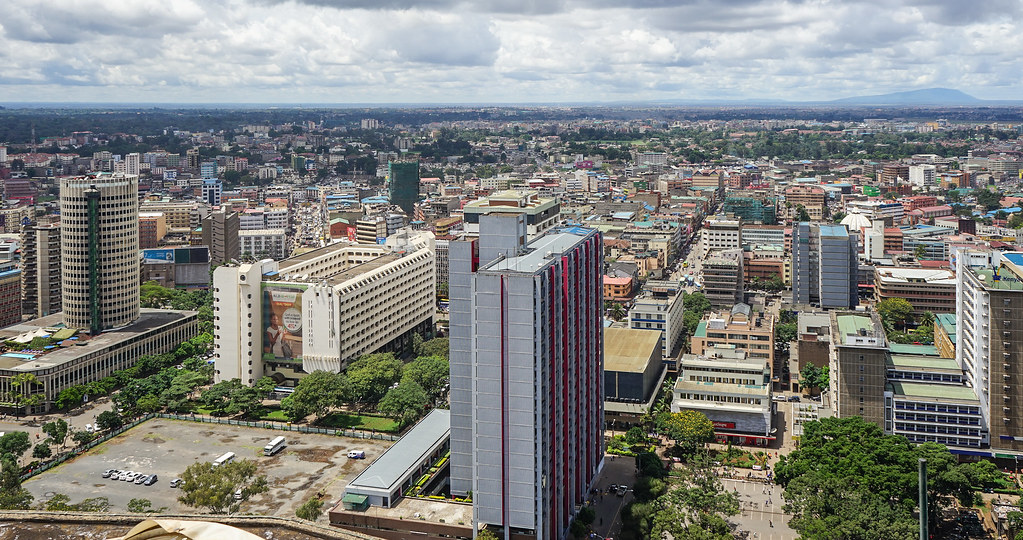
Within the capital, 13,000 Shillings functions as a flexible cushion when balanced across different spending categories. An unmonitored afternoon in high-end shopping centers will exhaust that balance rapidly, yet dispersing those funds through neighborhood markets and standard transport options easily supports several productive days.
| Expense Category | Typical Item | Estimated Cost (KES) | Estimated Cost (USD) |
|---|---|---|---|
| Casual Local Dining | Plate of Nyama Choma & Ugali at neighborhood joint | KES 600 – 900 | $4.65 – $6.95 |
| Mid-Range Cafe Meal | Espresso & breakfast bowl in Westlands | KES 1,200 – 1,800 | $9.25 – $13.90 |
| Urban Transport | Short matatu commute within Nairobi | KES 50 – 100 | $0.40 – $0.75 |
| Ride-Hailing Ride | Off-peak Uber across town (CBD to Kilimani) | KES 450 – 750 | $3.50 – $5.80 |
| SIM & Connectivity | Safaricom line with 10GB data bundle | KES 1,000 | $7.70 |
| Cultural Admission | Karura Forest trail entry (non-resident adult) | KES 600 | $4.65 |
Transport selection significantly alters your burn rate. While ride-hailing services like Uber and Bolt offer transparent pricing, recurring morning gridlock drives up fares. Travelers combining daytime matatus with evening cabs preserve significantly more Shillings for dining and museum admissions, such as the Nairobi National Museum or Karura Forest trail fees.
Boarding the Madaraka Express to Mombasa on a Hundred-Dollar Budget
Intercity transit between Nairobi and the Indian Ocean coast provides a direct showcase of Kenya’s transit value. The Standard Gauge Railway (SGR), operating as the Madaraka Express, runs comfortable passenger trains between the Syokimau Nairobi Terminus and Mombasa daily.
Under current pricing, an Economy Class ticket costs KES 1,500 ($11.60), while First Class stands at KES 4,500 ($34.75). During the 2024 currency slump, an economy fare required barely 9% of a hundred-dollar note; under today’s 129.5 exchange rate, it claims nearly 12% of your cash reserve. Opting for first class accounts for more than a third of the bill, leaving approximately KES 8,450 to cover station transfers and food on arrival. Reaching the Syokimau terminal from central Nairobi via cab typically demands another KES 1,500 to 2,000, underscoring why logistics planning around train schedules matters.
Coastal Realities: Tuk-Tuk Fares and Dining Along Diani Beach
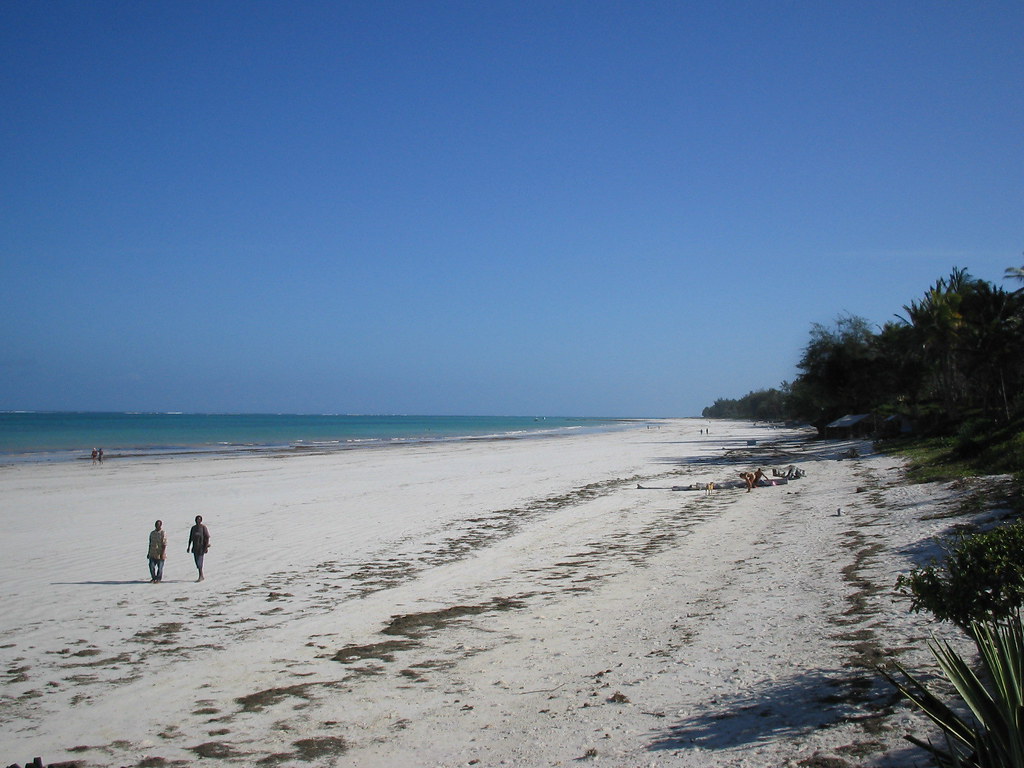
At the coast, foreign currency behaves differently depending on whether you remain inside tourist enclaves or step onto the municipal street grid. Beachfront resorts, dive operators, and luxury restaurants frequently quote bills directly in foreign currency or apply high internal exchange rates on local menus.
Step a few hundred meters behind the shoreline into Swahili town neighborhoods, and a hundred-dollar note regains its strength. A fragrant serving of chicken biryani or goat pilau at an open-air coastal kitchen costs between KES 350 and 500 ($2.70 to $3.85). Fresh coconuts from street carts go for KES 50, and evening skewers of grilled mishkaki trade at KES 100 apiece.
Local transport along Diani Beach Road and Mombasa island centers primarily on motorized three-wheelers (tuk-tuks) and motorbikes (boda-bodas). With national petrol prices regulated near KES 180 per liter, drivers will decline legacy fares found in outdated guidebooks. Standard short-distance hops settle between KES 150 and 300 ($1.15 to $2.30), making tuk-tuks an economical way to navigate between town and the water without burning through your currency reserve.
The Lamu Archipelago Paradox: Is Island Travel Beyond Budget Reach?
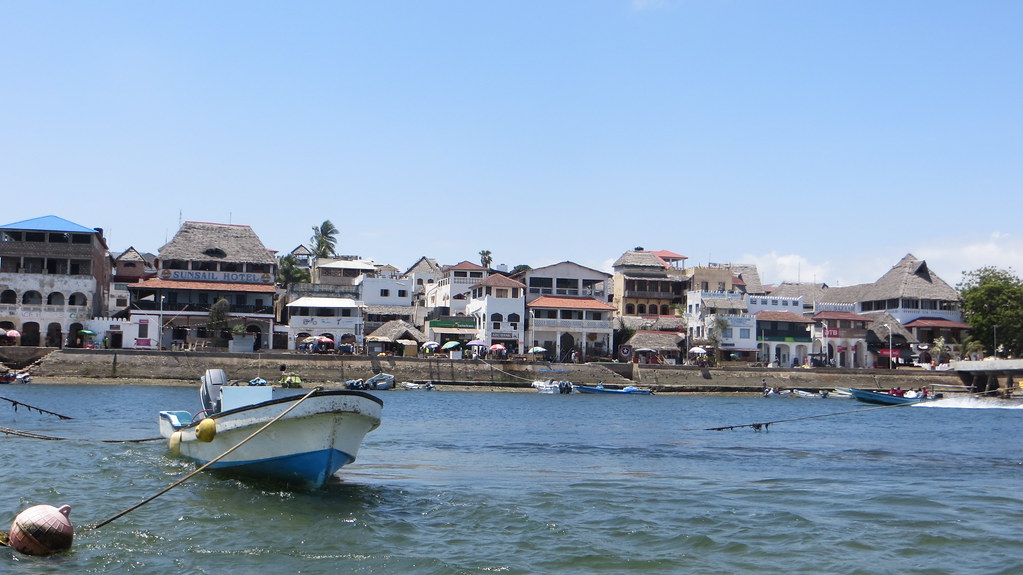
Lamu Island is frequently excluded from budget itineraries under the mistaken impression that its UNESCO World Heritage status makes it exclusively an enclave for luxury travelers. In reality, as detailed in our guide on reasons to visit Lamu, the primary economic hurdle is not daily island living, but the transport toll required to reach it.
Reaching Manda Airport from Nairobi Wilson or Mombasa requires a domestic flight that typically costs between $80 and $140 one-way, immediately consuming or surpassing an entire $100 allocation. However, for travelers who have already budgeted their flight or made the overland journey via Malindi to the Mokowe jetty, on-ground purchasing power on Lamu Island divides sharply between two distinct geographical realities.
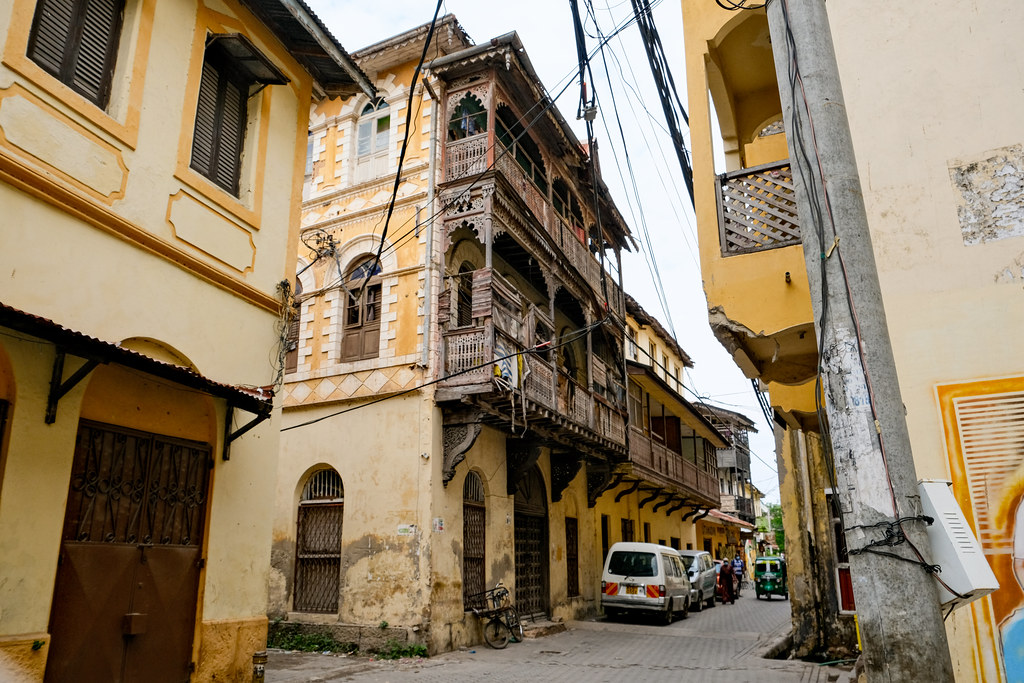
In Shela Village, high-end restored Swahili mansions and boutique beachfront resorts command luxury rates, where a single seafood dinner can easily reach $35. In contrast, Lamu Old Town—among the most culturally rich of the islands along Kenya’s coast—offers some of the most authentic and accessible living in East Africa. With no motor vehicles on the island, intra-town transit costs are zero, while shared wooden motorboats to Shela cost just KES 150 to 200 ($1.15 to $1.50).
| Expense Category | Item / Activity in Lamu Old Town | Estimated Cost (KES) | Estimated Cost (USD) |
|---|---|---|---|
| Heritage Accommodation | Two nights in a traditional stone Swahili guesthouse | KES 6,500 | $50.00 |
| Authentic Coastal Dining | Six local meals (pilau, grilled fish curry, tamarind juice) | KES 2,850 | $22.00 |
| Channel Water Transit | Four shared boat shuttles between Old Town and Shela Beach | KES 650 | $5.00 |
| Sunset Sailing Excursion | Shared traditional dhow sunset cruise along the mangroves | KES 1,950 | $15.00 |
| Cultural Heritage Entry | Lamu Fort and Lamu Museum entry tickets | KES 650 | $5.00 |
| Street Snacks & Spiced Chai | Mahamri, samosas, roasted cassava, and spiced ginger tea | KES 400 | $3.00 |
A single $100 bill in Lamu Old Town comfortably covers a full 48-hour cultural immersion, including private heritage accommodation, fresh Swahili cooking, and a sunset dhow sail. The critical rule for budget travelers is staying anchored in Old Town guesthouses rather than beachfront resort properties.
Cross-Border Purchasing Power: Kenya Versus Nigeria and Ghana
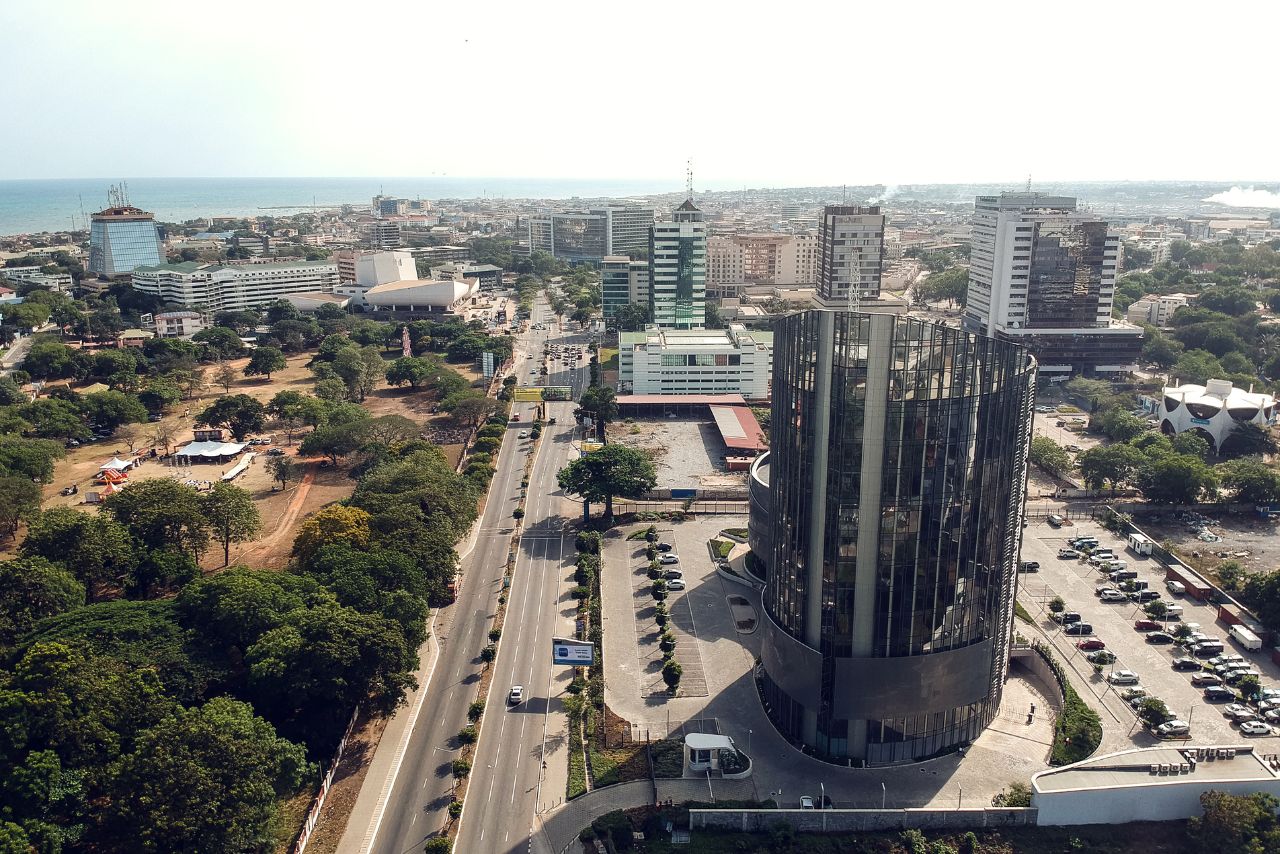
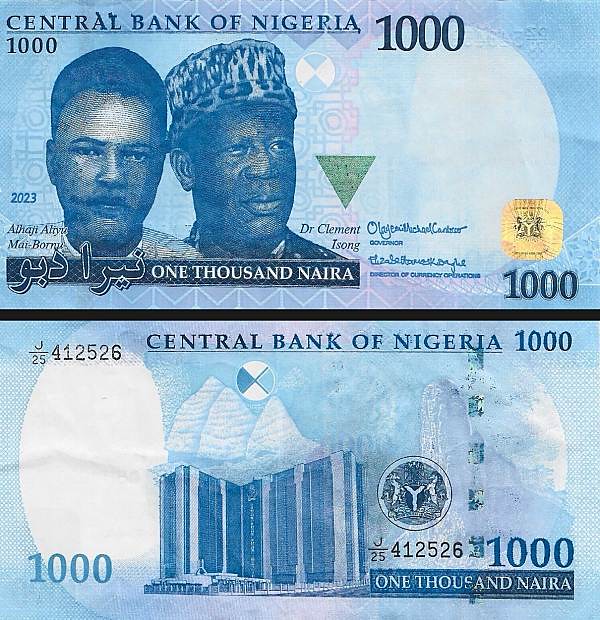
Kenya’s recent currency stabilization sets it apart from major economic hubs across sub-Saharan Africa. While the Kenyan Shilling regained ground and contained severe consumer swings, the Nigerian Naira experienced substantial depreciation, trading well beyond 1,500 Naira per dollar. Consequently, as broken down in our analysis of what $100 buys in Nigeria, a hundred-dollar note yields over 150,000 Naira in Lagos, providing immense purchasing leverage on domestic dining and overland journeys.
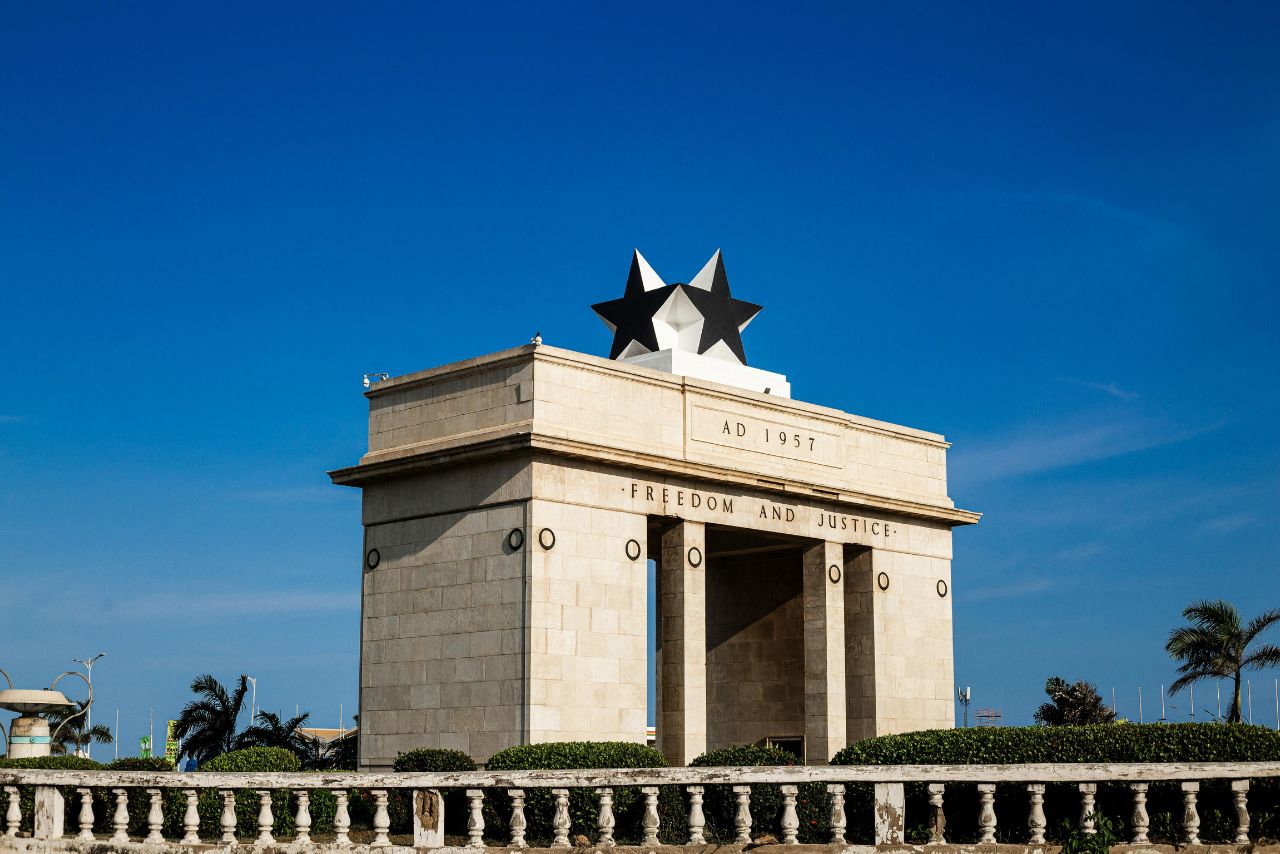
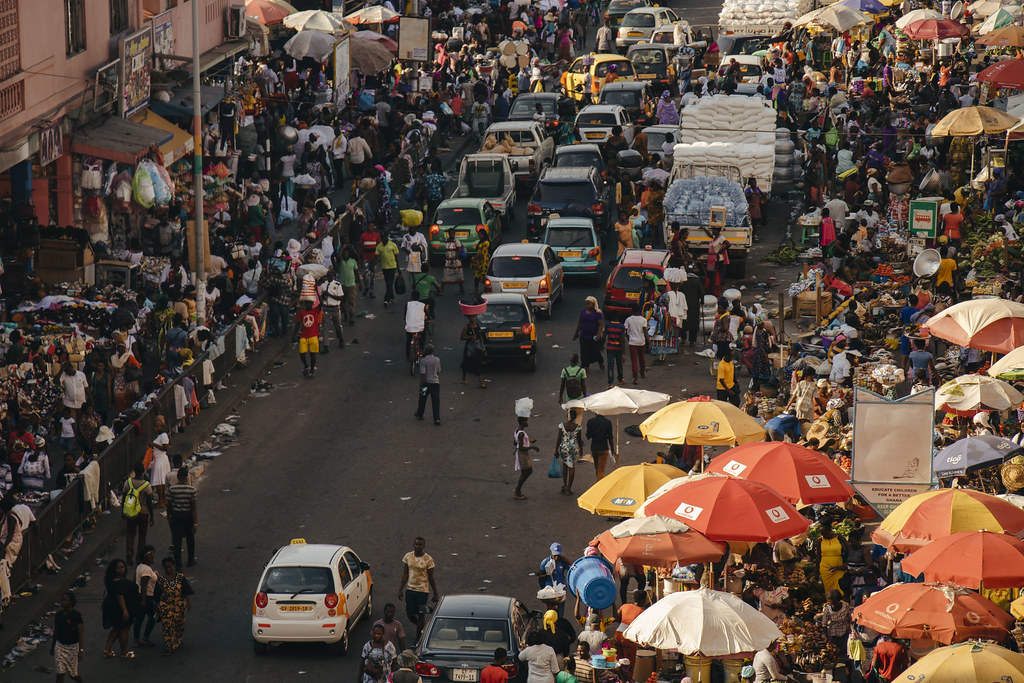
In Accra, where a hundred dollars fetches roughly 1,550 Ghanaian Cedis, heavy import tariffs keep consumer electronics and specialty groceries relatively costly, even while local staples remain accessible—see our detailed pricing report on what $100 buys in Ghana for street-level breakdowns. Similarly, examining what $100 buys in Uganda highlights how regional East African currency policies create vastly different overland cost baselines.
For travelers planning broader regional adventures that pair urban exploration with wildlife conservation, comparing these day-to-day city figures against our comprehensive safari cost breakdown provides a clear picture of vehicle hire, park entry fees, and bush lodge pricing across the country.