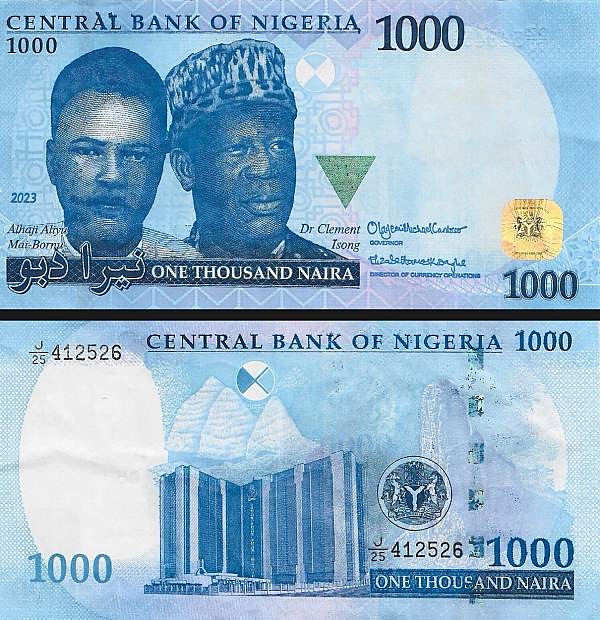
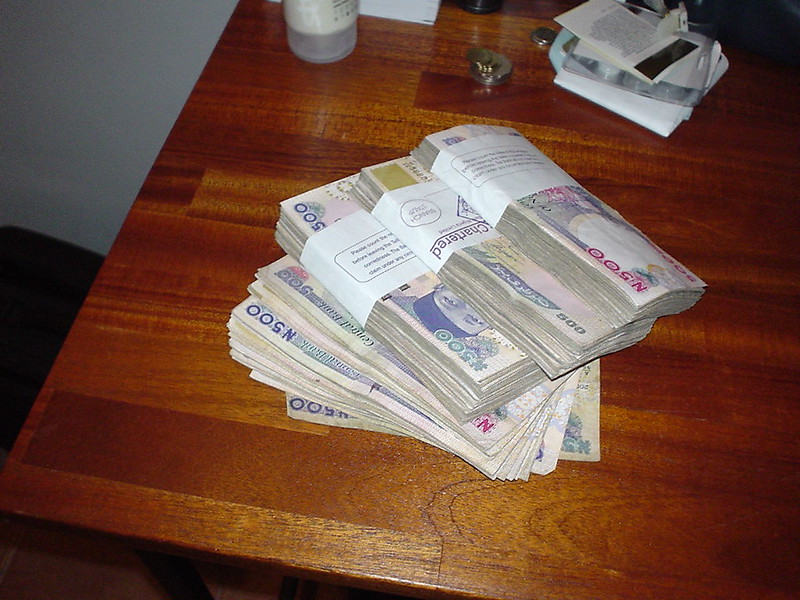
Exchanging $100 USD in Nigeria yields approximately ₦145,000 NGN on the parallel market, representing massive purchasing power. While this budget easily covers 4 to 5 days of mid-range dining, local transport, and a high-speed SIM card in Lagos or Abuja, severe local card failure rates, low ATM withdrawal limits, and fuel-driven cash demands require travelers to carry physical Naira cash.
Exchanging the $100 Bill: Parallel Rates and Banknote Restrictions
Parallel market Bureau de Change (BDC) operators and local banks enforce strict quality standards. USD bills must be pristine, uncreased, unsoiled, and printed after the 2013 series. Bills printed before 2013 are regularly rejected or subjected to a steep 15% to 30% markdown.
Large denominations ($50 and $100 bills) secure higher rates (up to ₦200,000 NGN per $100 in 2023, just after the Naira was floated by the Central Bank of Nigeria). Smaller bills ($1, $5, $10, and $20) are exchanged at significantly lower rates.
The official exchange rate floats near ₦1,338 per USD, whereas the parallel/street rate consistently yields larger amount (depending on a host of factors, including demands).
Never exchange cash with undocumented street-side money changers. Always use licensed BDC offices located inside the secure lobbies of major international hotels.
Transit Logistics and E-Hailing Protocols
Uber completely exited the Nigerian market on September 2, 2026, due to the widely touted chaos of the Nigerian market, global inflation, and a corporate pivot. Do not search for Uber. The primary remaining active ride-hailing apps are Bolt and inDrive.
Petrol (PMS) prices have surged past ₦1,400 per litre (trading between ₦1,400 and ₦1,500 in some parts). To cope with intense fuel operating costs, e-hailing drivers regularly refuse in-app card payments, demanding physical Naira banknotes or direct local bank transfers before moving. You aren’t obliged to accept or decline. Short intra-city trips start from ₦4,000 to ₦6,000.
E-hailing pickups at Lagos Murtala Muhammed International Airport (LOS) are legally restricted from stopping at the terminal curb. Travelers must walk with their luggage to the multi-story car park to meet their ride.
The official Federal Airport Authority of Nigeria (FAAN) ACHRAMS passenger app for licensed airport taxis (which charge flat rates of ₦25,000 to ₦45,000) is regularly offline or buggy. Yellow taxi drivers almost exclusively demand physical cash or local bank transfer.
Never hail unmarked street taxis or board public buses (Danfos) from unorganized roadsides, particularly after dark. Violent “One-Chance” syndicates operate these vehicles to rob or hold passengers for immediate ransom. Always use Bolt or InDrive with strict plate-matching, or pre-arrange hotel shuttles.
Fintech Blocks and ATM Cash Limits
International cards fail over 20% of the time at point-of-sale terminals due to intermittent banking network timeouts.
Relying on ATMs with foreign cards is a high-risk strategy. Local ATMs cap withdrawals at low limits per transaction (typically ₦20,000 to ₦40,000) and charge high fees of ₦1,000 – ₦2,000 per swipe. Carry cash.
The Banknote Filter: Physical Quality Controls for Foreign Currency
When budgeting for the cost of everyday items in Lagos or Abuja, travelers must prepare crisp banknotes.
Local money changers and commercial bank tellers enforce a strict condition filter. They routinely reject foreign currency bills that are torn, dirty, marked, or stamped with ink. Furthermore, bank tellers and street money changers enforce a strict serial date policy, rejecting banknotes issued before the 2013 series. To prevent transaction failures and secure the best cash exchange rates, travelers must carry pristine, uncreased bills featuring the modern blue 3D security ribbon. Pristine bills only. No exceptions.
Extreme Divergence in Value Between Local and Imported Goods
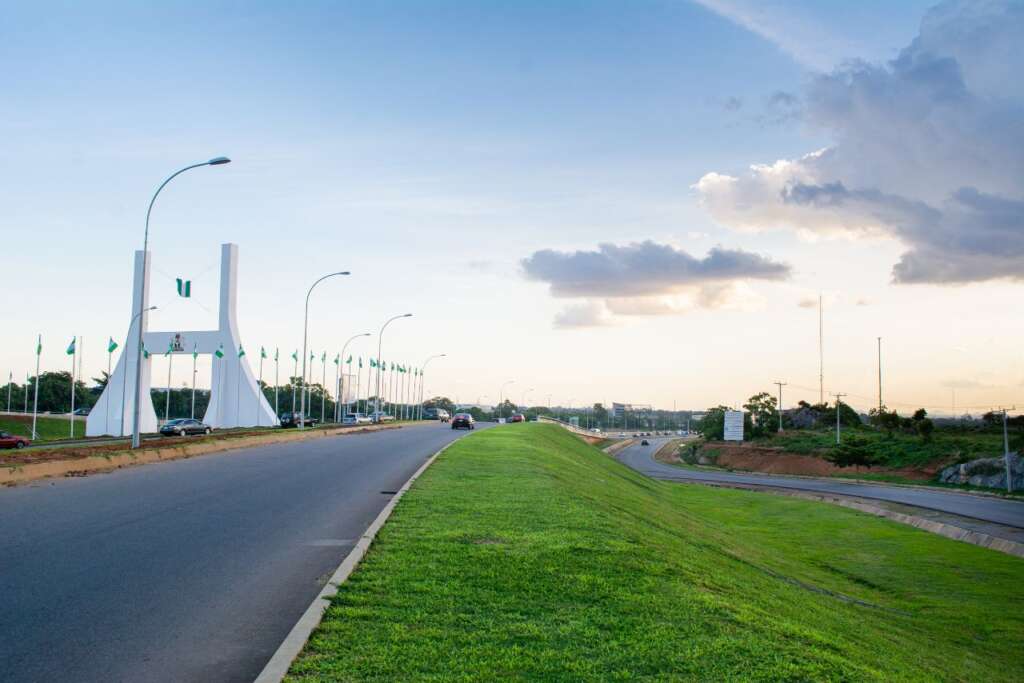
There is an extreme divergence in the price of everyday items in Lagos and Abuja depending on their origin.
Specifically, 100 USD possesses high purchasing power for locally produced agricultural staples (e.g., yams, cassava, locally processed rice) and basic domestic services. These local options offer outstanding value for a traveler with USD. Street foods offer immense value. In contrast, 100 USD has low purchasing power for imported commodities, subscription services, and foreign consumer electronics, which are universally pegged to global dollar benchmarks. Choosing imported snacks or dining at Western-style fast-food joints will drain your wallet in seconds. Stick to local products. Avoid these traps.
Touchdown Essentials: Communication and Transit Budgets Upon Arrival
Managing your initial touchdown costs in Lagos or Abuja is essential to keeping your budget intact during your first few hours on the ground.
Local Mobile Connections: MTN SIM Card Setup and Biometric Requirements
Staying connected on the go is another basic expense. A physical MTN SIM card has a low baseline price of ₦200 to ₦1,000 at official kiosks in Abuja and Lagos airports.
When you add a comprehensive starter data plan (10GB to 25GB), the total mobile setup cost ranges from ₦5,000 to ₦10,000 ($2 to $7 equivalent). Under regulations enforced by the Nigerian Communications Commission (NCC), foreigners cannot use prepaid mobile connections instantly. You must undergo mandatory biometric registration, linking your passport ID to your SIM card at an authorized dealer before the line is activated. Registering is legally mandatory. Do not skip this step.
Local Cost Benchmarks in Lagos and Abuja
| Item/Expense Category | Local/Budget Tier | Mid-Range Tier | High-End/Luxury Tier |
|---|---|---|---|
| Bottled Water (750ml) | ₦200 – ₦300 | ₦400 – ₦600 | ₦800 – ₦1,200+ |
| Single Meal | ₦3,500 – ₦6,000 | ₦15,000 – ₦25,000 | ₦35,000 – ₦60,000+ |
| Dinner for Two | ₦8,000 – ₦12,000 | ₦40,000 – ₦65,000 | ₦80,000 – ₦150,000+ |
| Intra-City Transit/Trip | ₦1200 – ₦2500 (Danfo) | ₦4000 – ₦6,000 | ₦6,000 – ₦22,000 (Ride) |
| SIM Activation & 15GB | ₦5,000 – ₦10,000 | N/A | N/A |
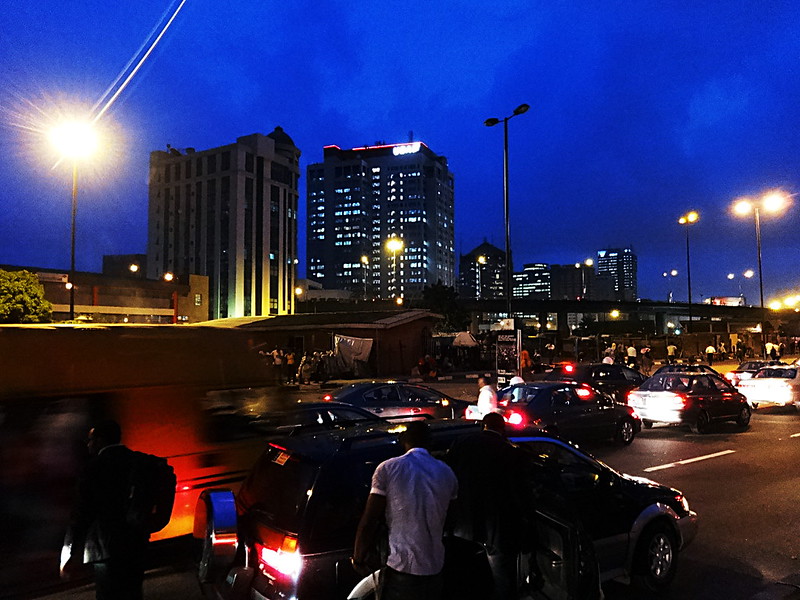
Street-side Buka joint meals range from ₦3,500 to ₦6,000 depending on the protein choice. Under-₦1,000 claims are completely obsolete due to inflation.
A two-course meal for two in upscale neighborhoods (such as Victoria Island in Lagos or Wuse in Abuja) averages ₦40,000 to ₦65,000 (typically ₦50,000 – ₦55,000 without alcohol).
Standard sandwich bread in Abuja costs marginally more (ranging between ₦1,400 – ₦2,500) than in Lagos (ranging between ₦1,200 – ₦2,200) due to higher baker’s utility overheads.
Recommendation: Have you Seen Our List of 10 Actually Cool Things You Can Do in Abuja?
Red Palm Oil Wholesale and Carcinogenic Contamination Risks
Wholesale 25L drums trade between ₦48,000 and ₦55,000. Retail 4L containers trade between ₦11,500 and ₦14,000.
Open-market red palm oil is frequently adulterated with Sudan Red dye (an illegal, carcinogenic industrial colorant used to artificially enhance red intensity).
Buyers must verify that Free Fatty Acids (FFA) are strictly below 5% and moisture content is below 0.1% to guarantee purity. Secure oil from verified modern grocery chains or tested agricultural suppliers.
Pricing Dynamics of Local Plates and Drinks
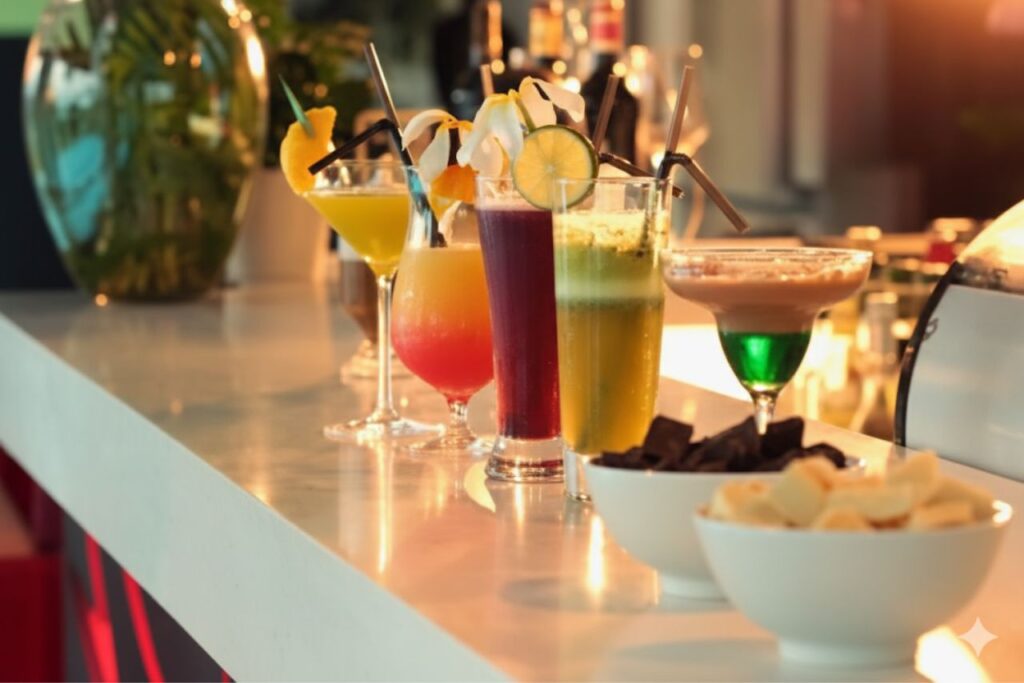
Food and beverage costs in Nigeria vary widely depending on whether you choose local dining spots or upscale international restaurants.
Head-to-Head: Neighborhood Bukas vs. Sit-Down Dining
Savoring local dishes is both culturally rewarding and highly cost-effective. A complete local meal featuring jollof rice, plantains, and protein at a casual neighborhood buka or street-style eatery costs between ₦3,500 and ₦6,000. If you prefer a sit-down dining experience with air conditioning and table service, a standard meal at a mid-range restaurant starts around ₦15,000 to ₦25,000. Upscale international dining in commercial districts such as Victoria Island or Maitama will quickly exceed ₦35,000 to ₦60,000 per person. Prices fluctuate constantly. Choose local dining options to maximize your $100 purchasing power.
Sourcing Safe Drinking Water and Regional Brews
Beverage costs are highly affordable if you choose local regional options.
A standard bottle of purified drinking water (750ml) has an everyday cost of ₦200 to ₦600 depending on the retailer. Popular local regional beers, such as Goldberg, Gulder, or Star, cost approximately ₦1,500 to ₦1,800 at standard bars and outdoor gardens. In contrast, premium international beer brands like Heineken are more expensive, costing ₦3,000 or more per bottle. Choose local brands to save.
Estimated One-Week Touchdown Expense Stack
To visualize the purchasing power of $100, we have compiled a realistic touchdown budget using a conservative conversion baseline of 145,000 NGN. This allocation covers the essential needs of an incoming traveler during their first week in Lagos or Abuja:
| Commodity / Service | Cost per Unit (NGN) | Quantity | Total Spent (NGN) |
|---|---|---|---|
| MTN SIM Card + 15GB Starter Data | ₦6,500 | 1 | ₦6,500 |
| E-Hailing Airport Transfer (Island) | ₦18,000 | 2 (Roundtrip) | ₦36,000 |
| Casual Buka Meal (Local Food) | ₦4,500 | 10 Meals | ₦45,000 |
| Mid-Range Restaurant Dining | ₦18,000 | 2 Meals | ₦36,000 |
| Regional Brew (Star/Goldberg) | ₦1,800 | 6 Bottles | ₦10,800 |
| Purified Bottled Water (750ml) | ₦400 | 15 Bottles | ₦6,000 |
| Ride-Hailing Trips (City Transit) | ₦5,000 | 2 Rides | ₦10,000 |
| Total Expenditure | ₦139,500 |
This comprehensive stack leaves you with a surplus of 5,500 NGN for tips, snacks, or emergency needs, illustrating that a single $100 bill provides a highly comfortable buffer for touchdown logistics and basic daily costs.
Legal Tender Laws and Local Payment Alternatives
Understanding local legal tender laws is essential for managing your travel wallet.
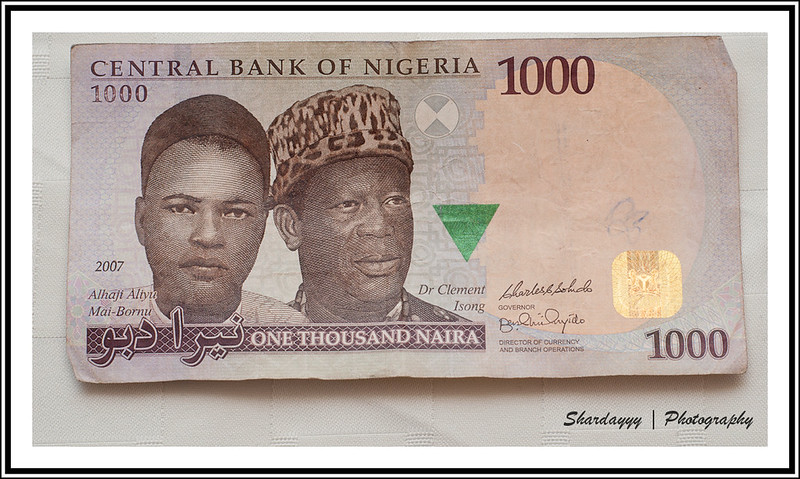
Under Central Bank of Nigeria regulations, USD is not legal tender, and merchants are legally barred from accepting foreign currencies. All transactions must be conducted in Naira. Converting 100 USD introduces operational friction, including mandatory KYC documentation at formal banks, physical safety risks in informal markets, or transfer limits on P2P/crypto platforms. Carrying large bundles of Naira cash (particularly ₦1,000 notes, the highest common denomination) is bulky and presents safety risks.
To stay secure, exchange crisp USD bills on arrival at a licensed BDC inside your hotel lobby rather than relying on unpredictable ATMs. While digital wallets like MTN MoMo, OPay, and PalmPay dominate local daily commerce, strict Central Bank of Nigeria regulations mandate a local Bank Verification Number (BVN) or National Identification Number (NIN), preventing short-term foreign tourists from independently activating these apps.
Instead, ask a trusted local host or your hotel concierge to facilitate direct instant bank transfers when e-hailing drivers or vendors refuse foreign cards. Carry less physical cash where possible, but always ensure your primary transit and dining wallets are stocked with enough physical Naira notes.