Uganda rarely tops conventional best-value travel lists, but foreign currency goes remarkably far when you spend it like a local.
In late 2026, foreign exchange dynamics shifted sharply as the Ugandan shilling weakened past USh 4,500 per US dollar, prompting the Bank of Uganda to tighten monetary policy and raise the Central Bank Rate to 12%.
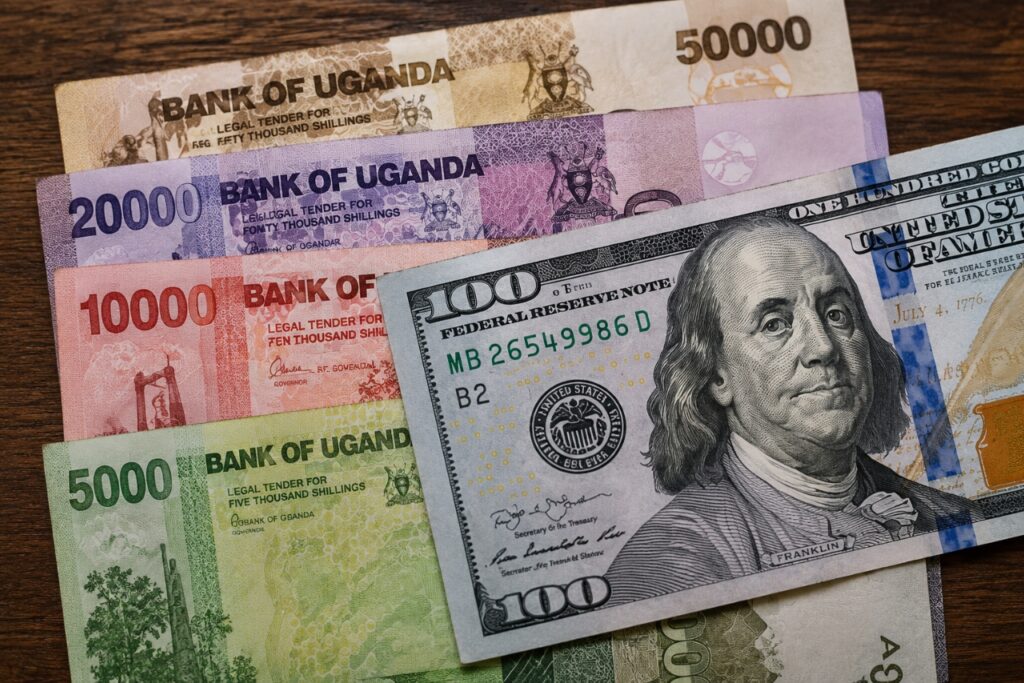
At this current rate, $100 exchanges for roughly USh 450,000—delivering an extra USh 100,000 in nominal cash compared to earlier in the year.
What travelers encounter on the ground is a fascinating two-speed economy. Fresh farm staples grown in Uganda’s fertile soil remain astonishingly affordable in local currency, while imported goods and fuel-dependent services feel the pressure of shilling inflation.
Local knowledge makes all the difference.
Let’s look at what $100 actually buys you in Uganda today, from bustling Kampala markets to neighborhood rooms and wildlife realities.
From Dollars to Shillings: The Bureau Reality
When you step into an authorized bureau de change in downtown Kampala, electronic boards typically quote commercial cash rates around 1 USD ≈ 4,450 to 4,550 UGX.
Exchanging a single $100 bill suddenly leaves your wallet thick with almost half a million shillings. It feels like a small fortune when street snacks and local bus rides cost just a couple of dollars.
Condition matters just as much as the rate.
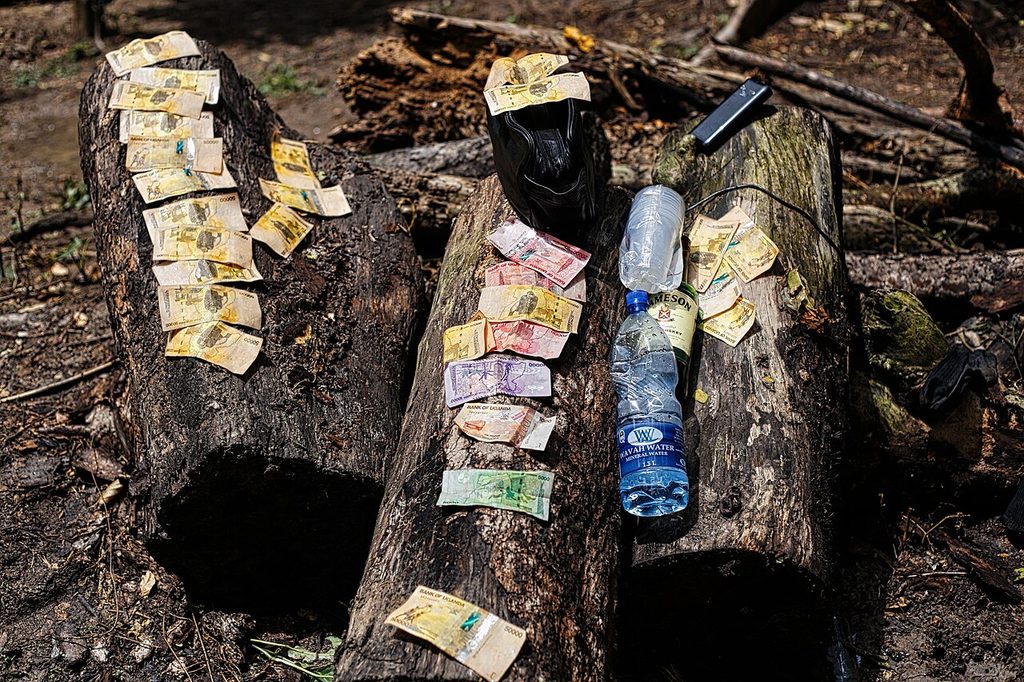
Ugandan forex bureaus follow strict cash standards. Always bring crisp, uncreased bills printed in 2013 or newer. Notes with tears, ink marks, or pre-2013 series dates are routinely turned away or discounted heavily.
Turning $100 into a Week of Feasts in the Market
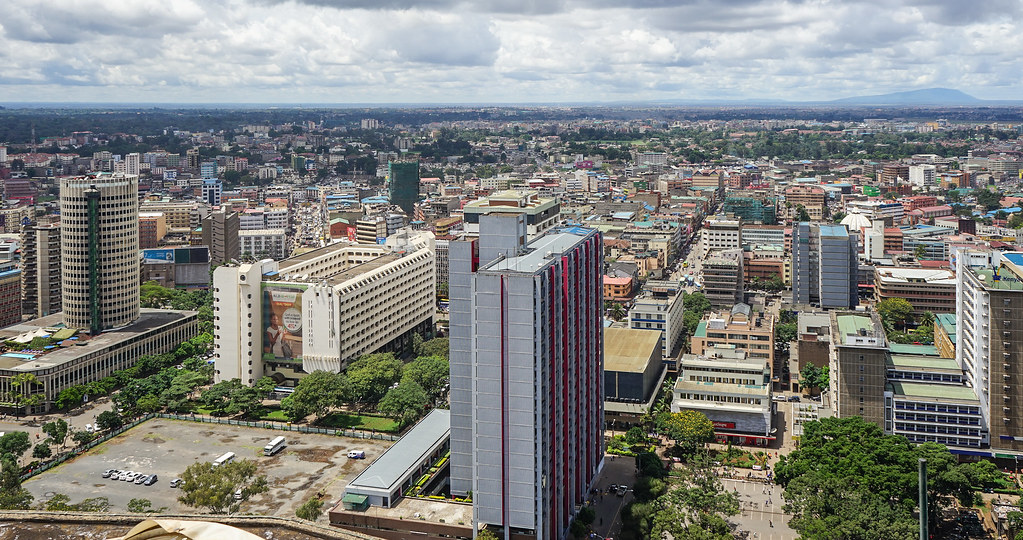
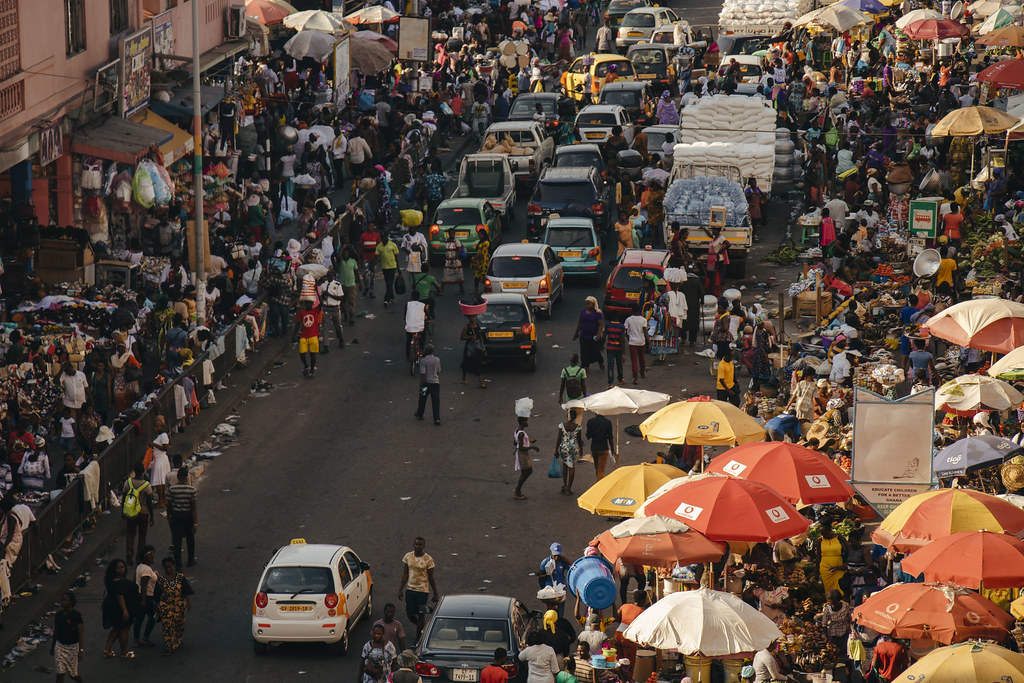
Kalerwe Market along Gayaza Road is Kampala’s great wholesale food engine. Produce arrives by the truckload from the countryside at dawn, and prices here remain remarkably sheltered from imported currency shocks.
Sellers price goods by the kilogram or heap, greet you warmly, and often add an extra piece to your basket once you agree on a price.
| Staple | Quantity | Typical Price (UGX) | Cost in USD (~4,500 UGX/$) |
|---|---|---|---|
| Beef (fresh, boneless) | 3 kg | USh 18,000 – 20,000 / kg | $12.00 – $13.30 |
| Nambale beans | 10 kg | USh 4,000 – 4,500 / kg | $8.90 – $10.00 |
| Long-grain rice | 10 kg | USh 4,000 / kg (wholesale lane) | $8.90 |
| Posho (maize flour) | 10 kg | USh 2,500 / kg | $5.55 |
| Matooke bunch (20 kg) | 1 giant stalk | USh 25,000 – 30,000 | $5.55 – $6.65 |
| Tomatoes | 5 kg | USh 2,000 / kg | $2.20 |
| Red onions | 3 kg | USh 2,500 / kg | $1.65 |
| Watermelons | 2 large fruits | USh 8,000 – 10,000 each | $3.55 – $4.45 |
| Cooking oil (Refined vegetable) | 2-L bottle | USh 18,000 – 20,000 | $4.00 – $4.45 |
| Laundry bar soap | 10-bar pack | USh 12,000 | $2.65 |
This entire mountain of food totals roughly USh 230,000 ($51 USD), easily feeding two people for a week while leaving half of your $100 untouched.
Beef, Fish & Local Chickens
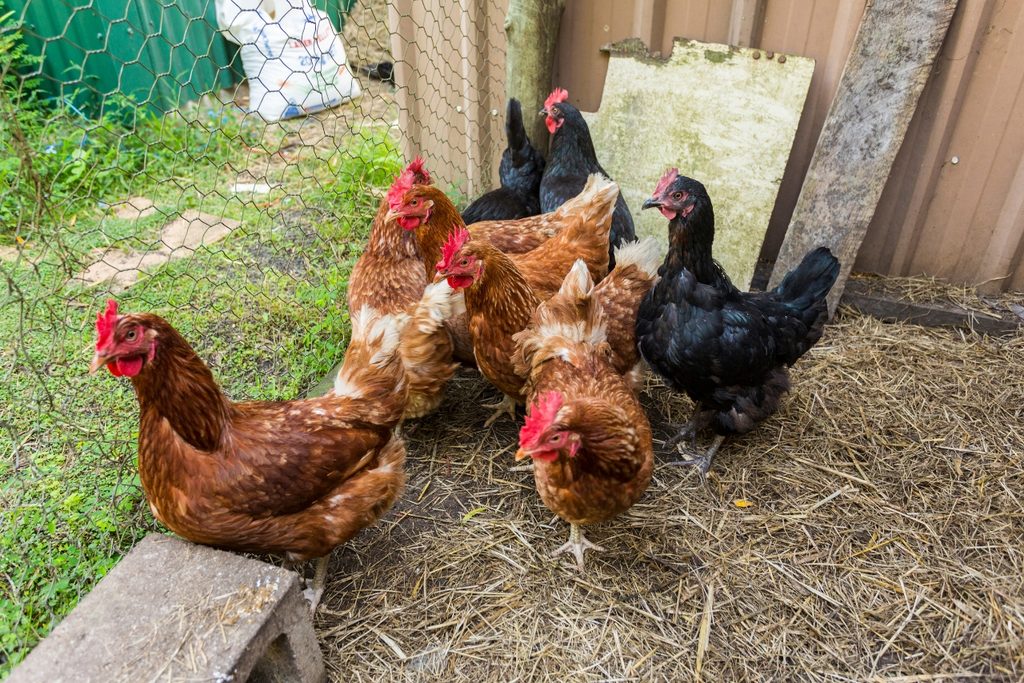
Uganda’s cattle corridor runs through central grazing savannas that keep fresh meat flowing into the capital. Boneless beef sells for USh 18,000 to 20,000 per kilo, which works out to barely $4.20 a kilo for prime stewing cuts.
If you prefer fish, take an early morning trip to Ggaba Landing Site on the shores of Lake Victoria. Whole Nile perch and tilapia gleam on wooden canoes fresh from night catches, selling for USh 10,000 to 14,000 per kilo ($2.20 to $3.10).
Fresh lake fish is an unbeatable bargain.
Rice, Beans & Uganda’s Green Gold
Matooke is the heartbeat of Ugandan cuisine. These green cooking bananas are peeled, wrapped tightly in banana leaves, and steamed over firewood until they turn tender, yellow, and deeply savory.
A single 20-kilo stalk costs around USh 25,000 ($5.55) and can anchor family meals for days. It proves how far $100 goes when food travels directly from farm to stall without packaging markups.
Combine that with posho for morning porridge and aromatic long-grain rice for evening pilau, and your kitchen will be well-stocked for very little money.
Fresh Produce & Seasonal Fruit
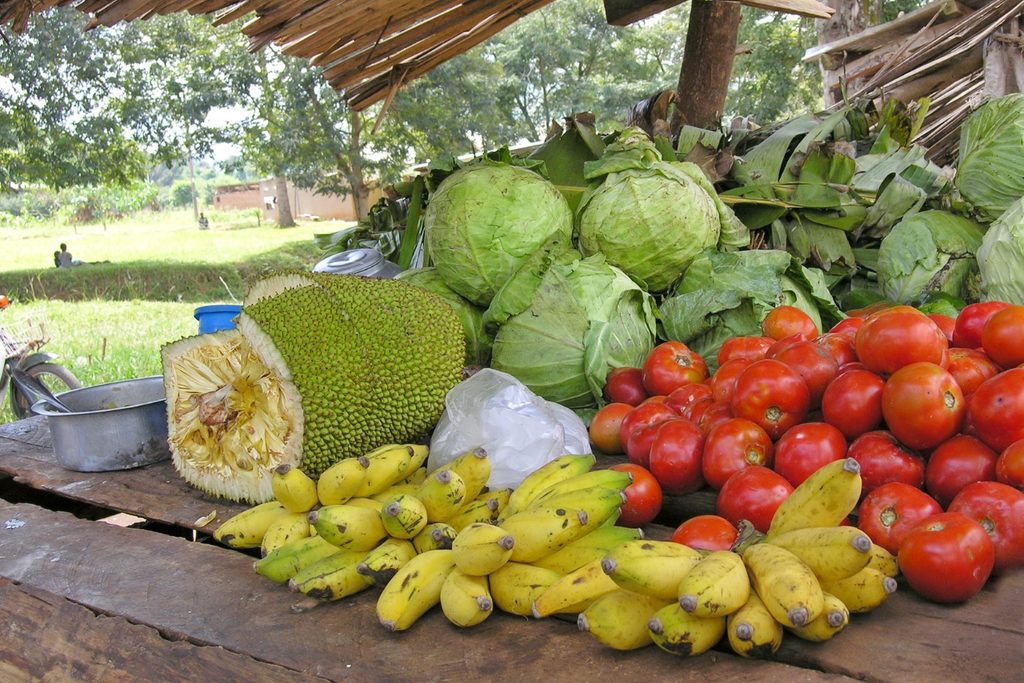
Uganda enjoys two generous rainy seasons and fertile soils, keeping fresh greens and sweet fruits plentiful throughout the year.
A generous bundle of leafy spinach, nakati, or sukuma wiki rarely costs more than USh 1,000 (about twenty-two cents). Sweet pineapples, passion fruit, and avocados cost a fraction of what you would pay anywhere in Europe or North America.
Household Essentials & Digital Connectivity
- Laundry bar soap (10-bar pack): USh 12,000 ($2.65) covers household washing for an entire month.
- Cooking gas refill (6-kg cylinder): USh 54,000 ($12.00) fuels regular home cooking for three to four weeks.
- Mobile data bundle (15 GB): USh 42,000 ($9.30) on MTN or Airtel Uganda, giving you reliable 4G data for remote work, maps, and streaming.
Spending another USh 108,000 ($24 USD) on these essentials brings our running total to roughly USh 338,000 ($75 USD).
You still have more than USh 110,000 in change from your initial hundred-dollar bill.
Can $100 in Uganda Cover Rent?
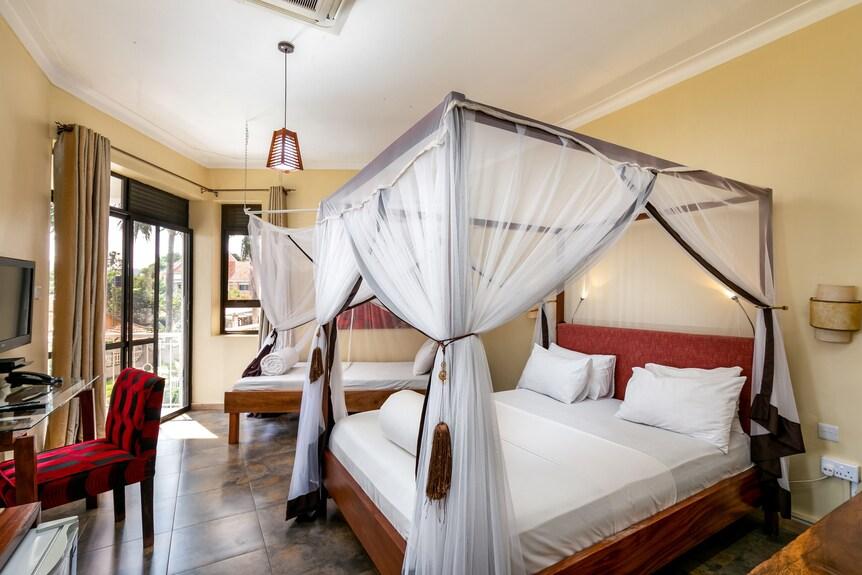
The short answer is: in the right neighborhood, surprisingly close.
In working-class eastern suburbs like Kireka, Kitintale, or Banda, a single self-contained room with a private bathroom costs between USh 250,000 and 350,000 per month ($55 to $78 USD).
Upscale neighborhoods like Naalya, Kololo, or Ntinda operate on a different scale, where modern studios and serviced apartments run well over USh 600,000. But if you share a two-bedroom apartment with a friend in an accessible suburb, $100 can cover your entire monthly share of rent and utilities.
Shelter here remains genuinely accessible.
Getting Around Kampala & Beyond
Motorcycle taxis, known universally as boda-bodas, are the nervous system of urban travel in Uganda.
A typical five-kilometer city ride costs between USh 3,500 and 5,000 ($0.78 to $1.10 USD), whether hailed on the street or booked via ride-hailing apps like SafeBoda. Shared commuter minibuses, known as matatus, cost even less at USh 1,500 to 2,500 ($0.33 to $0.55) per leg.
Setting aside $15 a week (around USh 67,500) gives you total urban mobility for daily errands, market runs, and cross-town meetings.
What $100 Gets You as a Visitor
If you are visiting Uganda on holiday rather than settling in for a month, that same $100 delivers a remarkably full travel experience.
Instead of spreading the money across weekly groceries, you can treat yourself to an immersive day exploring the capital.
Start your morning with a fresh roadside Rolex—warm chapati rolled around a two-egg vegetable omelette—for just USh 2,500 ($0.55). Add a rich cup of single-origin Ugandan Arabica coffee at a local café for USh 10,000 ($2.20).
Hop on a boda-boda to visit cultural landmarks like the Kasubi Tombs or the Uganda Museum, where visitor entry costs around USh 20,000 ($4.40). For lunch, sit down for a traditional Luwombo meal—smoked beef or chicken steamed in banana leaves with savory peanut sauce—costing roughly USh 25,000 ($5.55).
End your afternoon watching the sunset over Lake Victoria at Munyonyo or Ggaba with a cold Nile Special beer and fresh grilled fish for USh 35,000 ($7.75).
You have enjoyed a memorable day of culture, dining, and transit for less than USh 95,000 ($21 USD).
The Fast-Food vs. Local Dining Math
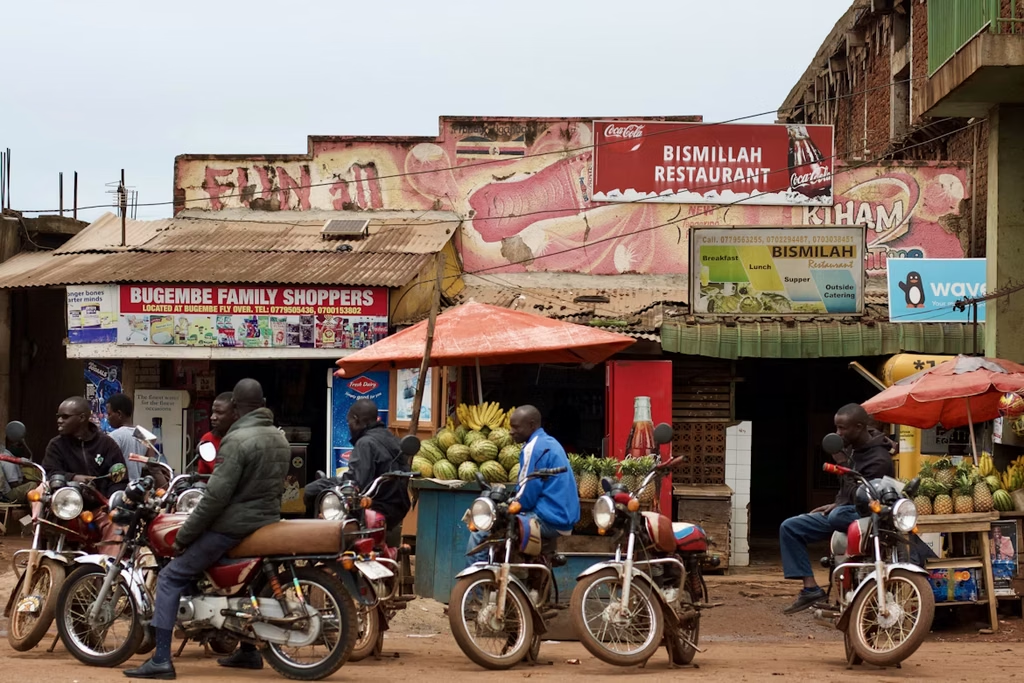
The gap between imported franchise dining and authentic Ugandan food illustrates the power of local spending.
At an international chain like KFC in Kampala, a 9-piece chicken bucket costs around UGX 55,000 (roughly $12.20 USD). While that is cheaper than the $19 you might spend in the United States, it represents a substantial expense in local terms.
By contrast, that same UGX 55,000 spent at a neighborhood spot buys two massive whole grilled tilapias with chips, avocado, and plantains, feeding four people comfortably.
Local food always wins.
What $100 Won’t Get You in Uganda
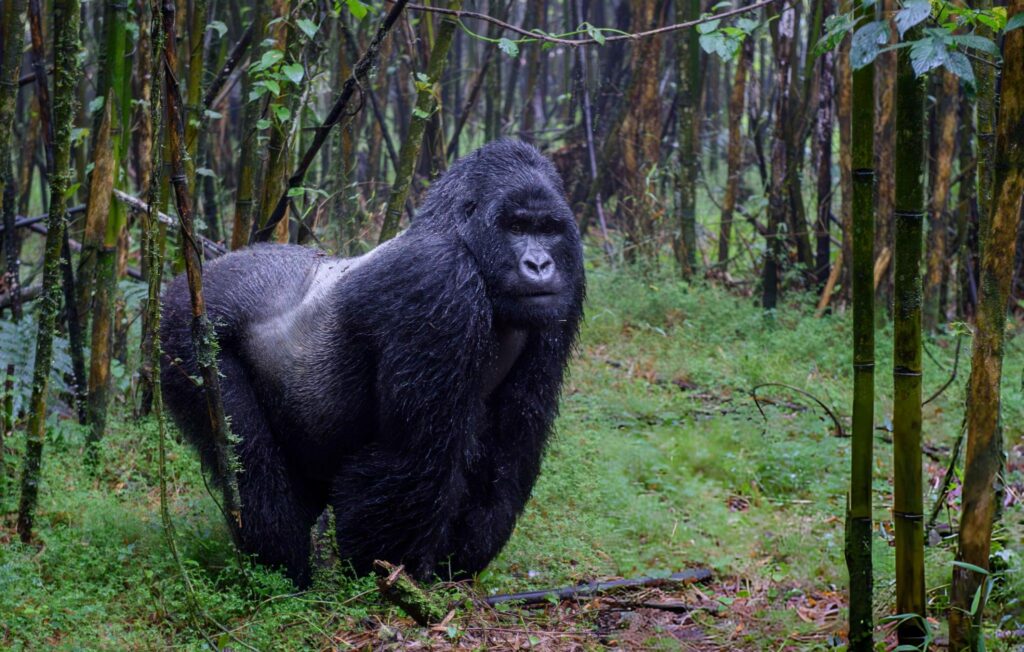
It is easy to paint a picture of a country being completely inexpensive when focusing only on street food and wholesale markets.
Uganda offers outstanding budget value for daily living, but premium wildlife tourism operates under an entirely different pricing framework.
Gorilla trekking is the clearest example. The official Uganda Wildlife Authority (UWA) permit for a Foreign Non-Resident in Bwindi Impenetrable National Park or Mgahinga Gorilla National Park costs $800 USD per person ($600 USD during promotional low-season months of April, May, and November). A $100 budget will not cover even a fraction of the permit.
Similarly, entering major savannah reserves like Murchison Falls or Queen Elizabeth National Park costs $40 USD per adult per 24 hours for international visitors. The subsidized USh 25,000 to 40,000 tickets you might hear about are reserved strictly for Ugandan and East African Community citizens.
Our dedicated guide to the best African safaris breaks down realistic budgets for multi-day itineraries across Murchison Falls, Kibale, and Queen Elizabeth.
Treat your $100 as on-the-ground spending power for culture, food, and daily transit, rather than a full safari fund.
Essential Advice Before Spending Cash in Uganda
Small fruit vendors, matatu conductors, and roadside stalls do not accept international credit cards. Always carry physical shillings for neighborhood markets and casual transport.
Setting up mobile money early makes daily payments effortless. Registering a local MTN or Airtel SIM card with your passport lets you use mobile money (MoMo), which is accepted by nearly every merchant across the country.
Always confirm the final fare before swinging your leg over a boda-boda. Agreeing on the price beforehand prevents awkward negotiations at your destination.
Holding hundreds of thousands of shillings can feel disorienting at first. Anchor your thinking in what those notes actually purchase rather than the large face value.
Always keep an emergency buffer.
Final Thoughts
What $100 buys you in Uganda is not merely a mountain of groceries or a pocketful of shillings.
It buys you the freedom to move through a vibrant country without constantly calculating every minor expense.
You can share a steaming pot of matooke with new acquaintances, cross Kampala on a boda-boda, sip rich coffee grown on mountain slopes, and still finish the day with money in your pocket.
That is what real travel value feels like.