Step onto a sunlit rooftop overlooking a North African square and every laminated menu looks suspiciously identical. Walk two turns into a residential lane and half your bill vanishes while the food wakes up completely.
The terrace sells you the view. Side-street kitchens sell you dinner.
From Marrakech’s narrow alleys down to downtown Cairo and Tunis, memorable meals rarely come from stiff white-tablecloth rooms. They come out of bathhouse ash pits, tall copper bean cauldrons, and tiny counter fryers packed before noon.
Here is what locals eat instead, what dishes cost in local currency, and how to dodge square markups without overthinking every bite.
Morocco: Side-Street Tagines and Hammam-Baked Tanjia
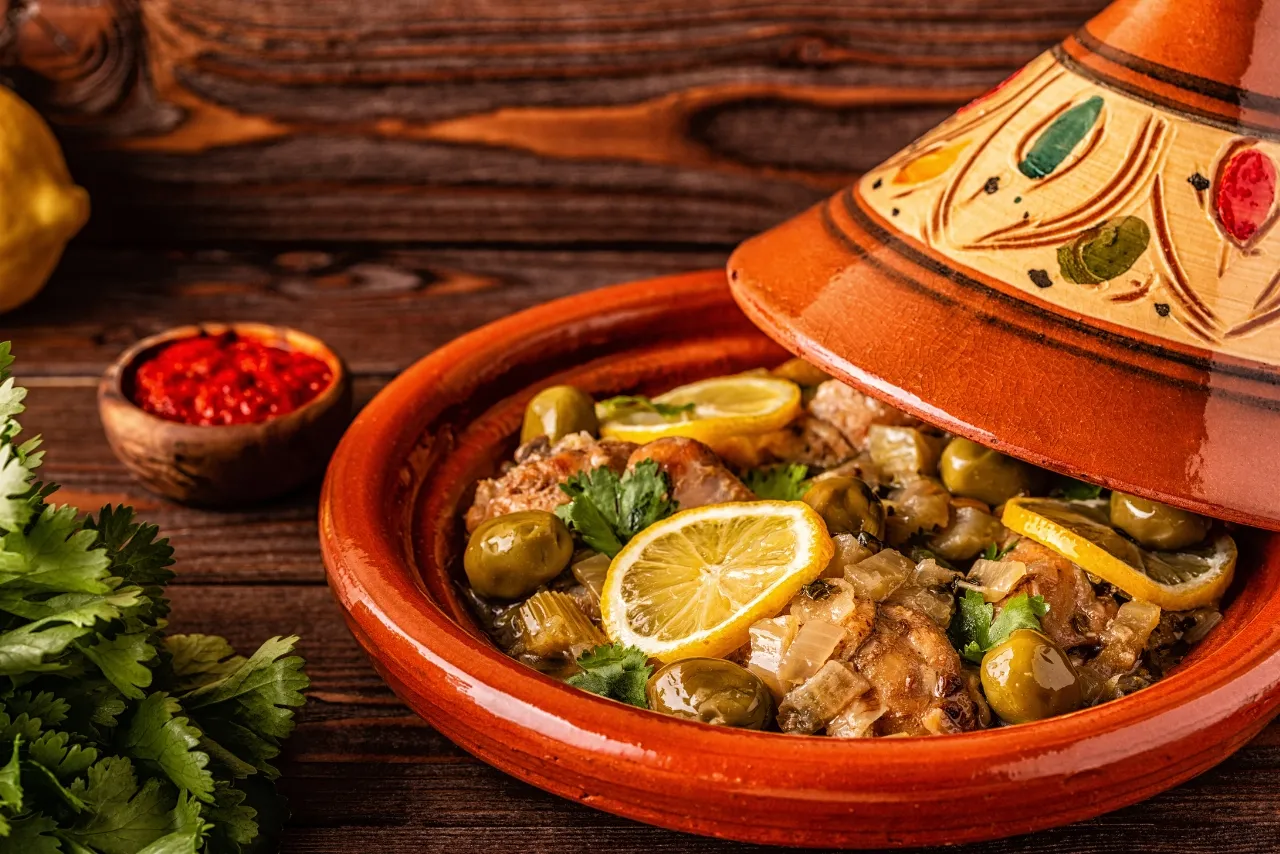
Many travelers spend a whole week in Morocco eating standard tourist tagine without seeing how steeply prices swing by street. Recent traveler checks put a lamb tagine around 120 MAD ($12 USD) in central Marrakech compared with roughly 70 MAD ($7 USD) in Fes.
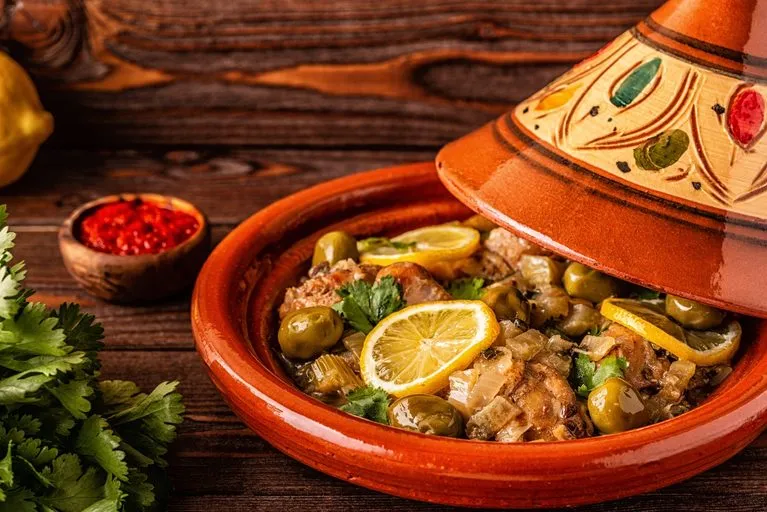
Duck two blocks off any main plaza into a tiled neighborhood canteen. A charcoal-simmered tagine drops cleanly to 40 to 70 MAD ($4 to $7 USD).
Look for conical clay lids resting steadily over embers rather than microwave-warmed tourist trays. Notice how tender the vegetables stay when sauce cooks slow instead of boiling hard.
Inside Marrakech’s medina, ask around for tanjia instead of a standard tagine at least once. Beef or lamb shanks go into an amphora-shaped clay urn with cumin and preserved lemon alongside saffron and garlic.
The sealed pot then spends hours buried inside hot wood ashes beneath a neighborhood hammam bathhouse. Every spoonful tastes smoky and deeply concentrated rather than watery.
North in Fez, local cooks lean into sweet-savory pastilla pies wrapped in paper-thin warkha pastry with spiced chicken, toasted almonds, and cinnamon sugar. Up in the Rif foothills around Chefchaouen, those slow medina stews sit beside creamy local goat cheese — our Chefchaouen food and mountain medina guide highlights stops worth finding.
Save your couscous craving for Friday lunch if you care about texture.
Authentic seven-vegetable couscous is hand-rolled and steamed three separate times after Friday midday prayers. It runs 45 to 70 MAD ($4.50 to $7 USD) in local canteens compared with 80 to 140 MAD on tourist terraces — Tuesday dinner couscous is almost always a rushed reheated shortcut.
Morning street counters offer Morocco’s sharpest values long before tour buses arrive. Griddle-cooked msemen flatbreads cost 3 to 10 MAD ($0.30 to $1 USD) with melted honey or cheese.
Pour a warm bowl of bissara split-fava soup drenched in green olive oil and cumin for 5 to 10 MAD ($0.50 to $1 USD). Crisp maakouda potato fritters go for 2 to 5 MAD, while fresh Jemaa el-Fnaa orange juice carts stay near 4 to 10 MAD.
Egypt: Cairo Koshari Counters and Green Ta’ameya
Cairo rewards travelers who eat like office commuters rather than hotel guests. Hearty dried lentils cooked alongside fava beans and crusty baladi loaves keep everyday Egyptian meals astonishingly cheap.
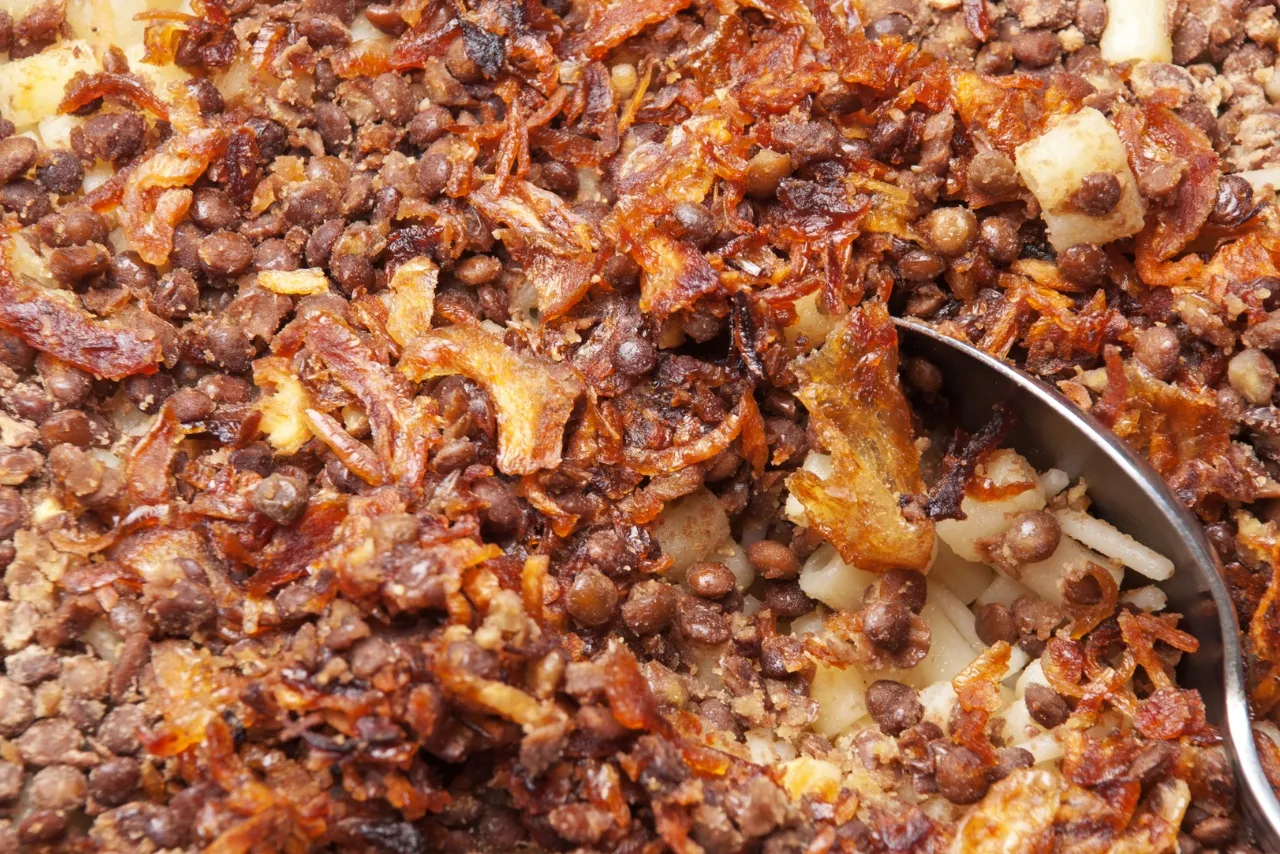
Walk into downtown landmarks like Koshary Abou Tarek or any tiled corner koshari counter. A steaming bowl stacks spiced rice and brown lentils beneath tender pasta, chickpeas, and dark fried onions for 25 to 73 EGP ($0.50 to $1.50 USD).
Skip eating koshari plain out of the pot. Splash plenty of tangy garlic-vinegar da’ah over the crisp onions first, then add bright red shatta chili sauce carefully.
Morning breakfast carts belong completely to ful medames and ta’ameya tucked inside warm whole-wheat aish baladi pockets for 15 to 30 EGP ($0.30 to $0.60 USD). Cooks simmer ful fava beans overnight inside tall copper qidda pots, mashing about a third of the beans so the cumin-lemon oil coats every bite.
Egyptian ta’ameya surprises almost everyone expecting dry chickpea falafel.
Instead of chickpeas, Cairo fryers grind soaked split fava beans with heavy bunches of green leeks and fresh cilantro. Crack open the crunchy crust and the center glows bright emerald green.
After dusk, local bakeries bake spiced minced-beef hawawshi inside crisp baladi rounds for 50 to 200 EGP ($1 to $4 USD) alongside flaky layered feteer pies. Pair dinner with pressed sugarcane juice (asab) or chilled hibiscus tea (karkadeh) for 10 to 25 EGP ($0.20 to $0.50 USD), right near the spice stalls covered in our Cairo bazaar and Egypt guide.
Tunisia: Runny-Yolk Brik and Winter Lablabi
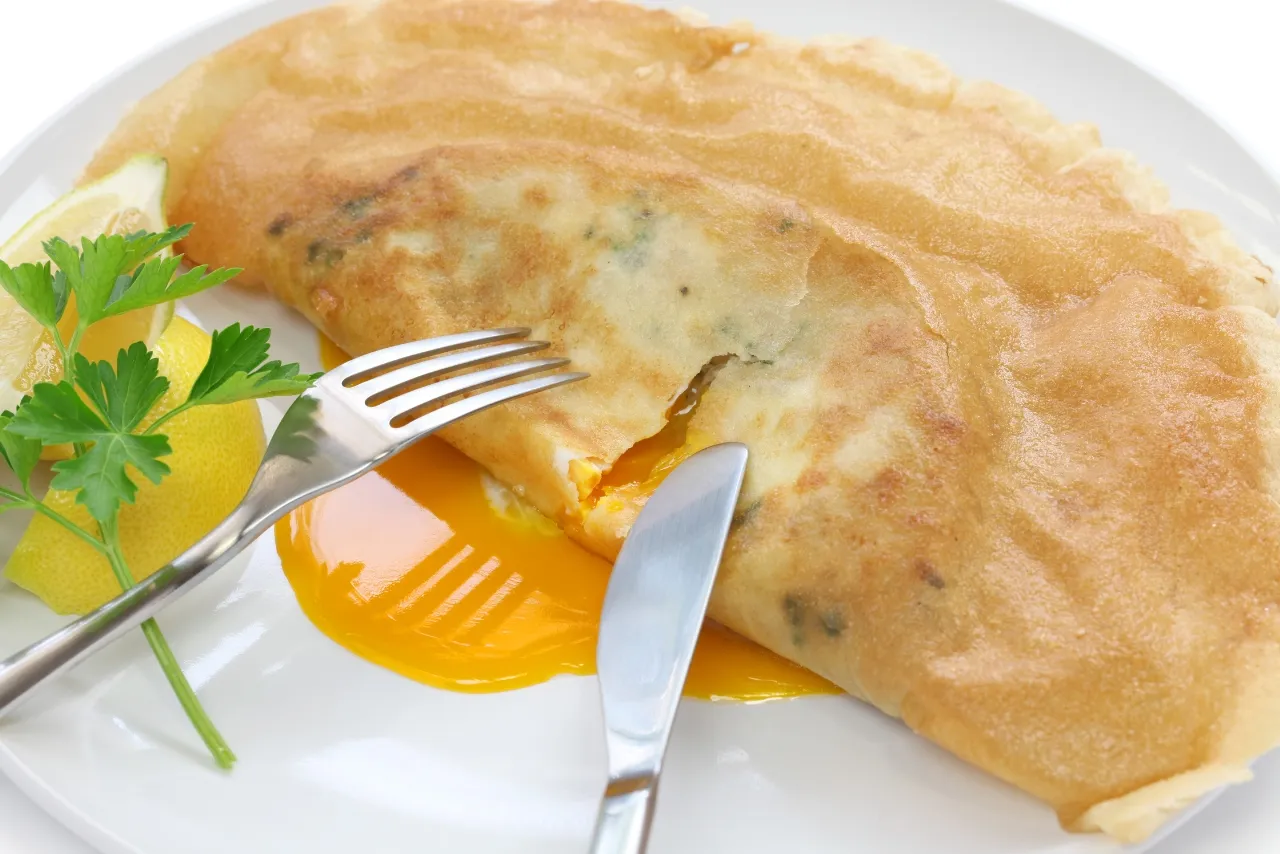
Head west from Cairo toward Tunisia and sharp Mediterranean heat takes over the table. Generous pours of green olive oil meet briny capers and smoky roasted chili harissa across everyday street snacks.
Crispy Tunisian brik turns simple pantry ingredients into pure timing. Cooks fold flaked tuna and chopped parsley with capers, harissa, and a whole raw egg inside tissue-thin malsouka dough, then fry the parcel golden in ninety seconds flat.
Lean forward before your first bite. Vent hot steam at one crispy corner first so the runny egg yolk stays inside instead of landing down your front.
Cooler evenings in Tunis belong to steaming counter bowls of lablabi chickpea soup. Vendors pour garlicky cumin broth over torn chunks of day-old bread, drop in a soft-poached egg alongside flaky tuna, and point toward a jar of fiery harissa.
Busy counter lunches across Morocco, Egypt, and Tunisia tell a clearer food story than hotel buffets ever manage. Compare those dishes continent-wide in our flagship guide to the best foods across Africa, jump south to our West African swallows and grills guide, or explore Southern African shisa nyama and coastal kitchens.
Street Eats and Canteen Costs Across North Africa
Stepping two alleys off main landmark squares cuts your dinner bill in half across every country here. Use these street-level brackets to spot tourist markups immediately.
| Country | Essential Street Dishes | Spice & Bread Base | Local Counter vs. Tourist Hub |
|---|---|---|---|
| Morocco | Tagine, Hammam Tanjia, Friday Couscous, Msemen, Bissara | Saffron, cumin, preserved lemon, griddle flatbreads | Side-street tagine 40–70 MAD ($4–$7); Fes ~70 MAD vs. Marrakech square 70–120 MAD ($7–$12) |
| Egypt | Koshari, Ful Medames, Green Ta’ameya, Hawawshi | Garlic-vinegar da’ah, chili shatta, whole-wheat aish baladi | Street ful 15–30 EGP ($0.30–$0.60); Koshari 25–73 EGP ($0.50–$1.50); Hawawshi 50–200 EGP ($1–$4) |
| Tunisia | Runny-yolk Brik, Lablabi chickpea soup, Coastal couscous | Caraway harissa paste, capers, malsouka dough, olive oil | Street brik or lablabi 5–12 TND ($1.60–$4); coastal dining rooms 25–60 TND ($8–$19) |
Medina Timing and Bill Habits
Four small habits protect your stomach and keep night-market tabs completely transparent.
- Jemaa el-Fnaa Bill Checks
- Numbered grill stalls in Marrakech look chaotic after dusk, and some touts drop unordered olives or bread onto your table before billing extra. Choose stalls crowded with Moroccan families, agree on exact prices upfront, and hand back unrequested extras immediately.
- Friday Couscous & Ramadan
- Traditional kitchens steam seven-vegetable couscous properly on Fridays after midday prayers rather than daily on demand. During Ramadan, street stalls quiet down through daylight hours before buzzing right at sunset iftar.
- Mint Tea Hospitality
- Sweet Moroccan mint tea (atay) poured high from a silver pot signals warm hospitality across riads and craft shops. Accepting a glass politely shows good grace even if you decide not to buy.
- Water, Salads, & Small Cash
- Drink bottled or riad-filtered water and stay cautious around unwashed street-side raw salads in peak heat. Carry low-denomination MAD, EGP, or TND notes because breakfast carts rarely break large bills.