Many travelers fly into Cape Town or Johannesburg and assume hotel-district menus capture Southern African dining.
Two weeks later, they leave having never torn hot curry-soaked bread from a Durban bunny chow or eaten spiced beef straight off a Soweto braai grid.
The real kitchen sits outdoors.
Step away from tourist boardwalks into Bo-Kaap bakeries, township butcher yards, Maputo chicken shacks, and Windhoek open-fire stalls, and prices drop while woodsmoke takes over.
Cape Malay Bobotie and Spiced Kitchens of the Western Cape
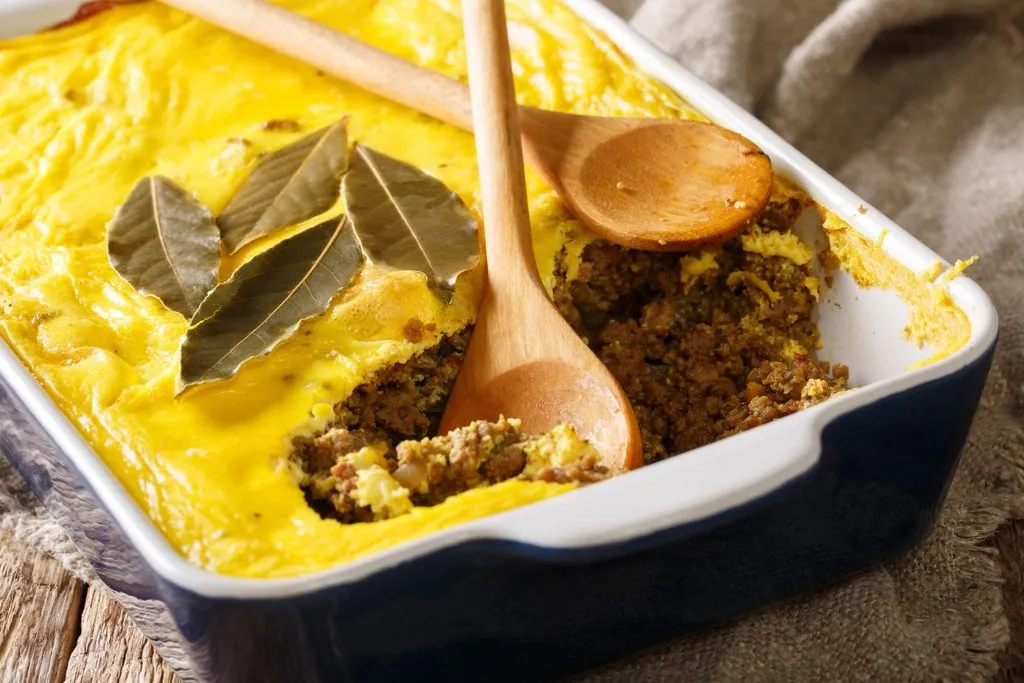
Along the cobbled hills of Bo-Kaap, Cape dining shifts from steakhouse simplicity toward warm Malaysian-influenced spice routes.
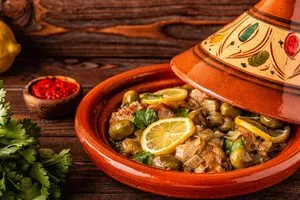
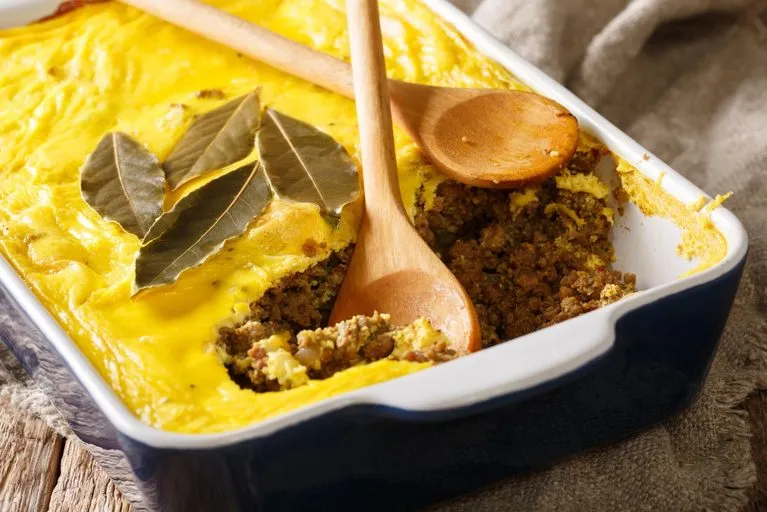
Bobotie pairs minced beef or lamb simmered in mild curry powder, dried apricots, and chutney with a baked savory egg-milk custard studded with crisp bay leaves.
Cooks ladle it next to turmeric yellow rice flecked with raisins, sliced banana, and sharp mango atchar, balancing gentle fruit sweetness against black pepper and ginger.
Neighborhood delis and family-run Bo-Kaap spots plate generous takeaway portions for ZAR 95 to 140 ($5.30 to $7.80), while sit-down dining rooms listed in our Cape Town eating and drinking guide charge ZAR 180 to 260 ($10 to $14.50).
Pair dinner with a local South African Tourism food trail stop for warm koeksisters dipped in cold ginger-cardamom syrup before dessert settles.
Durban Bunny Chow and Indian-Ocean Curry Loaves
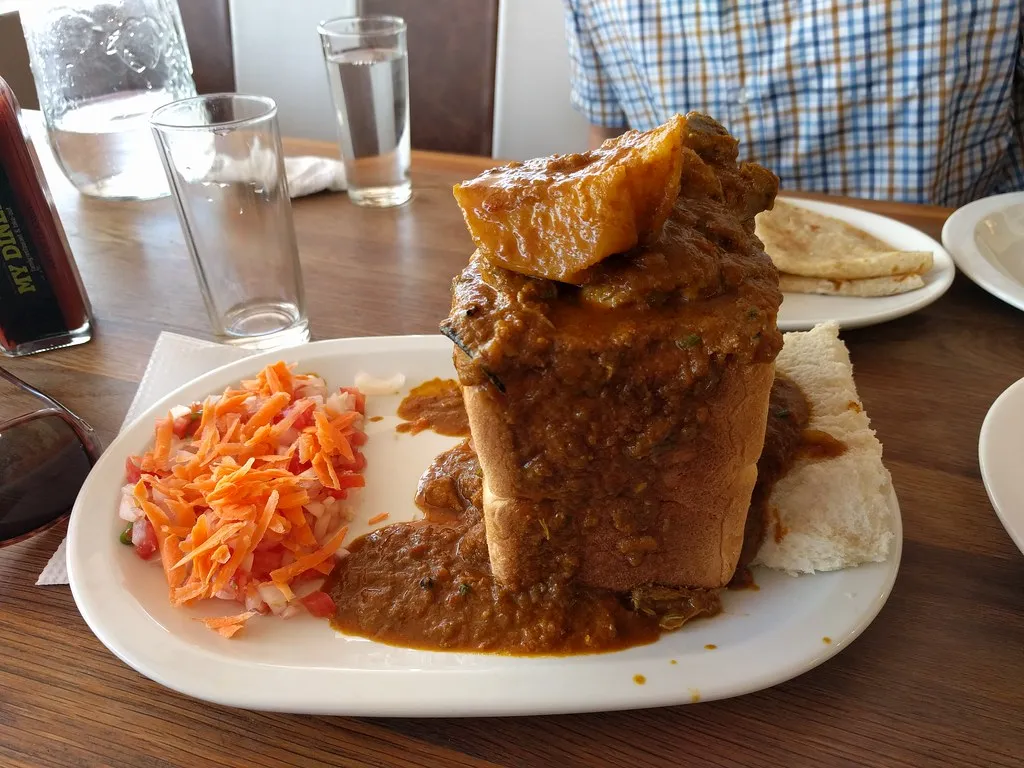
First-time visitors almost always hesitate over the name, so let us settle it upfront: a bunny chow contains zero rabbit meat.
Born in Durban’s Indian community during the twentieth century, it served cane and factory workers who needed a hot lunch without plates or cutlery: a hollowed-out quarter, half, or full unsliced white loaf packed with thick curry.
Skip the fork completely.
Use the scooped-out bread plug on top to mop up dark mutton, chicken, or slow-simmered sugar-bean gravy mixed with tangy grated carrot and chili sambal.
Locals still grumble whenever trendy cafes push a mutton quarter-loaf and soda past ZAR 140 ($7.80), because neighborhood curry counters across Durban sell filling quarters for ZAR 65 to 110 ($3.60 to $6.10).
Shisa Nyama and South Africa’s Weekend Braai Culture
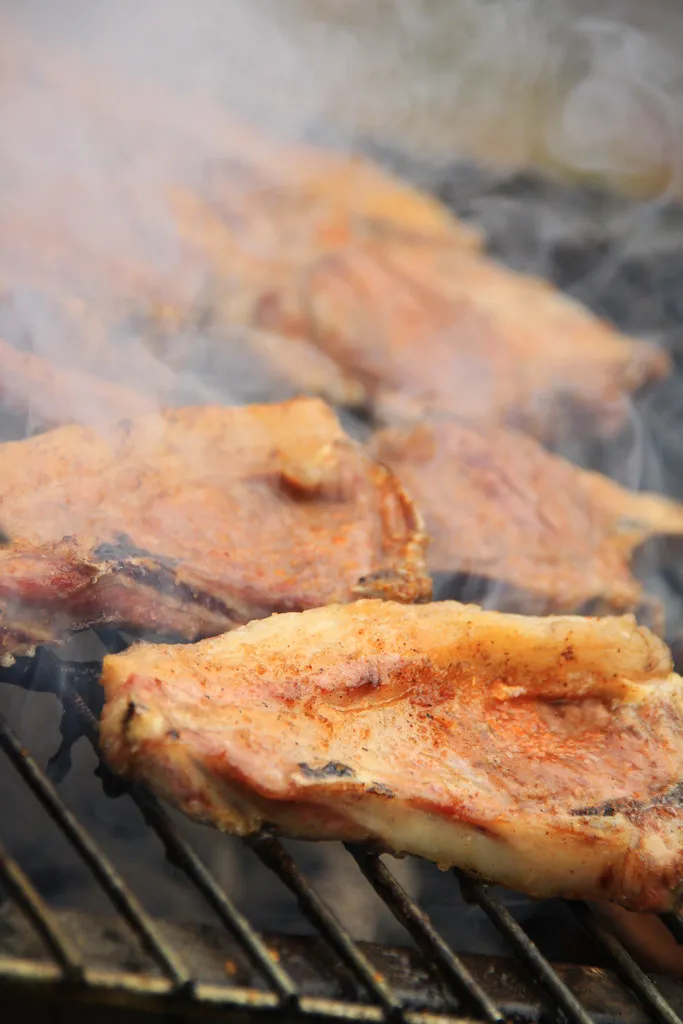
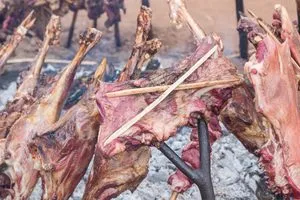
In Xhosa and Zulu, shisa nyama literally means “burn the meat,” and it turns Sunday lunch into a lively open-air butcher party.
Instead of ordering off laminated menus in Soweto, Alexandra, or Gugulethu, you walk into a chill-case butchery and point out exact cuts of marbled beef chuck, spicy lamb chops, and coiled boerewors sausage.
Pay at the till, hand the tray to the grill masters tending smoking hardwood coals, and collect your platter once the fat blisters crisp.
Meat arrives chopped on wooden boards beside warm pap maize porridge, tomato-and-onion chakalaka relish, and coarse spice salt for roughly ZAR 150 to 250 ($8.30 to $14) per person.
You will spot clear smoke-and-spice cousins in our broader list of iconic African dishes, though the butcher-counter format sets South Africa apart from Kenya’s wait-at-table East African nyama choma yards.
Mozambican Peri-Peri Chicken and Coastal Matapa
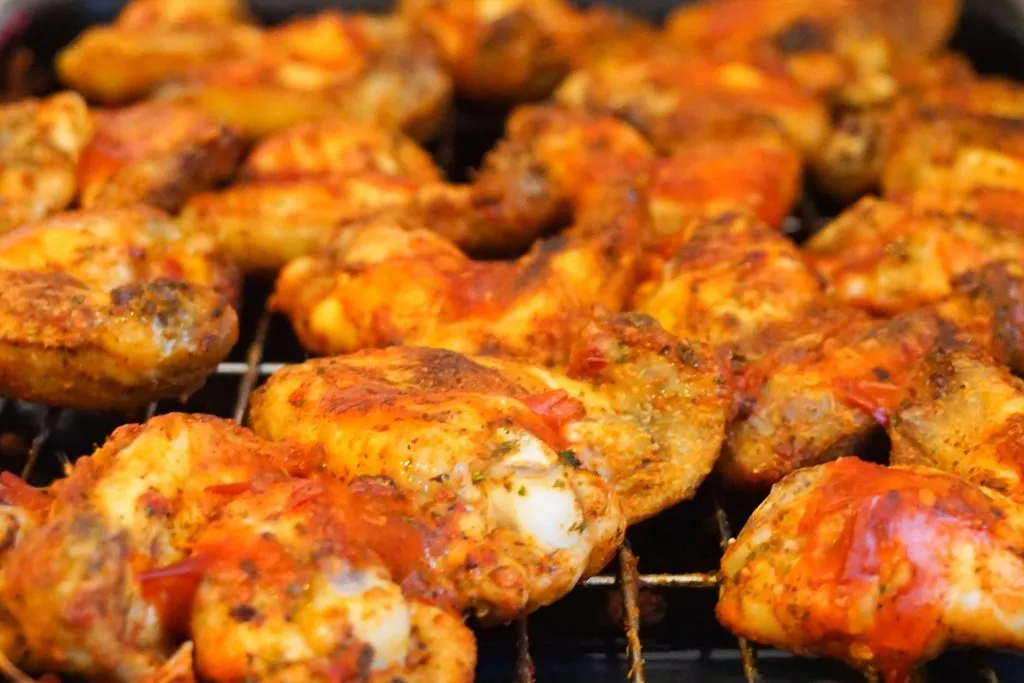
Drive north-east from Kruger toward Maputo or the Inhambane coast and spice shifts from Cape cumin to fiery Portuguese-African charcoal birds.
True Mozambican frango cafreal flattens a whole bird over open embers while cooks brush on raw crushed African bird’s-eye chili, pounded garlic, bay leaves, lemon juice, and cold beer.
Expect crispy blistered skin with real creeping heat rather than sweet bottled chain sauce, priced around MZN 450 to 900 ($7 to $14) for half or whole birds at neighborhood esplanadas.
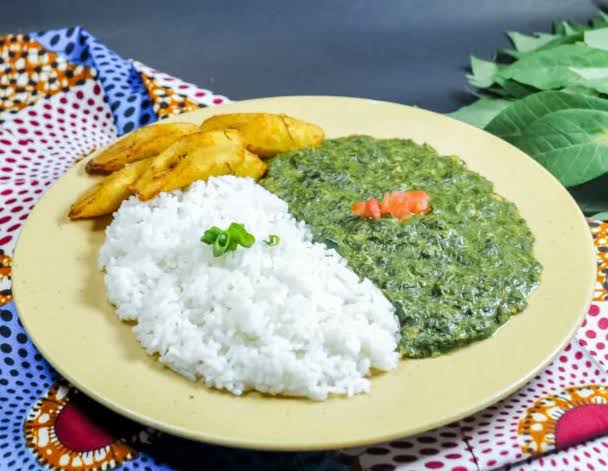
Order matapa right alongside the grilled chicken to cool your palate.
Young green cassava leaves get pounded silky with garlic, simmered thick in fresh coconut cream and roasted crushed peanuts, and occasionally enriched with coastal prawns or crab for MZN 250 to 450 ($4 to $7).
Cross-border itineraries outlined in our Southern Africa safari corridors make coastal Mozambique an effortless culinary detour after dry inland game drives.
Maize Porridge and Katutura Charcoal Stalls Inland
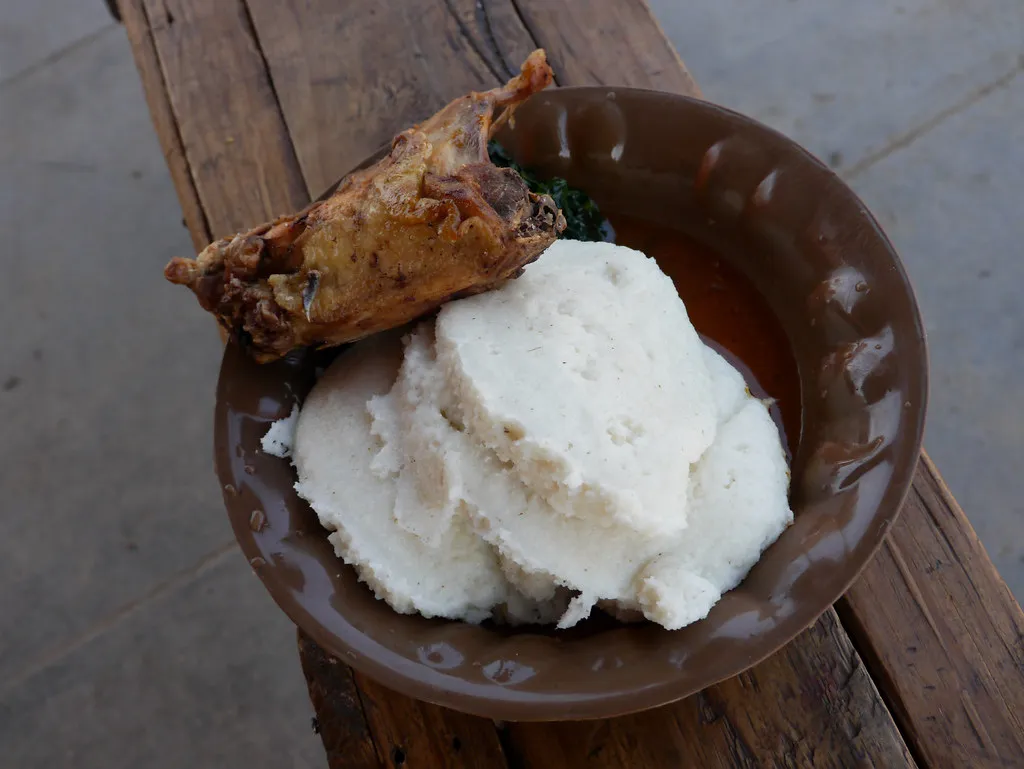
Inland across Zimbabwe, Zambia, and Botswana, the meal starts with thick cooked maize or sorghum porridge rather than rice or bread.
Pinch off a warm ball of stiff white sadza or Zambian nshima with clean right-hand fingers, roll it smooth, and press a thumb dent into the center to scoop gravy.
In Harare neighborhoods from downtown eateries to bustling Tafara grills, plates arrive piled with shredded greens (muriwo), slippery wild okra (derere), or sizzling mixed-meat gango platters priced around USD 5 to 10, with crunchy roasted maputi maize sold for spare change outside.
Anyone familiar with West African cassava and yam swallows in our West African kitchen guide will recognize that same hand-pinched starch discipline immediately, just as desert travelers crossing from the Sahara notice in our North African street food guide.
In Botswana, slow-simmered salted beef brisket gets hand-pounded into shreddy, deeply savory seswaa over steaming sorghum porridge for BWP 60 to 110 ($4.40 to $8), while Windhoek’s Katutura market turns Namibian beef into hot kapana strips.
At Katutura charcoal drums, vendors sear thin beef strips straight over glowing grates and fold them into brown butcher paper with spiced salt, diced onion, and tomato—NAD 30 to 50 ($1.70 to $2.80) buys a solo wrap, while NAD 200 ($11) feeds an entire afternoon crew.
Regional Plates and Meal Budgets Across Southern Africa
Street grills and market butcheries cost far less than waterfront hotel dining rooms across every country in the region. Compare everyday local spots against resort areas before choosing where to eat.
| Country / Hub | Signature Dishes | Key Spices & Base | Local Grill vs. Tourist Area |
|---|---|---|---|
| Western Cape (South Africa) | Cape Malay bobotie, pickled fish, koeksisters | Curry spices, apricots, bay leaves, turmeric rice | Bo-Kaap takeaway ZAR 95–140 ($5.30–$7.80) vs. Waterfront dining ZAR 180–300+ ($10–$17+) |
| Durban & Johannesburg (South Africa) | Durban bunny chow, shisa nyama chuck, wors, chakalaka | Madras curry gravy, acacia coals, maize pap | Quarter bunny ZAR 65–110 ($3.60–$6.10); township butcher grill ZAR 150–250 ($8.30–$14) |
| Mozambique Coast | Frango peri-peri, matapa cassava stew, garlic prawns | Crushed bird’s-eye chili, coconut cream, crushed peanuts | Matapa or market plates MZN 250–450 ($4–$7); grilled peri-peri chicken MZN 450–900 ($7–$14) |
| Zimbabwe & Botswana | Sadza ne nyama, Harare gango, Zambian nshima, seswaa | White or millet maize meal, pounded brisket salt, okra | Neighborhood sadza or seswaa BWP 60–110 / USD 4.50–8 vs. Victoria Falls lodges USD 20–40 |
| Windhoek & Coast (Namibia) | Kapana beef strips, vetkoek, game biltong | Coarse kapana chili-coriander salt, tomato salsa | Katutura kapana wraps NAD 30–50 ($1.70–$2.80) vs. lodge buffets NAD 250–450 ($14–$25) |
Braai Counter Etiquette and Market Habits
Four everyday habits keep market eating smooth, affordable, and crisp off the coals.
- Shisa Nyama Two-Ticket System
- Pay for raw cuts at the inside butcher glass, confirm whether grilling is free or carries a ZAR 20–40 fire fee, and expect a separate bar tab for drinks and ice.
- Reading Bunny Chow Portions
- Order a quarter-loaf (“kotar” or quarter) unless splitting lunch between two hungry adults. A full loaf holds well over a kilogram of bread and dense meat curry.
- Chili Heat & Peri-Peri Checks
- True Mozambican peri-piri and Durban mutton gravies pack sharp bird’s-eye chili heat. Ask for extra sauce in a side dish before glazing your entire plate.
- Small Cash & Hot Grate Rule
- South African urban spots take tap cards widely, but Katutura kapana drums and roadside sadza kitchens in Namibia and Zimbabwe still move fastest on small local bills.