Between the sculpted bulk of Table Mountain lit up in afternoon gold, the smell of braai smoke drifting down a Bo-Kaap lane, and the steady pour of natural wine in a Woodstock bar at 9pm on a Tuesday, Cape Town has no shortage of ways to pull you in.
It is also not the easiest city to love on a first visit. It is sprawling, layered, and weather-swayed, and without a little guidance, it is easy to spend three days skimming only its glossiest surface.
I love how the city rewards curiosity. The food scene is one of the most inventive in Africa, the coffee culture rivals any I have sipped through in Europe, and the creative energy moving through its neighbourhoods feels like something genuinely happening right now.
I spent a little over a week exploring Cape Town slowly, mostly on foot, often with a coffee in hand. What follows is a cultured Cape Town food and drink guide to the places that caught my attention, from morning flat whites to late-night wine bars, and the corners I would happily return to tomorrow.
Don’t Miss
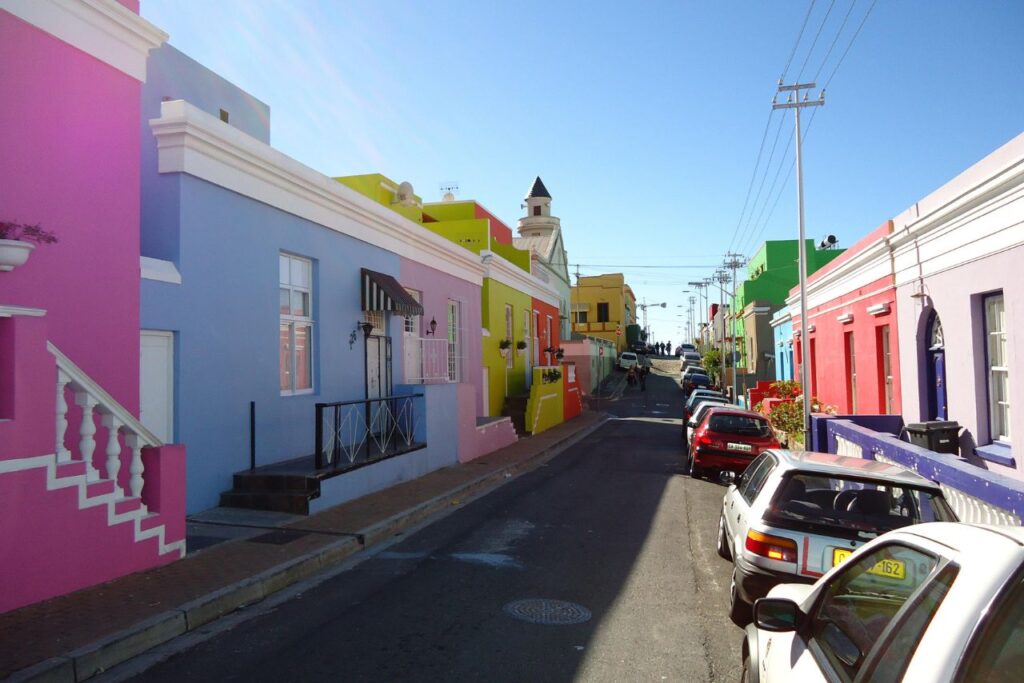
Bo-Kaap is where most visitors fall in love with Cape Town, and I was no exception. The cobblestone lanes are painted in jewel tones, tangerine, turmeric, seafoam, and blush pink, and each colour tells a small story of the Cape Malay community that has lived here for generations.
I wandered through in the soft light of late morning, stopped at Atlas Trading Company for a bag of fragrant masala, and sat down at a corner café for a slow plate of koesisters. The Bo-Kaap Museum is small but worth the half hour, and the call to prayer at dusk is one of those Cape Town moments I often reflect on often.
If you do one big-ticket thing in the city, make it a sunset on Signal Hill. The drive up is easy, the view across the City Bowl to the harbour is unbeatable, and if you time it right, you will catch the golden hour over the Atlantic. Pack a blanket, something chilled, and snacks from the Oranjezicht City Farm Market if it happens to be a Saturday.
Visit
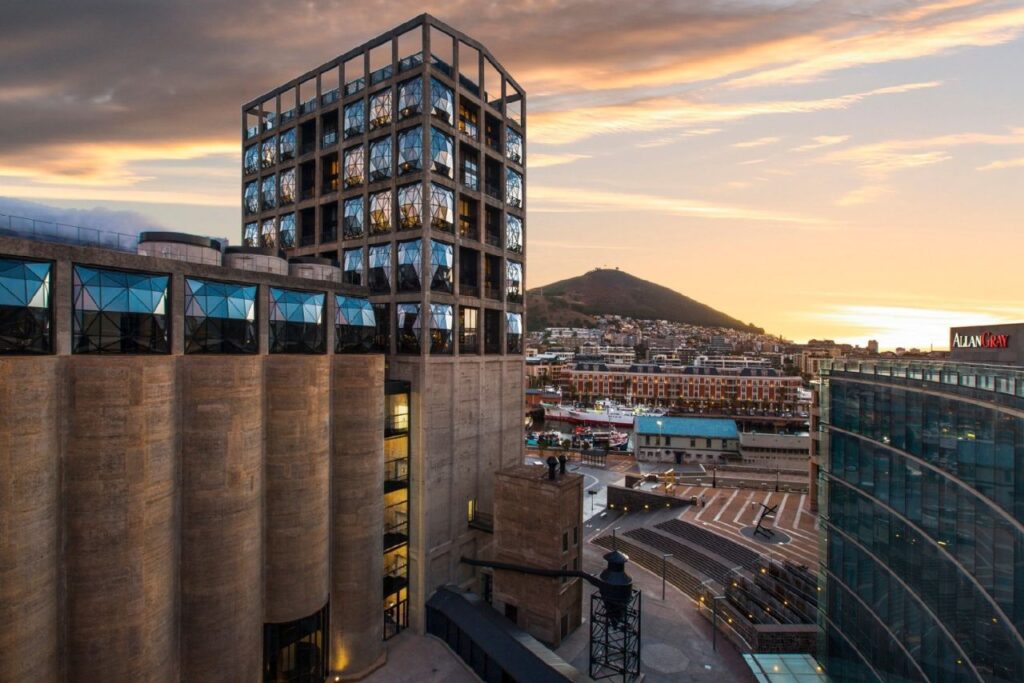
The Zeitz Museum of Contemporary Art Africa (Zeitz MOCAA) is the kind of place that makes you see a city differently. Housed inside a converted grain silo at the V&A Waterfront, the building itself, designed by Heatherwick Studio, is a quiet showstopper of sculpted concrete tubes and honeycomb ceilings.
Inside, the collection is the largest in the world dedicated to contemporary art from Africa and its diaspora. The rooftop sculpture garden opens onto a sweeping view of Table Mountain, and the café downstairs does a respectable flat white.
For Table Mountain, the cable car up deserves its reputation, but go early. By mid-morning, the queue grows long and the tablecloth of cloud often rolls in. For hikers, Lion’s Head at sunrise is the local alternative, quieter, more vertical, and the kind of climb that earns you a long breakfast afterwards.
The District Six Museum sits at the other end of the emotional spectrum, and I think it is essential. The former neighbourhood was bulldozed during apartheid, and the museum preserves its memory through photographs, street signs, and the stories of the 60,000 people forcibly removed. It is small, intimate, and devastating in the quietest way. Every traveller to Cape Town should spend an hour inside.
READ ALSO: Is Cape Town Still Safe for Remote Workers in 2026?
Eat
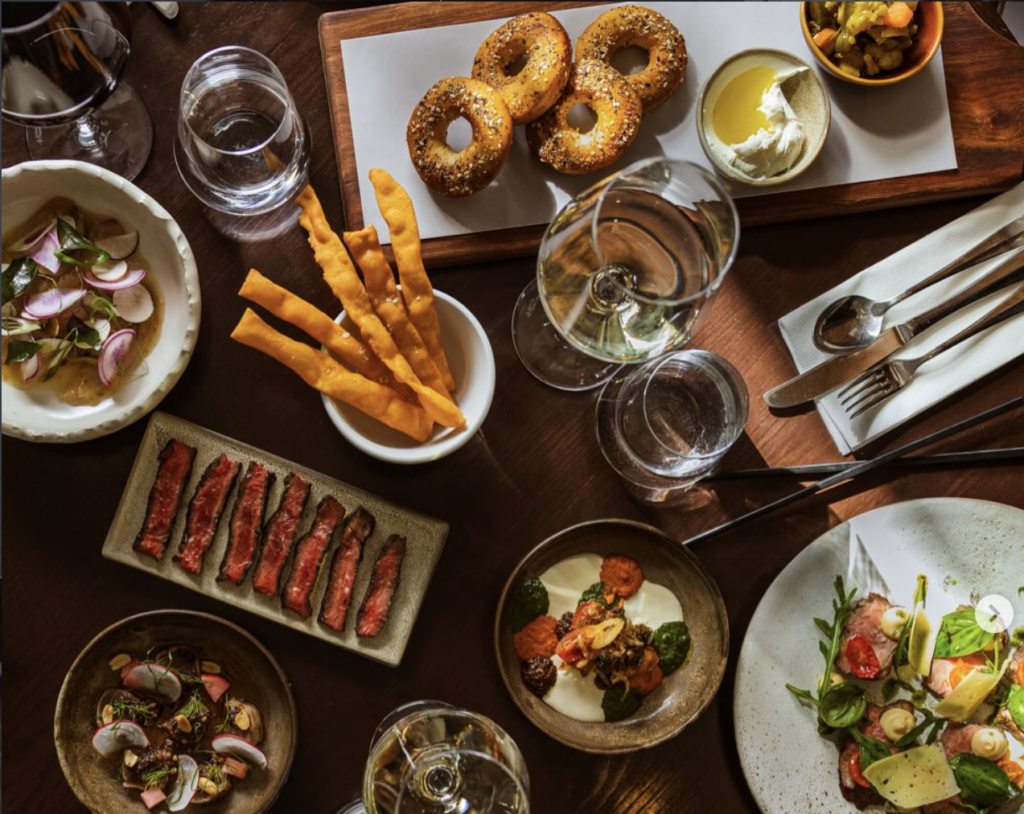
Cape Town’s dining scene has quietly become one of the most exciting in Africa, and any honest cape town food and drink guide has to start at the table. A few meals stood out so clearly that I am still thinking about them. FYN, run by chef Peter Tempelhoff in a first-floor space above Parliament Street, is the kind of tasting menu experience that travellers plan entire trips around. The menu threads Japanese technique through South African ingredients, and the space is all warm wood and soft linen. Book well in advance.
For something more relaxed, Chefs Warehouse & Canteen at 91 Bree Street is my kind of lunch spot. A decade after Liam Tomlin’s original changed the way Cape Town thought about small plates, the rebooted version across the road is as alive as ever, with head chef Adrian Hadlow working alongside Tomlin and David Schneider. Order the Tapas for Two to let the kitchen guide you, or go à la carte for the house classics, fried squid, pork gyoza, risotto, and the lemon posset everyone seems to order twice. The wine cellar leans heavily toward South African producers, and the communal table is still one of the best seats in the room.
Kloof Street House feels like stepping into a Victorian fever dream, in the best way. Set inside an old house on Kloof Street, the restaurant is draped in greenery, candlelit at night, and serves flame-grilled seafood and steaks that punch above their price tag. It is the kind of place where long tables stay outside under the lights well into the evening.
For a proper taste of the Cape Malay tradition, Bo-Kaap Kombuis serves bobotie, denningvleis, and malva pudding with warmth and care, and the view from the small dining room stretches straight across the City Bowl.
Drink
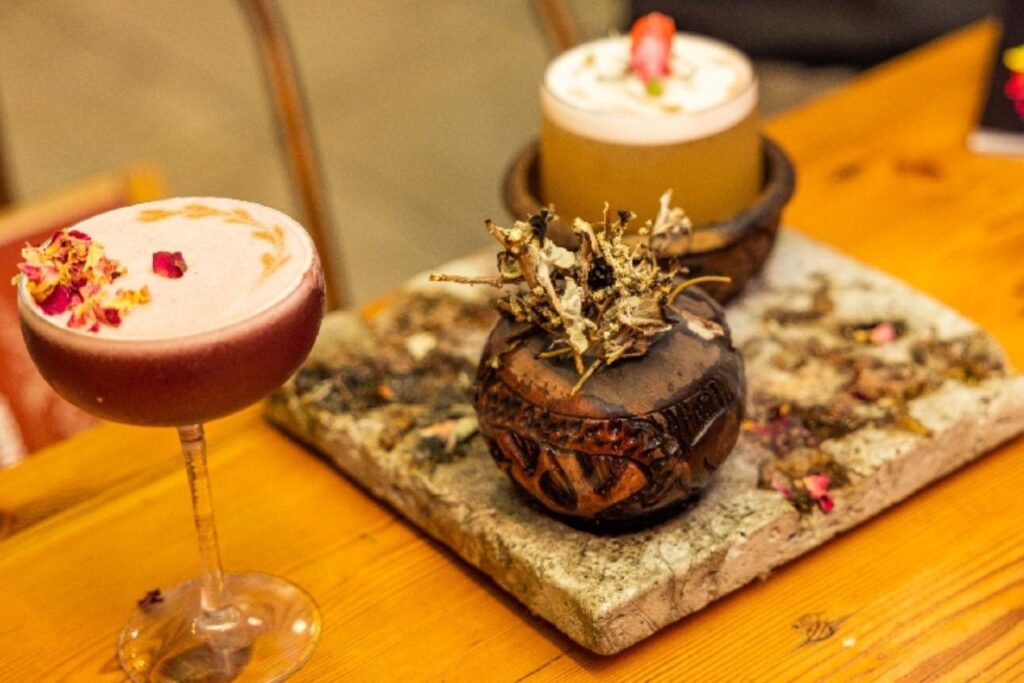
No cape town food and drink guide is complete without an evening or three at Publik Wine Bar. The space is tiny, the lighting is dim and golden, and the focus is firmly on natural and low-intervention wines from South African producers. The staff will happily walk you through the list, and the small plates are the perfect size for long conversations.
Cause Effect Cocktail Kitchen on Bree Street leans in the opposite direction. It is sleek, modern, and laser-focused on South African brandy, which turns out to make a beautiful base for complex cocktails when treated the way it deserves.
For something more casual, Devil’s Peak Taproom in Salt River is where I would take a visiting friend for a craft beer and a burger. The beers are brewed on site, the space is industrial and unfussy, and the mixed crowd tells you a place has earned its place in the community.
Coffee
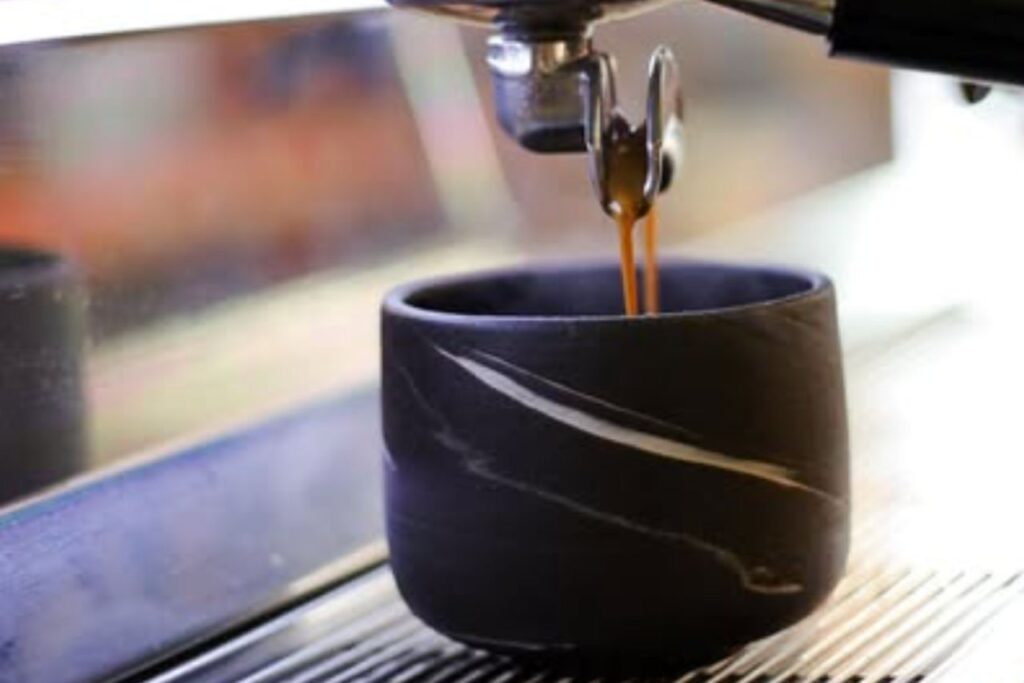
If good coffee is a mark of a civilised city, Cape Town has earned its place on every cape town food and drink guide worth reading. The concentration of well-crafted espresso bars here is genuinely impressive, and each one has its own personality.
Truth Coffee on Buitenkant Street is the theatrical one, a steampunk cathedral of brass, leather, and vintage typewriters, often ranked among the world’s most beautiful coffee shops. The coffee lives up to the drama. Beans are roasted in-house, and the flat white I ordered on my first morning in the city set the tone for the whole trip.
Origin Coffee Roasting in De Waterkant is the pioneer of Cape Town’s specialty scene, and the beans they roast end up in some of the best coffee shops in cape town and beyond. Rosetta Roastery in Woodstock does single-origin coffees with the kind of care that borders on obsession.
Deluxe Coffeeworks, with outposts in Church Street and Kloof Street, is the everyday favourite, unpretentious, consistent, and always full of locals.
READ ALSO: Amazing Reasons To Visit Cape Town at least for once in the lifetime
Walk
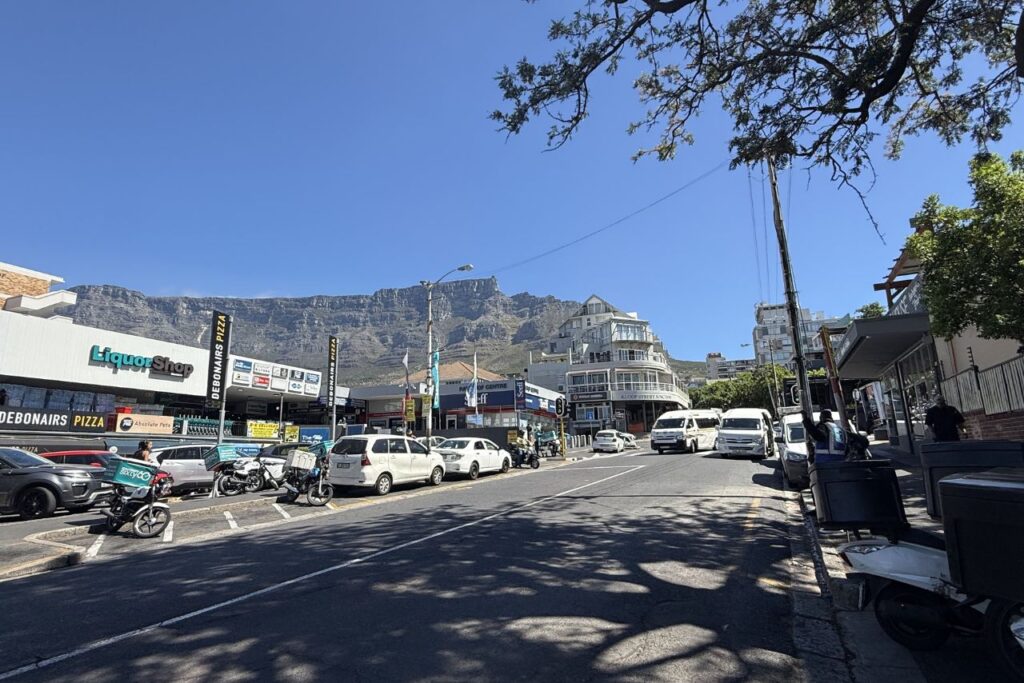
One of my favourite things to do in Cape Town was the walk along the Sea Point promenade at golden hour. The paved path hugs the Atlantic for several kilometres, the Twelve Apostles rise behind you, and the light on the water turns the whole stretch a pale, burning orange.
There are outdoor gyms, public art pieces, and a steady parade of Capetonians walking their dogs, which makes it one of the most genuinely local things you can do in the city.
Kloof Street, in the Gardens neighbourhood, is the best walk for eating, drinking, and people-watching. The street runs uphill from the city centre toward Table Mountain, lined with independent restaurants, concept stores, and coffee shops that spill onto the pavement.
For the most dramatic drive-and-stroll combination, head out along Chapman’s Peak Drive on a clear morning. The cliff-hugging road between Hout Bay and Noordhoek is one of the most beautiful coastal drives in the world, and the lookout points are made for long pauses with a flask of coffee.
Shop
Watershed at the V&A Waterfront is the easiest introduction to contemporary South African design. More than 150 makers sell under one roof, from hand-painted ceramics and woven baskets to beaded jewellery and textile art.
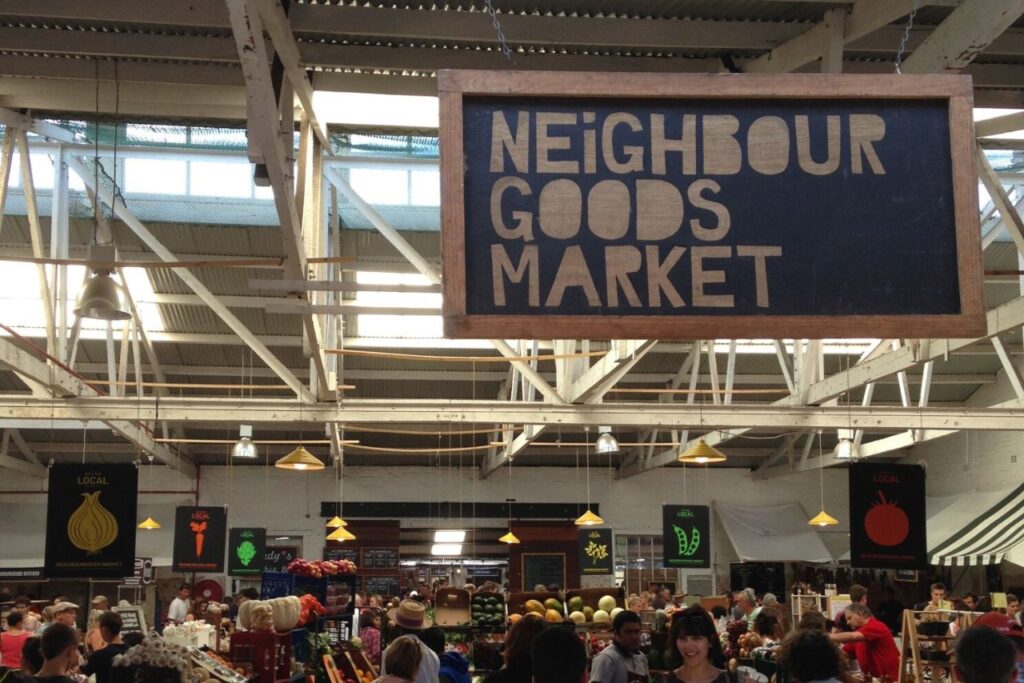
The Neighbourgoods Market in Woodstock is a Saturday ritual for many Capetonians. The Old Biscuit Mill fills with food traders, independent designers, natural wine bars, and live music, and it is the kind of morning that easily stretches into the afternoon. Go hungry.
Monkeybiz, tucked on Rose Street in the city centre, is a social enterprise that works with women beaders from township communities. The beaded animals, dolls, and accessories are one-of-a-kind, and every purchase supports the maker directly. It is the kind of small, meaningful stop no cape town food and drink guide should leave out, even if it sits just outside the food and drink lane.
Stay
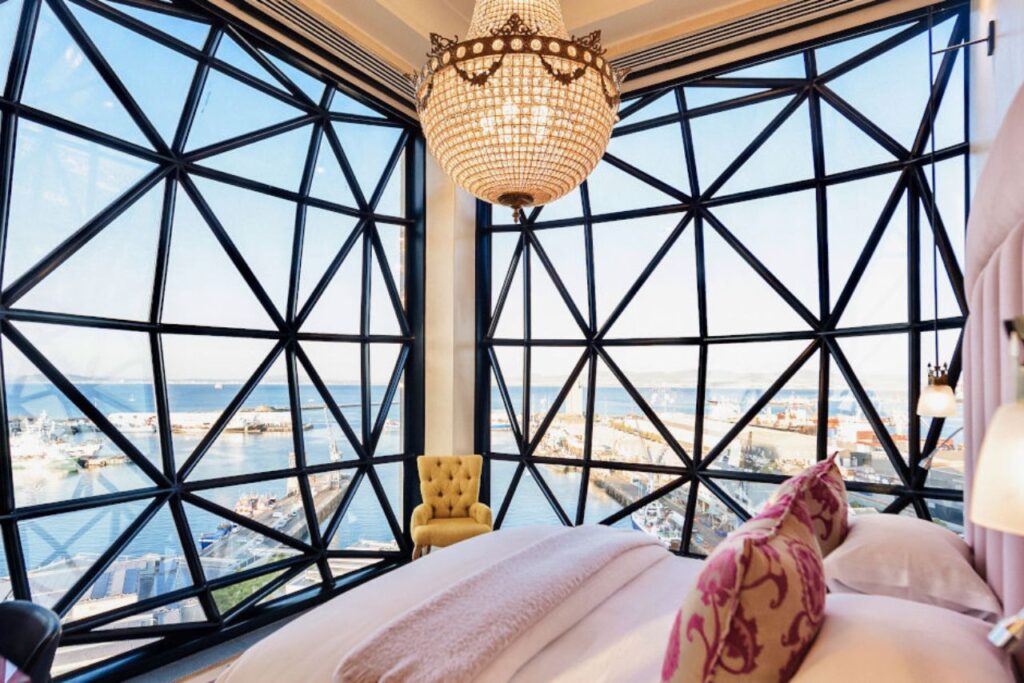
The Silo Hotel, perched above the Zeitz MOCAA in the V&A Waterfront’s old grain silo, is the design hotel of the city. The rooms are built inside the silo’s original concrete tubes, the windows are sculpted in pillowed glass, and the rooftop pool looks directly at Table Mountain. It is a splurge, and it is worth every rand for one night if you can stretch to it.
Gorgeous George, in the heart of the city centre, is where I would stay for the sweet spot of character, location, and price. Two historic buildings have been knitted together into a boutique hotel full of velvet, terrazzo, and playful South African art. The rooftop pool, with direct views of Table Mountain, becomes the plan for at least one evening.
For quiet luxury away from the centre, Ellerman House above Bantry Bay is the grande dame of Cape Town hospitality. The Edwardian mansion holds one of the largest private art collections in the country, and the service has the kind of warmth that turns a one-night stay into a three-night one.
Final Thoughts
Cape Town is the kind of city that asks something of you. It asks that you look beyond the postcard view of Table Mountain and into the District Six Museum, that you walk a Bo-Kaap lane and listen to the call to prayer, that you linger in a Woodstock wine bar until the owner sits down to recommend a second bottle.
This cape town food and drink guide is only a starting point. What you get in return, if you let the city unfold slowly, is something that stays with you long after you have flown home, complicated, beautiful, creatively alive, and absolutely worth the trip.
Thank you, Cape Town. I will be back before long.