If there is one thing I have learnt from travelling around Africa, it is that you should never judge a destination by its landmarks alone.
Sometimes, the best introduction to a country comes from sitting at a small roadside restaurant, ordering something you cannot pronounce, and discovering that it is one of the best things you have ever eaten.
Africa is enormous, and its food is just as diverse. From the fragrant spice markets of North Africa to the smoky grills of West Africa, the coconut-rich dishes of the East African coast and the comforting maize-based meals of the south, there is no single definition of African food.
So, rather than trying to create one definitive list, which would be nearly impossible, I have chosen some of my favorite foods from each of Africa’s four major regions: East, West, Southern and North Africa.
These are the dishes I think deserve a place on your travel food bucket list.
Best Foods in East Africa
East African food is incredibly varied. The region stretches from the highlands of Ethiopia to the Indian Ocean coast, and you can taste that geography in the food.
There are fragrant rice dishes, fiery stews, grilled meats, bananas, coconut, flatbreads and plenty of spices.
1. Injera and Doro Wat (Ethiopia)
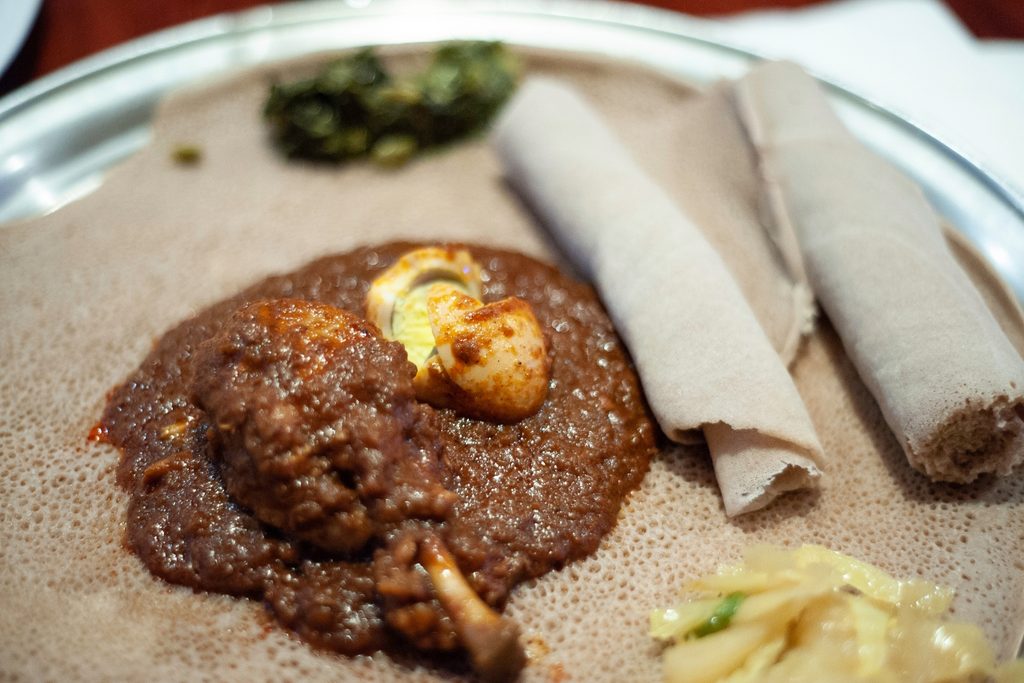
If you visit Ethiopia, one of the first foods you need to try is injera.
This large, soft, slightly sour and wonderfully spongy flatbread is made traditionally with teff and acts as both the plate and the utensil. It is usually covered with an assortment of stews, vegetables and meats, allowing everyone at the table to tear off pieces of injera and scoop up the food.
And then there is doro wat.
This rich, spicy chicken stew is made with onions, berbere spice and other aromatics and is traditionally served with hard-boiled eggs. It is deep, warming and full of flavour.
For me, Ethiopian food is one of those meals where the experience is just as important as the food itself. Sitting around a shared platter, eating with your hands and trying a little bit of everything makes it feel less like dinner and more like an experience.
2. Nyama Choma (Kenya)
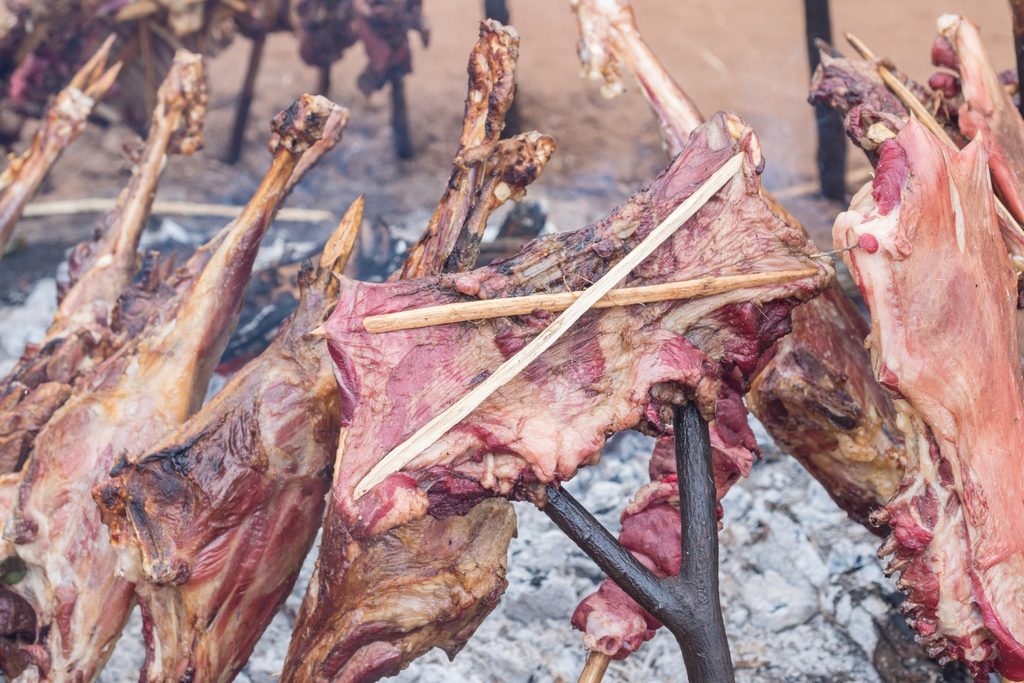
You cannot talk about Kenyan food without mentioning nyama choma.
The name essentially means grilled meat, and goat is one of the most popular choices. The meat is seasoned simply and cooked over charcoal, allowing the smoky flavour of the grill to do most of the work.
It is often eaten with ugali, kachumbari or other simple accompaniments.
But don’t expect this to be a delicate, fine-dining experience. Nyama choma is best enjoyed slowly, with friends, preferably somewhere lively where you can smell the charcoal before your food even arrives.
That is part of the charm.
3. Tanzanian Pilau (Tanzania and Zanzibar)
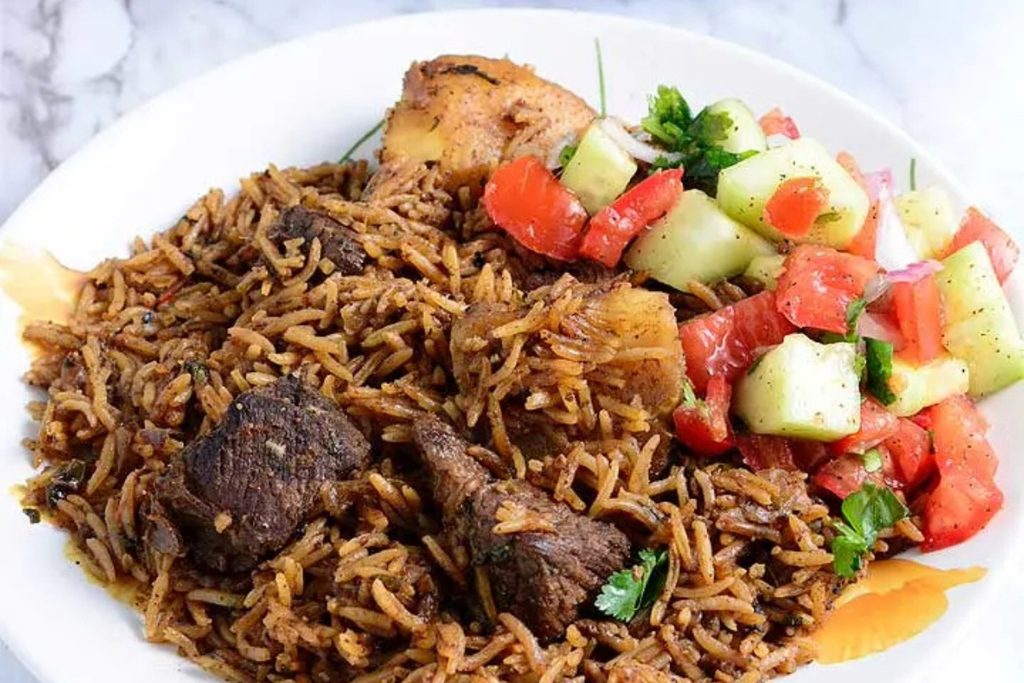
If you love rice, Tanzania is going to make you very happy.
Pilau is rice cooked with fragrant spices and usually meat, giving it a completely different character from plain steamed rice. In coastal Tanzania and Zanzibar, the influence of Indian Ocean trade is particularly noticeable, with spices such as cardamom, cumin and cloves adding layers of flavour.
Zanzibar is especially famous for its food, and eating a plate of pilau while wandering through Stone Town is one of those simple travel pleasures that stays with you.
4. Matoke (Uganda)
Uganda’s food is built around some wonderfully simple ingredients, and matoke is one of the classics.
Made from green cooking bananas, matoke can be steamed, boiled, mashed or cooked into a savoury dish. It is often served with a rich groundnut sauce or a meat or vegetable stew.
It may sound simple, but that is exactly what I like about it.
This is the kind of food that tells you something about everyday life rather than simply trying to impress a visitor.
5. Somali Bariis (Somalia)
Somali food deserves far more attention than it gets.
Bariis is a beautifully fragrant spiced rice dish that reflects Somalia’s location along the Indian Ocean and its long history of trade and cultural exchange. It is commonly served with meat and can be accompanied by vegetables, sauces and salad.
The combination of rice, spices and tender meat makes it a comforting meal and another reminder that some of Africa’s most interesting flavours come from the meeting of different cultures.
Best West African Foods
West African food is not shy. There are peppers, tomatoes, onions, groundnuts, palm oil, smoky grilled meats, rich stews and starches designed to soak up every last bit of sauce.
National Geographic describes the region’s cuisine as incredibly diverse, with dishes and techniques crossing modern national borders. Here are five I would start with.
6. Jollof Rice (Nigeria, Ghana and Beyond)
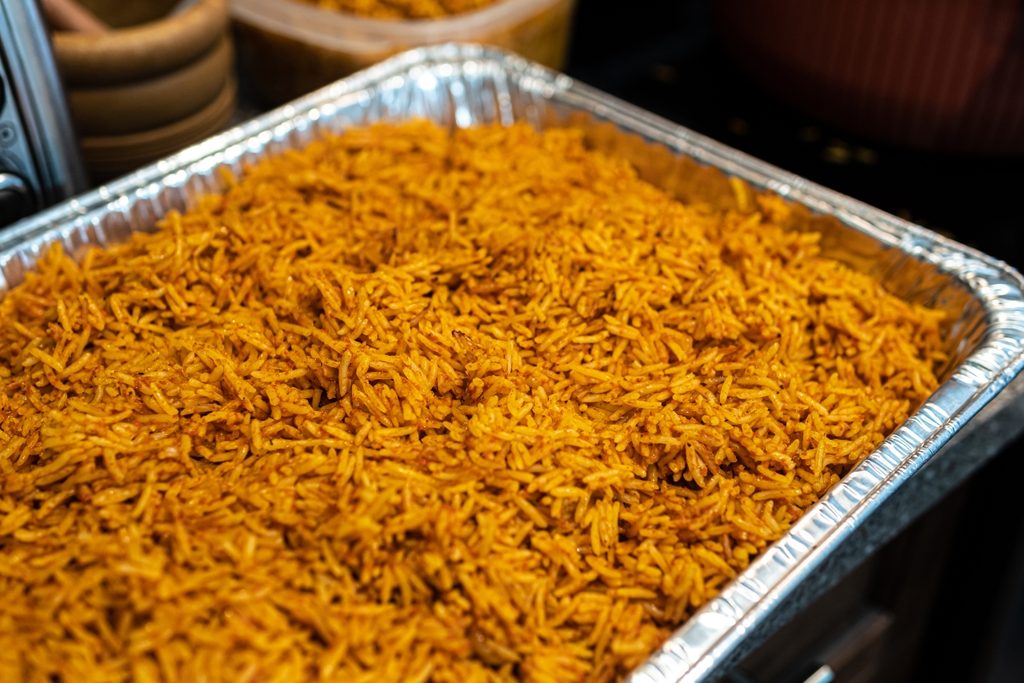
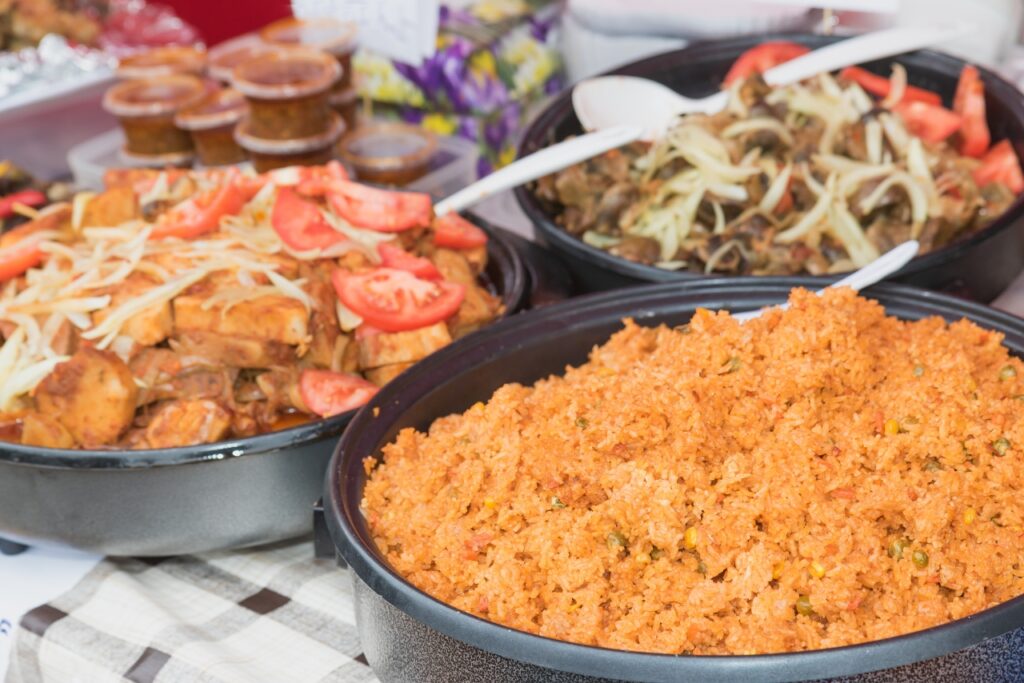
Let’s get the obvious one out of the way. Jollof rice is one of West Africa’s most famous dishes and one of the easiest ways to start a friendly argument between Nigerians and Ghanaians.
The rice is cooked in a rich base of tomatoes, peppers, onions and spices, usually alongside meat, chicken or fish and often served with fried plantain.
Every country and sometimes every family has its own version.
And yes, Nigerians and Ghanaians will probably tell you theirs is the best. I recommend trying both and staying out of the argument.
7. Thieboudienne (Senegal)
Senegal’s national dish is one of the great rice dishes of Africa.
Thieboudienne, also known as ceebu jën, combines rice with fish, tomato-based sauce and vegetables such as carrots, cabbage and cassava.
It is the kind of one-pot meal that feels incredibly generous when it arrives at the table.
Senegalese cuisine is particularly good at creating huge amounts of flavour from relatively simple ingredients, and this dish is a perfect example.
8. Suya (Nigeria)
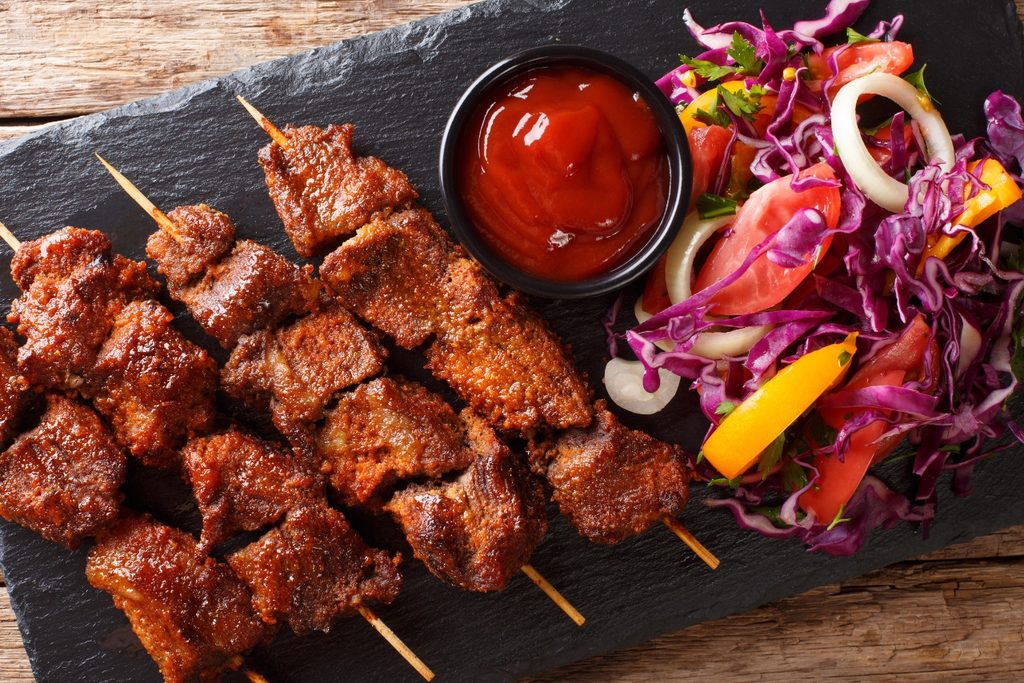
If you are in Nigeria and you smell meat grilling beside the road, there is a very good chance you have found suya.
Thin slices of meat are coated in a spicy peanut-based seasoning, then grilled over an open flame. The result is smoky, spicy and slightly nutty.
It is street food at its best.
Suya is also one of those foods where the location matters. You want to see the meat being grilled, smell the smoke and watch the vendor prepare it while you wait.
That first bite, straight off the grill, is hard to beat.
9. Maafe (Senegal and West Africa)
Maafe is a rich peanut stew that appears in different forms across West Africa.
It can be made with meat, vegetables or both, with groundnuts creating a thick, creamy sauce. Depending on where you eat it, the flavour and consistency can change considerably.
Served with rice or another staple, it is hearty, comforting and exactly the kind of food you want after a long day of exploring.
10. Pounded Yam and Egusi Soup (Nigeria and West Africa)
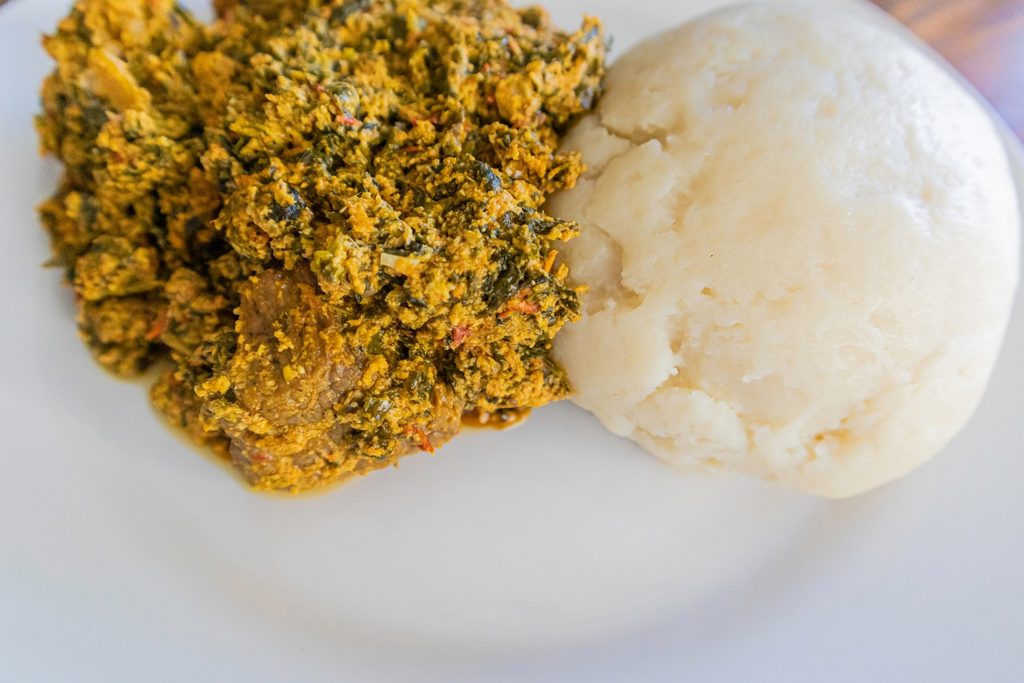
There are some foods you eat with your hands because it is simply the best way to eat them.
Pounded yam is one of them. Made from yam, pounded yam has a soft, stretchy texture and is traditionally eaten with soups and stews.
One of the most popular pairings is egusi soup, made with ground melon seeds and usually cooked with vegetables, meat, fish or seafood.
The trick is to tear off a small piece of fufu, use it to scoop up the soup and enjoy the whole combination together.
It is messy. It is delicious. And you will probably want more.
READ ALSO: 4 Surprising Facts About West African Foods
Best Foods to Eat in Southern Africa
Southern African food has a completely different personality.
Here you will find open-fire cooking, hearty maize dishes, slow-cooked stews and the influence of Indigenous, European, Indian and Cape Malay culinary traditions.
11. Bobotie (South Africa)
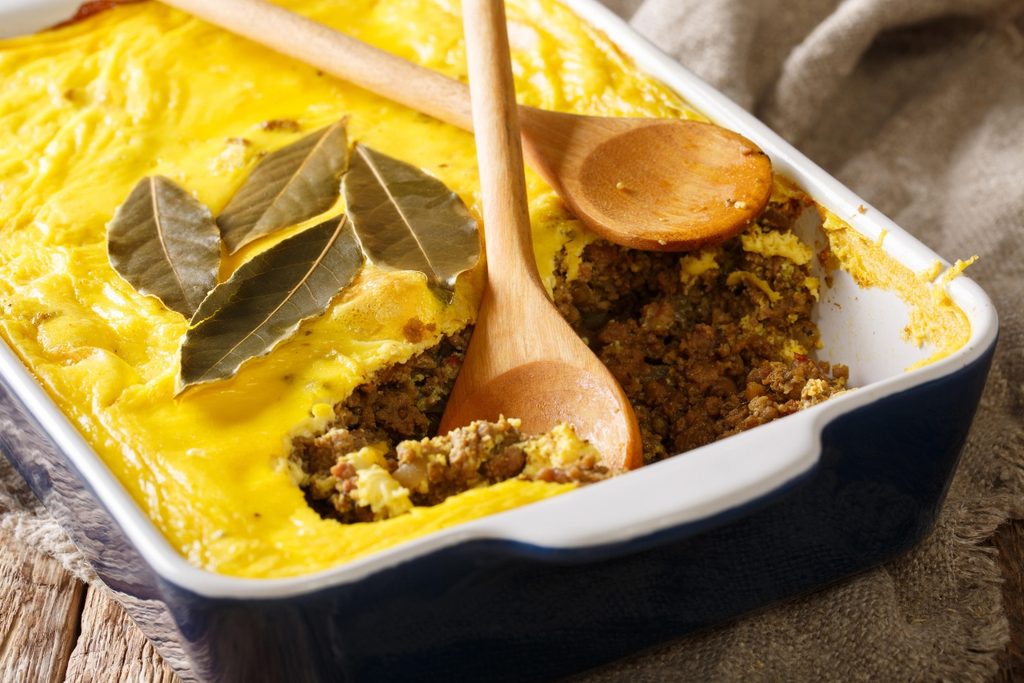
Bobotie is one of those dishes that surprises you.
It is made with spiced minced meat, often beef or lamb, combined with dried fruit and topped with a savoury egg custard. It is traditionally served with yellow rice and chutney.
The flavour is a fascinating mix of sweet, savoury and gently spiced.
It is also a beautiful example of how South Africa’s culinary history has been shaped by different communities and cultures.
12. Bunny Chow (South Africa)
Don’t let the name put you off. Bunny chow has nothing to do with rabbits.
This Durban classic is essentially a hollowed-out loaf of bread filled with curry. It was created in Durban and has become one of South Africa’s most recognisable casual foods.
It is filling, wonderfully messy and exactly the sort of meal I would seek out when exploring a city.
Forget cutlery. Just dig in.
13. Peri-Peri Chicken (Mozambique)
Mozambique’s food reflects its position on the Indian Ocean and centuries of cultural exchange.
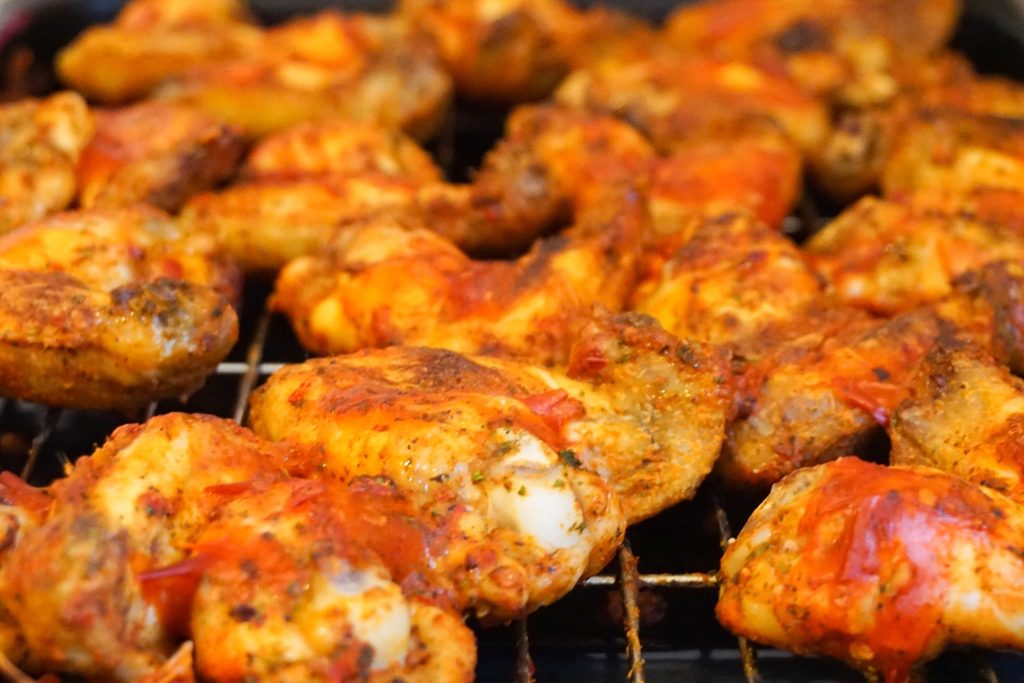
Peri-peri chicken is one of the country’s best-known dishes: chicken grilled over charcoal and coated in a fiery sauce made with African bird’s eye chillies.
The result is smoky, spicy and slightly acidic.
If you are travelling along Mozambique’s coast, especially around Maputo or further north, seafood is also worth seeking out. But for a dish that delivers a proper hit of Mozambican flavour, peri-peri chicken belongs on the list.
14. Sadza (Zimbabwe)
Sadza is not fancy food.
And that is exactly why you should try it.
Made from maize meal, sadza is a thick, smooth staple that forms the foundation of many Zimbabwean meals. It is served with relishes such as vegetables, meat stews or peanut-based sauces.
You traditionally eat it with your hands, pinching off a piece and using it to scoop up the accompanying relish.
For a traveller, sitting down to a plate of sadza can tell you far more about everyday Zimbabwean life than an expensive restaurant ever could.
15. Matapa (Mozambique)
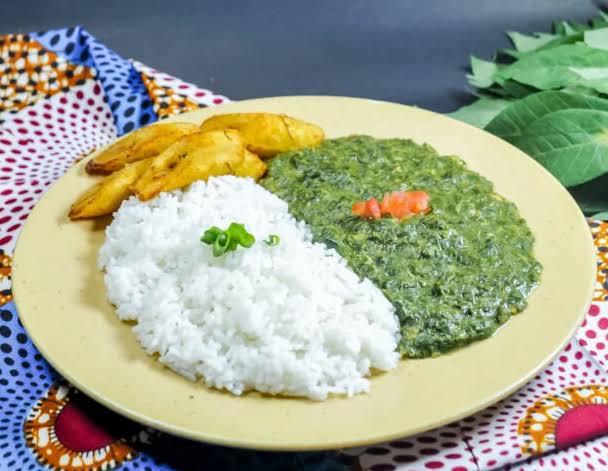
Matapa is another Mozambican dish I would recommend looking for.
It is a rich stew made with cassava leaves, peanuts and coconut milk, sometimes accompanied by seafood.
It has a completely different flavour profile from the fiery peri-peri dishes many visitors associate with Mozambique; it’s creamy, earthy and deeply comforting.
If you enjoy coconut-based dishes, this is one to put high on your list.
READ ALSO: Lagos Street Food: What to Eat and What to Avoid
Best Foods in North Africa
North African food feels like a journey in itself.
There are aromatic spices, slow-cooked meats, couscous, flatbreads, legumes, olive oil and dishes that have been passed down through generations.
16. Moroccan Tagine (Morocco)
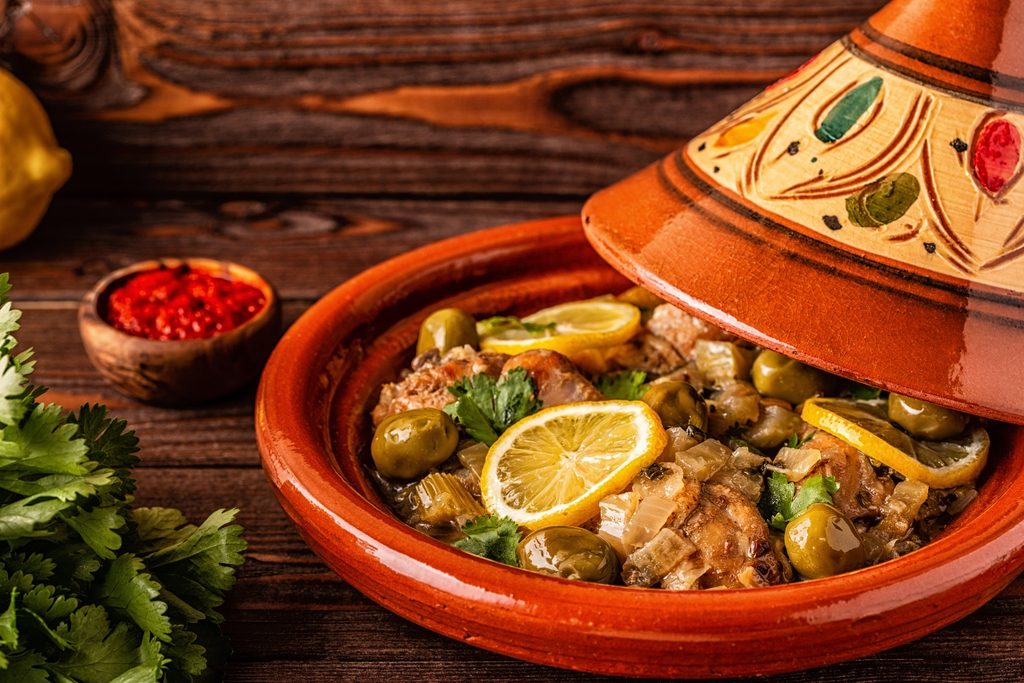
A tagine is both the dish and the distinctive conical cooking vessel used to prepare it.
Chicken, lamb, beef, fish or vegetables can be slow-cooked with spices and ingredients such as preserved lemons, olives, almonds, prunes or apricots.
The result is tender, aromatic and intensely comforting.
Morocco’s national tourism office describes tagine as one of the country’s most sought-after dishes, with countless regional variations.
The best part is ordering a tagine in a Moroccan medina, lifting the lid and getting that first hit of steam and spice.
17. Couscous (Morocco, Tunisia and the Maghreb)
Couscous might be one of the most recognisable North African foods in the world, but eating it where it comes from is a completely different experience.
The tiny steamed semolina grains are traditionally served with vegetables, chickpeas, meat, chicken or fish, depending on the region.
In Morocco, couscous is traditionally associated with Friday meals and is considered a convivial dish meant for sharing.
And don’t assume all couscous tastes the same.
A Moroccan couscous and a Tunisian couscous can be very different experiences, which is another reason to keep eating your way across the region.
18. Koshari (Egypt)
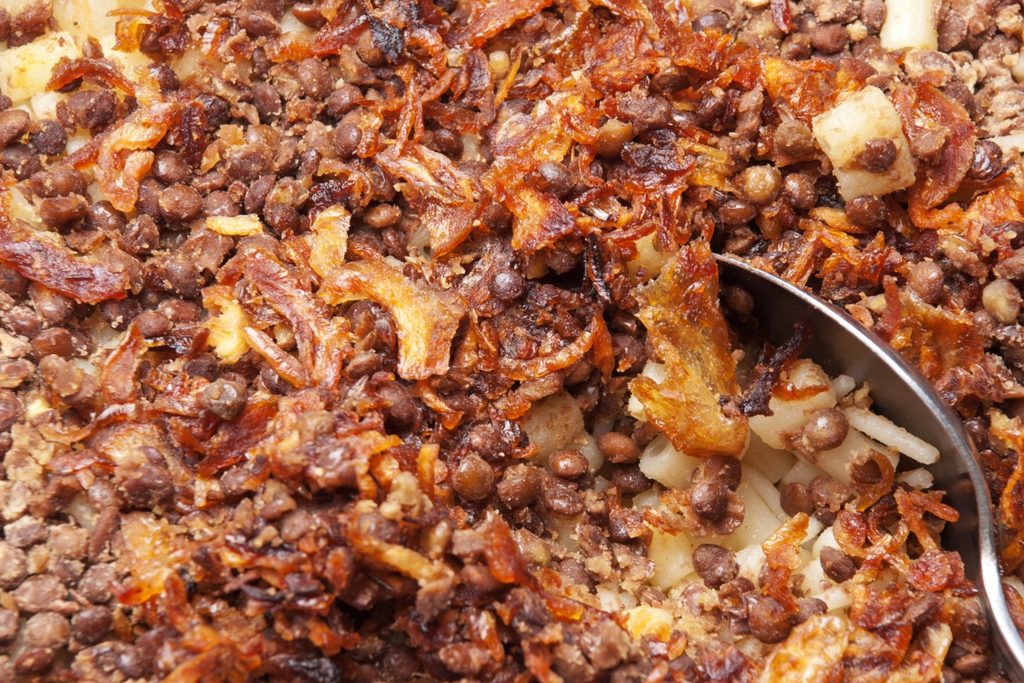
Koshari is proof that some of the best travel food doesn’t need to be expensive or complicated.
This Egyptian favourite combines rice, lentils, pasta and chickpeas, then adds tomato sauce, crispy fried onions and a punchy garlic-vinegar dressing.
It is filling, inexpensive and deeply satisfying.
You will find it everywhere from small local restaurants to street-food shops, and it is one of the dishes I would tell any first-time visitor to Egypt to try. Egyptian cuisine sources consistently list koshari among the country’s essential dishes.
19. Ful Medames (Egypt)
If koshari is Egypt’s great comfort food, ful medames is the breakfast you should not miss.
Slow-cooked fava beans are seasoned with ingredients such as olive oil, lemon, garlic and cumin and eaten with Egyptian flatbread.
It is simple, hearty and deeply connected to everyday Egyptian food culture.
Forget the hotel breakfast for one morning. Find a local place, order ful and see how Egyptians start their day.
20. Brik (Tunisia)
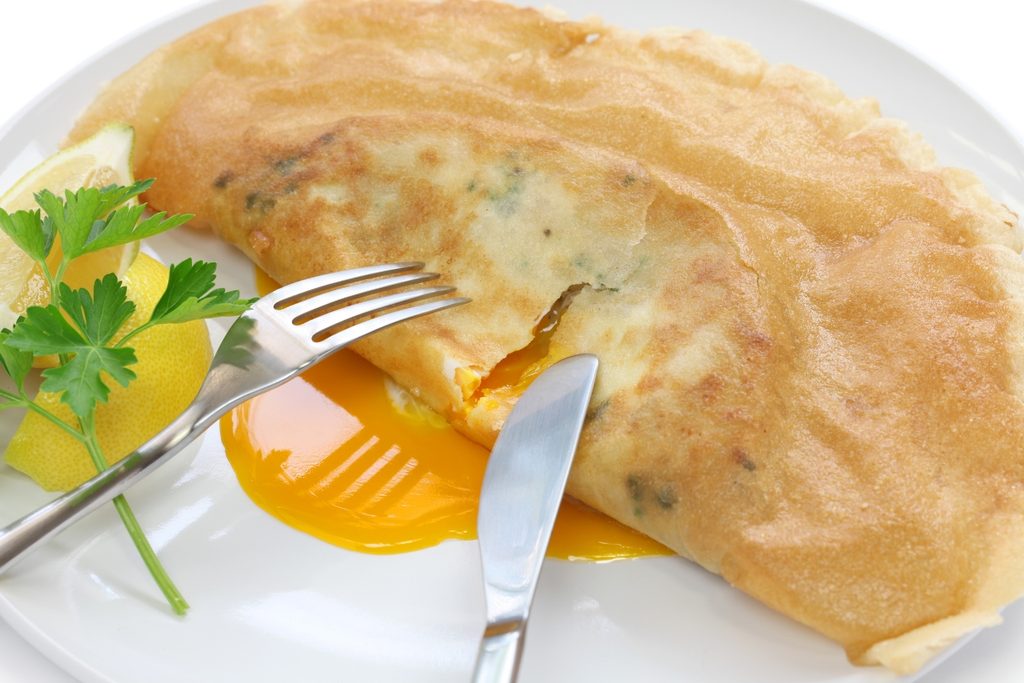
Finally, we have brik. This Tunisian street-food favourite is made from incredibly thin pastry wrapped around fillings such as egg, tuna, potato, parsley and harissa before being fried until crisp.
The classic egg version is particularly fun to eat because the yolk is often still runny when you bite into it. It is crispy, spicy, salty and wonderfully messy.
In other words, exactly the sort of food I love discovering while travelling.
READ ALSO: 20 Things You Didn’t Know About Africa
The Best Way to Experience African Food
The truth is, this list could have been 50 foods long and I would still have struggled to narrow it down.
Africa’s food culture is far too diverse to fit neatly into four categories. There are thousands of dishes, countless regional variations and family recipes that you will never find on a standard restaurant menu.
And that, for me, is part of the fun.
Don’t only eat in your hotel. Go to the market. Try the roadside stall. Ask your guide what they eat at home. Follow the smell of charcoal. Order something you have never heard of. Sit down with locals when you get the chance.
Because sometimes the meal you remember most from Africa won’t be the one you planned to eat. It will be the one you stumbled across somewhere between one adventure and the next.