
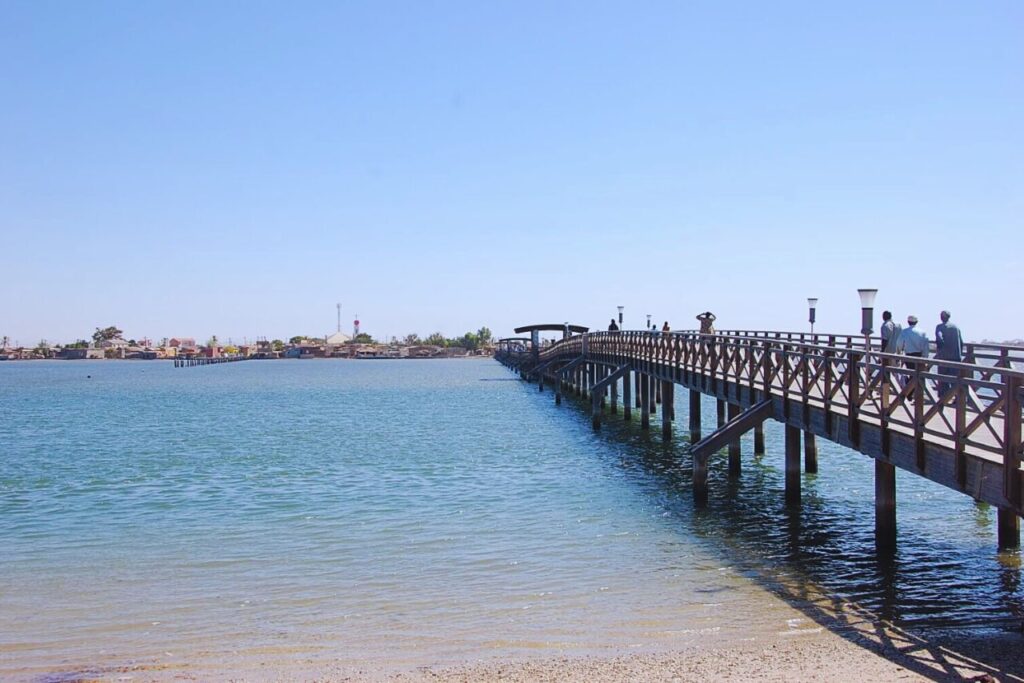
Stretching south from the Cap-Vert peninsula, Senegal’s Petite Côte is a sun-drenched coastal haven where golden Atlantic beaches meet tranquil mangrove lagoons and vibrant fishing villages.
Unlike the high-tempo energy of Dakar, the Petite Côte moves at an unhurried rhythm defined by warm ocean breezes, fresh seafood grills, and celebrated Teranga hospitality.
Whether you want to ride uncrowded Atlantic point breaks, paddle through pelican-filled mangrove reserves, or immerse yourself in bohemian coastal arts, this coastline offers a rich blend of adventure and relaxation.
This comprehensive guide breaks down the best coastal villages, Atlantic swell dynamics, real-world CFA Franc budgets, and practical transport logistics from Blaise Diagne International Airport.
Fast Facts for Traveling to the Petite Côte
- Gateway Airport: Blaise Diagne International Airport (DSS) in Diass is just 25 to 35 minutes from the coast, allowing travelers to bypass Dakar’s city traffic entirely.
- Local Currency: West African CFA Franc (XOF), pegged to the Euro (
1 EUR ≈ 655.96 XOF|1 USD ≈ 600–620 XOF). - Official Language: French and Wolof (Basic French phrases or translation apps are essential for local markets and taxi negotiations).
- Local Transport: Official yellow-and-black taxis and regional shared sept-place station wagons connect all coastal towns along the paved R10 highway.
- Mobile Money & ATMs: Wave and Orange Money are widely accepted at beach bars and stalls; stock up on physical cash before weekends when local ATMs often run dry.
- Health & Entry: Yellow Fever vaccination certificate is mandatory upon arrival at DSS airport for international travelers.
Petite Côte Village Guide: Comparing Surf Breaks and Daily Living Costs
Each coastal settlement along the Petite Côte features a distinct atmosphere, budget tier, and cultural character. Use this comparative overview to match your travel style with the right base:
| Village / Coastal Hub | Primary Atmosphere & Vibe | Transit from DSS Airport | Avg. Daily Budget (USD / XOF) | Best-Fit Traveler Profile |
|---|---|---|---|---|
| Popenguine | Peaceful cliffside eco-village, nature reserve, Catholic sanctuary | 25 mins (15,000 XOF) | $40 – $90(24,000 – 55,000 XOF) | Nature lovers, hikers, mindful travelers & quiet retreats |
| Toubab Dialaw | Bohemian arts hub, cliffside stone architecture, dance academies | 20 mins (12,000 XOF) | $35 – $75(21,000 – 46,000 XOF) | Creatives, solo backpackers, surfers & cultural seekers |
| La Somone | Protected mangrove lagoon, tranquil sandbars, fresh oyster shacks | 35 mins (18,000 XOF) | $60 – $140(37,000 – 86,000 XOF) | Birdwatchers, couples, beginner surfers & eco-enthusiasts |
| Saly Portudal | Bustling resort strip, beachfront hotels, golf, nightlife & casinos | 35 mins (20,000 XOF) | $90 – $220+(55,000 – 135,000+ XOF) | Resort vacationers, families, golfers & watersport seekers |
| Ngaparou | Quiet artisanal fishing village, peaceful beachfront guesthouses | 30 mins (18,000 XOF) | $50 – $110(30,000 – 68,000 XOF) | Long-stay travelers, remote workers & seafood lovers |
| Joal-Fadiouth | Historic island made of clam shells, wooden bridges, interfaith cemetery | 70 mins (30,000 XOF) | $30 – $60(18,000 – 37,000 XOF) | History buffs, photographers & day-trip explorers |
Exploring the Coastal Towns and Villages
1. Popenguine: Cliffside Sanctuaries & Protected Nature
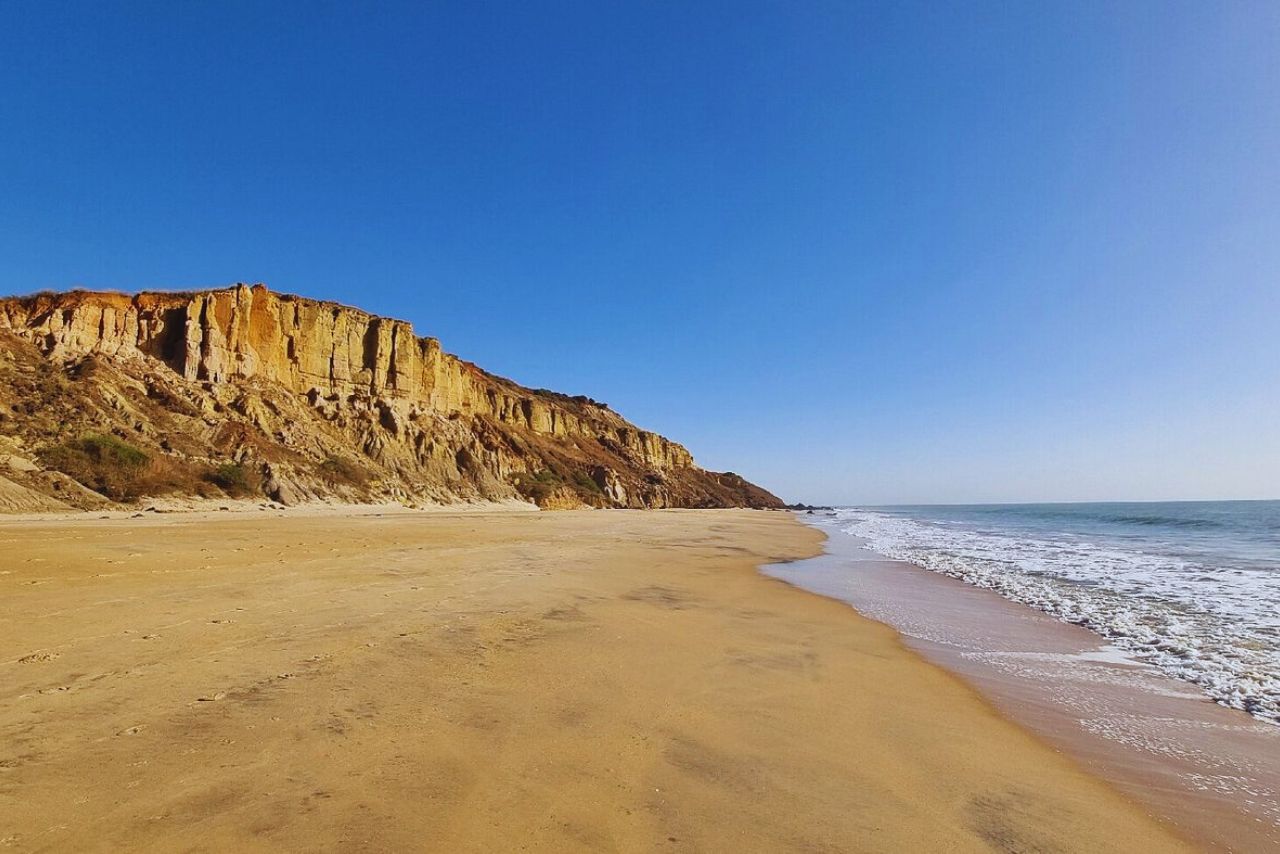
Nestled against dramatic volcanic bluffs, Popenguine is celebrated for its pristine natural setting and historic spiritual heritage.
The village is home to the famous Basilica of Notre Dame de la Délivrance and the community-run Popenguine Nature Reserve, which protects endangered coastal birds and marine flora.
2. Toubab Dialaw: Bohemian Arts & Coastal Dance
Perched on rugged red sea cliffs, Toubab Dialaw is the artistic capital of the coastline, renowned for organic stone and seashell architecture.
Visitors gather at cultural landmarks like Sobo Badè and the world-famous École des Sables, an international traditional and contemporary African dance centre founded by dancer Germaine Acogny.
3. La Somone: Mangrove Lagoons & Bird Sanctuaries
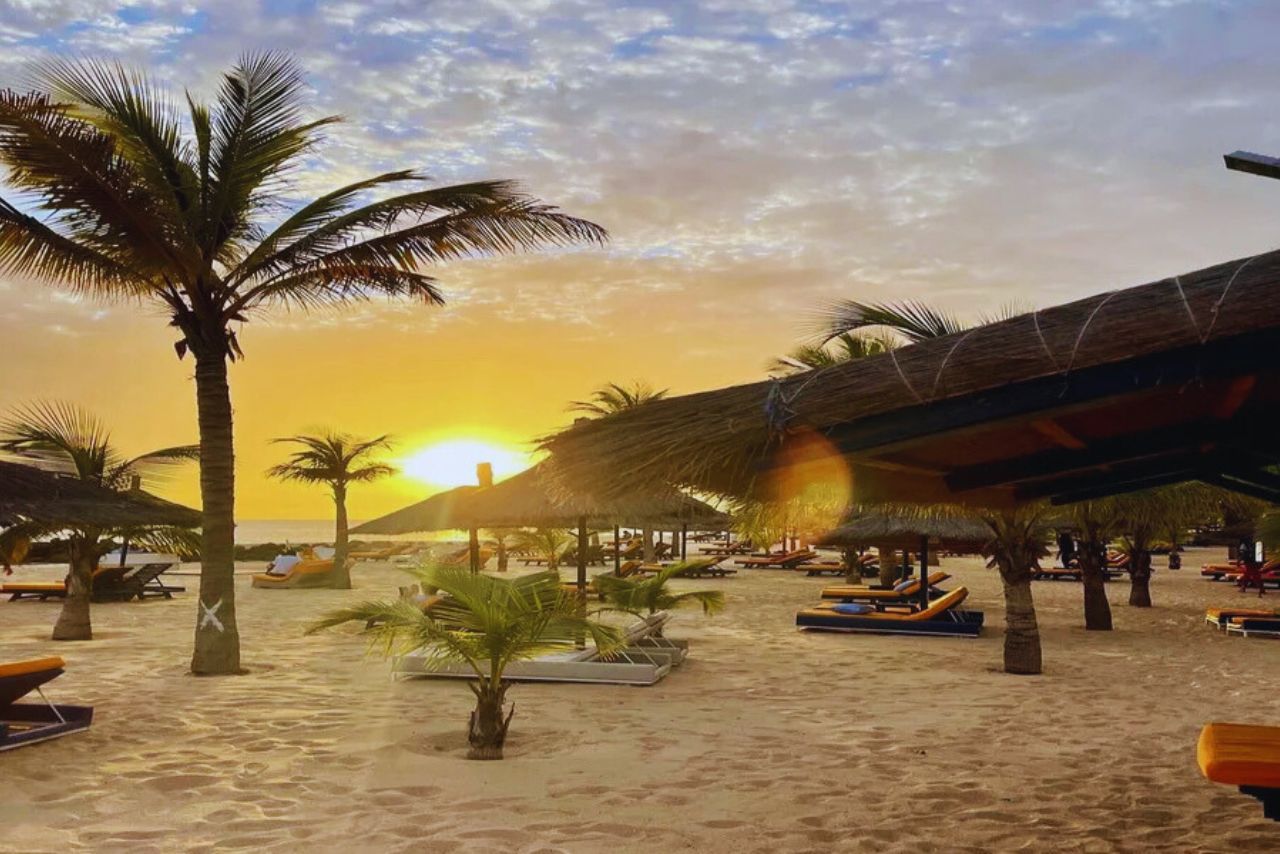
La Somone centers around a breathtaking 7,000-hectare mangrove estuary protected under the Direction des Parcs Nationaux network.
Take a motorized wooden pirogue ride through the quiet channels to spot pink flamingos and pelicans before enjoying freshly harvested oysters at rustic stilt shacks.
4. Saly Portudal: The Lively Beachfront Hub
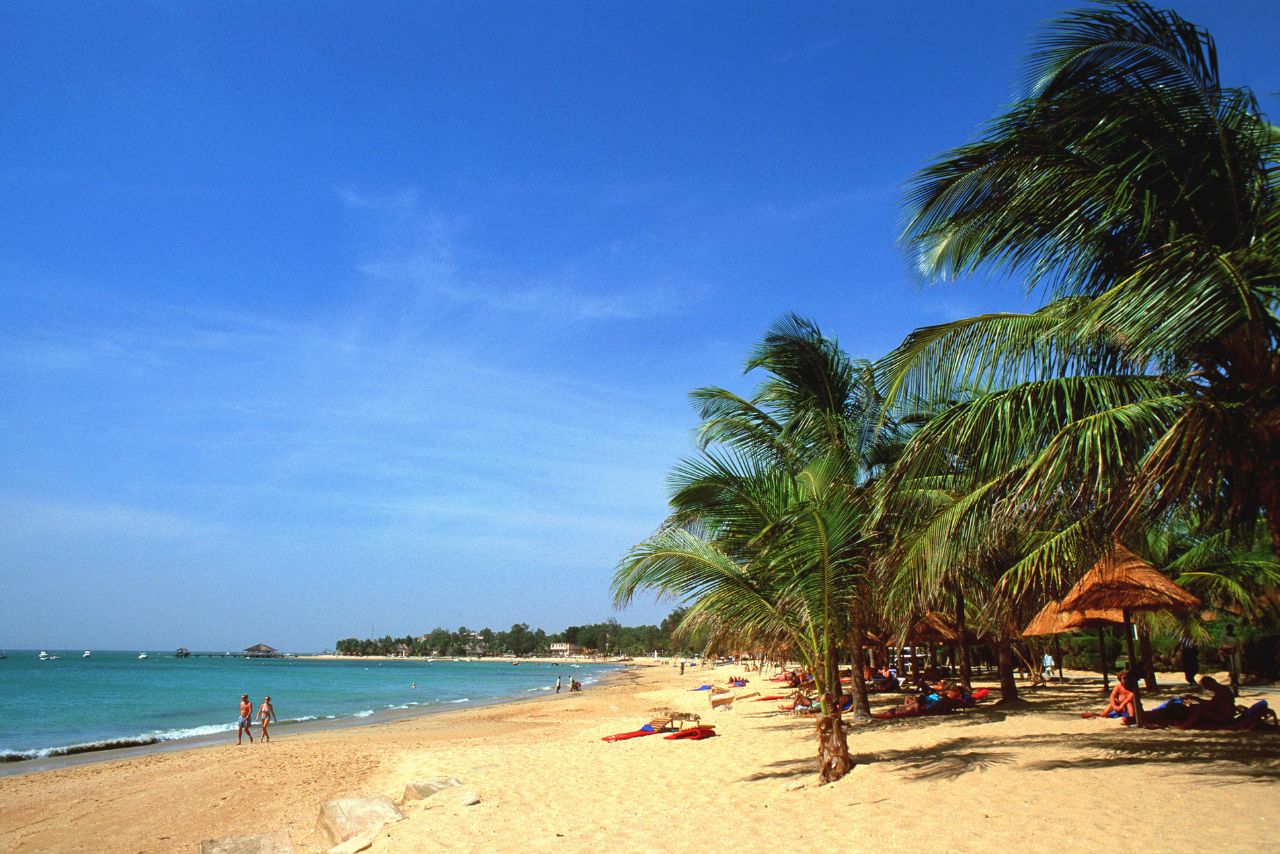
Originally established as an 18th-century Portuguese trading post, Saly has grown into West Africa’s most developed beach destination.
Here you will find full-service beachfront resorts, international culinary bistros, catamaran excursions, and an 18-hole championship golf course.
5. Ngaparou: Authentic Fishing & Seaside Serenity
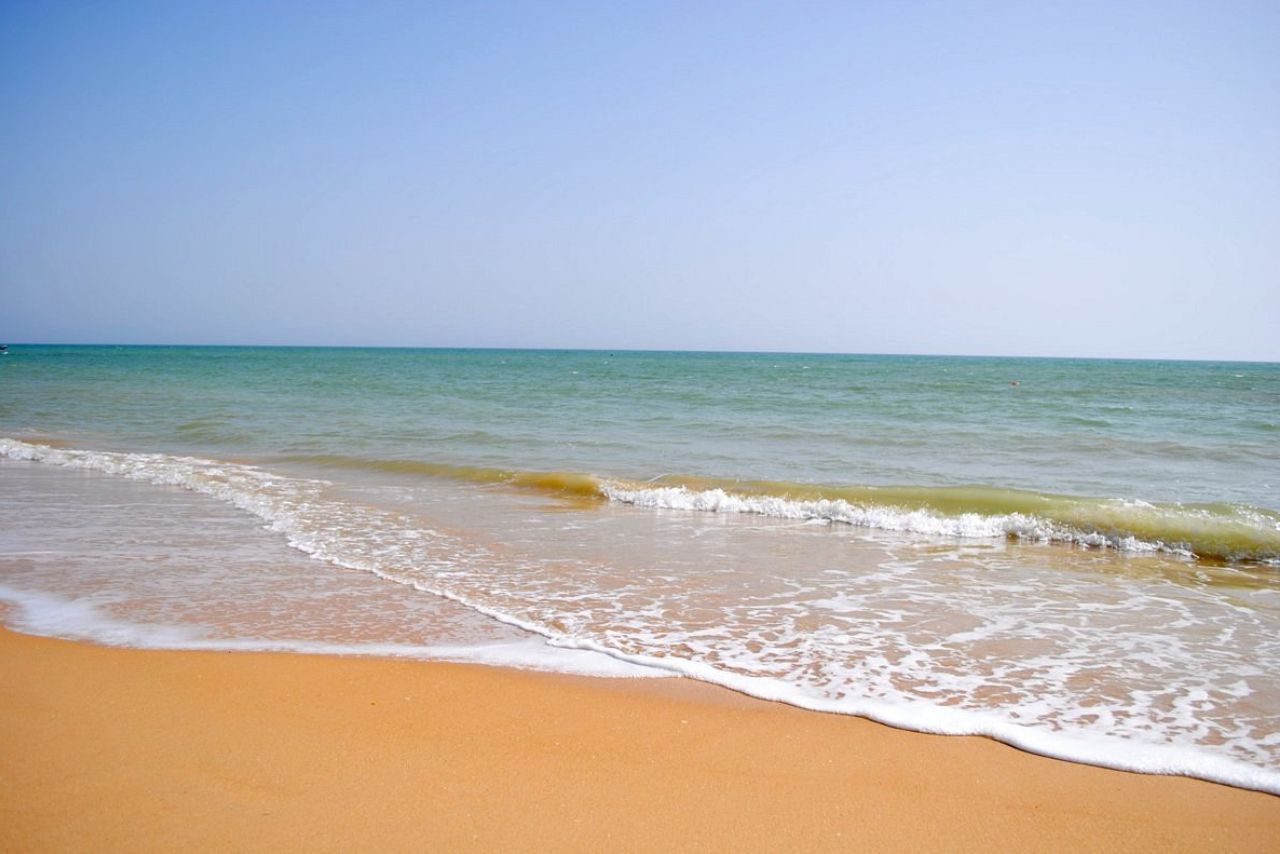
Positioned just north of Saly, Ngaparou offers wide stretches of uncrowded sand where colorful fishing fleets arrive every afternoon.
It is an ideal location to rent private villas or relax at beachfront boutique lodges while remaining close to modern conveniences.
6. Joal-Fadiouth: The Island of Seashells
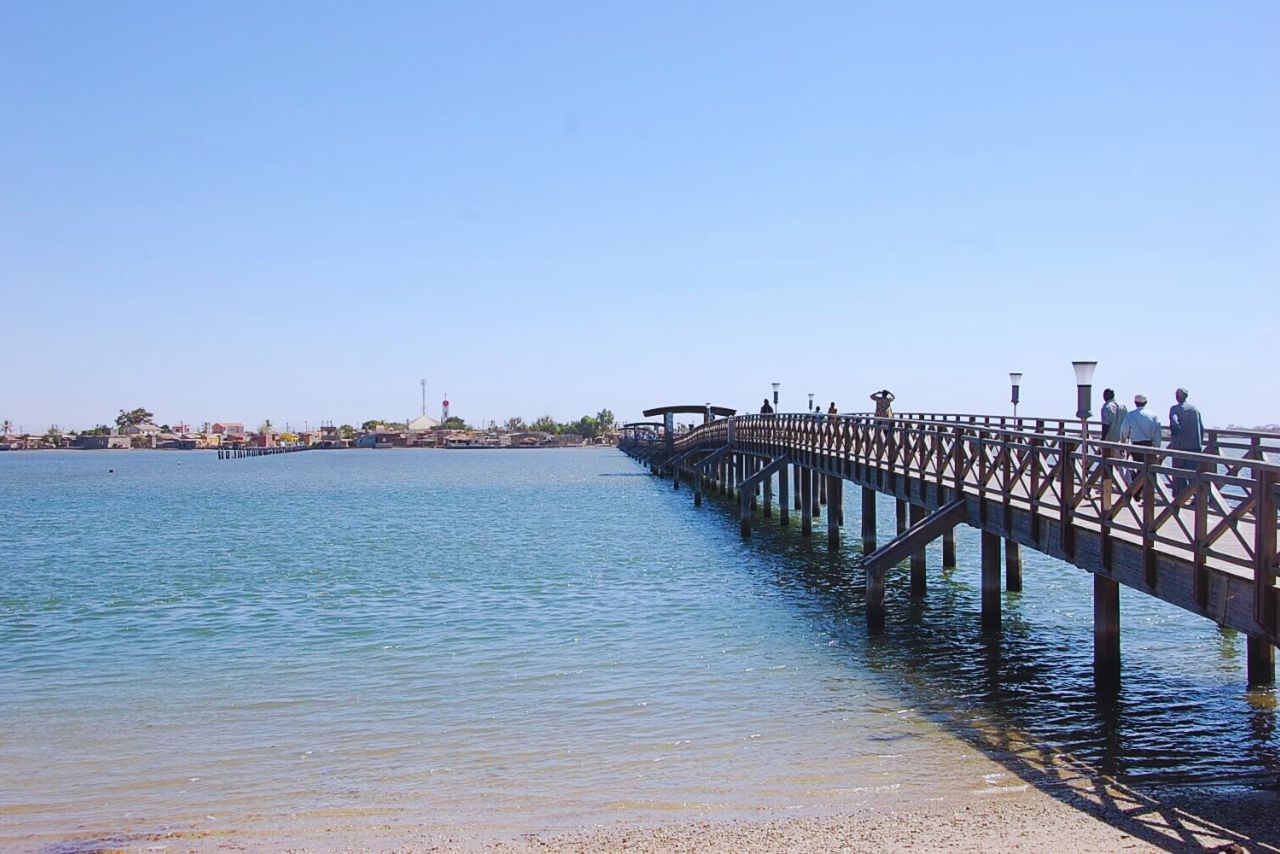
Located at the southern edge of the Petite Côte near the UNESCO Saloum Delta, Joal-Fadiouth is an extraordinary cultural wonder.
The car-free island of Fadiouth is composed entirely of billions of discarded mollusk shells, featuring elevated granaries on stilts and a peaceful shared cemetery where Christian and Muslim graves lie side by side.
Atlantic Swell Dynamics & Surfing Guide
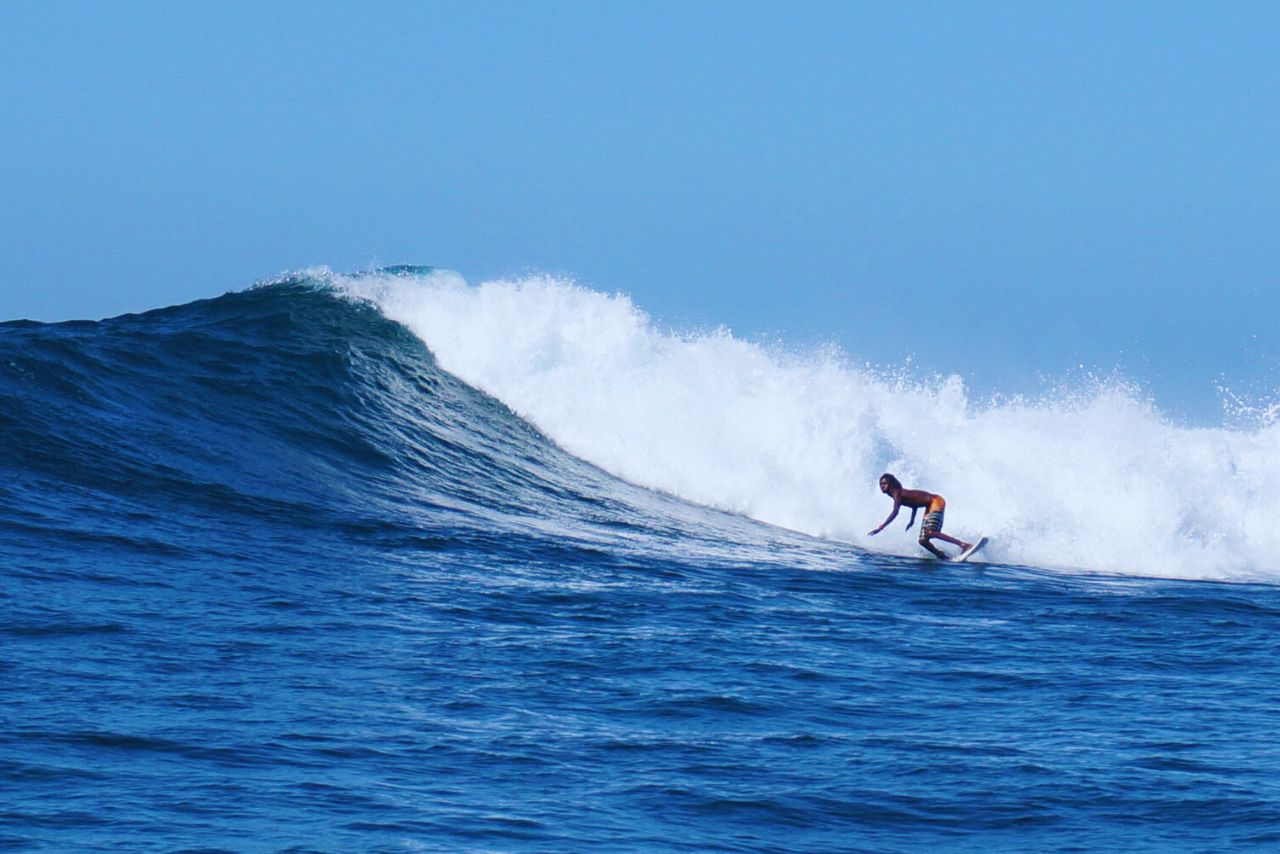
While the nearby Almadies peninsula in our Dakar city guide is famous for heavy reef breaks, the Petite Côte offers friendlier beach and point breaks suitable for all levels.
- Toubab Dialaw Beach Break: Punchy sandy shorebreak delivering fast lefts and rights that work best on mid to high tides.
- Popenguine Point: A clean right-hand point break rolling over cobblestones and sand, handling swells from 3 to 6 feet with long peeling walls.
- Somone Lagoon Rivermouth: Gentle, rolling rollers ideal for beginners, longboarders, and stand-up paddleboarding.
- Seasonal Swell Windows: Prime swell season runs from November to March with consistent north-northwest swells and clean offshore winds (20°C–24°C water; 3/2mm wetsuit recommended). Summer brings warmer 28°C water and southerly swells.
- Lessons & Rentals: Surf board hire runs approximately
10,000 XOF ($16)per day, while 2-hour private coaching sessions cost15,000 – 25,000 XOF ($25 – $40)including equipment.
Authentic Coastal Cuisine & Teranga Culture
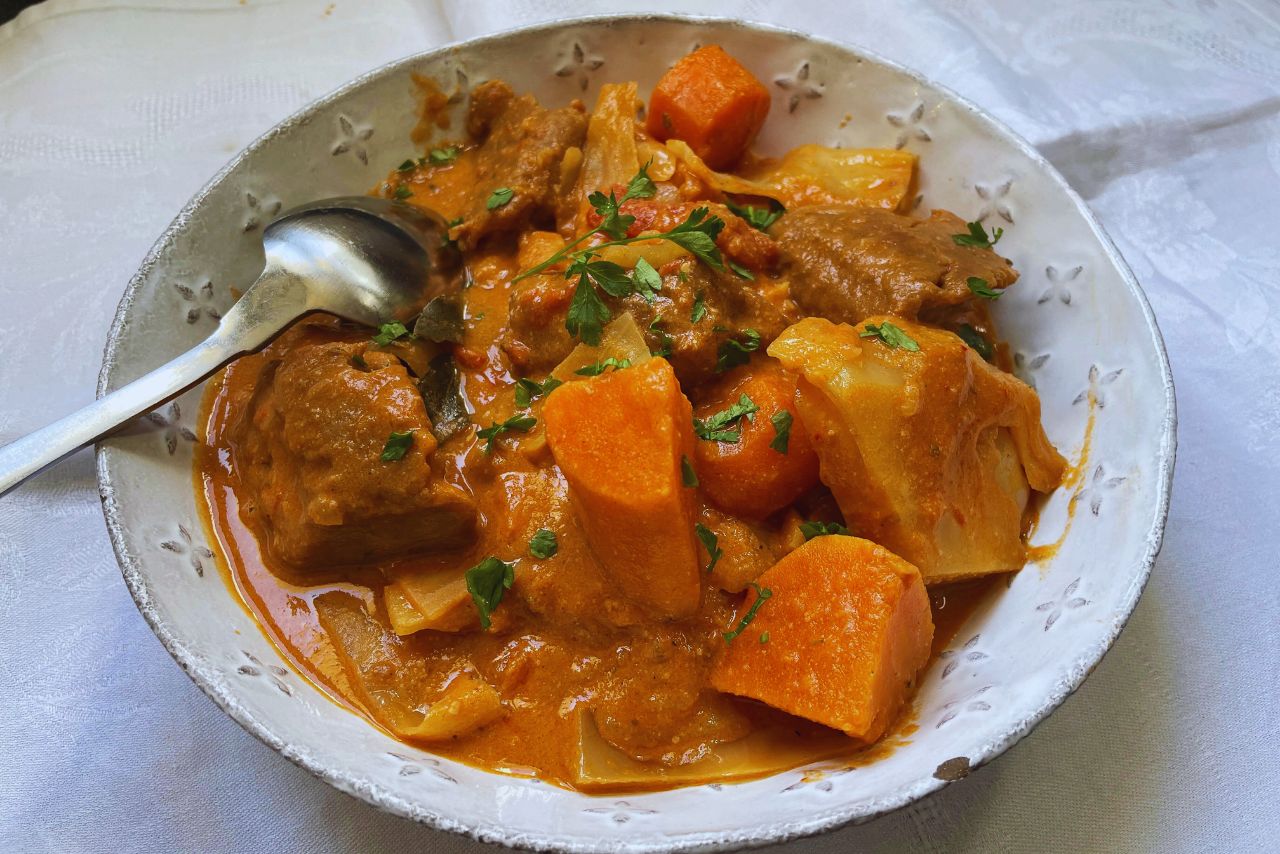
Dining along the Petite Côte revolves around freshly landed catches and iconic Senegalese recipes that represent the heart of West African culinary traditions.
- Thiéboudienne (Chebu Jën): Senegal’s national dish of simmered broken rice, fresh fish, cassava, carrots, and rich tamarind-tomato sauce (
1,500 – 3,500 XOF). - Yassa Poulet / Poisson: Grilled chicken or sea bream smothered in a tangy caramelized onion, mustard, and lime sauce (
2,500 – 5,000 XOF). - Fresh Grilled Sole & Capitaine: Whole fish grilled right on the beach over open charcoal coals, served with spicy kanja sauce and sweet plantains.
- The Attaya Ceremony: The traditional three-round foaming green tea ritual served after meals as a symbol of welcome and unhurried friendship.
Tiered Daily Budget Stacks
- Backpacker Tier (18,000 – 30,000 XOF / $30 – $50 per day): Shared hostel dorm or rustic eco-hut, street food dining (thiéboudienne and pastel pastries), public sept-place transport, and beach swimming.
- Mid-Range Tier (45,000 – 90,000 XOF / $75 – $150 per day): Private air-conditioned boutique room, sit-down beach restaurant meals, private taxi hires, lagoon pirogue excursions, and surf board rentals.
- Resort & Luxury Tier (130,000+ XOF / $215+ per day): Full-service beachfront resort or private oceanfront villa, private airport chauffeur, guided mangrove birding, fine dining, and catamaran charters.
Myth vs. Insider Reality
- Myth: “You must fly into Dakar and navigate city traffic to reach the Petite Côte.”
Reality: Blaise Diagne International Airport (DSS) is located in rural Diass, placing you less than 30 minutes from the coast via the A1 toll highway without ever entering Dakar. - Myth: “The Petite Côte is only for all-inclusive resort tourists.”
Reality: Towns like Popenguine, Toubab Dialaw, and Ngaparou offer rich community ecotourism, surf camps, and independent arts centres. - Myth: “Credit cards are accepted everywhere along the beach.”
Reality: Outside of major hotels in Saly, most local restaurants, taxi drivers, and surf instructors operate on cash or local mobile money (Wave and Orange Money).
Related Regional Travel & Coastal Guides
- Read our comprehensive Dakar city guide for Senegal covering music, markets, and Gorée Island.
- Check visa requirements for Senegal on our list of visa-free African countries for tourists.
- Discover more secluded coastal getaways in our guide to the top hidden beaches in Africa.
- Explore Atlantic island swells with our guide to winter sun and kitesurfing in Cape Verde.



One Response
so much great info on here, : D.