Escaping the European winter often narrows down to two sun-drenched Atlantic archipelagos. On one side lie the Canary Islands, reliable and familiar. On the other sits Cape Verde, raw and captivating.
Both promise an escape from freezing rains and grey skies. Yet they offer fundamentally different holidays. That changes everything.
The Mid-Winter Sun Dilemma
Choosing between these destinations usually starts with a simple geographical reality. The Canary Islands sit off the coast of southern Morocco at 28 degrees north latitude.
Cape Verde rests much further south, anchored at 16 degrees north off Senegal. That twelve-degree gap equals roughly 1,400 kilometres closer to the equator.
That distance shapes your daily warmth, water temperatures, and holiday pace.
Head to Head: Climate, Water and Wind Dynamics
Winter in the Canary Islands feels like a fresh European spring. Daytime highs hover comfortably between 19°C and 22°C (66°F–72°F) under bright sunshine.
Evenings in Tenerife and Lanzarote turn distinctly brisk. You will definitely need a fleece or light jacket once the sun drops below the horizon.
Cape Verde delivers true tropical warmth throughout January and February. Daytime highs regularly reach 25°C to 28°C (77°F–82°F), with mild nights rarely dipping below 20°C.
Ocean swimming highlights another major contrast. The winter Atlantic around the Canaries remains bracing at 18°C to 20°C, making heated hotel pools a necessity for casual swimmers.
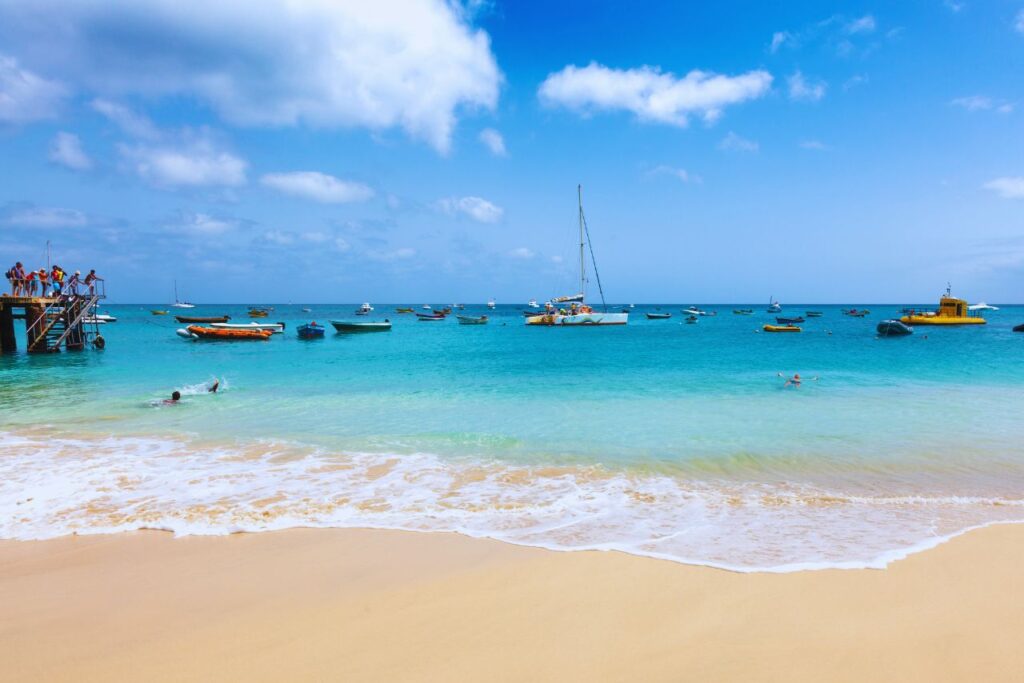
Cape Verde enjoys warmer equatorial seas averaging 23°C to 25°C. Swimming in the bay of Santa Maria feels inviting without a wetsuit.
Persistent trade winds blow across both archipelagos during the winter months. Cape Verde experiences steady northeast breezes of 15 to 25 knots, creating world-class kitesurfing conditions but occasional ocean swells.
| Winter Comparison | Canary Islands (Tenerife, Lanzarote) | Cape Verde (Sal, Boa Vista) |
|---|---|---|
| Latitude & Climate | 28°N (Subtropical ‘eternal spring’) | 16°N (Tropical dry / desert) |
| Daytime Highs (Dec–Mar) | 19°C – 22°C (66°F – 72°F) | 25°C – 28°C (77°F – 82°F) |
| Evening Temperatures | 14°C – 16°C (jacket required) | 20°C – 22°C (t-shirt weather) |
| Ocean Temperature | 18°C – 20°C (bracing; brief dips) | 23°C – 25°C (comfortably warm) |
| Rainfall Risk | Low in south; occasional showers in north | Virtually zero rainfall |
| Wind Profile | Moderate coastal breezes; rare Calima | Steady trade winds (15–25 kts); Harmattan haze |
| Flight Time from UK/EU | 4 to 4.5 hours direct | 5.5 to 6.5 hours direct or via Lisbon |
| Time Zone Difference | GMT / WET (Zero jet lag from UK) | UTC-1 (One hour behind UK; zero jet lag) |
| Currency & Card Use | Euro (€); contactless accepted everywhere | Cape Verdean Escudo (CVE); cash preferred |
| Healthcare & Roads | European Union standards; modern motorways | Developing infrastructure; basic outer island clinics |
Flight Logistics and Getting Around
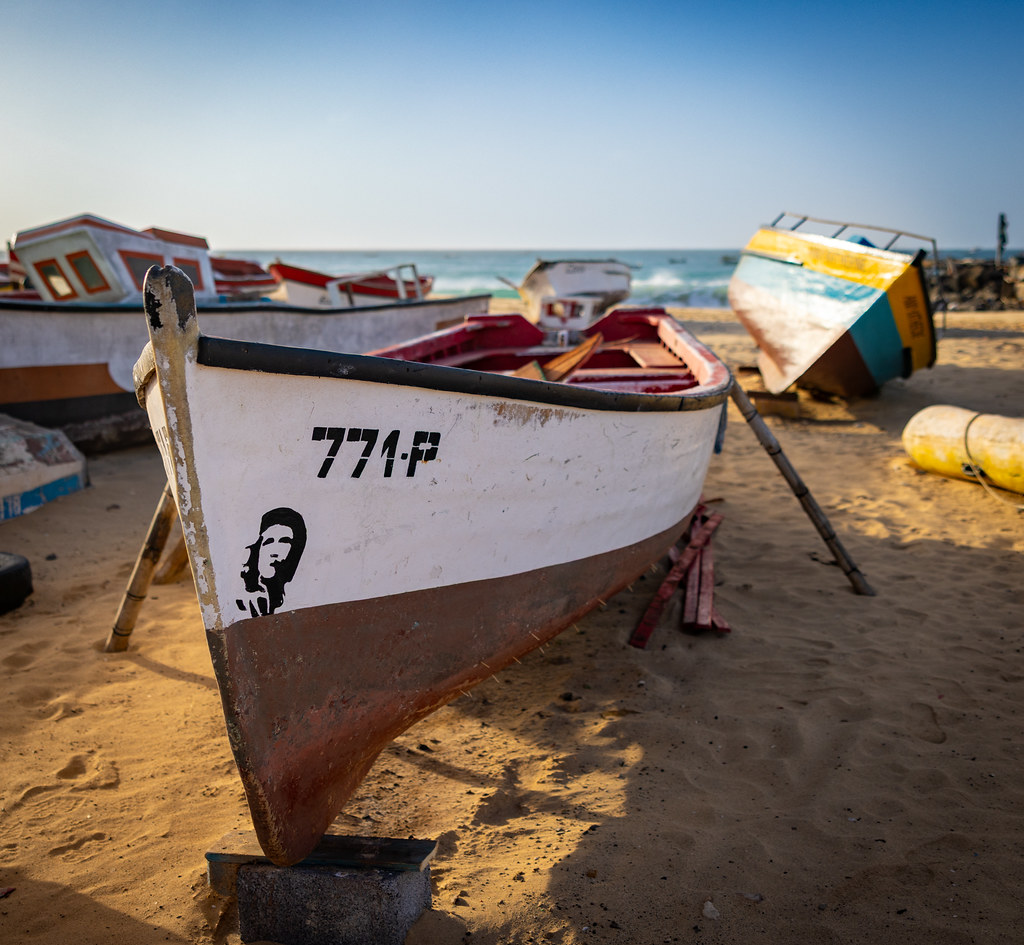
Travel convenience strongly favours the Canary Islands. Dozens of daily budget flights depart from regional airports across Britain and mainland Europe.
Flight times to Tenerife or Gran Canaria average four hours. That convenience is hard to beat. You can easily book a spontaneous weekend escape on short notice.
Reaching Cape Verde requires slightly more commitment. Direct charter and scheduled flights to Sal and Boa Vista take roughly six hours from London, while TAP Air Portugal connects via Lisbon.
On the ground, the difference in mobility is immediate. The Canaries offer smooth multi-lane motorways and exceptionally cheap car rentals starting around €15 to €25 per day.
Cape Verde relies on shared open-backed minivans called aluguers and private 4×4 taxis. Exploring beyond paved town roads means navigating cobblestone passes and dirt tracks.
Beaches and Landscape Realities
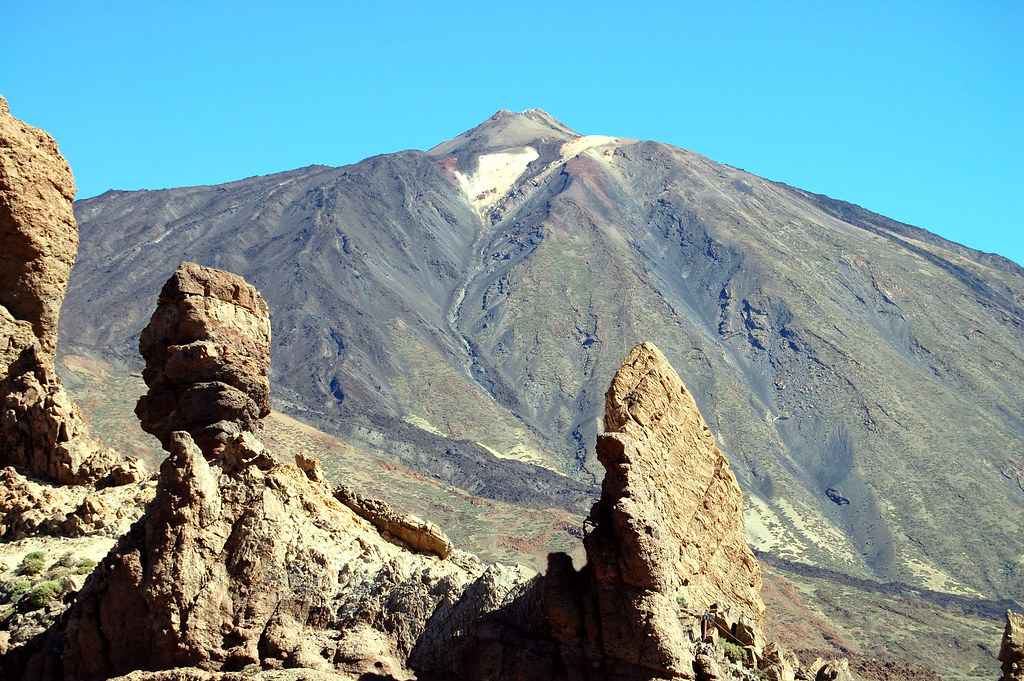
Landscape diversity is the crowning jewel of the Canary Islands. You can explore ancient laurel forests, dramatic black volcanic coves, and the pine-scented slopes of Mount Teide.
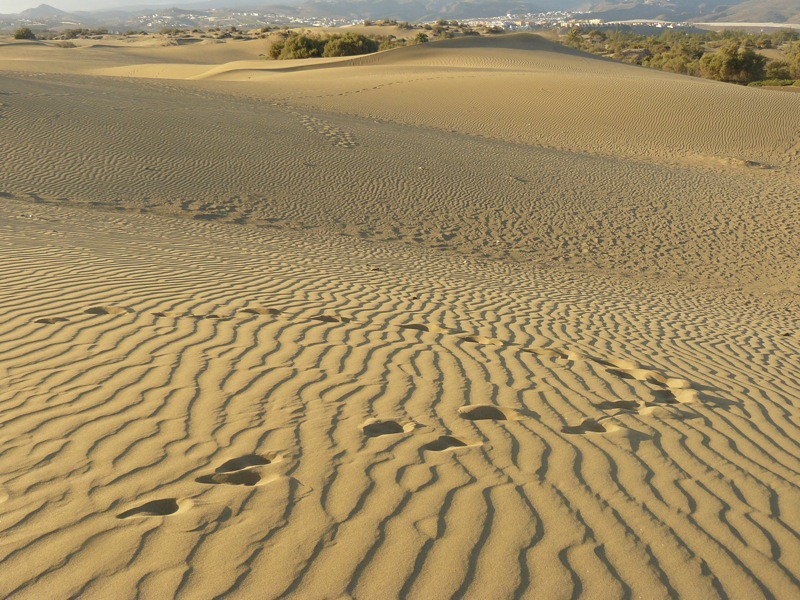
Lanzarote captivates with surreal lava fields, while Gran Canaria showcases the sweeping golden dunes of Maspalomas. Everything is supported by paved trails and established visitor centres.
Cape Verde feels noticeably more wild and unmanicured. The contrast is sharp.
Flat resort islands like Sal and Boa Vista boast endless stretches of blinding white sand swept by Sahara winds.
Praia de Santa Mónica on Boa Vista runs for eighteen uninterrupted kilometres without a concrete high-rise in sight. For travelers wanting verdant mountain canyons or active volcanic peaks, our comprehensive Cape Verde island guide details how to ferry across to Santo Antão and Fogo.
Cultural Soul, Dining and Daily Rhythm
Dining in the Canary Islands reflects Spanish culinary traditions. You can feast on papas arrugadas dipped in spicy mojo sauce, fresh grilled octopus, and crisp local volcanic Malvasía wine.
Resort towns cater thoroughly to international visitors with English breakfasts and familiar supermarket chains. Convenience is never in question.
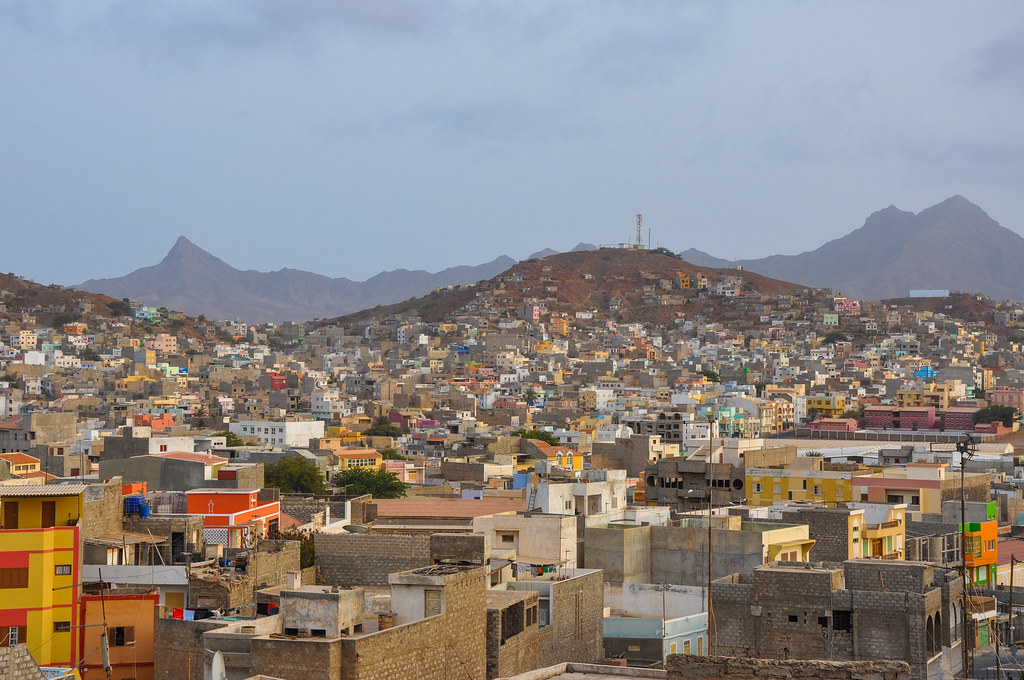
Cape Verde immerses you in a rich Creole rhythm defined by morabeza, the local philosophy of warm hospitality. Expect a different rhythm. Daily life moves at an unhurried, soulful pace.
Evenings come alive with live acoustic morna and coladeira performances in open-air tavernas. Meals revolve around fresh grilled wahoo, yellowfin tuna, and Cachupa, a slow-simmered national stew of hominy corn and beans.
The Matchmaker: Finding Your Fit
Neither destination is universally superior. The right choice comes down to what matters most to your holiday.
Choose the Canary Islands If:
- You travel with toddlers, young children, or older relatives requiring world-class healthcare.
- You enjoy self-drive road trips through diverse mountain landscapes, pine forests, and volcanic peaks.
- You prefer seamless flights, short transit times, and low-cost spontaneous bookings.
- You want lively evening dining, pedestrian shopping strips, and familiar European amenities.
Choose Cape Verde If:
- You demand guaranteed mid-winter warmth with comfortable shorts-and-t-shirt evenings.
- You want warm ocean swimming without the bracing chill of subtropical waters.
- You love world-class kitesurfing, windsurfing, or expansive empty beaches stretching to the horizon.
- You appreciate genuine Creole culture, soulful acoustic music, and a slower, authentic pace of life.
Practical Realities Before You Fly
Entering the Canary Islands follows standard European Union regulations. Visitors from the UK and EU can consult the official Canary Islands Tourism portal for local guidelines.
Traveling to Cape Verde requires pre-registration. All international visitors must complete an online form on the government EASE travel platform and pay the 3,400 CVE (roughly €31) Airport Security Tax.
Weather patterns remain predictable across both archipelagos, though tracking forecasts with the State Meteorological Agency helps plan Canary mountain excursions. Cape Verde rarely sees a drop of rain between December and May.
Tap water in the Canary Islands is safe for hygiene and cooking, while bottled water is recommended across Cape Verde. Keep cash handy when exploring Cape Verde, as ATMs can occasionally run dry on smaller islands.
Whichever archipelago you choose, you are trading winter frost for Atlantic sunshine. Enjoy the warmth.