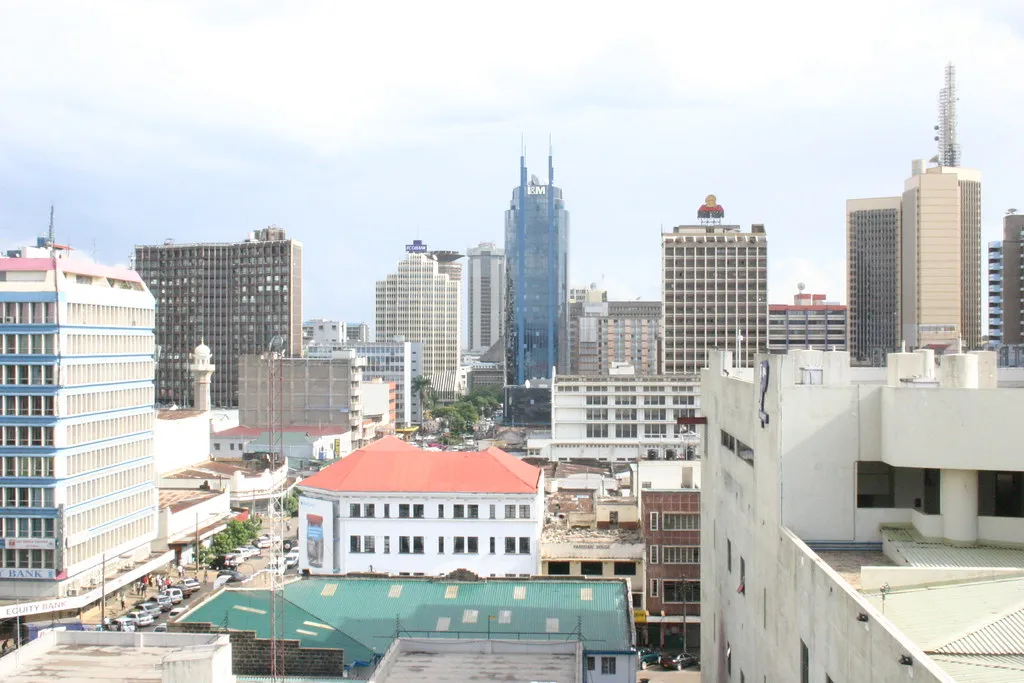
Choosing between Nairobi and Kigali as a remote work base comes down to a fundamental choice of daily lifestyle.
If you thrive on fast-paced entrepreneurial energy, rapid gigabit broadband, and a boundless social scene, Nairobi delivers it in spades.
If your nervous system craves absolute calm, immaculate order, and walking down peaceful streets late at night without clutching your phone, Kigali is tough to beat.
Neither city is universally superior.
What matters is being honest about which trade-offs you are actually willing to live with on an ordinary Tuesday afternoon.
The Core Trade-Off: Velocity vs. Peace of Mind

Nairobi is the economic locomotive of East Africa. It hums with venture capital, tech meetups, and an infectious ambition that pushes you to work harder.
That relentless momentum comes with friction.
Traffic along Ngong Road can swallow your entire evening, and you have to stay sharp whenever you walk outside busy commercial hubs.
Kigali operates on an entirely different rhythm.
The streets across Kiyovu and Kacyiru are pristine, public administrative tasks happen smoothly online, and violent street crime is virtually absent.
You pay for that serenity with a quieter, more contained social calendar and higher import costs on everyday goods.
If you are sizing up regional bases, our broader breakdown of top African destinations for remote workers maps how East Africa compares across the continent.
Monthly Housing Costs Across Kilimani and Kimihurura
Furnished apartment pricing catches many incoming nomads off guard. Nairobi actually offers much better housing value for modern, amenity-rich rentals.
In nomad hubs like Kilimani, Kileleshwa, and Westlands, competition among developers is fierce.
You can readily secure a bright, modern one-bedroom apartment in a high-rise with a gym, rooftop pool, high-speed elevator, and backup generator for $650 to $850 USD (~KES 84,500 to 110,500) per month.
Kigali has a far smaller stock of modern, multi-unit apartment complexes.
Most desirable rentals in leafy neighborhoods like Kimihurura, Kiyovu, and Nyarutarama are standalone villas or older duplexes.
A properly furnished, renovated one-bedroom flat with consistent hot water and a reliable generator will run between $800 and $1,200 USD (~1,100,000 to 1,650,000 RWF) monthly.
If you want brand-new fixtures on a modest budget, your money stretches further in Nairobi.
Fiber Reliability and the Daily Power Grid Reality
Reliable home internet is non-negotiable when your paycheck depends on seamless video calls.
Nairobi is one of the premier connectivity capitals on the continent.
A standard Safaricom Home Fibre connection costs around KES 4,100 (~$32 USD) per month for unlimited 45 Mbps, with 100 Mbps tiers easily available.
Outages are rare, and if your home line drops, 5G mobile data on Safaricom is blazingly fast and simple to hotspot.
Kigali has made tremendous leaps with CanalBox fiber, offering 50 Mbps unlimited connections for 30,000 RWF (~$22 USD) per month.
Liquid Telecom provides rock-solid dedicated business fiber across the city center, though residential installation can take longer to coordinate.
The bigger daily wildcard in both cities is electricity.
In Nairobi, Kenya Power (KPLC) blackouts happen without warning, making an apartment building with an automatic diesel backup generator an absolute essential.
In Kigali, REG power cuts are generally shorter and less frequent, but keeping a loaded prepaid power meter and a small UPS battery for your router saves unnecessary headaches.
Always ask your prospective landlord about backup power before putting down a deposit.
Street Transit: Navigating Nairobi Jams vs. Kigali Motos
How you move around town defines how much daily stamina you preserve for your work.
Getting around Nairobi requires tactical scheduling.
A quick three-kilometer trip from Westlands to Kilimani can take ten minutes at midday, or ninety grueling minutes during peak rain or evening rush hour.
Uber and Bolt are ubiquitous, and brave souls take local matatus, but most remote workers learn to cluster their errands within their home neighborhood bubble.
Kigali is an entirely different transit world.
Motorcycle taxis, known universally as motos, are the heartbeat of the city. Drivers carry passenger helmets, respect traffic lights, and use digital fare meters or standardized distance pricing.
A cross-town moto ride rarely costs more than 1,000 to 1,500 RWF (~$0.75 to $1.10 USD) and gets you anywhere in fifteen minutes.
If you prefer four wheels, the Move app connects you to clean Volkswagen electric hatchbacks with transparent fixed pricing.
Gridlock simply does not exist in Kigali the way it does in Kenya.
Food Budgets: Local Markets vs. Supermarket Imports
Eating well on a sensible budget depends heavily on how closely you stick to domestic seasonal ingredients.
Nairobi has a massive agricultural hinterland that keeps fresh produce remarkably cheap.
Piles of ripe avocados, tomatoes, passion fruit, and greens from neighborhood grocers cost pocket change, while a hearty local lunch of beef stew, chapati, and sukuma wiki runs around KES 350 (~$2.70 USD).
Supermarkets like Carrefour Sarit Centre offer every international pantry craving you might have, though imported European cheeses and specialty snacks carry steep tariffs.
For a detailed breakdown of daily grocery and dining costs, explore what $100 buys in Kenya.
In Kigali, cooking local vegetables from Kimironko Market is wonderfully affordable.
A heaping basket of tree tomatoes, mangoes, potatoes, and fresh beans will barely dent a 10,000 RWF note (~$7.40 USD).
However, dining out at expat cafes in Kimihurura adds up quickly, and packaged goods at Simba Supermarket carry noticeable import markups.
To see how daily budgets work across local stalls and cafes, take a look at what $100 buys in Rwanda.
Social Energy and Nighttime Safety

Your quality of life after closing your laptop screen is where the cultural personalities of both cities diverge most sharply.
Nairobi is electric, diverse, and intoxicatingly lively.
Between live jazz in Lavington, art exhibitions in Industrial Area, and packed networking mixers at Nairobi Garage, you could attend three social gatherings every night of the week.
Yet street vigilance is mandatory.
You cannot casually stroll down poorly lit avenues after dark with an iPhone in your hand, and you will rely on ride-hailing apps door to door once the sun sets.
Kigali offers a rare, serene sense of security.
You can walk home from dinner at 11:00 PM along tree-lined streets in Kiyovu without glancing over your shoulder or clutching your backpack.
The nightlife is smaller and quieter, centered around relaxed outdoor lounges, cold Skol beers, and grilled goat brochettes.
It is comfortable, civil, and predictable, though extroverts looking for wild late-night spontaneity may find it quiet after a few months.
Monthly Expense Comparison Stack
Here is what a comfortable remote worker lifestyle typically costs in both cities on an average month.
| Expense Category | Nairobi (USD / KES) | Kigali (USD / RWF) |
|---|---|---|
| 1-Bed Furnished Modern Apartment | $700 (~KES 91,000) | $950 (~1,300,000 RWF) |
| High-Speed Fiber (40–50 Mbps) | $32 (~KES 4,100) | $22 (~30,000 RWF) |
| Monthly Coworking Flex Desk | $140 (~KES 18,200) | $125 (~170,000 RWF) |
| Local Groceries & Fresh Produce | $180 (~KES 23,400) | $210 (~285,000 RWF) |
| Dining Out & Evening Socials | $260 (~KES 33,800) | $220 (~300,000 RWF) |
| Urban Transit (Rides & Motos) | $120 (~KES 15,600) | $50 (~68,000 RWF) |
| Estimated Total Monthly Stack | $1,432 (~KES 186,100) | $1,577 (~2,153,000 RWF) |
Your biggest single variable is always housing.
While transit in Kigali is dramatically cheaper thanks to motos, higher apartment rents often tip the total monthly budget in Nairobi’s favor.
The Practical Decision: Which City Fits Your Working Style?
Deciding where to base yourself comes down to what energizes you versus what drains you.
Choose Nairobi if you want fast-paced ambition, effortless networking, modern high-rise apartments, and an endless calendar of music and social events.
You must be willing to navigate traffic gridlock and maintain urban street awareness.
Choose Kigali if you value mental calm, spotless streets, zero traffic friction, and total personal safety above all else.
You should be content with a smaller, more intimate social circle and higher housing costs for modern spaces.
Both cities offer incredible bases for exploration across East Africa.
Practical Questions for Expats and Remote Workers
What are the visa and residency rules for remote workers?
Kenya admits most international travelers under an electronic travel authorization (ETA) for up to 90 days, while dedicated digital nomad visa legislation remains pending formal gazettement. If you plan to establish longer-term legal status or set up consultancy operations in Kenya, look closely into Kenya’s Class N work permit.
Rwanda offers a frictionless 30-day visa on arrival that can be renewed online, alongside established routes for remote professionals and foreign entrepreneurs. For a complete walkthrough of documentation, fees, and registration, read our guide to securing your Rwanda visa and residence permit.
How easy is it to register a local SIM card and mobile money?
In Nairobi, visiting an official Safaricom shop with your passport gets your SIM and M-Pesa account activated within twenty minutes. In Kigali, you register an MTN or Airtel SIM at an official service center with your passport, and activating MTN Mobile Money requires a brief in-person KYC verification.
Can you get by with English in both destinations?
English is universally spoken across Nairobi in all business, dining, and daily transactions alongside Swahili. In Kigali, English is an official language and standard in government, tech, and hospitality circles, though learning basic greeting phrases in Kinyarwanda goes a very long way with local moto drivers and neighborhood markets.
Do I need to carry cash for daily expenses?
Hard cash is practically obsolete for day-to-day spending in both capitals. Nairobi runs on M-Pesa Buy Goods tills and Paybills for everything from street avocados to fine dining, while Kigali transacts almost entirely via MTN MoMo merchant codes.