Rwanda visa rules look complicated at first glance, yet once you know where to click and which document to scan, the whole process feels less like a tangled web and more like booking a flight.
Below is everything you need to sail through the application, pay the right fee, and move from “maybe one day” to living your best life under Kigali’s endless blue skies.
This guide is built based on my friend’s experience, from the ground up, using Rwanda’s own Directorate General of Immigration and Emigration pages and the Irembo e‑portal, cross‑checked against the latest fee tables published in May 2025.
If prices or schedules are different online, this page will show the higher number. This is because an unexpected surcharge at the arrivals desk is the worst thing that can happen when you’re moving.
Who Can Move to Rwanda?
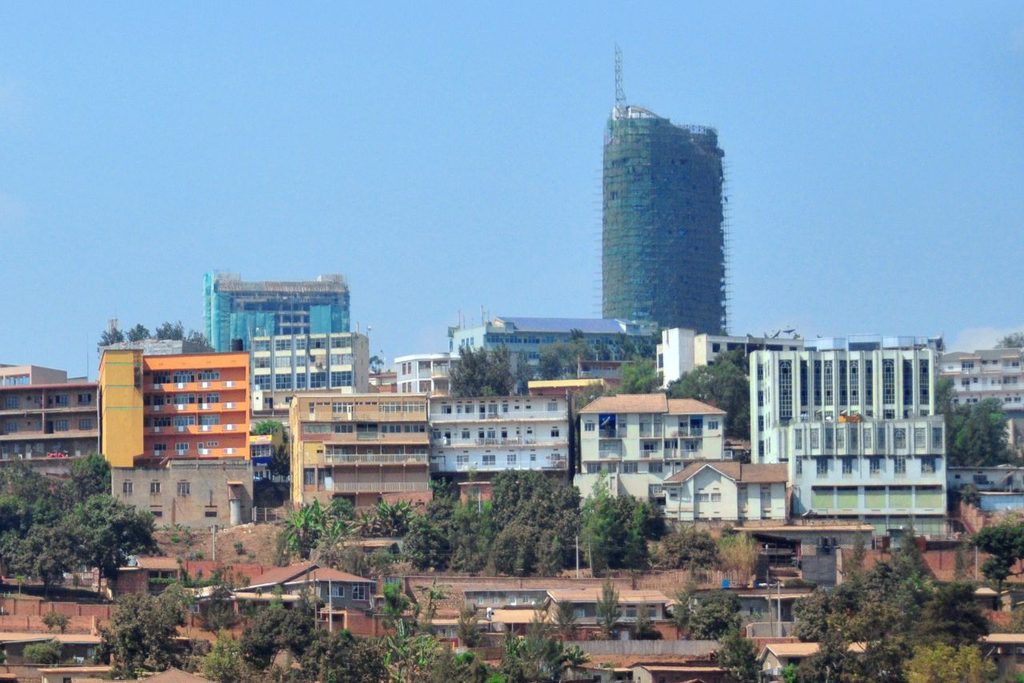
Rwanda attracts people for very different reasons. Some move for work, while others come to start a business, retire, study, join family or build a longer-term life in the country.
The important thing to understand is that there isn’t one Rwanda residence permit for everyone. The permit you need depends on why you are moving and your circumstances.
Rwanda’s Directorate General of Immigration and Emigration (DGIE) currently has separate routes for employment, business and investment, dependants, study and research, assured income, and other situations.
So before applying, the first question to ask is not simply, “How do I get a Rwanda residence permit?” It is:
“Which residence permit applies to me?”
Choosing the Right Rwanda Visa Before You Book Your Flight
The country still welcomes travellers from every nation with a visa‑on‑arrival, but applying online through Irembo means you land with one less queue to face.
- Single‑entry Rwanda visa remains the starter option for most visitors. In 2025 the ceiling is USD 50, valid for 30 days.
- Multiple‑entry Rwanda visa comes in two flavours: a six‑month version at roughly USD 100 and a twelve‑month stamp that tops out near USD 200. (Always verify the exact sum for your nationality right before payment; exchange‑rate swings cause tiny shifts.)
- East Africa Tourist Visa still lets you country-hop through Rwanda, Kenya, and Uganda for 90 days at USD 100.
Whichever Rwanda visa you pick, be sure your passport has at least six months’ validity beyond your planned departure.
The Application Click‑Through, Step By Step
Online via Irembo
Create or borrow a stable internet connection, upload a clear passport scan, add proof of accommodation, and pay with an international card. Most applicants receive their approval letter in under a week (official window: seven working days).
Embassy route
If you prefer a human stamp before flying, plan two to three working days for processing. Embassy staff will hand you a printed sticker, which spares you the airport pickup line.
Visa on arrival
Ideal for spontaneous trips, yet remember to carry USD cash or a credit card accepted by Rwandan terminals. Processing time mirrors the immigration queue, fast on slow‑season mornings, longer after an evening flight lands from Nairobi.
Each pathway ends with the same golden ticket: a digitally generated Rwanda visa approval letter. Print at least two copies; immigration keeps one, and many landlords insist on seeing the other before handing over keys.
Which Rwanda Residence Permit Do You Need?
Your residence permit category depends on what you plan to do in Rwanda.
If you are moving for employment: Rwanda has several employment categories, including permits for skilled workers, NGO employees, international organisations and other types of foreign workers.
If you are starting or investing in a business: Rwanda has separate business and investor permit routes.
If you are retiring or living from assured income: You may qualify for the Class K Assured Income permit, which specifically includes retired foreigners who do not intend to work in Rwanda.
If you are joining a spouse or family member: Rwanda has dependant permit categories for spouses, children and other eligible family members.
If you are studying or conducting research: There are separate permits for students, occupational trainees and researchers.
Your circumstances determine which route you should use, so check the current requirements with Rwanda’s Directorate General of Immigration and Emigration before submitting an application.
Submit your file within 15 days of landing to dodge penalties.
Which Rwanda residence permit is right for you?
| If you’re moving to Rwanda as… | Look at… |
|---|---|
| An employee | Employment permit |
| A skilled professional | Skilled-worker category |
| An entrepreneur/investor | Investor/business-related permit |
| A retiree | Assured Income (K) |
| A student | Student permit |
| A spouse/child | Dependant permit |
| An NGO worker | NGO employment category |
| A researcher | Study/research category |
How Long Does It Take to Get a Rwanda Residence Permit?
The processing time can depend on the type of permit you’re applying for and whether immigration requires additional information or documentation.
Rwanda’s DGIE states that applicants should submit the required documentation for their particular permit category and notes that immigration officers may request additional documents where necessary.
For this reason, it’s better not to plan your relocation around a fixed processing timeline. Give yourself some flexibility and make sure your immigration status remains valid while your application is being processed.
Typical Residence‑Permit Timeline
- Week 1: Immigration screens your online dossier, then emails a summons if any page looks blurry.
- Weeks 2–3: Expect an interview at DGIE headquarters. Dress smart‑casual; questions focus on your work plan or study programme.
- Same day: Fingerprints and a fresh passport‑style photo go into the system.
- Week 4: Approval email arrives. Print it and pay the indicated fee online; your plastic permit card is usually ready within 48 hours.
After that, you need to sign up with the local sector office, which is basically the city council, before the 15th day of your stay. If you skip this step, you will be fined every time you renew.
Typical Documents You’ll Need
Your valid Rwanda visa (obvious but often forgotten), passport biodata page, health‑insurance certificate, police clearance from your last country of residence, proof of employment or investment, and a recent bank statement.
Keep every PDF under two megabytes; Irembo rejects larger files without warning.
Documents You May Need
The exact documents depend on your residence-permit category, but applicants may need documents such as:
- A valid passport or travel document
- Application letter
- Police clearance
- Employment contract, where applicable
- Academic or professional certificates
- Curriculum vitae
- Marriage certificate, where applicable
- Birth or adoption certificate, where applicable
- Proof of retirement or income, where applicable
- Business or investment documentation, where applicable
- Medical insurance, where required
Rwanda’s immigration authority notes that diplomas, police clearances, marriage certificates and birth certificates should be officially translated into English or French. It also specifies that police clearance should be the original document.
Because requirements vary by permit type, don’t prepare your documents based on another applicant’s experience. Check the requirements for your specific category before applying.
Cost snapshot for 2025
| Permit or Visa | Maximum Official Fee (USD) | Validity |
| Single‑Entry Rwanda visa | 50 | 30 days |
| Multiple‑Entry (6 mo.) | 100 | 180 days |
| Multiple‑Entry (12 mo.) | 200 | 365 days |
| East Africa Tourist Visa | 100 | 90 days |
| Residence Permit Class A | 300 | 2 years (renewable) |
| Residence Permit Class B | 300 | 2 years (renewable) |
| Residence Permit Class C | 200 | Length of study |
(All figures confirmed on government portals in May 2025.)
What Happens After Your Residence Permit Is Approved?
Getting your residence permit is not necessarily the final step.
Foreign residents whose residence permits have been approved may also need a Foreigner ID Card. The current DGIE guidance says the residence permit must be valid for at least six months to qualify for the card.
The current requirements include:
- One recent passport-size colour photograph with a white background
- Completed application form
- Copy of the residence permit
- Payment slip for the 5,000 Rwandan franc fee
Keep your residence permit and foreigner ID card safe, as they are important documents during your stay in Rwanda.
Moving to Rwanda for Work
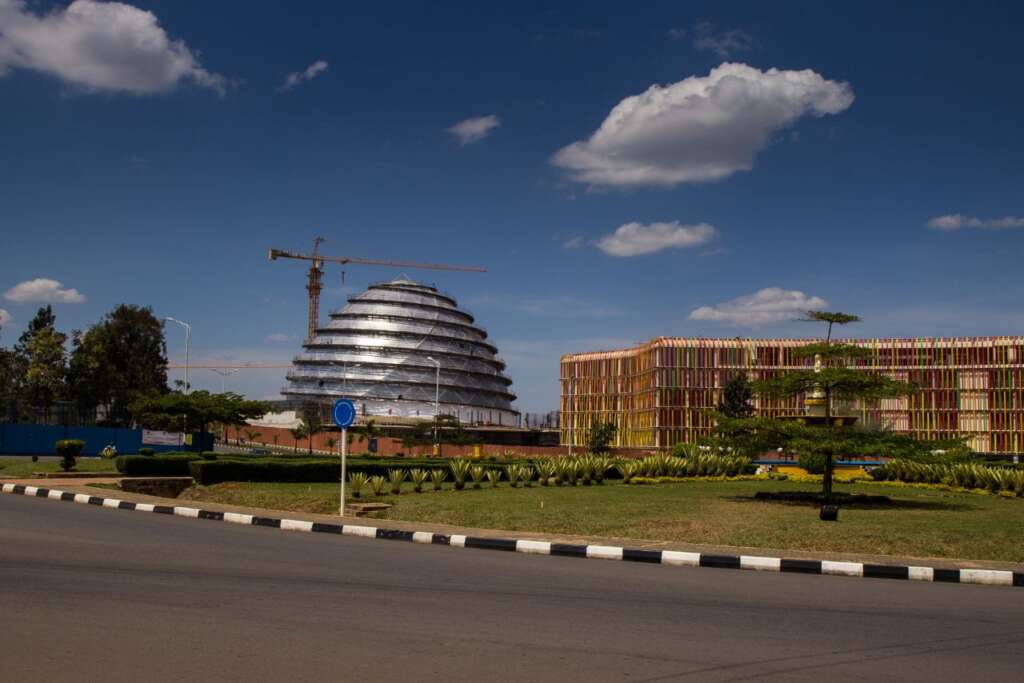
If you’re moving to Rwanda because you have accepted a job, your immigration process will be different from someone moving to retire or start a business.
Rwanda has several employment permit categories. These include routes for skilled workers, employees sponsored by employers, NGO employees, foreign staff working for international or regional organisations and certain employees of multinational companies.
You’ll generally need documents such as an employment contract, academic or professional certificates, a curriculum vitae, police clearance and, depending on the permit category, a recommendation letter from your employer.
One important point: a tourist or visitor visa should not be used for employment in Rwanda. The immigration authority specifically states that visitor and East Africa Tourist Visas should not be used for employment.
If you already have a job offer, check the employment category that matches your role before travelling.
Can You Work Remotely From Rwanda?
Working remotely from Rwanda is different from being employed by a Rwandan company.
If you work online for an overseas employer, run your own freelance business or operate a company outside Rwanda, don’t assume that a tourist visa automatically gives you permission to live and work in the country long term.
Rwanda’s immigration system has several different residence and work-related categories, but there isn’t a single general-purpose “digital nomad visa” listed among the DGIE’s current permit categories.
If you plan to make Rwanda your long-term base while earning your income remotely, check with DGIE about the residence status that applies to your particular circumstances before making the move.
This is especially important if you intend to stay for an extended period, establish a business in Rwanda or provide services to Rwandan clients.
Moving to Rwanda as a Retiree
Rwanda can also be an option for foreigners who want to retire abroad.
The country’s Class K Assured Income permit is specifically designed for foreigners with assured income, including retired people who do not intend to be employed in Rwanda.
For a new application, the current DGIE requirements include:
- An application letter
- Detailed CV
- Original police clearance from the country where you lived during the previous six months
- Retirement certificate
- Bank statement from a bank in Rwanda
- Local medical insurance
The current listed fee is 150,000 Rwandan francs, and the permit can be valid for up to two years.
If you are considering Rwanda for retirement, however, immigration is only one part of the decision. You’ll also want to look carefully at healthcare, housing, insurance, banking, climate and your monthly cost of living.
Moving to Rwanda With Your Family
If you’re relocating with a spouse or children, they may need their own dependant residence permits.
For example, the current DGIE requirements for a dependant of a temporary residence permit holder include an application letter, a marriage certificate for a spouse or birth/adoption certificate for a child, police clearance for applicants over 18 and a copy of the principal applicant’s identity card.
A dependant permit generally has the same validity as the principal applicant’s permit, while the listed application fee is half of the principal applicant’s fee.
If you’re moving as a family, prepare your important civil documents before travelling. Marriage certificates, birth certificates and other documents may need to be officially translated into English or French.
How Much Does It Cost to Move to Rwanda?
The cost of moving to Rwanda goes well beyond the visa or residence-permit fee.
Before you arrive, you may need to budget for your flight, temporary accommodation, document preparation, insurance and shipping or excess baggage.
Once you arrive, your main expenses are likely to include:
- Rent and security deposit
- Utilities
- Food and groceries
- Transportation
- Internet and mobile phone
- Health insurance
- Entertainment
- Coworking or office space, if needed
- School fees if you’re moving with children
Your monthly budget will depend heavily on where you live and your lifestyle. Kigali is likely to be more expensive than living in smaller Rwandan towns, while housing in popular expat neighbourhoods can cost considerably more than accommodation farther from the city centre.
Tip: If you’ve never lived in Rwanda before, consider renting short-term accommodation first. It gives you time to explore different neighbourhoods before committing to a long-term lease.
Where Should You Live in Rwanda?
For most newcomers, Kigali will be the first place to consider.
Different neighbourhoods offer very different experiences. Kiyovu, Kimihurura, Kacyiru, Nyarutarama, Gacuriro and Remera are among the areas you may come across when searching for accommodation.
When choosing where to live, consider more than just the monthly rent. Think about your commute, access to supermarkets and restaurants, transport, internet availability, noise levels and how close you want to be to the city centre.
If possible, spend some time in a neighbourhood before signing a long-term rental agreement.
Healthcare in Rwanda
Healthcare is another important consideration before moving to Rwanda.
Kigali has private hospitals, clinics and pharmacies, but healthcare options become more limited outside the capital. If you’re relocating permanently, look into health insurance before you arrive and understand which hospitals and services your policy covers.
If you have ongoing healthcare needs or take regular medication, bring sufficient supplies for your initial stay and keep copies of your prescriptions and medical records.
For many expats, private or international health insurance is worth considering alongside Rwanda’s local healthcare options.
Banking and Money in Rwanda
Once you move beyond a short visit, you’ll also need to think about how you’ll manage your money.
The Rwandan franc (RWF) is the country’s official currency, and Kigali has a well-developed banking and mobile-money system.
Before moving, check whether your existing bank allows international transactions without excessive fees and consider how you will transfer money into Rwanda.
If you plan to stay long term, research the requirements for opening a local bank account. Your residence permit and foreigner identification documents may become important for accessing local services.
What Is It Really Like to Live in Rwanda?
Moving somewhere is very different from visiting it for a few days.
Rwanda is known for its clean streets, organised cities, green landscapes and relatively safe environment. Kigali has a growing café, restaurant and business scene, while the country’s smaller cities and rural areas offer a much quieter pace of life.
The climate is another attraction for many newcomers, although Rwanda’s rainy and dry seasons are worth understanding before you move.
Language can also be part of the adjustment. Kinyarwanda is the country’s main local language, while English and French are also used, particularly in business, education and government.
And one of the biggest advantages of living in Rwanda is its location. Once you’re settled, the country gives you a convenient base for exploring other parts of East Africa.
5 Smart Tips for an Easy Move
- Scan your documents at 300 dpi, as grainy uploads can slow down the approval process.
- Use the same email address for every step, from visa to permit, to keep correspondence in one thread.
- Plan travel around public holidays. Immigration offices close on Umuganura Day (first Friday in August) and Liberation Day (July 4th).
- Keep health insurance active. Rwanda’s digital portal flags lapsed coverage and stalls permit renewals.
- Save both paper and digital copies of your approval letters. Phone batteries die; border officers rarely accept excuses.
Final Thoughts
Securing a Rwanda visa and converting it into a residence permit no longer feels like an insider secret; it’s a streamlined, largely online process that rewards preparation and punctual file uploads.
What do you get? Living in one of Africa’s safest capitals gives you peace of mind, nice people who stop for pedestrians, and sunrise jogs along green ridges.
Bookmark this guide, double‑check the official portals the week you apply, and start packing.
Kigali’s red‑tiled roofs and cool mountain air are waiting to welcome you home.