Uganda doesn’t usually make the top of “best-value” lists, but one dollar can buy more adventure than most travellers could ever imagine.
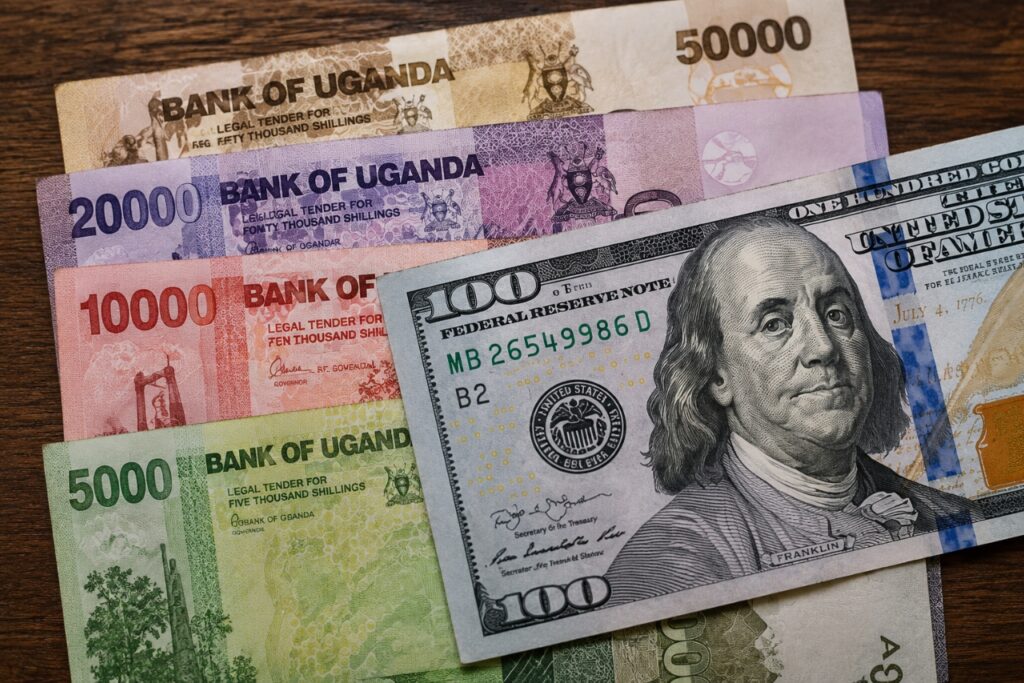
In 2026, $100 equals roughly USh 350,000, give or take the day’s tiny forex flutter.
With that number in hand, let’s explore Kampala’s busy markets, neighbourhood cafés, and commuter lanes to see how far our money goes and why this East African gem is still sadly underrated.
Let’s see how we can spend $100 in Uganda on your visit.
From Dollars to Shillings: Exchange Rate Magic
Currency kiosks open their windows and spin electronic boards before dawn: 1 USD ≈ 349284.46 UGX.
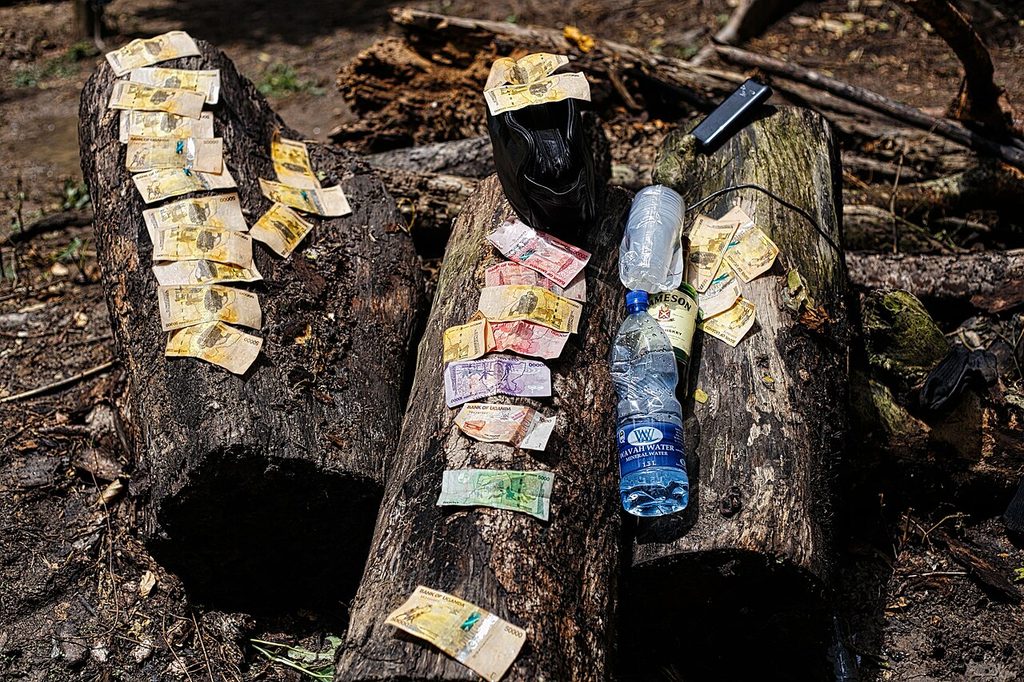
The purse suddenly swells with “three hundred-plus thousand”, which seems like a very large amount when most things you buy every day cost less than a thousand dollars.
That good conversion is the first key to living well in Uganda on a small budget.
Turning $100 into a Week of Feasts in the Market
Kalerwe Market is Kampala’s sensory playground, and the prices there are so sweet that they shock first-timers. The sellers give prices in kilogrammes, smile while negotiating, and clap their hands together after each sale.
The food costs about ≈ USh 180,000, which is a little more than $50.
Beef, Fish & Local Chickens
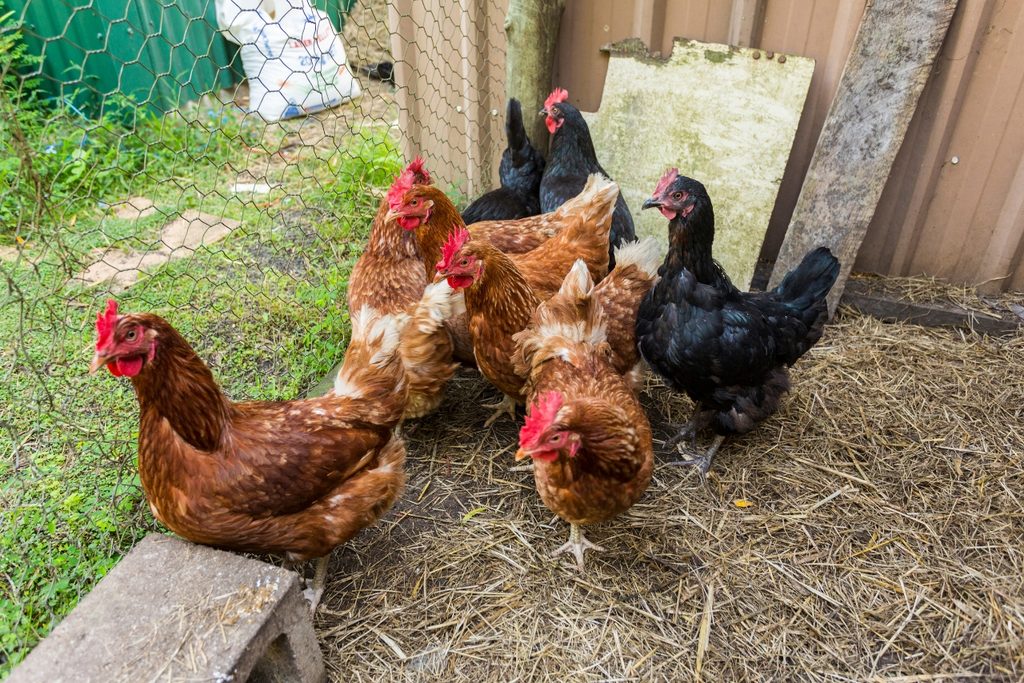
The cattle corridor in Uganda goes through savannas that are always sunny, which is good for the capital. Prices went up to USh18k–20k per kg in 2025 because of a lack of livestock.
Would you rather have fish? Early in the morning, sneak down to Ggaba Landing Site, where tilapia and Nile perch shine on canoes for USh 9k–12k per kg. This is a cheap way to switch from red meat to white meat while still getting a lot of protein.
Rice, Beans & Uganda’s Green Gold
Matooke is a green banana that is steamed in its leaf until it tastes like buttery heaven. Ugandans love it.
For just USh 25,000, a single 20-kg stalk can feed dozens of people, showing that $100 can buy a lot of food when it comes straight from the farmer to the stall.
When you add posho (maize) flour to breakfast porridge and long-grain rice to celebratory pilau, your pantry will feel like a hotel while your wallet will stay calm.
Fresh Produce for Vitamins
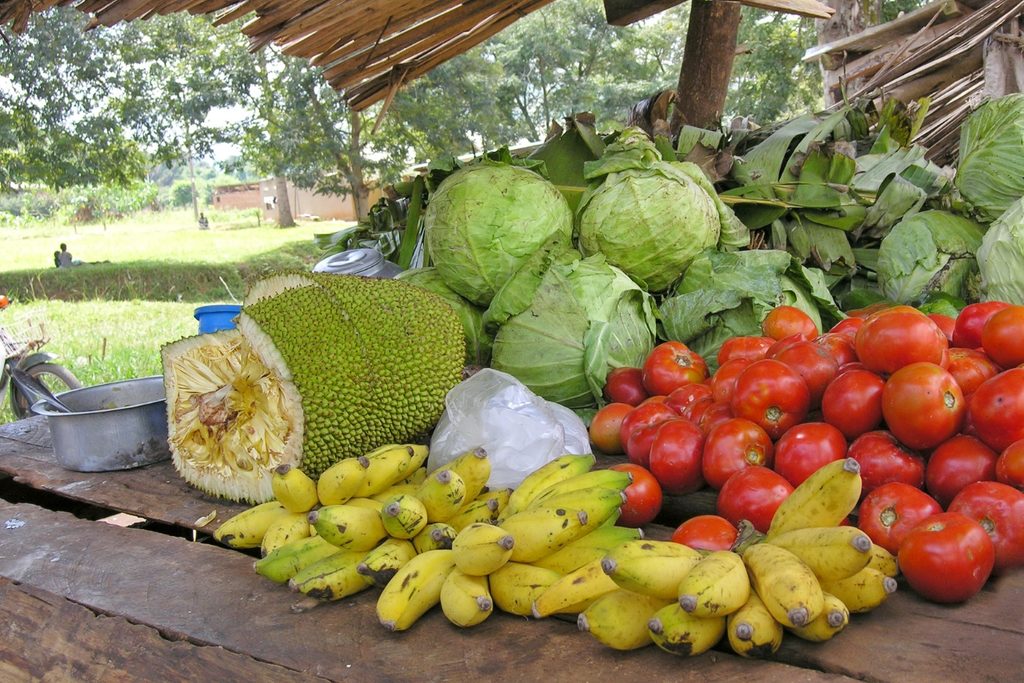
Some of the foods on the list are kale, eggplants, passion fruit, pineapples, and more. Uganda has two rainy seasons and fertile volcanic soil, so food prices are still pleasantly low.
The price of a rainbow bag of leafy greens is usually USh1,000, which is twenty-eight cents. You can save money by stocking up on smoothies, soups, and salsas.
Household Necessities for Loose Change
- Laundry soap (10‑bar pack): USh 12,000 under $3.50 keeps wardrobes fresh all month.
- Cooking gas refill (6 kg cylinder): USh 50,000 just $14 fuels stoves for weeks.
- Data bundle (15 GB): USh 38,000 ($10.6) on popular networks, enough for Zoom calls, Netflix nights, and mapping weekend trips.
Spending another $30 on these must‑haves brings our running tally to roughly $80.
Can $100 in Uganda Cover Rent?
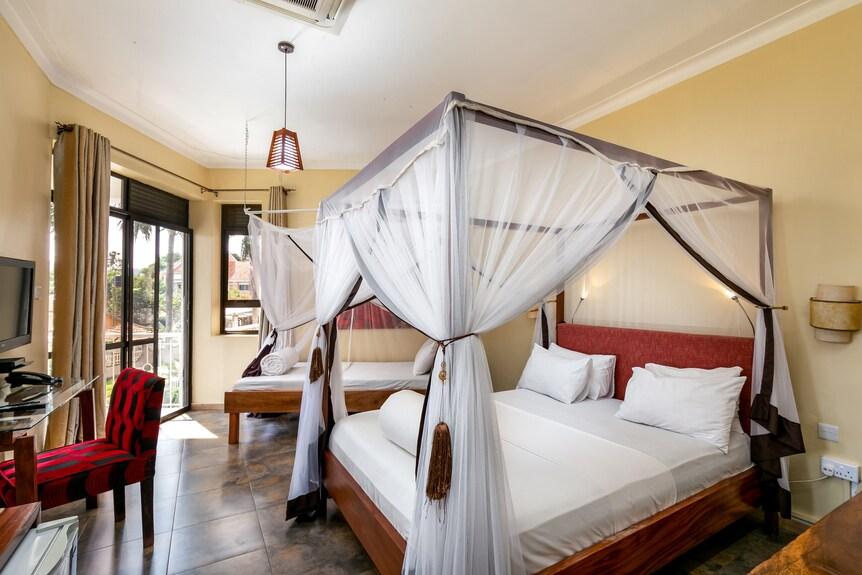
The answer is almost. It costs USh 250k–300k per month, or $70–$84, to rent a single room in a safe suburb like Naalya, Kireka, or Kitintale. The room has its own bathroom and sometimes a kitchenette.
If you share an apartment with a friend, $100 covers rent and utilities for 30 days. This shows once more how easy it is for newcomers to get used to living on a small budget.
Getting Around Uganda
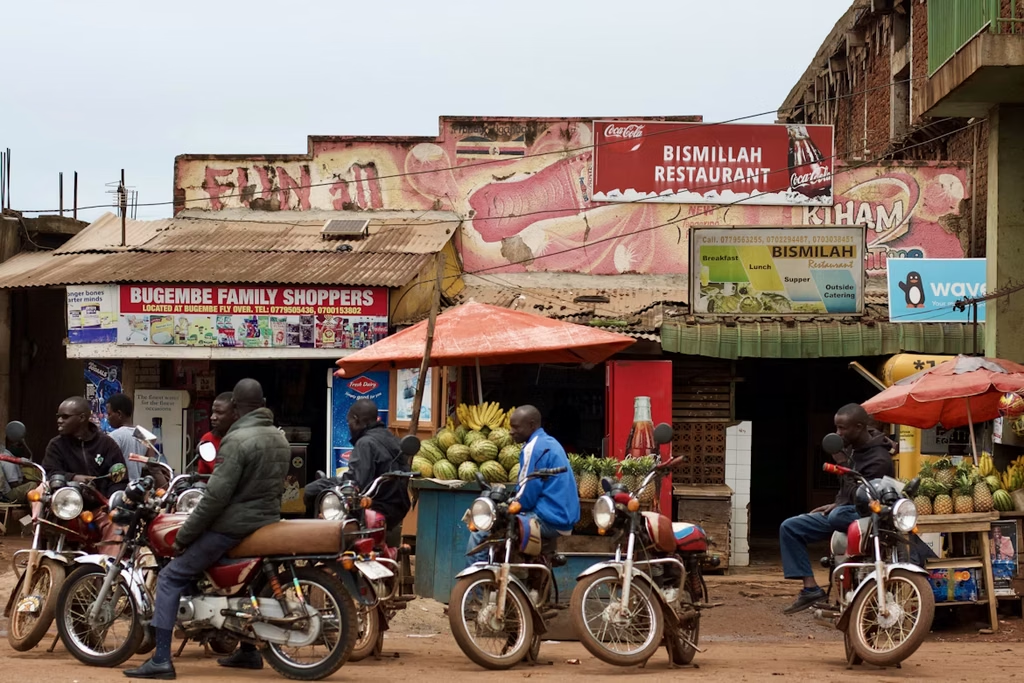
When it comes to prices, boda-bodas, which are motorcycle taxis, make ride-share apps blush.
A five-kilometre city hop costs USh3,000, which is about $0.84. Set aside $15 a week for weekly errands and commutes. The freedom to move around freely feels luxurious, but the budget still has room to grow.
What $100 Can Get You as a Traveller
If you’re visiting Uganda rather than settling in for a month, your $100 can look very different.
Instead of spending it all on groceries and household bills, you can use it to experience a little more of the country.
A simple day in Kampala doesn’t have to cost much. You could start with breakfast at a local café, take a boda boda across town, spend a few hours exploring a market or cultural attraction, stop for lunch, and still have enough left for dinner and a drink.
And once you leave Kampala, the money can stretch in different ways.
A trip towards Jinja, for example, gives you the chance to see the Nile, explore the town and experience some of Uganda’s adventure culture without needing a luxury budget.
For travellers, that’s where Uganda becomes particularly interesting. $100 isn’t enough to cover everything, but it can give you a surprisingly full day when you spend it locally rather than trying to recreate a luxury holiday.
How I Would Spend $100 in Uganda
If I had one day in Uganda and exactly $100 to spend, I wouldn’t try to save every last shilling.
I’d use it to experience the country.
Breakfast: Start with a local breakfast such as chapati, eggs, fruit and tea.
Transport: Use boda bodas or local transport to move around Kampala.
Morning: Explore one of Kampala’s markets or cultural attractions.
Lunch: Find a local restaurant and order something I hadn’t tried before.
Afternoon: Put some money towards an experience, perhaps heading towards Entebbe or Jinja depending on where I’m staying.
Coffee: Stop somewhere local for Ugandan coffee.
Dinner: Finish with a proper Ugandan meal rather than returning to something familiar.
And I’d still want some money left.
Because that’s the thing about travelling with a budget like this: you don’t have to spend every dollar just because you have it.
Sometimes the best travel days are the ones where you have enough money to say yes when something unexpected comes along.
Why Uganda Remains Underrated
- English Everywhere: Primary schools teach it from day one, so communication rarely stalls.
- Safety & Smiles: The rate of small crimes in Kampala is lower than in many megacities; strangers help travellers who get lost instead of robbing them.
- Eco‑Wonders Nearby: You can take a bus to get to the source of the Nile, the misty Bwindi gorilla forests, and the mighty Murchison Falls. Often, the cost of admission is less than USh 50k.
- Digital Nomad Ease: Fast 4G and soon-to-come 5G make it easy to work from home. Shared offices start at just USh20,000 per day, which is very cheap compared to hubs in Europe.
Cultural Richness: From the beats of Buganda drums to the dances of the Acholi, heritage is a part of everyday life that you can enjoy for free if you’re interested.
With these benefits and the spending power shown above, Uganda is one of the best places in the world for the best value for money when it comes to experiences.
Why Uganda Gives You More Than You Expect
Uganda doesn’t always get the attention that Kenya, Tanzania or Rwanda receive.
But perhaps that is part of its charm.
You have Kampala’s energy, Jinja and the Nile, Lake Victoria, the mountains of the southwest, forests filled with chimpanzees and gorillas, and national parks where you can see elephants, lions, hippos and countless bird species.
Travel here isn’t about ticking off one famous attraction.
It’s about moving between very different landscapes and discovering how much the country has packed into one destination.
Our guide to the best African safaris includes several Ugandan experiences, including Bwindi, Queen Elizabeth, Kibale, Ziwa Rhino Sanctuary and Murchison Falls.
A Seven‑Day Menu for Two on $100 Groceries
| Day | Breakfast | Lunch | Dinner |
| Monday | Posho porridge + honey | Bean‑matooke bowl | Beef stew & rice |
| Tuesday | Chapati + avocado | Nile perch tacos | Eggplant curry & posho |
| Wednesday | Banana‑pineapple smoothie | Rolex (egg wrap) | Chicken pilau |
| Thursday | Sweet‑potato hash | Groundnut sauce & greens | Grilled tilapia & matooke |
| Friday | Millet porridge | Beef samosas | Bean‑stewed rice |
| Saturday | Mandazi & tea | Peanut‑banana sandwich | Vegetable stir‑fry & noodles |
| Sunday | Fresh fruit platter | Matooke‑g‑nut relish | Roast beef leftovers & salad |
All ingredients fit within the illustrated USh 180k grocery basket, underscoring the comfort possible when $100 meets Uganda’s fertile markets.
What $100 Won’t Get You in Uganda
It is easy to make a destination look unbelievably cheap when you only focus on the things that cost very little.
Uganda has plenty of affordable experiences, but that doesn’t mean everything is cheap.
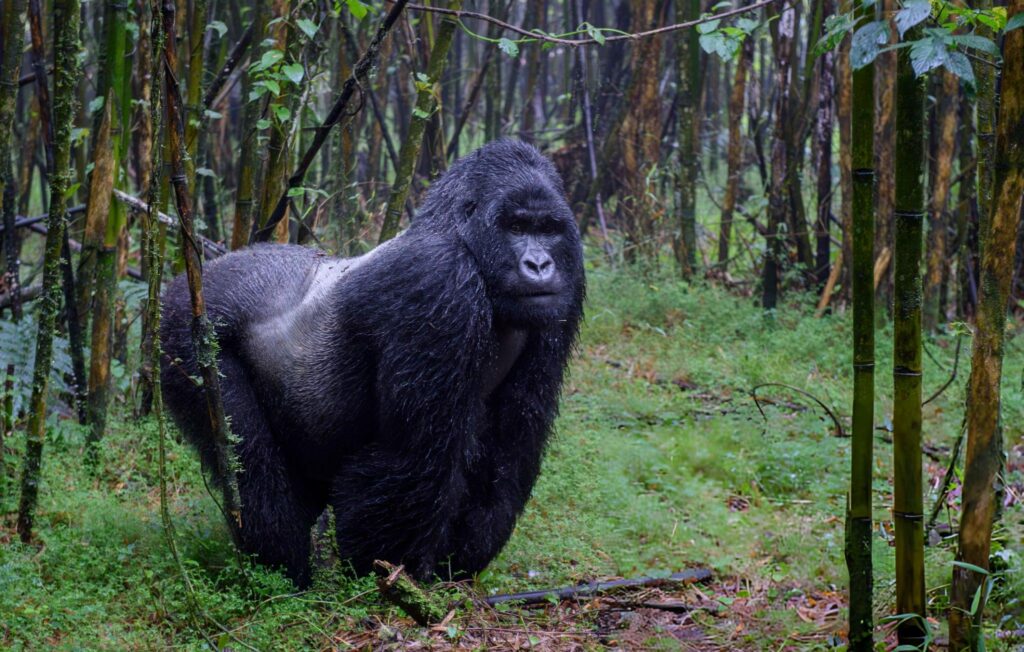
Luxury hotels, private safari vehicles, internal flights, high-end restaurants and some of the country’s most famous wildlife experiences can quickly push your budget much higher.
Gorilla trekking is the obvious example.
A $100 budget also doesn’t cover your international flight, travel insurance or a full safari holiday.
So think of the $100 as spending money once you’re there, rather than the total cost of your trip.
That’s a much more realistic way to look at the question.
A Few Things to Know Before Spending Your $100
Carry some cash. Not every small food stall, market vendor or local business will accept cards.
Use mobile money where appropriate. Mobile money is widely used in Uganda, but visitors should make sure they understand the fees and requirements before relying on it.
Ask the price first. Especially in markets and informal transport, knowing the expected price before you agree can save awkward conversations later.
Don’t confuse a large number of shillings with being rich. Seeing hundreds of thousands of Ugandan shillings in your wallet can feel strange at first. What matters is what those shillings actually buy.
Keep some emergency money aside. Having $10–$20 untouched is much better than finding yourself at the end of the day with nothing left for an unexpected taxi or change of plans.
Quick Tips to Help Stretch Your Shillings Further
- Shop Wholesale Alleys: Vendors slice 10–15 % off retail for anyone buying 5 kg or more.
- Travel Off‑Peak: Matoke harvest season (April‑June) sees produce prices drop nearly a quarter.
- Use Mobile Money (MoMo): Network promos refund up to 2 % on purchases, quietly compounding savings.
Final Thoughts
So, what can $100 actually buy you in Uganda? More than you might expect.
It can buy you groceries for days, local meals, transport around Kampala, a comfortable night’s stay, coffee, a few small experiences and perhaps a little shopping along the way.
But that’s not really the point.
The interesting thing about travelling in Uganda isn’t how many things you can squeeze into $100. It’s how little you need to spend to have a genuinely good day.
You can eat something you’ve never tried, jump on a boda boda, wander through a market, sit beside the Nile, talk to someone you wouldn’t have met at home and still have money in your pocket at the end of the day.
And for me, that’s a much better measure of value than simply counting how many shillings are left.