Floating 220 kilometers off the coast of Gabon in the Gulf of Guinea, São Tomé and Príncipe is Africa’s second-smallest sovereign state. Its mist-shrouded volcanic plugs, emerald rainforests, and centuries-old cocoa roças create an unhurried island rhythm found nowhere else on the continent.
Often referred to as the chocolate islands, this twin-island nation sits directly along the Cameroon volcanic line. It remains one of the most rewarding hidden gems in West Africa for cultural travelers and outdoor explorers.
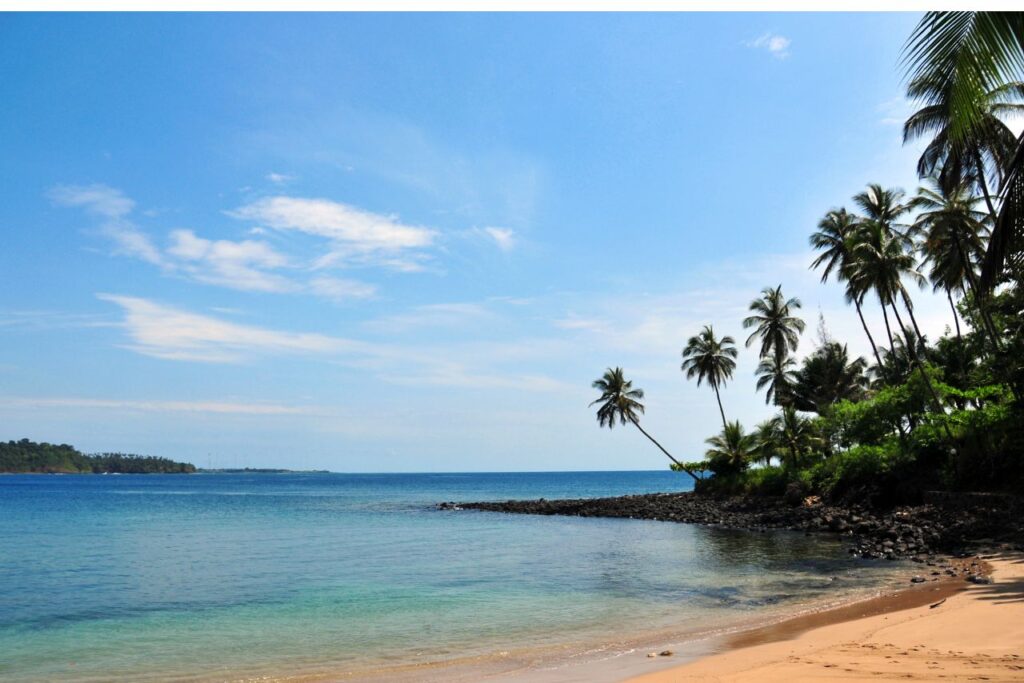
Two Distinct Volcanic Islands Along the Equator
The archipelago consists of two major islands, São Tomé and Príncipe, anchored approximately 140 kilometers apart. São Tomé is the larger, more populated island, while Príncipe is an ultra-remote UNESCO Biosphere Reserve.
Extinct and dormant volcanic craters define the rugged terrain across both islands. Towering sea cliffs plummet straight into the Atlantic Ocean, while thick primary forest blankets the mountain ridges.
Best Season for Island Exploration
The prime window for trekking and wildlife observation is the dry season, known locally as Gravana. Running from June to September, this period brings cooler daytime temperatures and significantly lower rainfall.
A secondary dry spell, known as Gravanita, occurs briefly between January and February. The wetter months between October and May bring heavier tropical showers, but they also trigger blooming orchids and prime turtle nesting activity along the southern shores.
São Tomé City: Colonial Quarters and Coastal Living
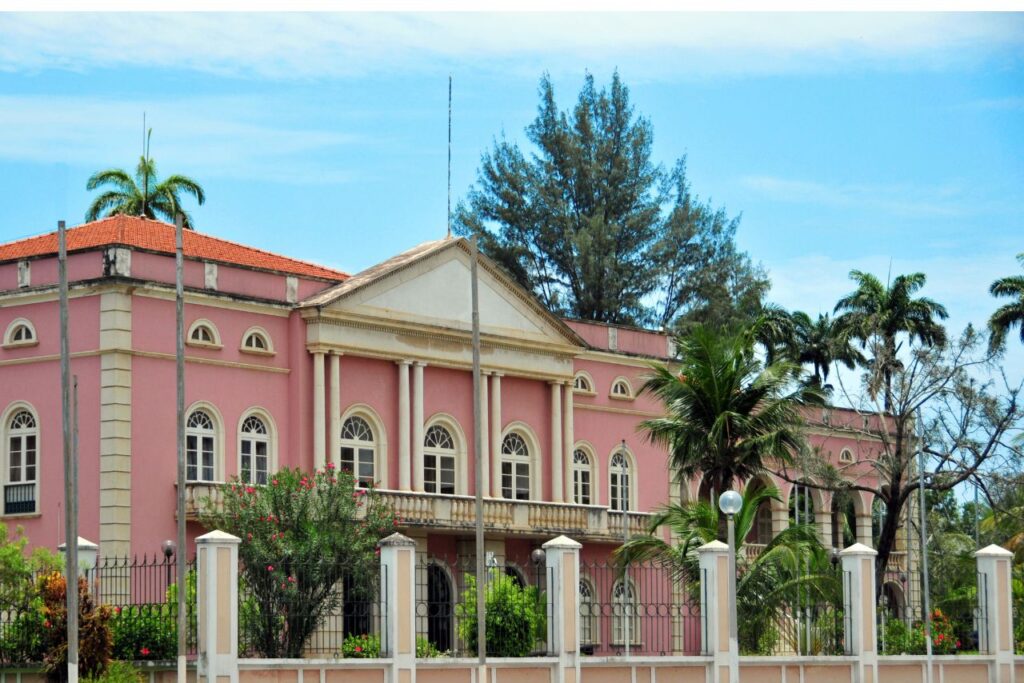
São Tomé City serves as the relaxed administrative and cultural heart of the country. Pastel-toned Portuguese colonial buildings line the oceanfront esplanade, flanked by quiet cafes and bustling neighborhood markets.
Begin your walking tour at the historic Forte de São Sebastião, which now houses the National Museum. Travelers familiar with our Dakar city travel guide will recognize a similar blend of maritime history and warm Atlantic street hospitality.
Historic Roças: Walking Through Cocoa and Coffee Heritage
During the early twentieth century, São Tomé was the world’s largest producer of cocoa. Massive plantation complexes known as roças functioned as self-contained towns, complete with hospitals, narrow-gauge railways, and processing mansions.
Today, several roças have been thoughtfully revitalized as eco-lodges, art centers, and artisan chocolate workshops. Visiting these estates provides an intimate look into the architectural legacy and agricultural heritage that shaped the islands.
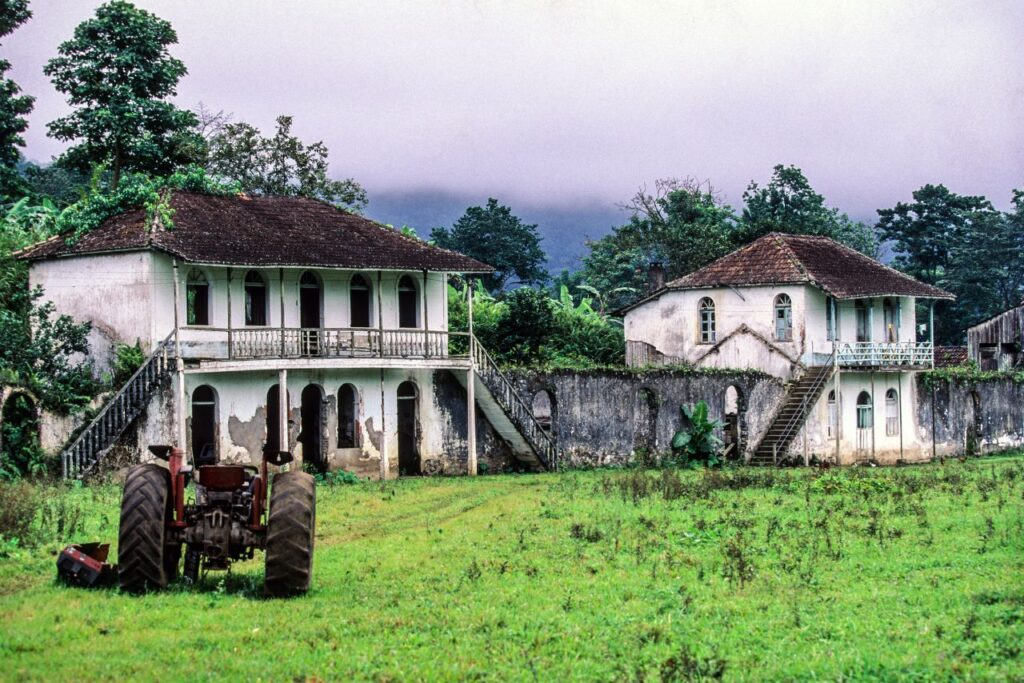
Roça Agostinho Neto in the north is the largest plantation complex in the country, distinguished by its grand hospital headquarters. In the central highlands, Roça Monte Café sits amid cooler mountain air and operates a dedicated museum celebrating high-altitude arabica coffee farming.
Further south in the town of São João dos Angolares, Roça São João stands as a famous cultural sanctuary. Renowned chef João Carlos Silva hosts an acclaimed multi-course culinary tasting menu celebrating native forest produce and freshly caught seafood.
Ôbo National Park and Pico Cão Grande
Spanning nearly thirty percent of the national territory, Ôbo National Park protects pristine primary rainforest across both islands. Dense montane canopies shelter over twenty-eight endemic bird species, including the giant sunbird and the elusive dwarf ibis.
The park’s most awe-inspiring natural landmark is Pico Cão Grande, a sheer volcanic plug rising 370 meters above the jungle floor. Often shrouded in drifting clouds and mist, this dramatic phonolite needle presents one of the most iconic silhouettes in Atlantic Africa.
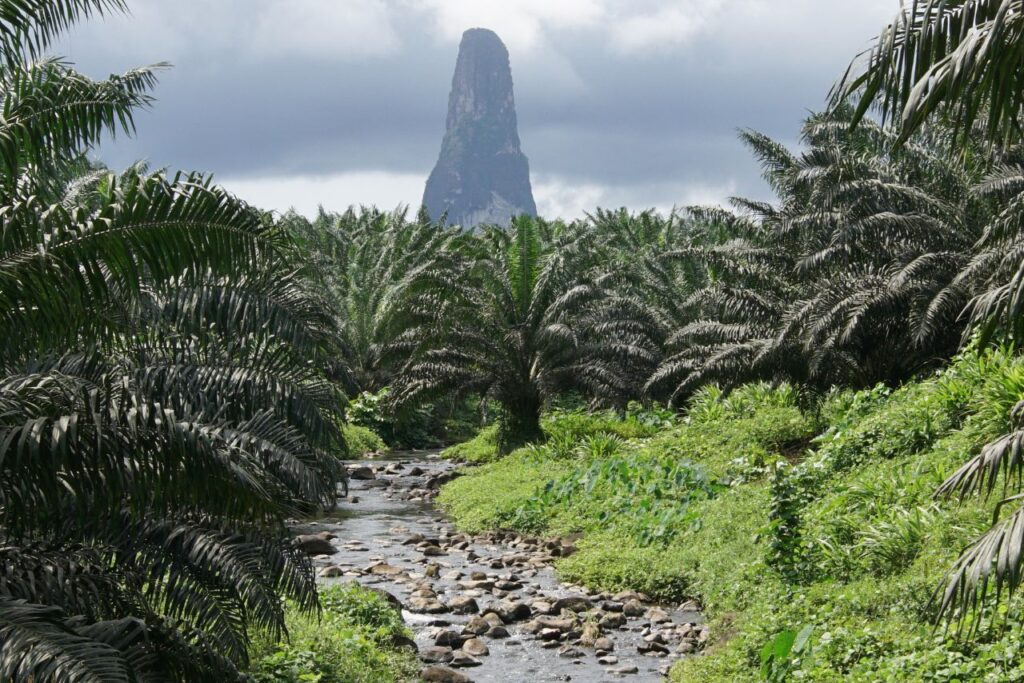
Guided hiking trails depart from small settlements like Enxame, leading trekkers through dense secondary growth and bamboo groves toward the base of the spire. A local guide is mandatory, as unmapped trails can become treacherous during sudden tropical downpours.
Wild Southern Shorelines and the Equator Line
Traveling south along the coastal road reveals a succession of deserted coves, black volcanic rock arches, and tranquil coconut groves. Praia Inhame and Praia Piscina are beloved for their sheltered natural swimming pools and warm coastal waters.
Much like the remote Atlantic coastline highlighted in our guide to hidden beaches in Africa, these southern shores remain remarkably peaceful. At Praia Jalé, visitors can join community conservation rangers to observe olive ridley and leatherback sea turtles nesting under moonlit skies.
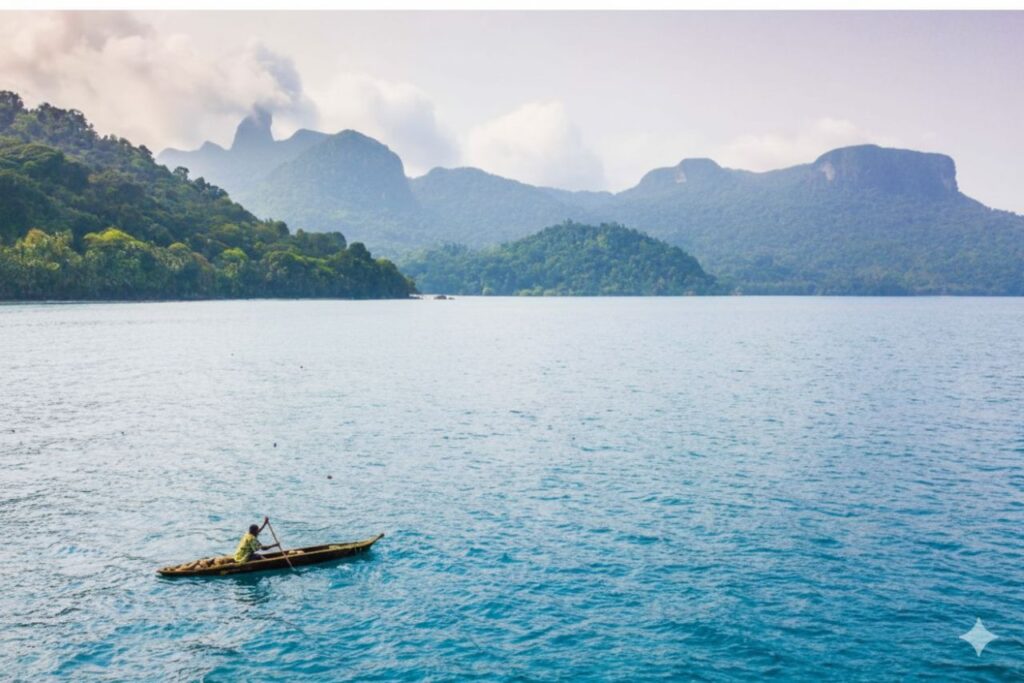
From the southern fishing village of Porto Alegre, motorized wooden boats ferry travelers across the strait to Ilhéu das Rolas. This tiny islet features the famous Padrão dos Descobrimentos monument, allowing you to stand with one foot in each hemisphere directly on the Equator line.
Príncipe Island: Untamed Wilderness in a UNESCO Biosphere
A thirty-minute flight northward brings you to Príncipe, an island of mesmerizing natural solitude. Designated in its entirety as a UNESCO Man and the Biosphere Reserve, Príncipe is home to fewer than ten thousand residents.
Jagged volcanic peaks known as the needles of Príncipe plunge directly into untouched turquoise bays. Travelers who appreciate raw island landscapes, similar to those in our Cape Verde island hopping guide, will find Príncipe to be even more secluded and pristine.
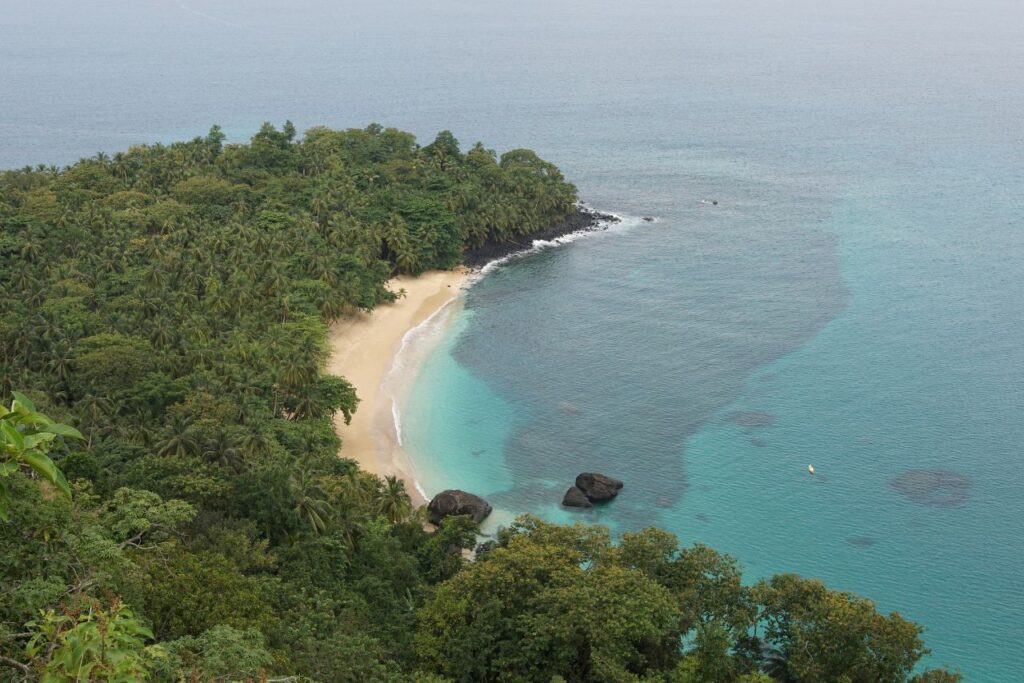
Historic estates on Príncipe have pioneered world-class sustainable hospitality. Roça Sundy, where British astronomer Arthur Eddington proved Einstein’s Theory of General Relativity in 1919, now offers luxury accommodations nestled among tropical gardens.
Side by Side: Comparing São Tomé and Príncipe
| Operational Dimension | São Tomé Island | Príncipe Island |
|---|---|---|
| Atmosphere & Pace | Cultural hub, lively markets, and historic coastal settlements. | Ultra-quiet, untouched biosphere, and profound nature immersion. |
| Transport & Roads | Paved northern corridors; rugged 4×4 tracks down south. | Limited road network; 4×4 or boat transfers essential. |
| Accommodation Landscape | Boutique city hotels, guesthouses, and historic plantation lodges. | Exclusive eco-resorts, luxury roças, and secluded villas. |
| Must-Experience Highlights | Pico Cão Grande, Roça Agostinho Neto, and Ilhéu das Rolas. | Banana Beach, Roça Sundy, and Oquê Pipi waterfall trails. |
Island Flavors: From Calulu to Single-Origin Cocoa
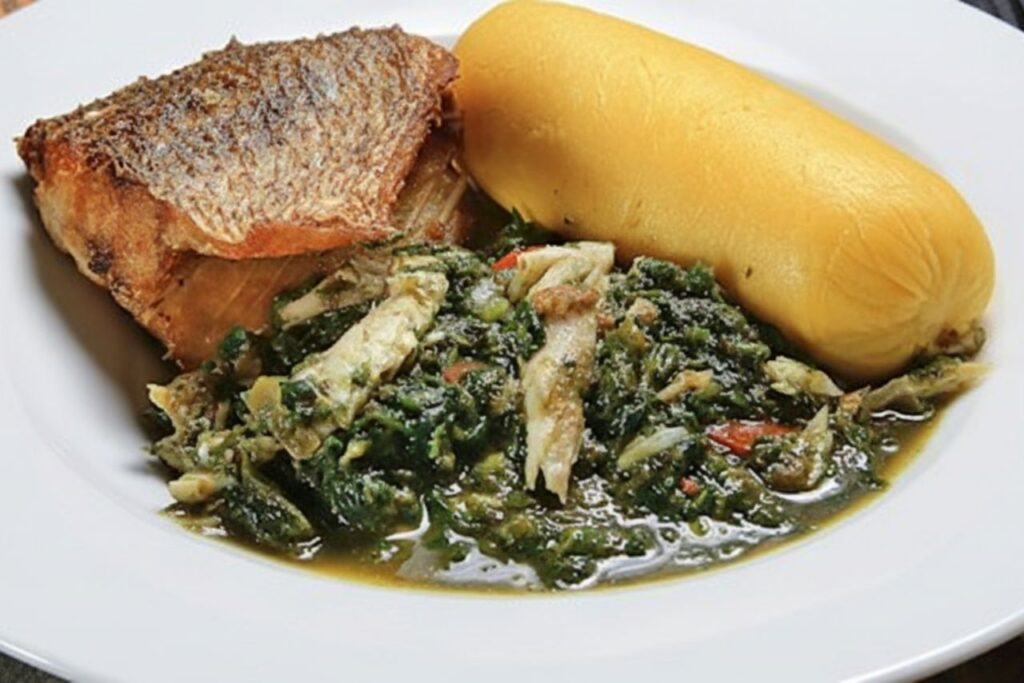
Santomean cuisine represents a distinctive fusion of Portuguese culinary techniques and fresh equatorial ingredients. Rich stews, grilled line-caught fish, and seasoned tropical root vegetables form the core of daily menus.
The undisputed national dish is calulu, a slow-cooked stew combining smoked fish or chicken, dried prawns, okra, and over a dozen native herbs. Pair your meal with sweet roast breadfruit and a glass of chilled local palm wine.
No culinary journey is complete without tasting single-origin dark chocolate produced by Italian agronomist Claudio Corallo. Produced using ancestral methods, his artisanal chocolate bars capture the purest terroir of the volcanic soil without adding vanilla or emulsifiers.
Cultural Rhythm: Festivals and Island Traditions
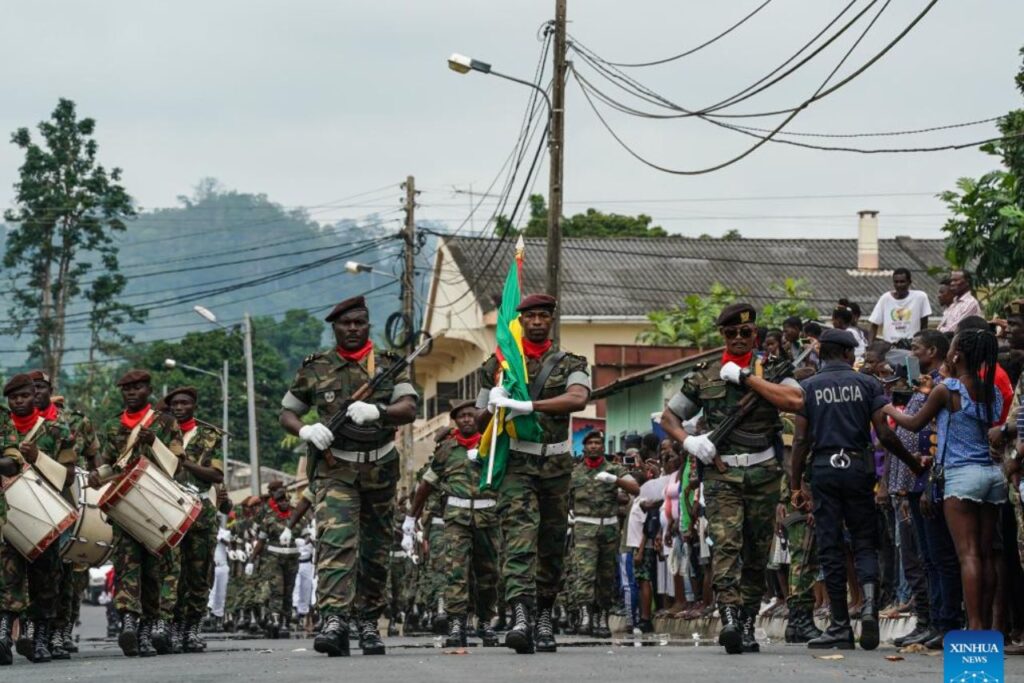
The cultural pulse of the islands shines brightest during traditional open-air performances and saint day celebrations. Chief among these is the Tchiloli, an elaborate theatrical dance drama based on sixteenth-century European tragedy.
Costumed actors, flute players, and traditional percussionists perform for hours in village squares across the island. Much like the gatherings detailed in our guide to cultural festivals in West Africa, these rituals offer an authentic window into communal island life.
Is São Tomé and Príncipe Safe for Independent Travelers?
São Tomé and Príncipe is widely recognized as one of Africa’s safest nations, marked by low violent crime rates and stable democratic governance. Petty opportunistic theft can occasionally happen in busy market zones, but violent encounters are extraordinarily rare across both islands.
Solo travelers and families regularly explore the country without security concerns. Exercise standard precautions after dark in urban areas, secure your valuables, and hire licensed local guides for deep forest hikes.
Do You Need a Visa to Visit São Tomé and Príncipe?
Citizens of the United States, Canada, the European Union, the United Kingdom, and PALOP nations can enter São Tomé and Príncipe visa-free for stays up to 15 days. Passports must remain valid for at least six months beyond your departure date, and all travelers require yellow fever vaccination certificates.
If you plan to explore multiple regional destinations, review our comprehensive index of visa-free African countries for tourists to plan seamless overland and island itineraries.
Entry Requirements for Nigerian Passport Holders
Nigerian citizens holding standard green passports do not qualify for the 15-day visa exemption. Nigerian travelers must secure an electronic entry authorization before boarding any flight to São Tomé.
Submit your application directly through the Serviço de Migração e Fronteiras official portal at least seven business days prior to departure. Strictly avoid third-party agency websites that charge marked-up intermediary fees for what is a straightforward government permit.
The online application requires a single combined document upload featuring your passport bio-data page, confirmed round-trip flight reservation, and lodging confirmation. You do not pay online; instead, a stamping fee of 20 Euros is paid in cash upon arrival at immigration.
Immigration officials at São Tomé International Airport may request proof of sufficient travel funds, typically benchmarked at 100 Euros per day of stay. A valid Yellow Fever vaccination card is non-negotiable for all travelers departing from or transiting through Nigeria.
Flights from Lagos and Abuja to São Tomé
Although Nigeria and São Tomé and Príncipe share a historic maritime neighborhood and an offshore Joint Development Zone in the Gulf of Guinea, there are currently no scheduled non-stop commercial flights connecting the two countries. The standard flight corridor connects through Lomé, Togo, via the ASKY Airlines regional flight network.
Flights depart Murtala Muhammed International Airport in Lagos or Nnamdi Azikiwe International Airport in Abuja, transferring smoothly in Lomé before continuing to São Tomé International Airport. Total transit time averages six to eight hours, making it one of the quickest tropical escapes from West Africa.
Currency and Banking: Why Cash Is King in São Tomé
The official national currency is the São Tomé Dobra (STN), which is officially pegged to the Euro at an exchange rate of approximately 24.5 Dobras per Euro. Local bank ATMs do not accept foreign Visa or Mastercard debit cards, meaning international visitors must travel with sufficient cash.
Bring crisp, undamaged Euro banknotes in denominations of 20, 50, and 100. Euros are widely accepted directly by hotels, dive operators, and car rental agencies, while smaller purchases at markets and local restaurants require Dobras.
Getting Between São Tomé and Príncipe: Flights and Ferries
The most dependable way to travel between the twin islands is by air on scheduled domestic flights operated by STP Airways and Africa’s Connection. Daily flights depart São Tomé International Airport for the thirty-five-minute hop to Príncipe.
Baggage limits on these smaller turboprop aircraft are strictly enforced, generally restricted to fifteen kilograms per passenger. Maritime cargo-passenger ferries also connect the islands twice weekly, but crossings take up to eight hours across open ocean and are subject to weather delays.
What to Know Before You Go: Essential Travel Logistics
Understanding local travel conditions ensures a smooth, stress-free trip across the islands. Keep these practical on-the-ground tips in mind before your departure:
- Official Language: Portuguese is spoken universally across both islands, alongside local creole dialects including Forro and Lunguie. English is rarely spoken outside major resort properties, so a basic phrasebook or translation app is essential.
- Ground Transportation: Paved roads run north and east from the capital, but reaching southern beaches and rainforest trailheads requires a sturdy four-wheel-drive vehicle. Suzuki Jimnys are the rental standard across the island.
- Health Precautions: Malaria is present year-round, so preventive antimalarial medication and high-strength mosquito repellent are strongly advised. Drink only bottled or purified spring water.
- Electrical Standard: Electrical outlets operate on 230 volts at 50Hz using European-style two-pin plug types C and F. Power fluctuations can occur, so a compact surge protector is beneficial.