There is an unhurried rhythm to Cape Verde that takes most travelers completely by surprise. If you arrive expecting the bustling resort strips of Tenerife or the rapid hourly catamarans of the Greek Cyclades, you will find yourself recalibrating within hours.
This ten-island archipelago sits 500 kilometers off the coast of Senegal in the open Atlantic. It is an independent Creole nation where every island feels like a completely distinct ecosystem.
One island is a desert expanse of golden Saharan dunes meeting turquoise water. Another is a fortress of vertical basalt spires where farmers cultivate sugarcane and coffee on cliffside terraces.
The golden rule for traveling here is simple: do less. Trying to see five islands in a single week guarantees you spend your holiday waiting on domestic flights. Pick two islands that match how you actually want to spend your days, and let the local pace take over.
That changes the equation entirely. Here is how to find the island that fits you best.
Which Cape Verde Island Fits Your Travel Style?
Before booking flights, decide on the kind of days you want to wake up to. Each island has a distinct personality, terrain, and rhythm of life.
- Sal: Best for calm turquoise swimming, beachside dining, and effortless resort comfort. You can walk barefoot everywhere in Santa Maria.
- Boa Vista: Best for raw desert solitude, wild Atlantic horizons, and endless dune walks. It offers 55 kilometers of untamed coastline.
- Santo Antão: Best for dramatic mountain trekking, green valleys, and sheer ocean cliffs. Accessible only by a 50-minute scenic ferry from São Vicente.
- São Vicente: Best for music lovers, colonial architecture, and Creole nightlife. Mindelo is the bohemian cultural capital of the archipelago.
- Fogo: Best for high-altitude trekking up an active volcano. Pico do Fogo rises 2,829 meters above a stark black-lava caldera.
- Santiago: Best for deep African history, the UNESCO World Heritage site at Cidade Velha, and the vibrant capital energy of Praia.
Pick the pair that speaks to you. The rest can wait for a return journey.
The Best Beaches in Cape Verde and What to Expect on the Water
Cape Verde’s beaches are spectacular, but the open Atlantic demands respect. Swimming conditions vary dramatically depending on whether a bay faces sheltered waters or raw ocean swell (for wider regional context, explore our comprehensive guide to the best beaches in Africa).
| Beach Name | Island | Best For | Water & Swimming Conditions | Atmosphere & Terrain |
|---|---|---|---|---|
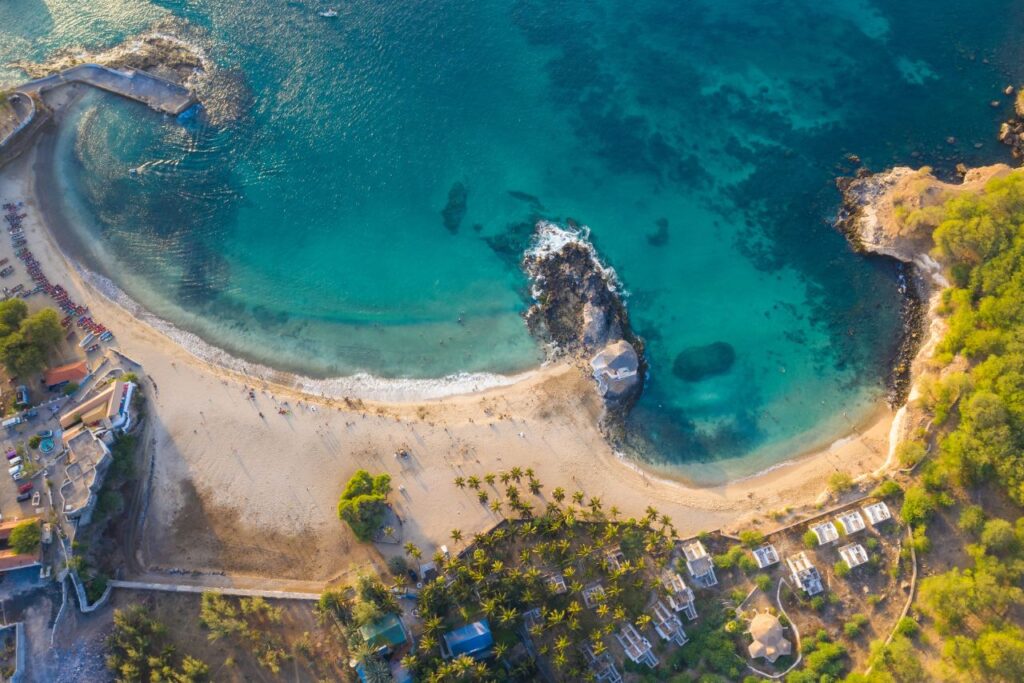
| Santa Maria Beach | Sal | Swimming, Dining & Sunset Walks | Calm, turquoise, shallow entry (Protected bay) | Vibrant; beach bistros, wooden pier, watersports |
| Santa Mónica Beach | Boa Vista | Endless Seclusion & Dune Walking | Powerful open Atlantic waves (Caution required) | Untouched; 18 km of continuous golden sand |
| Praia de Chaves | Boa Vista | Sunset Dune Walks & Kitesurfing | Rolling ocean swells; soft sandy seabed | Dramatic desert dunes rolling directly into the surf |
| Ponta Preta | Sal | Expert Surfing & Big Wave Watching | Powerful point break (Experienced surfers only) | World Tour windsurf hub; rugged desert sands |
| Kite Beach (Shark Bay) | Sal | Kitesurfing Schools & Lemon Sharks | Cross-onshore trade winds; shallow reef | Surfer shacks, kite schools, relaxed crowd |
| Tarrafal Beach | Santiago | Local Culture & Sheltered Swimming | Gentle, palm-fringed, protected bay | Authentic fishing community; beachfront cafes |
| Praia da Laginha | São Vicente | City Beach & Sunset Socializing | Crystal-clear, calm swimming with mountain views | Urban promenade, casual kiosks, live weekend morna |
| Praia de Bitxe Rotcha | Maio | Quiet Ecotourism & Total Peace | Gentle turquoise shorebreak | Quiet, authentic island charm with zero crowds |
Head to Head: Sal vs. Boa Vista
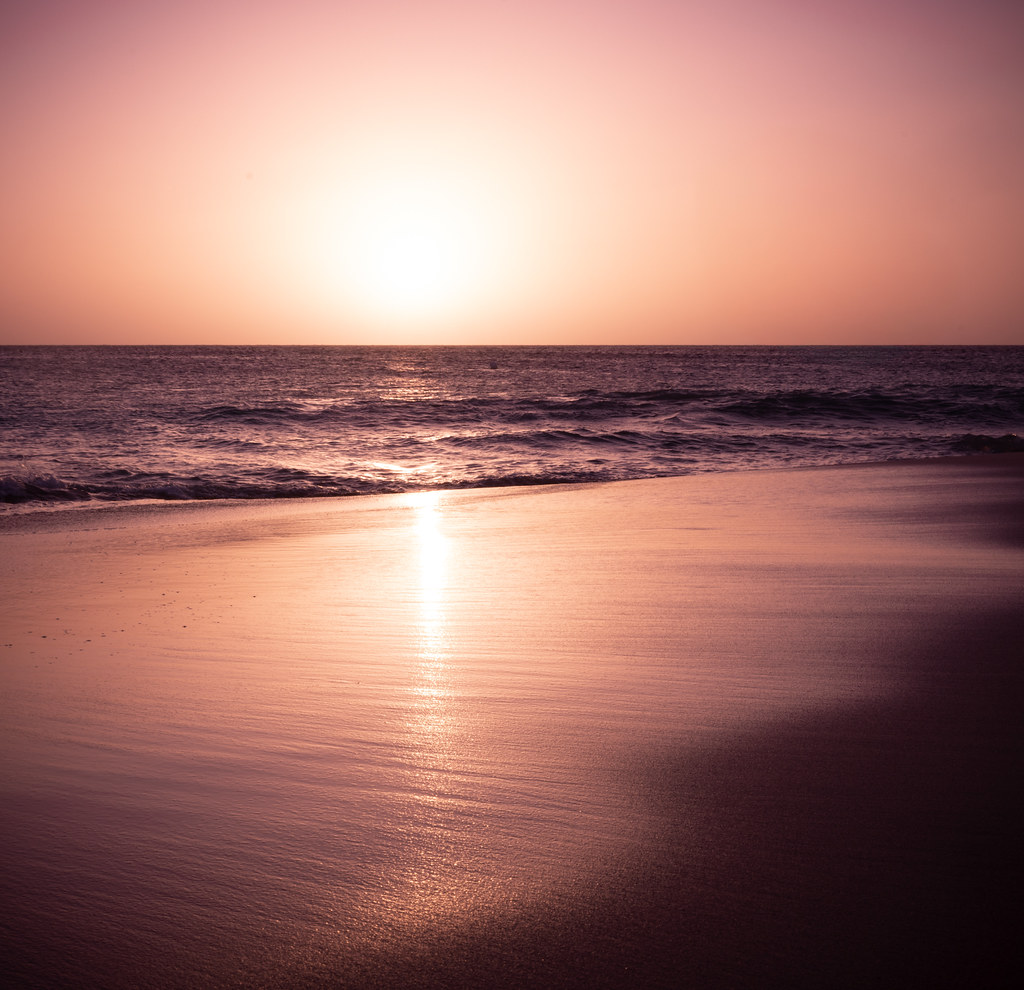
Most first-time visitors wrestle with this exact choice: Sal or Boa Vista?
Both islands sit close to mainland Europe, share sun-drenched desert plains, and catch steady Atlantic breezes. Yet in practice, they cater to completely different traveler temperaments.
Why Choose Sal Island
- Effortless Walkability: The compact town of Santa Maria lets you walk everywhere. You can stroll from your boutique hotel straight to live acoustic music bars and beachfront seafood grills.
- Safe, Glass-Calm Water: Santa Maria Bay is sheltered from heavy ocean swell. It offers safe, transparent turquoise swimming right in front of major hotels.
- Accessible Day Excursions: Float effortlessly in the Pedra de Lume volcanic salt crater, wade with harmless juvenile lemon sharks at Shark Bay, or visit the natural ocean pool at Buracona.
Why Choose Boa Vista
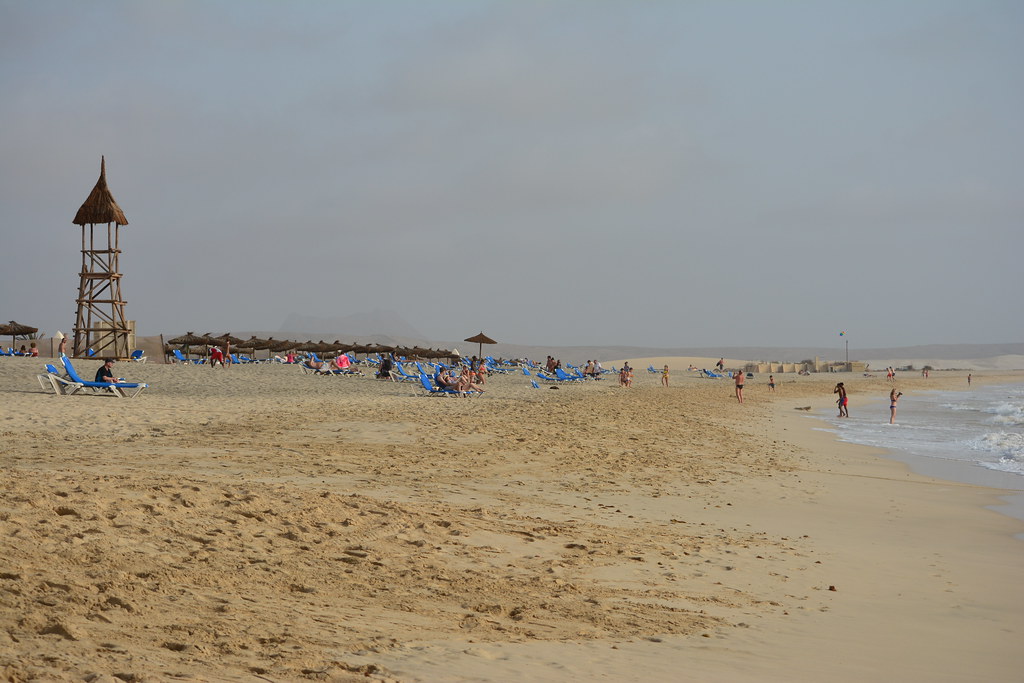
Known as the “Island of the Dunes,” Boa Vista is where the Sahara meets the ocean. It feels wilder, emptier, and far more elemental than Sal.
- Untamed Ocean Horizons: The island features over 55 kilometers of pristine coastline backed by the windswept desert dunes of the Deserto de Viana.
- Total Seclusion: On 18-kilometer Santa Mónica Beach, you can walk for hours without seeing another human being. It is pure Atlantic solitude, consistently ranked among the top hidden beaches in Africa.
- Desert 4×4 Adventures: Traverse open sand tracks to see the rusted shipwreck of the Cabo Santa Maria stranded on the reefs of Praia de Atalanta.
Choose Sal for social evenings and calm swimming. Choose Boa Vista for quiet wonder and wild landscapes.
Into the Mountains: Hiking Santo Antão and Pico do Fogo
If you only experience the sandy beaches of Sal or Boa Vista, you miss the dramatic geological heart of Cape Verde. To witness it, take the 50-minute morning ferry from Mindelo across to Santo Antão.
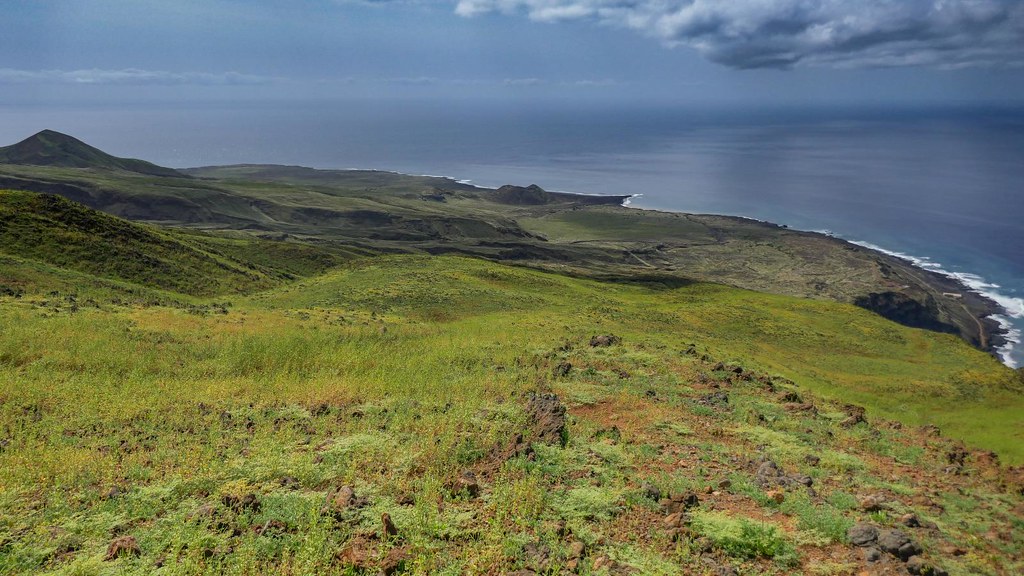
The boat docks in Porto Novo, and the desert instantly gives way to 1,500-meter volcanic spires wrapped in trade-wind clouds. Stone footpaths built centuries ago still connect the mountain settlements.
Cova Crater to the Paúl Valley
This is the definitive mountain hike in Cape Verde. You begin at the pine-fringed rim of the extinct Cova Crater at 1,100 meters above sea level.
From the rim, an ancient stone switchback path descends sharply into the emerald green Valle do Paúl. You walk past terraced sugarcane fields, coffee bushes, and mango trees, ending at small family-run distilleries producing artisanal sugarcane *grogue*. (4 to 5 hours, moderate descent).
Ponta do Sol to Cruzinha Coastal Walk
This coastal route is carved directly into soaring basalt cliffs above the Atlantic surf. It connects pastel fishing hamlets, including the village of Fontainhas, which clings impossibly to a steep mountain ridge above the ocean.
The trail finishes along the dark volcanic shores of Cruzinha. The crashing surf and sheer vertical drop-offs make this one of the finest coastal walks on the African continent. (5 to 6 hours, moderate to demanding).
Pico do Fogo: Climbing the Active Volcano
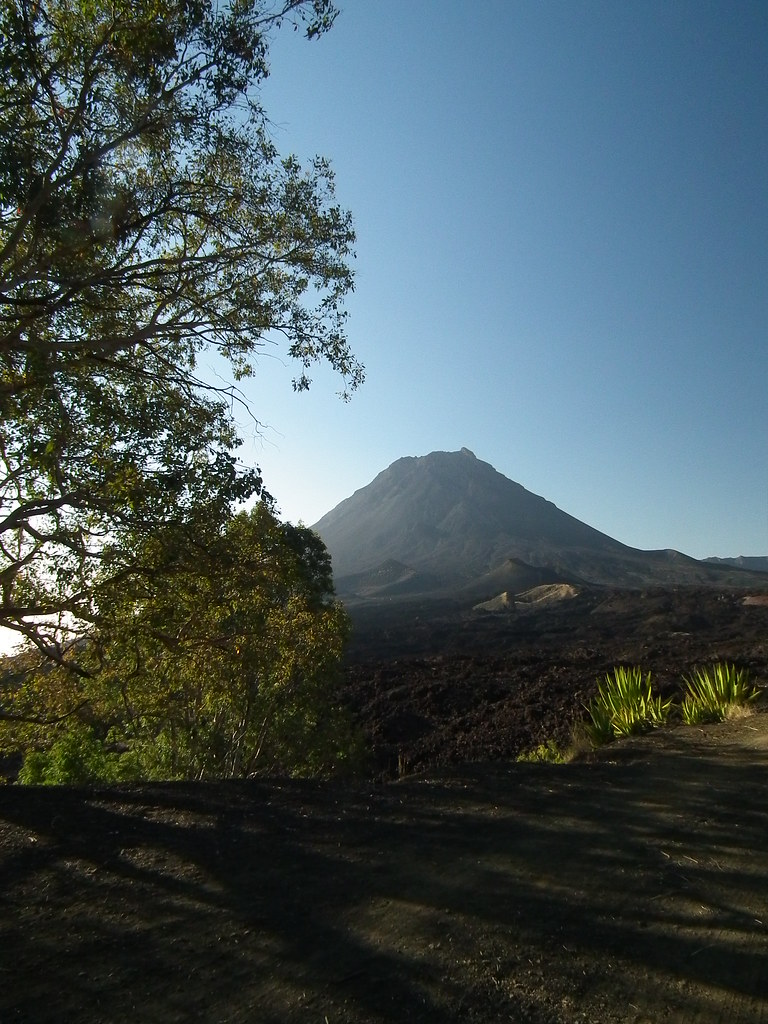
On the southern island of Fogo, the landscape shifts from green valleys to lunar black volcanic rock. The central peak of Pico do Fogo (2,829m) is the highest point in Cape Verde.
The climb up the ash cone takes four hours of steady effort. The reward is a rapid, exhilarating descent through deep volcanic scree down into the caldera village of Chã das Caldeiras, where farmers grow grapes and bottle distinctive volcanic wine directly inside the crater.
Living with Morabeza: The Creole Rhythms That Define Island Life
What lingers with travelers long after the volcanic views fade is Morabeza. The word has no direct translation, but it describes the open-hearted warmth, hospitality, and unhurried grace that defines Cape Verdean life.
You feel it in Mindelo on São Vicente, the cultural heart of the archipelago. In the evening, acoustic guitars, cavaquinhos, and mournful morna melodies drift from corner taverns. Mindelo has also emerged as one of the most popular emerging bases for remote workers in Africa, thanks to its vibrant cafe culture, reliable fiber internet, and safe colonial streets.
It is the music made world-famous by the legendary Cesária Évora, expressing the profound feeling of sodade—a poetic longing for loved ones across the sea.
The culinary soul of the islands is Cachupa. This slow-simmered stew combines hominy corn, red and white beans, cassava, sweet potatoes, and marinated tuna or local sausage.
Order Cachupa Rica for a rich dinner, or try Cachupa Refogada in the morning, fried up in a skillet with a fried egg and linguiça. It is honest, grounding food that fuels islanders and hikers alike.
Island Hopping in Cape Verde: When to Take the Ferry and When to Fly
Planning logistics in Cape Verde requires a touch of patience. The open Atlantic is powerful, and inter-island transit operates on its own schedule.
- The Golden Ferry Route (Mindelo ↔ Santo Antão): The 50-minute sea crossing operated via the CV Interilhas passenger ferry portal between São Vicente and Santo Antão is dependable, smooth, and runs multiple times daily. This is the only inter-island connection where taking the boat is universally recommended over flying.
- Why You Should Avoid Long-Distance Ferries: Ferries between distant island clusters (such as Sal to Santiago or Boa Vista to Fogo) take 8 to 14 hours across heavy open-ocean Atlantic swells. Unless you have weeks to spare and an iron stomach, skip them.
- Domestic Flights: Domestic routes are operated by BestFly and Cabo Verde Airlines. Book these flights 4 to 6 weeks in advance, especially during the December holidays and the vibrant February Mindelo Carnival.
- Traveling by Aluguer: On Santo Antão, Santiago, and São Vicente, skip expensive private taxis and ride the aluguers. These shared minibuses or open-back Toyota Hiluxes connect towns and mountain trailheads for a few hundred escudos. Just raise your hand by the roadside to hop aboard.
- The Harmattan Window (Bruma Seca): From late January through February, dry Saharan winds occasionally carry airborne dust over the archipelago. When visibility drops, mountain runways can experience temporary delays. Build a buffer day before your flight home.
Where to Stay in Cape Verde: Choosing the Best Base by Island
Where you base yourself shapes your entire island experience. Here is an honest breakdown of where to stay across the main islands:
Santa Maria on Sal: Walkable Beachfront Resorts and Town Suites
- Beachfront Comfort: Hilton Cabo Verde Sal Resort sits on the calmest swimming stretch of Santa Maria, while Hotel Morabeza offers historic, understated colonial elegance right on the sand.
- Waterfront Atmosphere: Hotel Odjo d’Agua is an iconic local institution built over the ocean rocks in Santa Maria, with fresh seafood dining and daily sunset views.
- Independent Apartments: Serviced apartments in Santa Maria town center (€35 to €70 / 3,800 to 7,700 CVE per night) offer full kitchens and easy walking access to local markets.
Boa Vista’s Coast: Dune-Facing Eco-Lodges and Quiet Retreats
- Dune Views: Iberostar Club Boa Vista overlooks the golden dunes of Praia de Chaves, while Riu Touareg offers an all-inclusive sanctuary in the quiet south near Santa Mónica.
- Eco-Solitude: Spinguera Eco-Lodge is a restored stone hamlet set within an untouched desert national park. It offers deep peace with zero resort noise.
Mindelo and the Paúl Valley: Historic Guesthouses and Mountain Escapes
- Mindelo (São Vicente): Terra Lodge and Casa Cesária are boutique bases located in the historic center, within walking distance of music taverns and Laginha beach.
- Paúl Valley (Santo Antão): Aldeia Jerome and Paul Mar Hotel sit among green banana groves and steep volcanic ridges, where valley breezes cool the evening air.
Practical Travel Essentials: What to Know Before You Land
Navigating daily spending in Cape Verde is straightforward once you understand how local payments work:
- Currency and Exchange: The Cape Verdean Escudo (CVE) is officially pegged to the Euro at a fixed rate of €1 = 110.265 CVE. Many shops and restaurants on Sal and Boa Vista accept Euros directly, but change is usually given in escudos.
- Visa and Entry Policies: Passport holders from many Western, European, and ECOWAS nations enter without a tourist visa for 30 to 90 days. For comparative rules on neighboring Atlantic nations, see our complete guide to visa-free travel regulations across Africa.
- Cash vs. Cards: Credit cards are accepted at major hotels and established restaurants in Santa Maria, Sal Rei, and Mindelo. However, cash is required for aluguers, fruit markets, and rural grogue distilleries. ATMs on the local Vinti4 network are plentiful in main towns.
- Airport Security Tax (TSA): International visitors must pay the mandatory Airport Security Tax of €31 (~3,400 CVE). You can pay this in advance through the official Cape Verde EASE platform, or pay upon arrival at international airports.
- Water and Sun Caution: Tap water on Sal, Boa Vista, and São Vicente comes from desalination plants and is best used for bathing. Drink bottled or filtered water. The cool Atlantic breezes often mask high ultraviolet sun levels, so apply sunscreen generously.
Swimming Safety in the Atlantic: Reading Beach Flags and Currents
The Atlantic waters surrounding Cape Verde are clean and refreshing, but ocean swells demand vigilance. Lifeguarded beaches rely on an international flag system:
- Green Flag (Bandeira Verde): Safe swimming conditions. Typical in sheltered coves like Santa Maria Bay on Sal, Tarrafal on Santiago, and Laginha on São Vicente.
- Yellow Flag (Bandeira Amarela): Caution required. Shore breaks or active currents are present. Wading is acceptable, but exercise care.
- Red Flag (Bandeira Vermelha): Swimming strictly prohibited. Common along open northern coastlines and exposed stretches of Boa Vista. When in doubt, watch where local fishermen swim.
- Turtle Nesting Season (July to October): Cape Verde is the third largest global nesting ground for loggerhead sea turtles. Keep beaches dark at night and avoid quad biking on coastal dunes. Join a certified community patrol in Santa Maria or Ervatão to witness nesting responsibly.
Frequently Asked Questions
Which island in Cape Verde is best for a first-time visit?
Sal is the most accessible choice for first-timers seeking relaxed beaches, calm swimming, and walkable seafood dining. If you want a richer cultural and hiking experience, pairing a flight to São Vicente with a short ferry to Santo Antão offers an unforgettable contrast.
Which island is better: Sal or Boa Vista?
Choose Sal for sheltered turquoise bays, watersports schools, and evening dining in Santa Maria. Choose Boa Vista for wide-open desert dunes, total seclusion along 18-kilometer Santa Mónica beach, and off-road exploration.
How do you travel between islands in Cape Verde?
The only reliable daily passenger ferry connects São Vicente and Santo Antão in 50 minutes via CV Interilhas. For all other island crossings (including Sal, Boa Vista, and Santiago), book domestic flights with BestFly or Cabo Verde Airlines in advance.
Can you hike independently on Santo Antão?
Yes. Popular valley trails—including the descent from Cova Crater into the Paúl Valley and the coastal cliff walk from Ponta do Sol to Fontainhas—follow clear stone mule paths that fit travelers can walk independently. For multi-day high-altitude traverses, hiring a certified local guide is recommended.
What is the best beach for swimming in Cape Verde?
Santa Maria Beach on Sal Island is widely considered the finest swimming beach in the country. Its southern sheltered bay provides calm, Caribbean-like turquoise water with a gentle sandy gradient and no dangerous undertow.