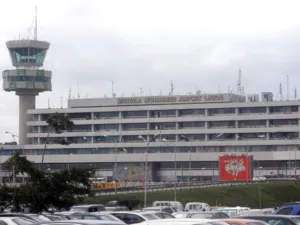
Landing at Nairobi’s Jomo Kenyatta International Airport with zero mobile data turns a simple ride pickup into immediate arrival friction. Travelers rarely struggle with connection options in Kenya because speeds are slow; they struggle because most global travel eSIMs solve internet access while breaking local payments.
Before you prepay for an app-based data plan, understand the split between urban convenience and rural reliability. What works effortlessly in Westlands often leaves you scrambling near park gates.
Safaricom vs. Airtel vs. Travel eSIMs in Practice
Local Kenyan SIM cards cost a fraction per gigabyte compared with international roaming apps, though airport registration takes extra patience. Comparing prices side by side reveals why most frequent visitors mix both strategies.
| Provider & Plan | Typical Price (KES / USD) | Data Allowance | Underlying Network & Perks | Main Catch for Travelers |
|---|---|---|---|---|
| Safaricom Jambo Tourist SIM / eSIM | KES 2,000–4,000 (~$15.40–$30.75) + KES 250 new eSIM | 12GB–39GB + free WhatsApp (90-day tourist tier) | Safaricom native network; includes M-Pesa & calling minutes | Passport registration required; JKIA booth often closes ~9–10 PM |
| Airtel Kenya Local SIM | KES 1,000–2,000 (~$7.70–$15.40) | Generous 30-day data + local calls | Airtel Kenya urban 4G/5G; later/24h airport kiosks | Weaker rural & safari coverage; no Safaricom M-Pesa wallet |
| Airalo Kenya eSIM | $8–$9.50 (1GB/7d) up to $48 (10GB/30d) | 1GB–10GB fixed data buckets | Predominantly Airtel Kenya; unthrottled & full hotspot | ~10x pricier per GB; data-only with zero M-Pesa access |
| Holafly Kenya eSIM | ~$19–$27+ (5-day starter tiers) | Unlimited phone data (FUP applies) | Local partner roaming; instant QR install before flight | Hotspot capped (~1GB/day); FUP speed throttling; no local number |
Pure data cost per gigabyte tilts heavily toward local Kenyan carriers. Still, airport arrival timing and phone hardware change which option wins your first evening.
Why M-Pesa Breaks Most Data-Only Travel eSIMs
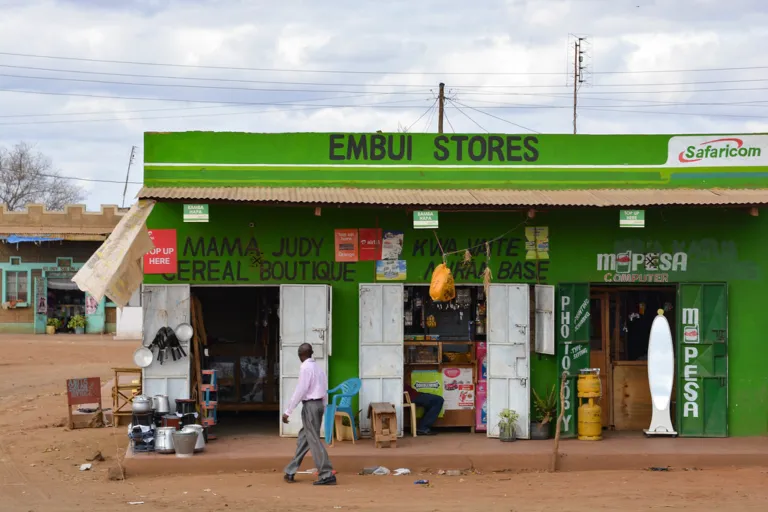
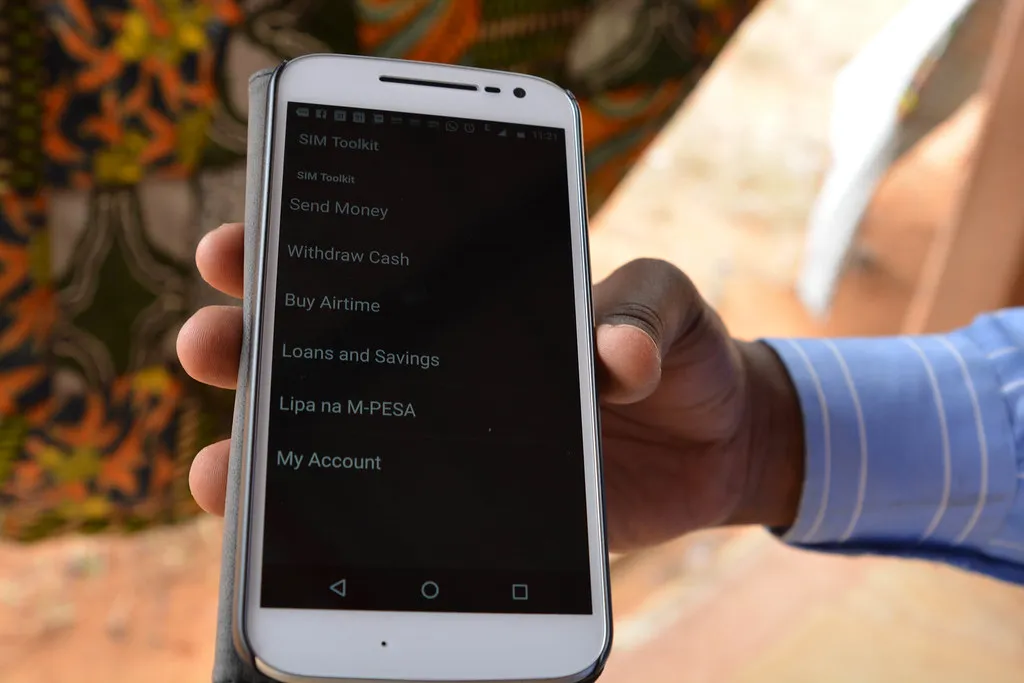
In Kenya, mobile connectivity and everyday money sit inside the exact same system. Street markets, cafe tills, Bolt drivers, and national park gates run smoothly on Safaricom M-Pesa even when foreign cards fail.
Data-only eSIMs block M-Pesa.
Because Airalo, Holafly, and Saily issue roaming data profiles without a local +254 mobile number, you cannot register an M-Pesa wallet or pay Buy Goods tills through them. Nor can you top up international eSIM checkouts using M-Pesa funds.
Once an official Safaricom agent activates your local number, you do not need a Kenyan bank account to load Kenyan Shillings. Funding apps like Sendwave, Remitly, or WorldRemit push USD directly from foreign debit cards into M-Pesa within seconds, alongside ubiquitous green street agent kiosks—covered in full inside our Kenya purchasing power breakdown.
Getting a Safaricom SIM or eSIM at Nairobi JKIA Airport
Under national rules enforced by the Communications Authority of Kenya, no visitor can activate a local Kenyan number anonymously. Agents at JKIA Terminal 1A arrival desks scan your original passport alongside your entry stamp and snap a live webcam photo before provisioning service.
Expect 10 to 45 minutes in line right after heavy European or Gulf flight banks touch down. Ask directly for Safaricom’s 90-day Jambo Tourist Bundles rather than piecing together short-validity top-ups by hand.
Entry Jambo bundles start at KES 2,000 (~$15.40 USD) for roughly 12GB plus free WhatsApp and calling minutes, or a ~22GB data-focused option. Stepping up buys ~25GB for KES 3,000 (~$23 USD) or ~39GB for KES 4,000 (~$30.75 USD), with Visa and Mastercard accepted at airport counters alongside the MySafaricom app.
Check your SIM tray first.
US-market iPhone 15 and 16 models carry zero physical SIM slots, meaning travelers rely entirely on native Safaricom eSIM activation (KES 250 new line fee, or KES 150 SIM swap). Because JKIA Safaricom desks typically close around 9:00 PM to 10:00 PM and sometimes face airport eSIM QR stock constraints, late-night flyers should visit full Safaricom customer shops in Westlands or Sarit Centre the next morning.
Where Airtel and Cheap Travel eSIMs Lose Signal on Safari

Checking Airtel Kenya for city stays in Nairobi or Mombasa makes financial sense when you already have cards working smoothly. Urban 4G and 5G speeds compete closely with Safaricom, and Airtel’s JKIA booth frequently stays staffed overnight when competing counters shut.
Everything flips once your Land Cruiser leaves paved highways behind. Because Airalo and most budget global travel eSIMs steer traffic onto Airtel’s roaming network, signal bars vanish along remote conservancy tracks while nearby Safaricom phones keep sending photos.
Safaricom rules the Mara.
That rural tower density gives Safaricom clear coverage near Sekenani Gate, regional airstrips, and permanent tented camps, though river valleys anywhere in the Maasai Mara still drop to zero service. Download offline Google Maps before leaving Nairobi regardless of your carrier, or check boutique eSIM providers like Simbye that specify Safaricom roaming when comparing budgets in our African safari cost guide.
Airalo vs. Holafly When Convenience Beats Price
Installing an international eSIM at home still earns its keep when your flight arrives after midnight or your priority is avoiding airport paperwork. Choosing between Airalo and Holafly comes down to laptop tethering habits and stay length.
Airalo sells clean, fixed-gigabyte buckets starting around $8.00 to $9.50 USD for 1GB (7 days) and rising toward $23.50–$24 for 3GB or $48 for 10GB over 30 days. You get unthrottled speeds plus unrestricted personal hotspot sharing until the bucket runs empty.
Holafly takes the opposite approach with daily unlimited phone data starting roughly $19 to $27 USD for short trips, eliminating gigabyte rationing. Remote workers who live off tethered laptops run straight into its catch, though: hotspot sharing is typically capped near 1GB daily alongside fair-use speed throttling—a critical detail if you work online as noted in our Nairobi vs. Kigali remote-work comparison.
The Dual-SIM Hybrid Setup That Actually Works in Kenya
Instead of picking one extreme, split your arrival connectivity into two fast steps that cover every hour cleanly. You avoid late-night airport queues while still unlocking rural coverage and local mobile money by lunchtime.
Grab a cheap 1GB starter Airalo profile before boarding so Uber or Bolt loads the second you clear customs. Next morning in Nairobi, walk into an official mall Safaricom shop with your passport for a KES 250 eSIM (or swap a plastic SIM into a spare unlocked phone strictly for M-Pesa), a workflow every long-stay visitor learns early alongside our Kenya Class N permit guide.
- Home Line Roaming Drain
- Switch Data Roaming OFF on your home primary SIM before landing at JKIA so WhatsApp stays active over your Kenya line without surprise daily carrier fees.
- Midnight JKIA Arrivals
- Safaricom Terminal 1A desks often close around 9:00 PM–10:00 PM; pre-load a 1GB travel eSIM for arrival transport and register Safaricom downtown next morning.
- US eSIM-Only iPhones
- iPhone 15 and 16 US models have no physical SIM slot; request a native KES 250 Safaricom eSIM at JKIA or a major mall branch like Sarit Centre or Village Market.
- Funding M-Pesa Abroad
- Link Sendwave, Remitly, or WorldRemit to send USD from your home debit card straight into M-Pesa without opening a Kenyan bank account.
Keep your WhatsApp bound to your home number while routing mobile data and M-Pesa through Safaricom. Once both pieces click into place, paying safari tips, ordering rides, and navigating Nairobi feel effortless.