The Atlantic sea mist rolls over the crest of Lion’s Head just as the smell of hardwood braai smoke drifts across the neighborhood. In South Africa, the sensory contrast hits you instantly.
Hand over a single crisp one-hundred-dollar bill at a currency counter in Cape Town or Johannesburg, and you will walk away with roughly one thousand six hundred and fifty to one thousand seven hundred South African Rand.
Do not be fooled by big numbers.
Holding seventeen hundred rand can trigger two opposing delusions. In one camp are travelers who assume the exchange rate turns them into royalty who can order vintage champagne in Camps Bay without glancing at the bill. In the other camp are anxious planners who fear South Africa is uniformly as expensive as central London or Manhattan.
Both assumptions are completely wrong.
South Africa operates on a stark dual economy. Where you spend your rand dictates whether one hundred dollars evaporates before noon or delivers two full days of memorable, unhurried exploration.

Why South Africa Runs on Tap-to-Pay and Pocket Change
The first major financial surprise for most visitors is how little physical cash they actually touch.
If you have traveled through West or East Africa, you are used to the constant dance of mobile money. In Ghana, you register for telecom wallets to navigate everyday vendors. In Kenya, Safaricom M-Pesa is an absolute prerequisite for daily survival, as detailed in our guide to real-world spending across Kenya.
South Africa is fundamentally different.
Here, the financial landscape is overwhelmingly card-first and tap-to-pay. You can buy a flat white from an espresso cart, grab a bag of biltong at a farm stall, or pay your entry at a national park gate using a standard contactless Visa, Mastercard, or Apple Pay on your phone.
Card security is taken very seriously.
Never let a waiter or shop clerk walk into a back room with your card. In South African restaurants, portable wireless card machines are brought directly to your table, where you tap and verify the transaction in plain view.
Yet, while you can pay for dinner with your smartwatch, you still need coins in your pocket.
That necessity comes down to South Africa’s most ubiquitous street institution: the car guard. Whenever you pull into a public parking bay or a street outside a restaurant, an attendant in a bright neon reflective vest will guide you in and watch over your vehicle.
Handing over five to ten rand in cash as you pull away is standard local courtesy. If an attendant helped you carry heavy grocery bags or watched your car through dinner, twenty rand is fair. Keep a small cup of five-rand coins in your rental car’s center console. It makes street parking effortless.
Navigating City Transit from the Gautrain to Uber
Getting around South African cities requires understanding which transit tools work best for travelers.
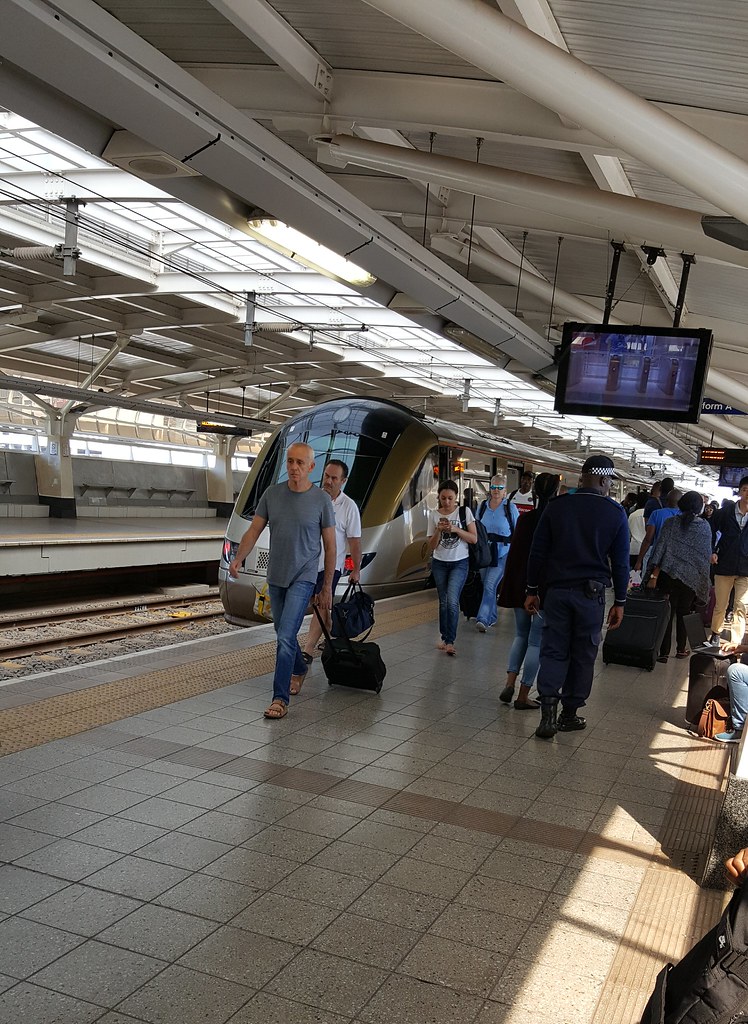
Landing at OR Tambo International Airport in Johannesburg, the smartest first move is walking straight past the airport taxi touts toward the Gautrain station. The high-speed rail link from the terminal to Sandton costs R228 (around $13.80 USD) and takes just fourteen minutes.
You do not even need a paper ticket.
Simply tap your contactless bank card at the turnstile when entering and exiting. It beats sitting in forty-five minutes of brutal Gillooly’s Interchange highway gridlock every single time.
Down in Cape Town, public transit centers around the MyCiTi bus system. Clean, air-conditioned buses run on dedicated lanes across the City Bowl, Camps Bay, and out to Bloubergstrand. Rides cost between R15 and R35 depending on distance, requiring a reusable R40 MyConnect card purchased at station kiosks.
For point-to-point travel, ride-hailing apps are the universal traveler safety net.
Uber and Bolt operate reliably across all major urban centers. A standard ride across Cape Town’s City Bowl or between the V&A Waterfront and Green Point runs between R55 and R85 ($3.30 to $5.10 USD). Crossing the entire peninsula from downtown to Kalk Bay or Muizenberg costs R180 to R240 ($11 to $14.50 USD).
Informal commuter minibus taxis dominate daily local transit across the country, but they operate under completely different dynamics than Ghanaian trotros or Kenyan matatus.
They use complex regional hand signals for boarding, have strict cash-passing etiquette down the rows, and occasionally experience route disputes between rival associations. Unless you are traveling with an experienced local host, stick to the Gautrain, MyCiTi buses, and ride-hailing cars. It saves confusion.
What Your Rands Buy at the Dining Table
Food in South Africa is exceptional, and everyday pricing offers incredible value if you step away from tourist strips.
Start your morning at any specialty coffee shop in Kloof Street, Rosebank, or Durban’s Florida Road. A velvety flat white crafted with ethically sourced African beans costs R38 to R48 ($2.30 to $2.90 USD). Pair it with a fresh bakery croissant for R35, and breakfast is sorted for under five dollars.
Lunch can be as economical or as hearty as you want.
In Cape Town, walk into a neighborhood takeaway shop and order a Gatsby. This legendary local sandwich consists of a massive two-foot crusty loaf packed with spiced masala steak, fresh lettuce, peri-peri sauce, and a mountain of slap chips. A full Gatsby costs R110 to R150 ($6.60 to $9.10 USD) and easily feeds three hungry adults.
Up in Johannesburg or across KwaZulu-Natal, look for a Durban Bunny Chow. A hollowed-out quarter loaf of white bread filled with rich, slow-simmered lamb, chicken, or sugar bean curry costs R70 to R95 ($4.20 to $5.75 USD). It is eaten purely with your hands, dipping crust into savory gravy.
No culinary journey here is complete without experiencing a traditional shisa nyama—the township braai culture.
At community butcheries, you pick your raw cuts of spiced boerewors sausage, lamb chops, and marinated beef short ribs straight from the display case. Pitmasters grill the meat over open hardwood coals while you sit on wooden benches. A generous meat platter served with stiff maize pap and spicy tomato-bean chakalaka costs R130 to R210 ($7.80 to $12.70 USD).
The primary financial hazard is tourist enclave dining.
If you sit down at an oceanfront restaurant in Camps Bay or an upscale steakhouse in Sandton City, your hundred-dollar budget can vanish in ninety minutes. Two imported cocktails, a seafood platter, and a dessert will easily total R1,500. Step three streets back into residential dining quarters, and that exact same spend buys two days of phenomenal dining.
To compare how these meal costs measure against other regional hubs, see our breakdown of daily travel costs and budgets across Ghana.
The World’s Greatest Bargain in Stellenbosch and Franschhoek
If you appreciate wine, South Africa’s Cape Winelands offer what is quite simply the greatest luxury-to-cost ratio on the planet.
In California’s Napa Valley or France’s Bordeaux, walking onto a premier estate for a basic tasting flight routinely sets you back $50 to $100 USD per person. In Stellenbosch and Franschhoek, historic Cape Dutch wine estates charge between R100 and R220 ($6.00 to $13.30 USD) for a formal tasting of five estate wines.
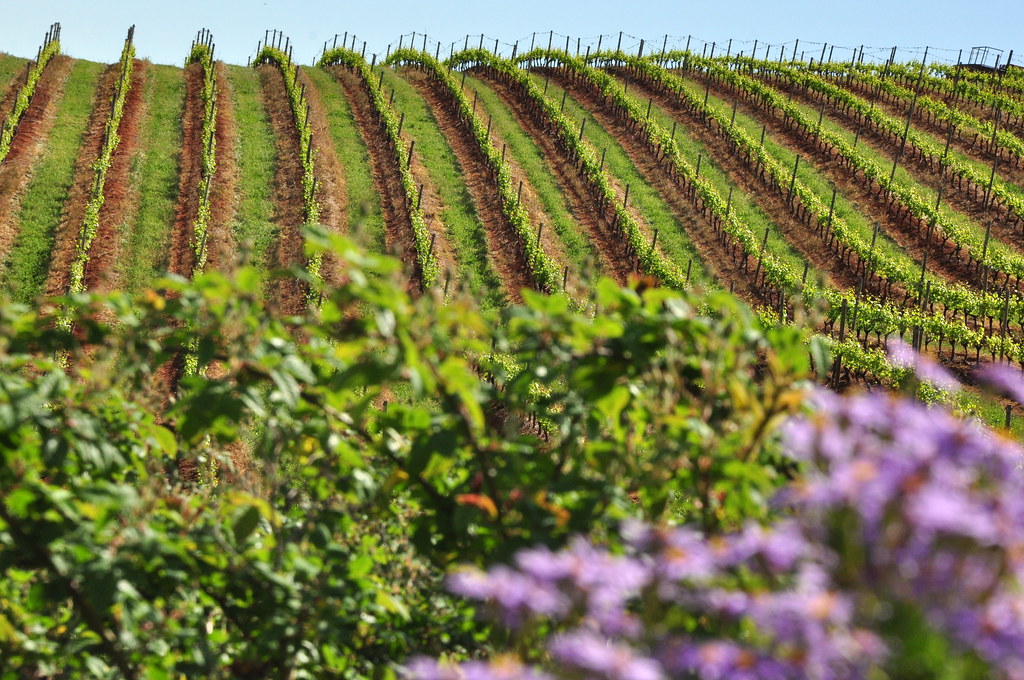
You sit on manicured oak-shaded lawns with jagged sandstone mountain peaks rising in the background.
Even better, most estates will gladly waive the tasting fee if you purchase a bottle or two at the cellar door. A bottle of crisp estate Chenin Blanc, rich Pinotage, or wooded Chardonnay that would easily sell for $40 in London or New York costs just R120 to R250 ($7.20 to $15.15 USD) directly from the cellar.
Add a charcuterie board laden with local goat cheeses, cured biltong, and warm sourdough for R160 ($9.70 USD), and an afternoon of pure luxury fits cleanly inside a modest daily budget.
Factoring Landmark Entry and Conservation Fees
While food, wine, and local transport are remarkably affordable, major tourist attractions and conservation reserves maintain structured international pricing.
Ascending Table Mountain via the Aerial Cableway costs R475 ($28.80 USD) for an adult return ticket purchased online. If you buy at the physical ticket office, the price climbs to R530. Always purchase online in advance through official ticketing platforms like Webtickets to save money and bypass the ticket booth line.
Visiting Robben Island requires booking the official ferry and prison tour departing from the Nelson Mandela Gateway at the V&A Waterfront. Tickets cost R600 ($36.35 USD) for international adults, including the round-trip boat ride, island coach tour, and a profoundly moving walk through the maximum-security prison led by former political prisoners.
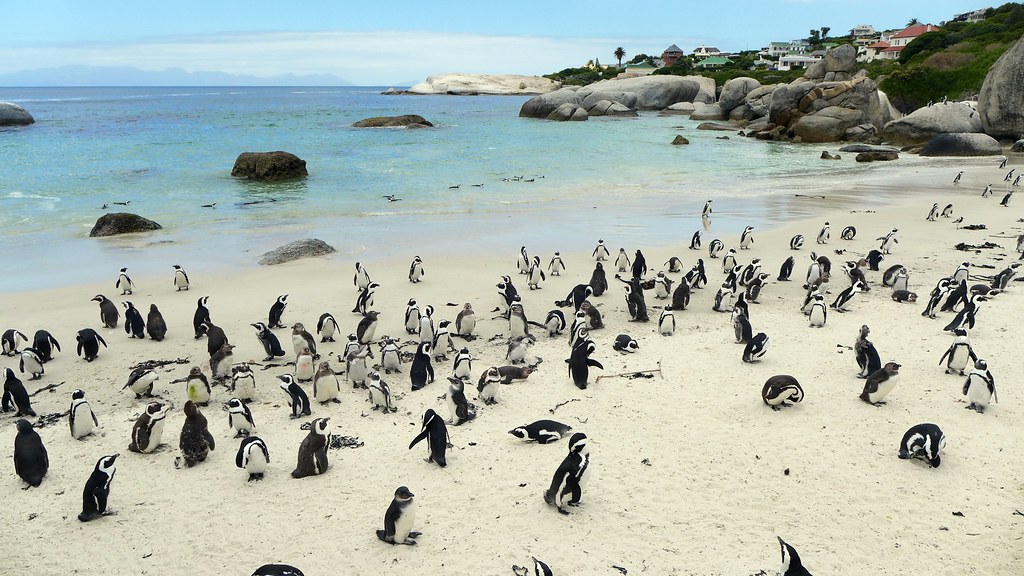
Down on the False Bay coast, entering the protected African penguin sanctuary at Boulders Beach requires paying the SANParks international conservation fee of R245 to R282 ($14.85 to $17.10 USD). Further north, exploring the sweeping indigenous flora and the tree canopy walkway at Kirstenbosch National Botanical Garden costs R220 ($13.30 USD).
This quick comparison outlines the primary daily cost benchmarks across major South African destinations.
| Experience / Expense | Rand Cost (ZAR) | USD Equivalent ($) | Essential Ground Reality |
|---|---|---|---|
| Gautrain Airport Link | R228 | ~$13.80 | 14 minutes from OR Tambo to Sandton; tap bank card. |
| Cape Town City Uber | R55 – R85 | ~$3.30 – $5.10 | Reliable, affordable safety default after dark. |
| Artisanal Flat White | R38 – R48 | ~$2.30 – $2.90 | Specialty coffee roasters in every major suburb. |
| Cape Town Gatsby Sub | R110 – R150 | ~$6.60 – $9.10 | Massive two-foot sandwich that easily feeds three. |
| Shisa Nyama Braai Feast | R130 – R210 | ~$7.80 – $12.70 | Open-flame chops, boerewors, pap, and chakalaka. |
| Winelands Tasting Flight | R100 – R220 | ~$6.00 – $13.30 | 5 premium estate wines in Stellenbosch or Franschhoek. |
| Table Mountain Cableway | R475 | ~$28.80 | Online return ticket; buy online to skip the booth line. |
| Robben Island Ferry & Tour | R600 | ~$36.35 | 3.5-hour tour guided by former political prisoners. |
| Car Guard Parking Tip | R5 – R10 | ~$0.30 – $0.60 | Keep physical coins in your car console for street parking. |
Three Realistic Ways to Spend One Hundred Dollars
To see how seventeen hundred rand translates into an actual travel day, consider these three real-world itineraries.
The Cape Town Coastal Explorer
You start the morning on Kloof Street with a flat white and fresh pastry (R75). A quick MyCiTi bus ride takes you up to the mountain base (R22), where you take the cableway to the summit of Table Mountain (R475). In the afternoon, you take an Uber down to Kalk Bay harbor (R190) for fresh hake, calamari, and chips beside the water with a cold Castle Lite (R165).
You stroll over to Boulders Beach to watch the wild African penguins along the granite boulders (R245). Returning to the city, you share a bottle of crisp Western Cape Sauvignon Blanc at a seaside bistro (R195), grab a casual wood-fired pizza (R145), and catch an Uber back to your guesthouse with a tip for the parking guard (R130).
Total spent: R1,642. A world-class coastal day, fully funded for under one hundred dollars.
The Winelands Indulgence Day
Splitting a rental car and fuel for the day from Cape Town accounts for your morning transport share (R350). You arrive in Stellenbosch for your first estate tasting of five reserve wines (R140), accompanied by an artisan cheese and biltong pairing board (R160).
Moving over Helshoogte Pass into Franschhoek, you enjoy a second afternoon cellar tasting (R180) followed by a relaxed terrace lunch overlooking the vineyards (R280). You purchase two bottles of award-winning estate Chenin Blanc directly from the cellar door to pack in your suitcase (R320). You finish the evening with an espresso in Stellenbosch village (R70), pay your parking attendants (R30), and enjoy a light flatbread dinner (R115).
Total spent: R1,645. Unmatched luxury with wine in your bag.
The Johannesburg Cultural Circuit
Stepping off your flight at OR Tambo, you take the high-speed Gautrain into Rosebank (R240) and grab coffee and breakfast (R85). An Uber takes you south to the Apartheid Museum in Ormonde (R110), where you spend two hours exploring the definitive exhibition of twentieth-century South African history (R150).
From there, an Uber brings you into Soweto’s Vilakazi Street (R130) for a massive shisa nyama feast of grilled chops, boerewors, pap, and a cold beer (R180), followed by a guided walking visit of the Hector Pieterson Memorial (R150). In the evening, you ride over to the Maboneng Arts Precinct (R120) for rooftop sundowners overlooking the downtown skyline (R160), enjoy an Ethiopian dinner platter (R140), tip your attendants (R50), and take an Uber back to your hotel (R110).
Total spent: R1,625. A full day of deep history and vibrant street culture.
For a broader continental perspective on how foreign exchange and daily budgets behave across different regions, consult our master guide to purchasing power and daily travel realities across Africa, alongside our local price breakdown for everyday spending in Ghana.