
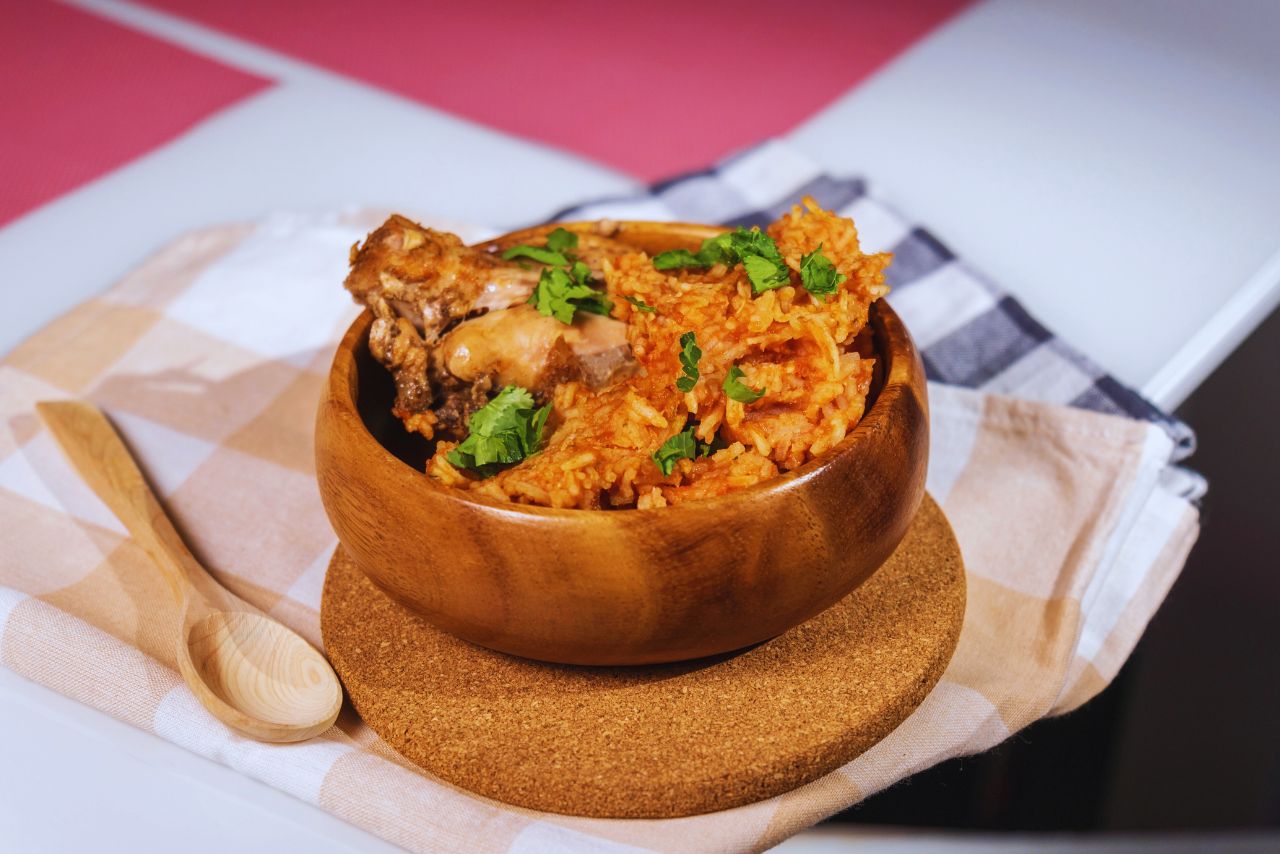
Have you ever seen a region defend a plate of food with the same passion people reserve for football? Travel across West Africa and you’ll witness it firsthand.
The first thing you learn when you travel across West Africa is this: food isn’t just food here. It’s pride, identity, culture, and bragging rights served on a steaming plate.
Nowhere is this clearer than in the famous Jollof Wars, an ongoing rivalry that keeps kitchens busy and travelers curious.
What looks like a simple tomato-rice dish carries far more behind it. Each country serves a version that tells a story about land, spices, traditions, and generations of family cooking.
If you plan to explore West Africa, there’s no quicker way to understand the region than by tasting its Jollof rice. And trust me, the debates are bold.
People defend their plates the way others defend football teams. Some battles are playful, others intense, but all of them reveal something deeply human.
As a traveler, you get a front-row seat to a cultural showdown that feeds the soul and ignites your wanderlust.
Nigeria: The Giant Who Claims the Crown
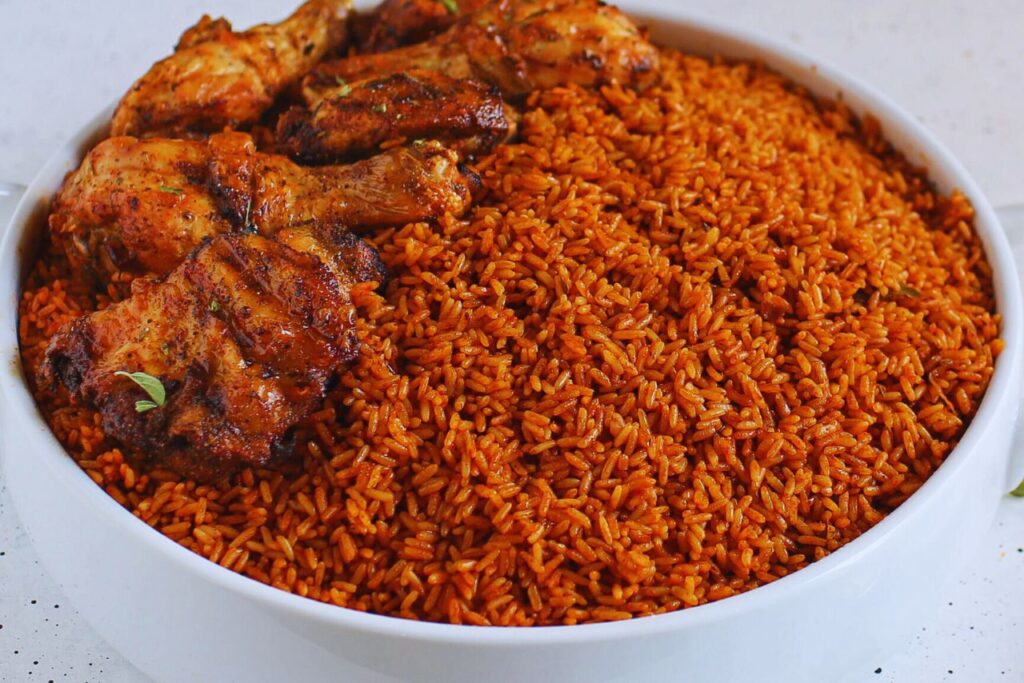
Photo source: kikifoodies
Nigeria treats Jollof rice like a national treasure.
From Lagos street parties to Abuja weddings, the dish holds a permanent spot on the menu.
What makes Nigerian Jollof unforgettable is its smoky hit and bold pepper blend. Many restaurants use open-fire cooking to get that signature taste.
Places like Terra Kulture in Lagos or Nkoyo in Abuja keep plates between ₦4,500 and ₦8,000, and you’ll always find locals arguing that this is the original and superior recipe.
Travelers quickly learn that Nigerians don’t joke with their food. Wherever you go, someone will ask if you’ve tried “proper party Jollof”.
This version cooks in huge outdoor pots, giving it that deep flavour and slightly crispy bottom layer people love.
If you want a real experience, attend a weekend owambe or a family cookout. Warm hosts will pile your plate high and then challenge you to name any country that does it better. Good luck saying anything else.
Ghana: The Quiet Confidence of the Gold Coast
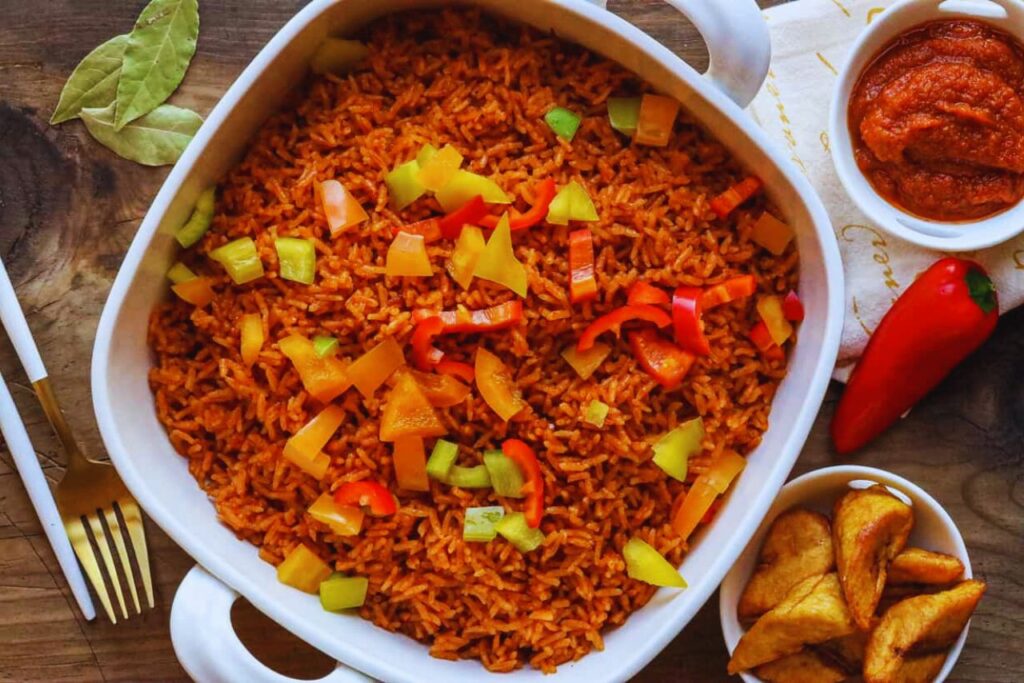
Photo source: savorythoughts
Ghana steps into the Jollof Wars with calm confidence. Their style focuses on balance and comfort.
The rice cooks with tomato stew, onion, ginger, and a gentle spice mix that creates a softer taste. In Accra, places like Buka, Chez Clarisse, and Urban Grill serve plates that hover around GHS 60 to GHS 150 depending on the spot.
Most travelers say Ghanaian Jollof feels warm and homely, and every bite tastes like a slow Sunday lunch.
Ghanaians believe their Jollof wins because it’s consistent. It doesn’t try to overwhelm you. Instead, it brings harmony to the plate.
They often pair it with grilled tilapia, shito sauce, and fried plantain.
Sit at a beachside shack on Labadi Beach as you watch locals chat over food, and you’ll understand why they defend their version without raising their voices.
Their confidence comes from knowing their dish speaks for itself.
Senegal: The Birthplace of Jollof

Photo source: simshomekitchen
Every traveller digging into this rivalry must visit Senegal, because this is the root of the entire saga.
Here, the dish is called Ceebu Jën, and it’s recognized by UNESCO as an Intangible Cultural Heritage.
The Wolof people created it long before it spread across the region. In Dakar, places like Chez Loutcha and La Calebasse serve traditional plates for around 4,500 to 7,500 CFA.
The dish comes with rice cooked in seasoned fish broth, vegetables, and layers of spices.
Senegalese cooks take pride in authenticity. They remind everyone that Jollof didn’t start in Nigeria or Ghana, and they’re ready with history to back that claim.
Taste Ceebu Jën once, and you’ll see why. It’s deeper, richer, and more layered than other versions.
Travelers often say this is the most complex and satisfying form of Jollof because the flavors showcase the Atlantic coast and the skill of Senegalese kitchens.
When locals say they set the standard, they mean it.
Sierra Leone: A Bold Twist on Tradition
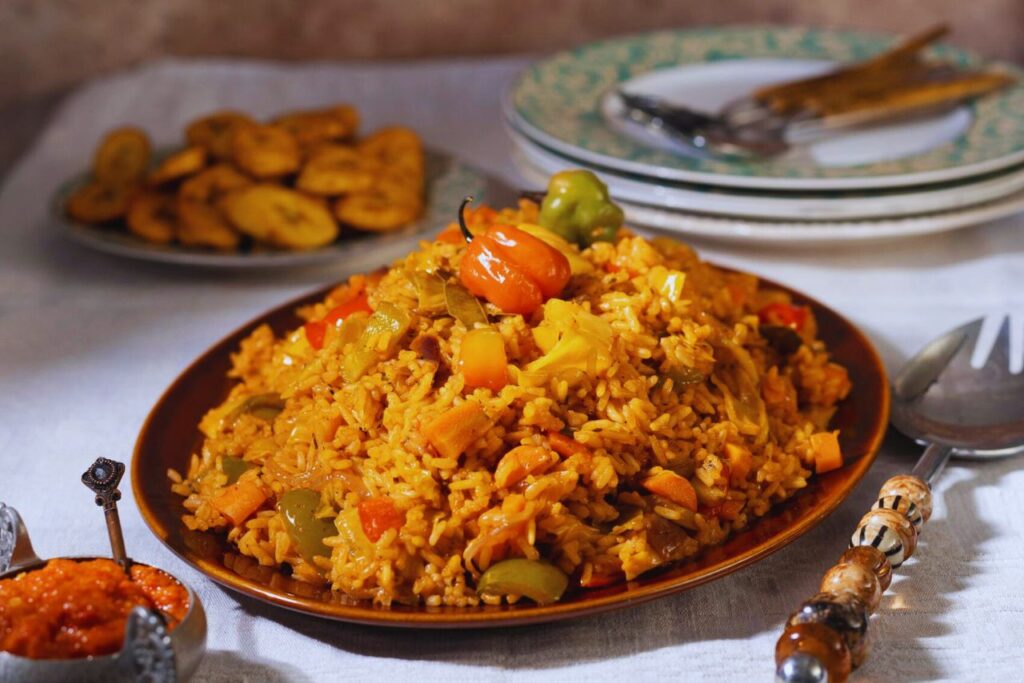
Photo source: godare
In Sierra Leone, Jollof takes on a stronger, spicier personality. The stew carries a vibrant tomato base with peppers, curry powder, and local seasonings.
Restaurants in Freetown such as Swan Restaurant or Toma can serve a generous plate for around 120 to 200 SLE.
Sierra Leonean Jollof is known for its fiery edge and lively aroma. The rice cooks until each grain stands firm, soaked in flavor without being mushy.
Sierra Leoneans step into the Jollof debate with a quiet fire.
They know their version doesn’t always get international spotlight, but travelers who taste it often become loyal fans.
The country’s tourism is growing, and food plays a major role in introducing visitors to local culture.
If you attend a gathering in Bo or a beach hangout in Lumley, you’ll meet hosts who proudly explain their method and ask you to compare it with others. The boldness of their dish matches the warmth of their people.
Liberia: Comfort Food That Connects Generations
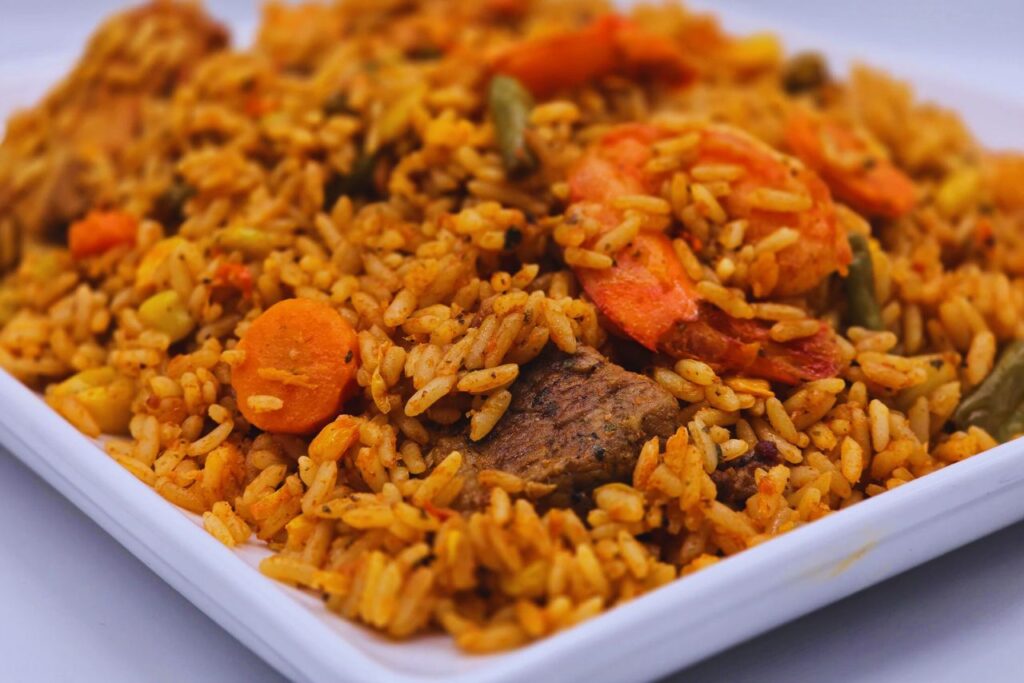
Photo source: africanlantern
Liberia’s version of Jollof has a comforting feel, with a stew rich in tomato paste, onions, and spices.
The dish often comes with chicken or beef, and the rice carries a soft and flavorful texture. In Monrovia, places like Evelyn’s and Tides Restaurant serve it for about 1,200 to 2,500 LRD.
People here treat Jollof as a family dish passed down from mothers and grandmothers, which gives it emotional weight.
Liberians may not shout the loudest in the Jollof Wars, but they take pride in the heart behind their food. Their version feels homey and full of warmth.
Visit a local household, and you’ll quickly get invited to sit, talk, eat, and laugh.
The hospitality builds the experience. You’ll leave with more than a full stomach; you’ll leave with stories and the sense that food here means connection.
The Gambia: A Close Cousin with Its Own Identity
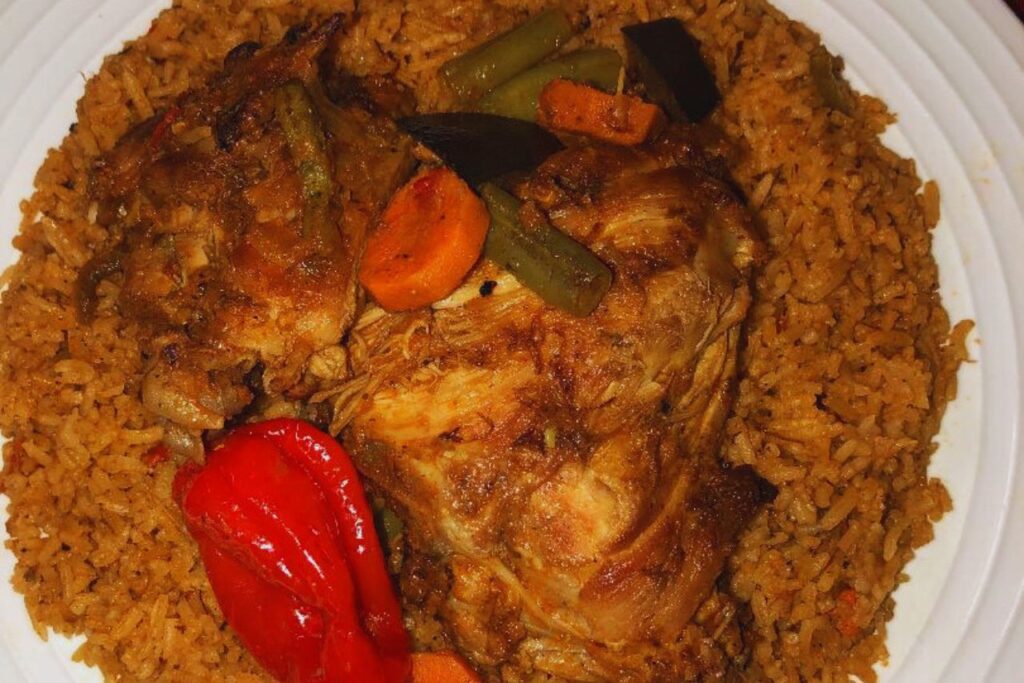
Photo source: ethniccravings
The Gambia offers Benachin, a close relative of Jollof that combines vegetables, tomato stew, and seasoned rice cooked together in one pot.
This gives it a uniform color and strong flavor. In Banjul, most restaurants serve it between 250 and 450 dalasi.
Travelers who enjoy hearty meals usually fall in love with this version because it tastes earthy and filling.
Gambians stand by their Benachin as a key part of their culture. They serve it at ceremonies, birthdays, and weekend gatherings.
If you take a day trip through Serekunda Market or Kotu Beach, you’ll see street vendors cooking it in big pots as the aroma pulls people in.
This version of the dish may look simple, but it carries the essence of Gambian hospitality.
Visitors often return home saying Benachin deserves a louder voice in the Jollof conversation.
Cape Verde: A Unique Island Interpretation
Though not part of the core Jollof rivalry, Cape Verde offers a unique island twist on tomato rice dishes.
The combination often includes fish or seafood cooked with rice, tomato, and local herbs. It doesn’t follow the traditional Jollof method, but many travelers notice strong similarities.
In Praia or Mindelo, prices range from 400 to 1,000 CVE depending on the restaurant. The dish feels light and coastal, perfect after a long beach day.
Cape Verdean cooks bring their island identity into the food. Their plates feel different because they’re shaped by the Atlantic and the country’s Portuguese influence.
Travelers love the freshness of the ingredients. Even though Cape Verde doesn’t enter the Jollof Wars officially, the country’s version of tomato rice adds depth to the regional story.
It’s a reminder that West African cuisines connect and influence each other across borders.
Why the Jollof Wars Matter More Than You Think
The Jollof Wars aren’t just about whose rice tastes better. They highlight how deeply people care about where they come from.
Each country’s version reflects its soil, climate, spices, history, and daily life.
When you taste these dishes, you’re not just eating rice. You’re tasting identity. You’re tasting centuries of trade, migration, creativity, and resilience.
For travelers, this rivalry creates an irresistible invitation. It pushes you to hop from country to country, from kitchen to kitchen, comparing flavors and learning stories.
Many backpackers and food lovers travel across Nigeria, Ghana, Senegal, Liberia, Sierra Leone, and The Gambia specifically to experience this debate firsthand.
Food tours in Lagos or Accra often include Jollof tastings, and social media challenges keep the buzz alive. This makes the region energetic, welcoming, and full of discovery.
How to Join the Jollof Journey as a Traveler
Start by visiting local restaurants instead of sticking to tourist spots.
You’ll meet people eager to guide you through their country’s version of the dish.
In big cities like Lagos, Accra, Dakar, and Monrovia, you’ll find food tours that cost between 20 and 60 dollars.
These tours take you behind the scenes, letting you watch cooks prepare the rice from scratch. Many travelers say these are the most memorable experiences on their trips.
You can also attend festivals. Nigeria’s Lagos Jollof Festival, Accra’s Chale Wote Street Art Festival, and Dakar’s food pop-ups give you a chance to try many versions at once.
These gatherings are social, colorful, and packed with vendors showcasing their best recipes.
You’ll dance, eat, laugh, and hear arguments from passionate locals who swear their country wins the crown.
It’s the type of experience that stays with you long after you return home.
Final Thoughts
Traveling through West Africa reminds you that food carries meaning.
The Jollof Wars show how much pride people hold in their cultures. Each country tells its story through spices, fire, and tradition.
As you try these dishes, you taste connection, history, and the joy people feel when they share a meal with you.
So pack your bags, book the flight, and step into the heart of the region. Follow the scent of tomatoes, peppers, and warm rice.
Let each plate guide you deeper into the beauty and diversity of West Africa. And when someone asks who truly makes the best Jollof rice, you’ll have your own answer. Just be ready to defend it.