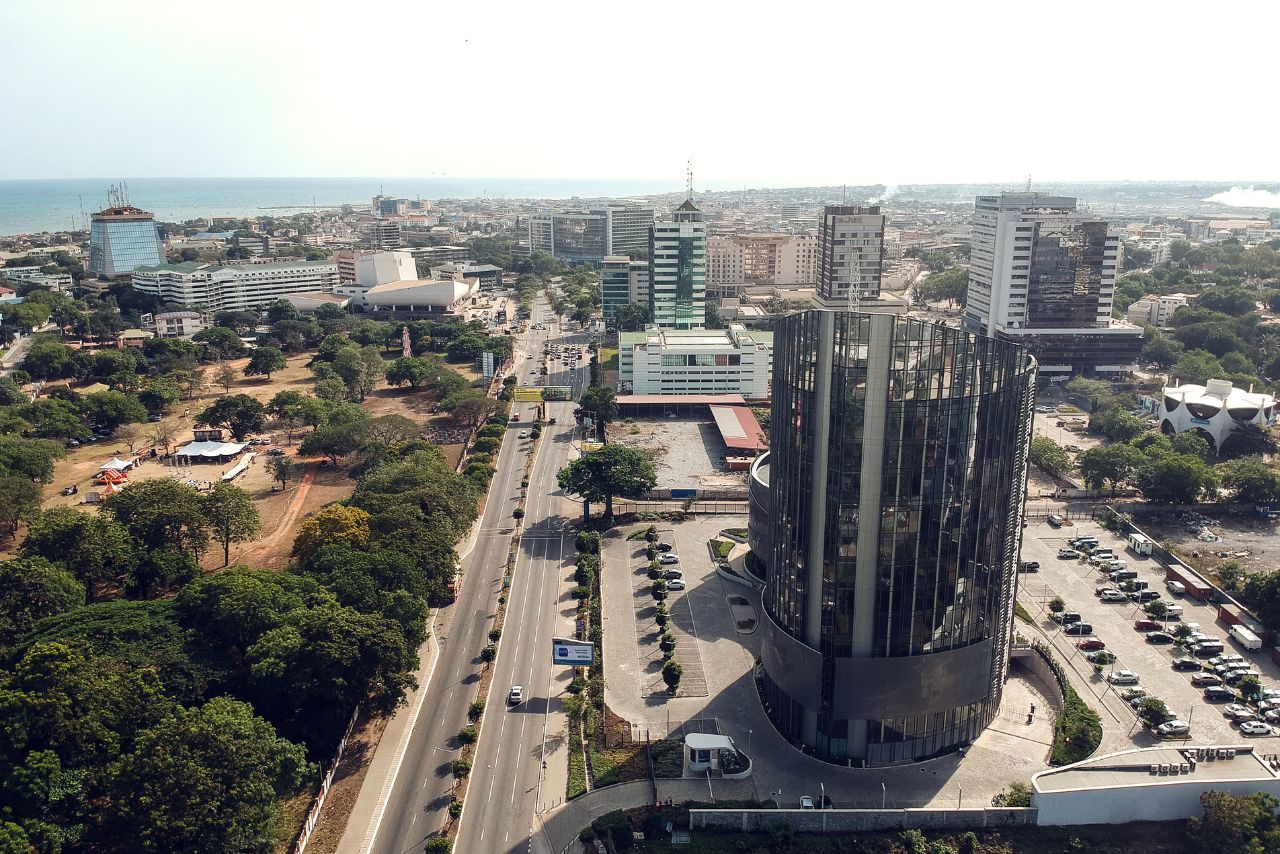
If you follow the official figures published by the Dubai Department of Economy and Tourism (DET)—such as their Composite Business Confidence Index and the ambitious D33 Economic Agenda—Dubai is achieving exactly what it set out to build. With over 17 million annual international visitors and a relentless commercial momentum, the city stands as a triumph of high-speed urban development and mega-scale retail.
Yet, the very superlatives Dubai celebrates are often why travelers experience “Dubai Fatigue.”
When a metropolis revolves around 12-lane superhighways, record-breaking shopping malls, and air-conditioned indoor spectacles, it naturally trades away something essential: walkable street life, living heritage, and uncrowded natural landscapes.
In 2026, travel priorities are shifting. Sophisticated travelers, digital nomads, and couples are seeking something beyond gold-leaf novelties and crowded mega-resorts. They want five-star infrastructure and seamless connectivity, but paired with shaded pedestrian avenues, centuries of authentic culture, and peaceful horizons.
Already visiting Dubai and want to explore its best seaside district? Check out our curated Guide to Dubai Marina.
If you love contemporary comfort but crave depth and tranquility, here are 10 modern, refined destinations around the globe that offer a refreshing alternative to Dubai.
Evaluating 10 Modern Global Alternatives to Dubai
| Destination | Persona / Vibe | Standout Advantage Over Dubai | Best For | Ideal Season |
|---|---|---|---|---|
| Doha, Qatar | Modern Arabian Elegance | World-class art curation & pedestrian districts | Art, architecture & quiet pace | Nov – April |
| Muscat, Oman | Traditional Coastal Heritage | Low-rise skyline & dramatic mountain wadis | Nature, diving & heritage | Oct – March |
| Abu Dhabi (Saadiyat) | Cultural Island Sanctuary | Natural turtle beaches & architectural museums | Art lovers & calm relaxation | Nov – March |
| Nairobi, Kenya | Vibrant Cosmopolitan Hub | Urban tech scene bordered by wild reserves | Wildlife, coffee & city pulse | Year-round |
| Casablanca, Morocco | Atlantic Art Deco Metropolis | Historic soul & breezy oceanfront boulevards | Culture, ocean views & dining | April – Nov |
| Windhoek & Coast, Namibia | Peaceful Desert Haven | Unfiltered silence & zero tourist congestion | Stargazing, lodges & quietude | May – Oct |
| Mauritius | Island Living & Remote Work | Turquoise lagoons & 1-year Premium Visa | Digital nomads & coastal leisure | May – Dec |
| Réunion Island | Volcanic Natural Haven | Untamed alpine cirques & French gastronomy | Adventure, hiking & helicopter tours | May – Nov |
| Istanbul, Turkey | Transcontinental Metropolis | 2,500 years of living history along the water | Heritage, food & vibrant energy | April – June, Sept – Nov |
| Bordeaux, France | Pedestrian River Grandeur | 100% walkable limestone avenues & wine culture | Walkability & epicurean dining | May – Oct |
Persona 1: The Modern Middle East (Culture & Calm)
1. Doha, Qatar
The Vibe: Sleek Arabian architecture grounded in world-class art and quiet sophistication.
Why It Beats Dubai:
- Built for Walking: Unlike Dubai’s highway sprawl, Doha’s Msheireb Downtown is the world’s first sustainable downtown regeneration project, featuring shaded pedestrian colonnades and a silent solar-powered tram.
- Art Over Novelty: Home to the I.M. Pei-designed Museum of Islamic Art and Jean Nouvel’s National Museum of Qatar, prioritizing cultural curation over commercial spectacle.
- Intimate Waterfront: The 7-kilometer Corniche offers serene harbor views filled with traditional wooden dhows rather than commercial jet-ski traffic.
The Highlight Experience: Wander through Souq Waqif at twilight to experience a working spice and falcon market that retains its 19th-century atmospheric charm.
Quick Planning Snapshot:
- Best For: Solo cultural explorers, couples, and architecture enthusiasts.
- Ideal Season: November to April (22°C–27°C).
- Where to Stay: Mandarin Oriental, Doha (Msheireb Downtown) or The St. Regis Doha (West Bay).
2. Muscat, Oman
The Vibe: Low-rise, whitewashed Arabian coastal heritage framed by rugged mountain fjords.
Why It Beats Dubai:
- Strict Anti-Skyscraper Laws: High-rises are legally prohibited in Muscat, preserving a skyline of white-domed villas, intricate arabesque balconies, and minarets.
- Wild Nature at Your Doorstep: Swim in emerald pools at Wadi Shab or take a private charter to snorkel with whale sharks and sea turtles at the Daymaniyat Islands.
- Authentic Hospitality: Experience traditional Omani generosity without the transactional feel of mass-tourism centers.
The Highlight Experience: Strolling along the Muttrah Corniche as the call to prayer echoes across 16th-century Portuguese coastal forts.
Quick Planning Snapshot:
- Best For: Nature enthusiasts, divers, and heritage travelers.
- Ideal Season: October to April (24°C–29°C).
- Where to Stay: The Chedi Muscat (minimalist seaside refinement) or Shangri-La Al Husn (cliffside retreat).
3. Abu Dhabi (Focus: Saadiyat Island), UAE
The Vibe: The contemplative, art-focused sanctuary just 90 minutes down the coast from Dubai.
Why It Beats Dubai:
- Protected Natural Coastline: Saadiyat Island’s beaches are natural white-sand conservation zones where hawksbill turtles nest, completely free of artificial breakwaters.
- World-Class Cultural District: Spend quiet mornings beneath Jean Nouvel’s famous “rain of light” dome at the Louvre Abu Dhabi.
- Tranquil Eco-Adventures: Kayak through the lush Eastern Mangrove National Park instead of navigating crowded commercial marinas.
The Highlight Experience: Watching dolphins swim just off the shore during breakfast at a seaside terrace on Saadiyat Beach.
Quick Planning Snapshot:
- Best For: Art collectors, couples seeking quiet beach relaxation, and families.
- Ideal Season: November to March (23°C–28°C).
- Where to Stay: Jumeirah at Saadiyat Island Resort or The St. Regis Saadiyat Island.
Persona 2: Cosmopolitan Africa (Urban Pulse & Nature)
Looking specifically for thriving African commercial hubs and skylines? Explore our dedicated guide to Places Like Dubai in Africa.
4. Nairobi, Kenya
The Vibe: East Africa’s vibrant commercial capital—where contemporary urban lifestyles meet untamed savannah horizons.
Why It Beats Dubai:
- Silicon Savannah Energy: A thriving tech and startup ecosystem paired with world-renowned specialty coffee culture across Westlands and Karen.
- Wildlife on the City Border: Nairobi National Park is the only capital park on earth where you can spot endangered black rhinos and lions with glass skyscrapers rising behind them.
- Rooftop Social Scene: Savor farm-to-table gastronomy and inventive cocktails at rooftop venues with panoramic views over the lush city canopy.
The Highlight Experience: Enjoying an espresso at a leafy cafe in Karen before taking a 45-minute flight straight into the Masai Mara for an exclusive safari.
Quick Planning Snapshot:
- Best For: Digital professionals, wildlife lovers, and culinary travelers.
- Ideal Season: Year-round (pleasant highland climate, 20°C–26°C).
- Where to Stay: Hemingways Nairobi (Karen) or Villa Rosa Kempinski (Westlands).
5. Casablanca, Morocco
The Vibe: Atlantic ocean breezes, French-Moorish Art Deco boulevards, and a working coastal metropolis.
Why It Beats Dubai:
- A Living, Working Metropolis: Free from the tourist bubble feel of other resort cities, Casablanca is a genuine hub of Moroccan modern life and commerce.
- Coastal Walkability: Stroll along the oceanfront Ain Diab Corniche, lined with contemporary seaside dining and historic beach clubs.
- Architectural Heritage: A fascinating blend of 1930s Art Deco apartment blocks, palm-lined avenues, and traditional craft markets in the Habous Quarter.
The Highlight Experience: Standing inside the monumental Hassan II Mosque, perched directly over the Atlantic Ocean with a retractable roof and glass flooring revealing the waves below.
Quick Planning Snapshot:
- Best For: Cultural travelers, business professionals, and photographers.
- Ideal Season: April to November (20°C–27°C).
- Where to Stay: Four Seasons Hotel Casablanca (oceanfront) or Le Casablanca Hotel.
6. Windhoek & The Coast, Namibia
The Vibe: Peaceful desert landscapes, clean modern infrastructure, and dramatic Atlantic coastlines.
Why It Beats Dubai:
- Profound Natural Silence: In place of crowded, motorized dune-bashing tours, Namibia offers vast, untouched desert horizons and absolute stillness.
- The World’s Darkest Night Skies: Enjoy zero light pollution and unmatched stargazing from boutique desert lodges.
- Coastal Charm in Swakopmund: A short flight or scenic drive from Windhoek leads to a coastal town famous for fresh Atlantic oysters (€20 for a dozen) and ocean breezes.
The Highlight Experience: Taking a sunrise hot air balloon flight over the ancient red dunes of Sossusvlei after a quiet overnight stay in Windhoek.
Quick Planning Snapshot:
- Best For: Stargazers, couples, and travelers seeking space and solitude.
- Ideal Season: May to October (cool, dry desert winter).
- Where to Stay: The Weinberg Windhoek or Strand Hotel Swakopmund.
Persona 3: Scenic Coastal & Island Escapes
7. Mauritius (Grand Baie & Le Morne)
The Vibe: Subtropical island living paired with reliable digital infrastructure and French-Creole elegance.
Why It Beats Dubai:
- Designed for Remote Work: The government offers a straightforward, renewable 1-Year Premium Visa for digital nomads, backed by island-wide high-speed fiber internet.
- Natural UNESCO Scenery: Trade artificial archipelagos for natural coral barrier reefs, emerald sugar-cane fields, and the dramatic peak of Le Morne Brabant.
- Refined Island Pace: Thriving expat communities in Grand Baie and Tamarin offer beachside bistros and calm ocean living without urban stress.
The Highlight Experience: An evening catamaran sail along the calm western lagoons as the sun sets behind the silhouette of Le Morne.
Quick Planning Snapshot:
- Best For: Remote workers, kitesurfers, and long-stay travelers.
- Ideal Season: May to December (warm, dry, and sunny).
- Where to Stay: Constance Prince Maurice (east coast) or LUX* Grand Baie (north coast).
8. Réunion Island
The Vibe: The French volcanic marvel of the Indian Ocean—alpine drama meets European infrastructure.
Why It Beats Dubai:
- Untamed Volcanic Topography: Experience dramatic natural peaks like Piton des Neiges and the active Piton de la Fournaise, rather than simulated indoor attractions.
- European Standards in the Tropics: Flawless French road networks, excellent healthcare, and sophisticated French-Creole culinary traditions.
- World-Class Aerial Touring: Take a helicopter tour deep into the secluded Cirque de Mafate, an alpine crater accessible only on foot or by air.
The Highlight Experience: Savoring fresh French pastries on a seaside terrace in Saint-Gilles-les-Bains after an early morning hike above the cloud line.
Quick Planning Snapshot:
- Best For: Outdoor hikers, adventure photographers, and epicureans.
- Ideal Season: May to November (cool, dry winter months).
- Where to Stay: LUX* Saint Gilles or Blue Margouillat Seaview Hotel.
Persona 4: Historic & Vibrant Urban Alternatives
9. Istanbul, Turkey (Bosphorus Waterfront)
The Vibe: A 2,500-year-old transcontinental metropolis where East meets West along a bustling saltwater strait.
Why It Beats Dubai:
- Living History, Not a Theme Park: Walk through real Byzantine and Ottoman monuments that have stood for millennia, from the Hagia Sophia to the Topkapi Palace.
- Vibrant Waterfront Energy: Cross the Bosphorus by public ferry at dusk, with minarets glowing in the sunset and seabirds gliding alongside.
- Cutting-Edge Contemporary Scene: Neighborhoods like Karaköy and Moda burst with modern art museums (Istanbul Modern), designer boutiques, and rooftop meze dining.
The Highlight Experience: An evening dinner on a Bosphorus-facing terrace in Bebek, savoring fresh seafood as illuminated ships glide between continents.
Quick Planning Snapshot:
- Best For: Food lovers, history buffs, and energetic city explorers.
- Ideal Season: April to June and September to November.
- Where to Stay: The Peninsula Istanbul (Karaköy) or Çırağan Palace Kempinski.
10. Bordeaux, France
The Vibe: 18th-century neoclassical grandeur, pedestrian stone boulevards, and world-renowned epicurean culture.
Why It Beats Dubai:
- 100% Walkable Urban Design: Leave cars behind. Bordeaux is designed for pedestrians and cyclists, connected by silent electric tram lines and limestone plazas.
- World Capital of Gastronomy: Dine in historic bistros and visit nearby UNESCO estates in Saint-Émilion without the commercialized veneer of skyscraper malls.
- Contemporary Architecture: The futuristic, curved Cité du Vin museum along the Garonne River celebrates global wine heritage with state-of-the-art curation.
The Highlight Experience: Strolling past the Miroir d’Eau reflecting the 18th-century Place de la Bourse as the evening lights illuminate the riverfront.
Quick Planning Snapshot:
- Best For: Walkability enthusiasts, wine connoisseurs, and couples.
- Ideal Season: May to October (warm, sunny European summer and harvest).
- Where to Stay: InterContinental Bordeaux – Le Grand Hôtel or Yndo Hotel.
Frequently Asked Questions
What city is most similar to Dubai but less commercialized?
Doha, Qatar and Abu Dhabi’s Saadiyat Island offer the closest match in terms of modern skyline architecture and five-star hospitality, but with a deliberate focus on world-class museums, cultural heritage, and a significantly calmer pace of life.
Which destination is the best alternative to Dubai for digital nomads?
Mauritius and Nairobi are top contenders. Mauritius provides a free, renewable 1-Year Premium Visa, island-wide high-speed fiber, and a relaxing coastal lifestyle. Nairobi offers East Africa’s leading tech hub, outstanding coffee shops, and vibrant coworking communities.
Where can I go for desert landscapes without the crowds?
Namibia (Windhoek and Sossusvlei) offers the world’s most dramatic, untouched desert landscapes with zero commercial light pollution, boutique eco-lodges, and complete natural silence.
Final Thoughts
Dubai has masterfully engineered a high-octane city built on records and scale. But when you want your travels to feel more personal, walkable, and authentic, the world offers remarkable alternatives.
Whether you choose the mountain fjords of Muscat, the wild urban borders of Nairobi, or the turquoise lagoons of Mauritius, you can enjoy top-tier comfort while discovering a deeper sense of place.