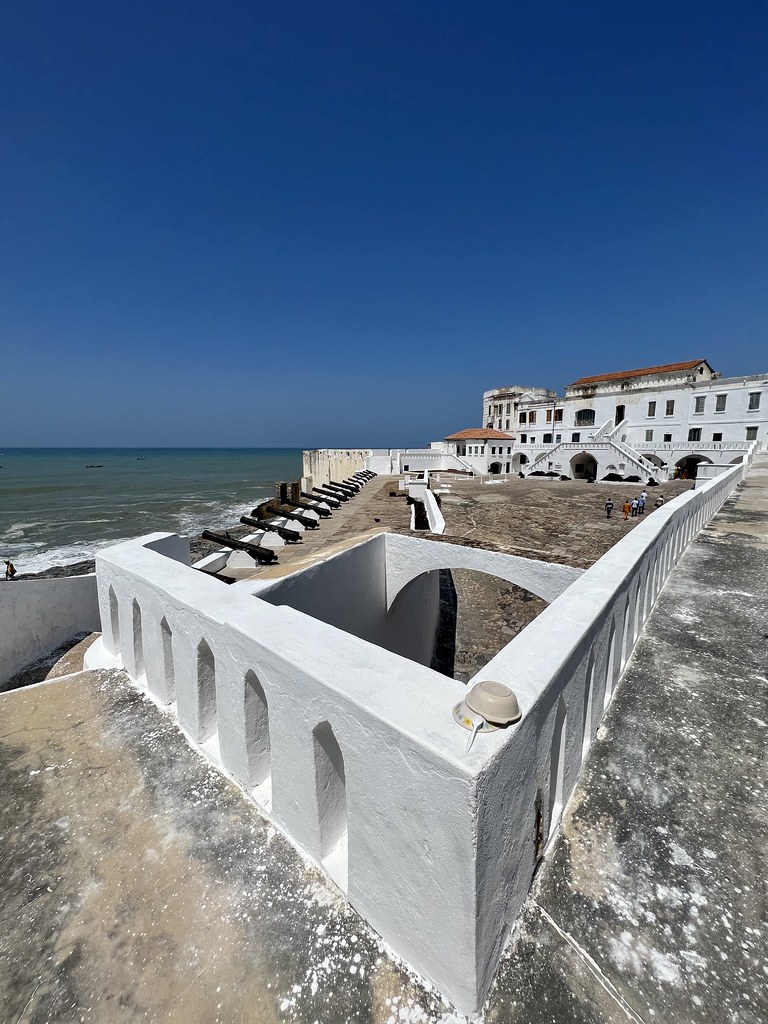
The scent of Atlantic brine, diesel exhaust, and drying tilapia hits you long before you spot the whitewashed stone ramparts. Cape Coast feels heavy and alive all at once.
Most travelers head straight for the coastline to confront the dark history of the transatlantic trade. But navigating this coastal corridor requires more than emotional readiness; it takes sharp timing and practical logistics.
The ocean breeze is deceptively soft, but the history carved into the coastal granite never lets you forget where you stand.
What Is the Difference Between Cape Coast Castle and Elmina Castle?
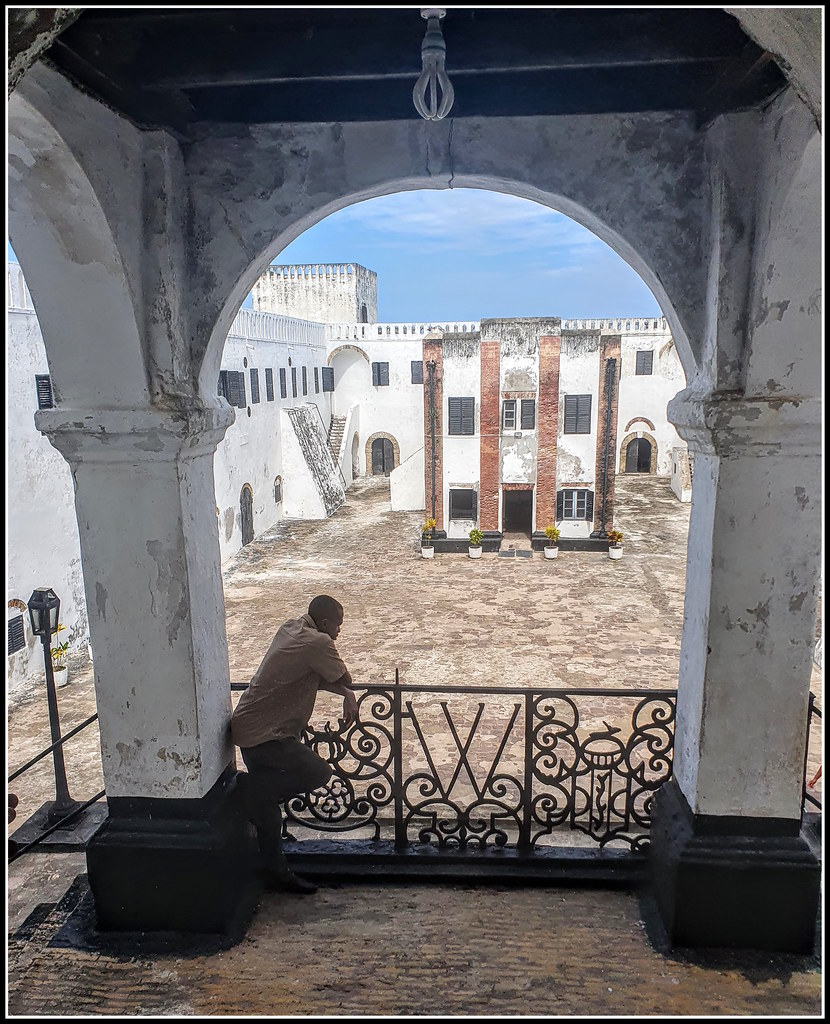
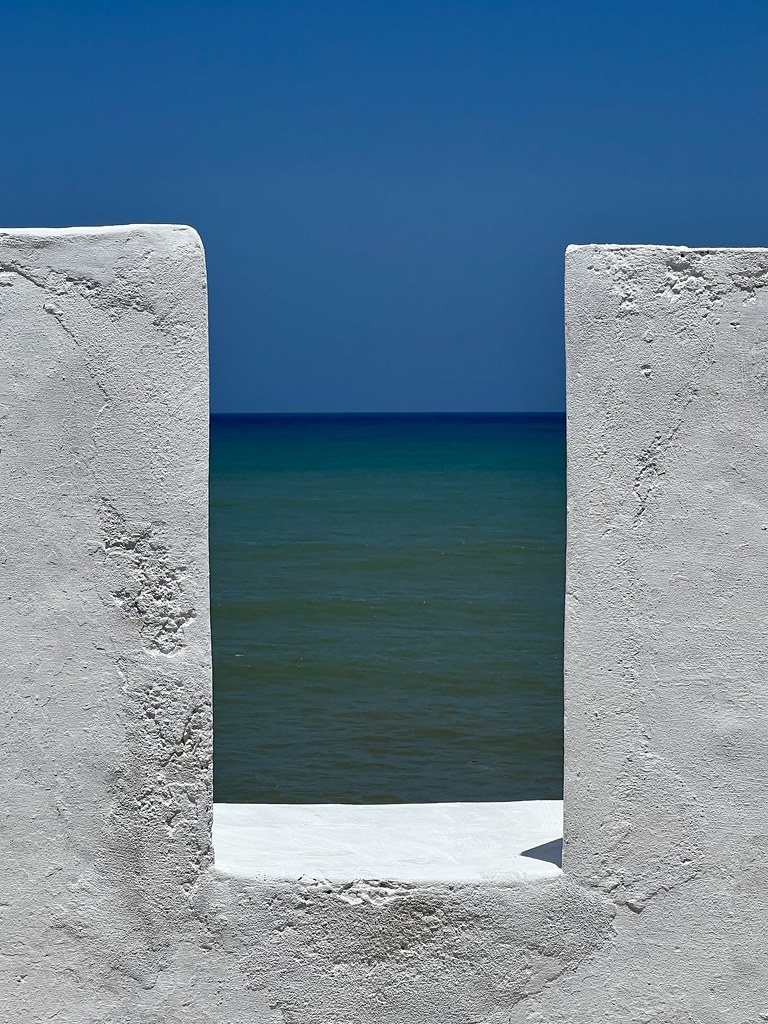
Cape Coast Castle and Elmina Castle stand only twelve kilometers apart along the central shore, yet their physical architecture and historical origins tell distinct stories.
Elmina Castle, formally known as São Jorge da Mina, was erected by the Portuguese in 1482. It is the oldest European building south of the Sahara, built originally for trade in gold before converting into a horrific holding center for enslaved human beings.
Elmina is compact, visceral, and weathered. Its heavy cannons point out over a harbor packed with hundreds of colorful wooden fishing canoes along the Benya Lagoon.
Cape Coast Castle was founded decades later by Swedish traders in 1653 as Fort Carolusburg before the British rebuilt it into a sprawling fortress in 1665. It served as the central British colonial headquarters on the Gold Coast for over two centuries.
Cape Coast Castle feels massive, stark, and institutional. It houses Ghana’s premier historical museum on transatlantic trade and hosts the official commemorative Door of Return ceremonies.
Visiting both castles is not redundant. Seeing Elmina provides raw intimacy, while Cape Coast reveals the cold, industrial scale of British colonial administration.
What Are the Current Castle Entrance Fees and Tour Ticket Prices?
Entry fees across both castles are standardized by the Ghana Museums and Monuments Board (GMMB). Online tour portals routinely charge travelers twenty times the actual gate fee for third-party escort services, making direct gate payment far more sensible.
For international adult visitors, the official gate fee is exactly GH₵ 80.00 (roughly $6.50 to $7.00 USD) per castle. International students and volunteers pay GH₵ 60.00 upon presenting a valid university or institutional photo ID.
Ghanaian adults pay GH₵ 20.00, while local school children pay between GH₵ 5.00 and GH₵ 10.00. Every entrance ticket automatically includes a certified resident GMMB tour guide.
Independent self-guided walking inside the slave dungeons is strictly prohibited for historical preservation and safety. While guides do not demand separate fees, customary tipping of GH₵ 20.00 to GH₵ 50.00 is standard courtesy at the end of the 60-minute tour.
Both castles open daily from 8:30 AM to 4:30 PM. When planning your daily spending, consult our realistic Ghana daily travel budget breakdown to balance regional entry fees against daily transport costs.
Carrying clean, physical cash notes is vital at both castle ticket counters, because rural mobile network dips can occasionally stall card terminals.
Fast-Reference Comparison: Central Region Highlights
This side-by-side matrix highlights the core travel specifications, distance thresholds, and physical realities across the Central Region circuit.
| Site / Landmark | Distance from Accra | Non-Resident Adult Fee | Optimal Visiting Window | Physical Demands | Essential Local Tip |
|---|---|---|---|---|---|
| Cape Coast Castle | 165 km (3.5–4.5 hrs) | GH₵ 80.00 (~$6.70) | 9:00 AM – 11:00 AM | Narrow stone corridors, low dungeon thresholds | Resident guide is mandatory and included in ticket. |
| Elmina Castle | 175 km (3.7–5.0 hrs) | GH₵ 80.00 (~$6.70) | 2:00 PM – 4:00 PM | Steep stone staircases, uneven courtyard cobbles | Built in 1482; sits directly beside working fishing port. |
| Kakum National Park | 195 km (33 km north of Cape Coast) | GH₵ 130.00 (~$10.80) | 6:00 AM – 7:30 AM | Rigorous 20-min uphill rainforest hike; 40m high walkway | Arrive at dawn to beat heat, avoid crowds, and hear birds. |
| Assin Manso Slave River | 205 km (40 km north toward Kumasi) | GH₵ 50.00 (~$4.15) | 10:00 AM – 3:00 PM | Gentle forest trail leading down to riverbank | The sacred ‘Last Bath’ site; shoes removed at river. |
| Elmina Posuban Shrines | 175 km (Elmina Old Town) | Free (guide tip GH₵ 20–40) | Morning or late afternoon | Flat walking across town streets along Benya Lagoon | Traditional military shrines; greet local elders respectfully. |
Why You Should Never Do Cape Coast as a Single-Day Trip from Accra
The biggest logistical trap unsuspecting visitors fall into is booking a one-day return trip from Accra to Cape Coast and Kakum National Park. Tour operators promote it as a breezy day tour, but the road reality is punishing.
On paper, Cape Coast lies 165 kilometers west of Accra along the coastal N1 highway. In practice, crawling through the notorious suburban bottlenecks of Kasoa and Winneba can easily turn a three-hour drive into five or six grueling hours each way.
Day-trippers spend eight to ten hours trapped inside a shaking minibus, leaving barely forty-five hurried minutes to tour each castle under the scorching midday sun. They hike Kakum during the peak humidity hours when the animals have retreated into the deep jungle.
Give yourself at least two nights in the Central Region. Base yourself at a coastal guesthouse in Elmina or along the quieter sands of Brenu Akyinim, where you can fall asleep to the crashing surf.
Staying overnight lets you explore the castles at a calm, respectful pace and head to Kakum at sunrise before the noisy tour buses roll in from the capital.
How to Experience Kakum National Park Without the Crowds
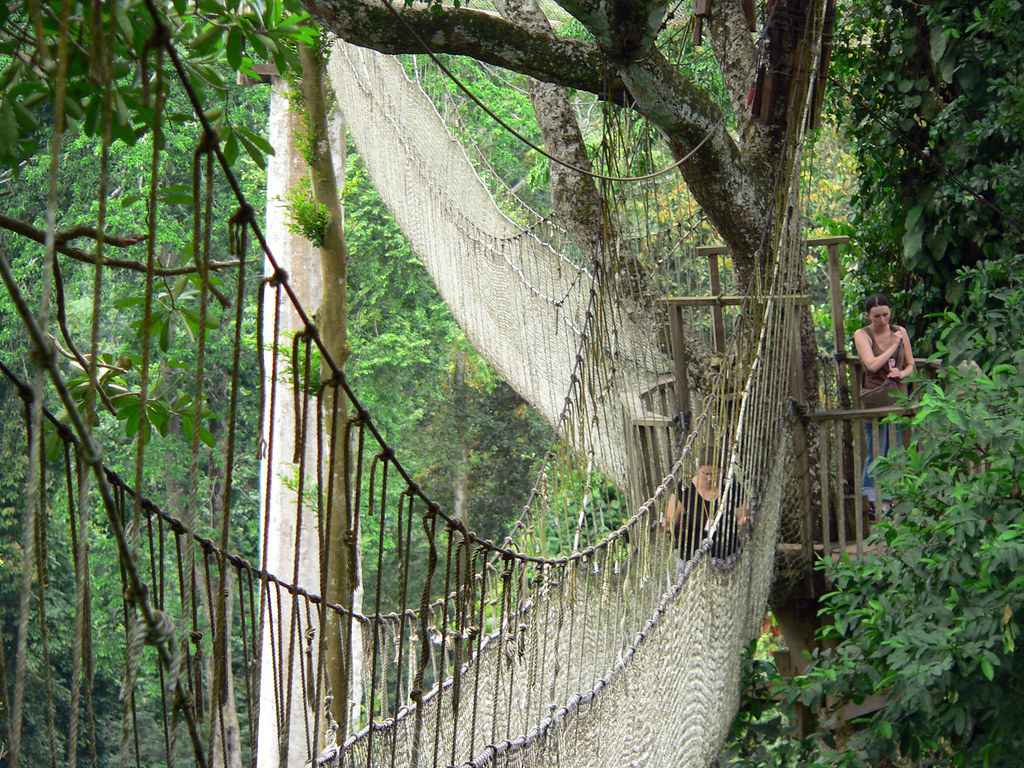
Kakum National Park protects 375 square kilometers of tropical rainforest thirty-three kilometers north of Cape Coast. Its headline draw is the canopy walkway, suspended forty meters above the jungle floor across seven wooden rope bridges.
The golden rule for Kakum is simple: arrive between 6:00 AM and 7:30 AM. The gates open at dawn, and walking onto the bridges in the cool morning mist is nothing short of magical.
By 10:30 AM, convoys of large school buses and tour vans arrive from Accra. The wooden bridges begin creaking under heavy foot traffic, and the chatter sends hornbills, mona monkeys, and butterflies scattering deep into the virgin canopy.
The standard adult foreigner fee for the canopy walkway is GH₵ 130.00 (roughly $11.00 USD), with an optional GH₵ 20.00 charge for the ground-level botanical nature trail. Be prepared for a brisk, moderately steep twenty-minute uphill hike on rocky clay trails before reaching the first suspension platform.
Wear sturdy walking shoes with good grip. Red forest mud becomes remarkably slippery after overnight coastal rain.
If you suffer from severe vertigo or heart conditions, stick to the guided ground trails. Once you step onto the swaying suspension netting thirty meters up, the only way forward is across all seven bridges.
How Should Diaspora Travelers Emotionally Prepare for the Door of No Return?
For travelers of African descent, standing inside the slave dungeons of Cape Coast and Elmina is not standard sightseeing. It is a profound, somber ancestral pilgrimage that carries immense emotional weight.
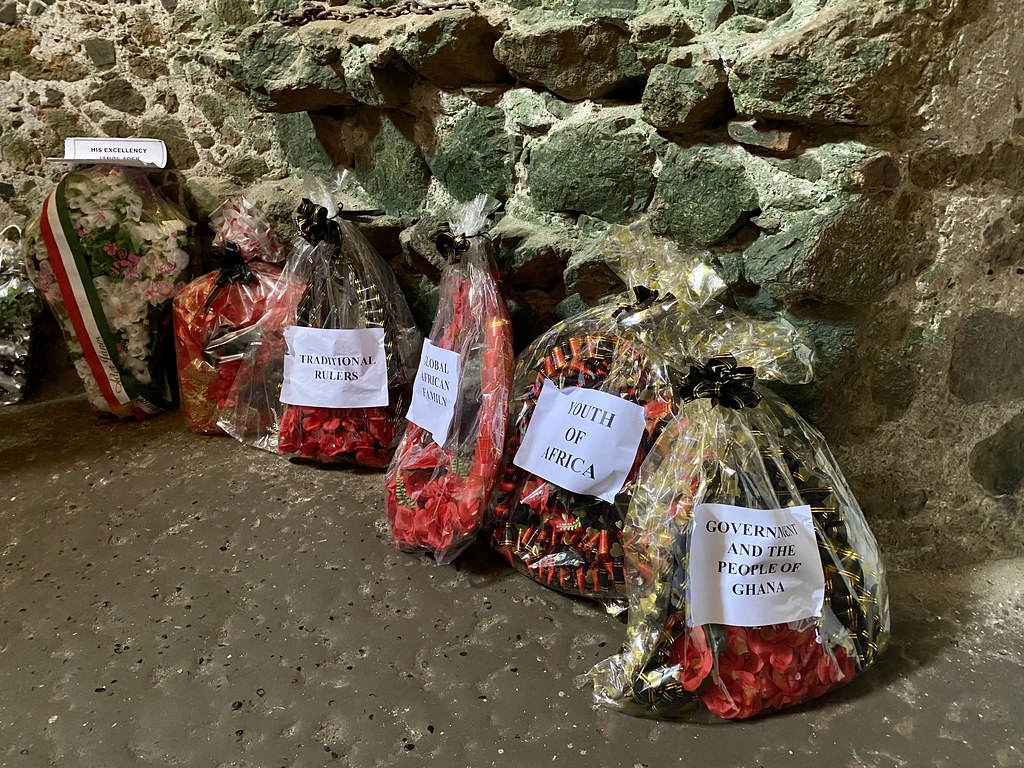
Walking into the subterranean male and female dungeons brings a sudden drop in light and a thick rise in humidity. The air smells of damp ancient masonry, and the low slit windows show just how little ventilation hundreds of chained captives received for months on end.
The sharpest emotional shock often comes from looking directly upward. The European governors built their airy, sun-filled chapels and living quarters directly above the dungeon ceilings, conducting church services while human beings starved below.
Passing through the narrow portal historically marked as the Door of No Return—now bearing a reverse plaque reading the Door of Return—often triggers tears, silence, or spontaneous prayer. Take all the time you need, and feel free to tell your resident guide beforehand that you wish to pause in reflection.
Prepare yourself also for the sensory whiplash upon exiting the gates. Stepping directly from the quiet grief of the cells into the roaring energy of the fishing beach, with vendors and children calling out, can feel jarring.
For local purchases, guide tips, and seaside fresh coconuts, review our guide to carrying physical cedi cash alongside mobile money to navigate rural vendor transactions without payment delays.
Walk calmly, offer a polite but firm wave if you need quiet space, and let yourself process what you have just witnessed.
What Cultural Sites Should You Visit Beyond the Castles?
The Central Region contains cultural treasures that the single-day tour crowds routinely drive straight past. Exploring them gives you a richer understanding of Fante heritage.
In Elmina’s old quarters, look for the striking Posuban shrines. These colorful, elaborate concrete monuments serve as the ceremonial headquarters for the Fante Asafo military companies, decorated with statues of soldiers, sea creatures, and European naval ships.
Forty kilometers north of Cape Coast along the highway to Kumasi lies Assin Manso Ancestral Slave River Park, known locally as Donkor Nsuo. This peaceful, shaded riverbank was the site of the ‘Last Bath’, where captured ancestors were washed and inspected before being marched down to the coastal dungeons.
If you are continuing north into the Ashanti Kingdom in Kumasi, Assin Manso makes an essential, deeply moving stop on your overland journey.
Before stepping into the waters of the sacred river at Assin Manso, visitors slip off their footwear as a mark of respect for the ancestors who rested there.
What Is the Best Way to Travel from Accra to Cape Coast?
Public transit between Accra and Cape Coast is frequent, dependable, and very affordable if you know which station to choose.
The most comfortable option is the Intercity STC executive coach departing from the Ring Road West terminal in Accra. Tickets cost roughly GH₵ 75.00 to GH₵ 85.00 ($6.00 to $7.00 USD), offering air-conditioned comfort, assigned seating, and luggage storage.
Shared commercial minivans, known locally as trotros, depart continuously from Kaneshie station in western Accra. A trotro seat costs approximately GH₵ 45.00 to GH₵ 55.00, but vans do not depart until every single seat is filled, and legroom is minimal.
Moving between Cape Coast and Elmina is effortless. Shared trotros running along the coastal road charge about GH₵ 10.00 to GH₵ 15.00, while a private chartered taxi drop costs roughly GH₵ 40.00 to GH₵ 60.00.
To understand how these transit fares align with everyday expenses, see our breakdown of the street-level purchasing power of foreign currency in Ghana.
Always catch an early morning departure from Accra between 5:30 AM and 6:30 AM. Beating the morning rush out past Kasoa saves you hours of exhausting highway gridlock.