
Planning a trip to Ghana invariably leads to a fundamental question: is Ghana expensive to visit? The realistic answer depends entirely on your travel archetype, the season you land, and whether you embrace local infrastructure or insulate yourself within an expat-geared bubble. While Ghana offers accessible living costs for travelers comfortable taking shared transit and eating local staples, premium tourism services, imported goods, and peak holiday travel carry significant international price tags.
In broad terms, independent backpackers can comfortably explore the country on $40 to $60 (GH₵ 470 to GH₵ 720) per day. Mid-range cultural travelers enjoying private air-conditioned accommodation, reliable ride-hailing, and sit-down dining should budget $120 to $220 (GH₵ 1,400 to GH₵ 2,600) per day. Meanwhile, luxury visitors and travelers arriving for the December festival season (“Detty December”) easily spend $350 to $650+ (GH₵ 4,100 to GH₵ 7,800+) per day once high-end serviced apartments, private vehicle hire, and VIP nightlife are accounted for.
Before mapping out your daily spending, it is critical to familiarize yourself with how to handle cash, MoMo, and ATM fees in Ghana. Because foreign credit cards incur local operator surcharges and informal merchants operate strictly on physical currency or Mobile Money, managing your payment rails directly impacts your bottom line.
Fixed Pre-Trip Expenses: Visas, Flights, and Health Entry
Every Ghana travel budget begins well before arrival at Kotoka International Airport (KIA) in Accra. These non-negotiable fixed outlays represent a substantial percentage of your overall vacation investment:
| Fixed Expense Category | Estimated Cost (USD) | Operational Context & Key Details |
|---|---|---|
| Ghana Tourist e-Visa | $260 USD | Standard single-entry tourist visa via the official Ghana Immigration Service portal (evisa.immigration.gov.gh). Avoid relying on unannounced holiday visa-on-arrival rumors; emergency arrival approvals cost $200+ and require advance pre-boarding clearance. |
| Yellow Fever Certificate | $0 – $150 USD | Mandatory entry requirement. Physical yellow health cards are strictly checked by Port Health officers prior to immigration. Ensure vaccination is administered at least 10 days before travel. |
| Peak Flight: Detty December | $1,800 – $2,500+ USD | Direct flights from major hubs (JFK, IAD, LHR) between December 10 and January 10 surge significantly due to global diaspora demand. Booking 4–6 months in advance is essential. |
| Shoulder/Low Season Flight | $900 – $1,300 USD | Travel between March and May or September and October offers the lowest transatlantic and European airfare rates. |
| Travel Medical Insurance | $50 – $120 USD | Comprehensive travel health insurance covering emergency evacuation and malaria medical care. |
Daily Spending Brackets: Tiered Travel Archetypes
Once through immigration, daily on-the-ground expenses divide sharply according to your comfort threshold. At central Accra licensed exchange bureaus, $100 USD converts to approximately GH₵ 1,180 to GH₵ 1,220, anchored by the Bank of Ghana baseline rate of GH₵ 11.65. To understand how this conversion translates into street-level meals, transit, and market purchases, consult our itemized breakdown of what $100 actually buys in local Accra markets and eateries.
1. The Backpacker / Ultra-Budget ($40 – $60 / GH₵ 470 – GH₵ 720 per day)
This budget caters to gap-year travelers, overland backpackers, and solo adventurers who prioritize cultural immersion and cost discipline over luxury conveniences:
- Lodging (GH₵ 250 – GH₵ 320 / $20 – $27/night): Clean shared dormitory beds or budget ceiling-fan guesthouses in creative neighborhoods, such as Somewhere Nice in Kokomlemle or Agoo Hostel. Outside Accra, rustic beach huts in Busua or Kokrobite cost around GH₵ 180 to GH₵ 250 per night.
- Food & Dining (GH₵ 100 – GH₵ 140 / $8 – $12/day): Enjoying authentic chop bar cooking. A substantial plate of Waakye with spaghetti, hard-boiled egg, and fried fish costs GH₵ 30 to GH₵ 45, while street-side Red-Red (fried plantains with bean stew) runs GH₵ 25 to GH₵ 35. Chilled fresh coconuts add GH₵ 6 to GH₵ 8 each.
- Local Transit (GH₵ 40 – GH₵ 60 / $3 – $5/day): Riding shared minibuses (trotros) along primary urban corridors (e.g., Circle, Kaneshie, Osu, Accra Central) at GH₵ 5 to GH₵ 15 per hop. Trotros require patience during rush hour but keep transit costs minimal.
- Activities: Self-guided historical walks through old Jamestown, community art gallery visits, and public beach outings (Labadi beach entrance is GH₵ 20 to GH₵ 30).
2. The Mid-Range Cultural Traveler ($120 – $220 / GH₵ 1,400 – GH₵ 2,600 per day)
The sweet spot for travelers seeking comfortable, air-conditioned private rooms, reliable app-based transit, and a balanced mix of traditional dining and contemporary bistros:
- Lodging (GH₵ 800 – GH₵ 1,400 / $70 – $120/night): Private en-suite rooms in boutique guesthouses or well-reviewed mid-tier hotels in central neighborhoods like Osu, Labone, or Dzorwulu. Includes reliable Wi-Fi, air conditioning, and backup power generators.
- Food & Dining (GH₵ 350 – GH₵ 600 / $30 – $50/day): Dining at established Ghanaian and continental restaurants (such as Buka Restaurant, Chez Clarisse, or Vine) where main entrees with sides cost GH₵ 150 to GH₵ 280. Includes occasional coffees and bottled refreshments.
- Local Transit (GH₵ 150 – GH₵ 220 / $13 – $19/day): Point-to-point ride-hailing via Bolt or Uber. Off-peak cross-town rides generally cost GH₵ 40 to GH₵ 75, offering air-conditioned comfort without haggling fares.
- Activities & Entry Fees (GH₵ 120 – GH₵ 250 / $10 – $22/day): Guided cultural excursions, including the Kwame Nkrumah Memorial Park (GH₵ 120 non-resident fee), the National Museum of Ghana (GH₵ 100 non-resident fee), and live music performances at +233 Jazz Club.
3. Luxury Diaspora / Detty December ($350 – $650+ / GH₵ 4,100 – GH₵ 7,800+ per day)
Tailored for travelers seeking high-end hospitality, festival-goers attending Afrochella/AfroFuture, and diaspora returnees celebrating end-of-year festivities:
- Lodging (GH₵ 2,900 – GH₵ 5,300+ / $250 – $450+/night): Upscale serviced apartments in Cantonments or Airport Residential, or luxury hotels like Kempinski Hotel Gold Coast City or Mövenpick Ambassador Hotel. During December peak weeks, short-let rates surge by 40% to 70%.
- Food & Nightlife (GH₵ 900 – GH₵ 2,000+ / $80 – $170+/day): Fine dining at Santoku, Skybar25, or luxury beachfront lounges, combined with VIP table service and craft cocktails along Oxford Street, Bloom Bar, or Front/Back (cocktails range GH₵ 120 to GH₵ 200 each).
- Private Transit (GH₵ 1,200 – GH₵ 1,800 / $100 – $150/day plus fuel): Dedicated full-day private vehicle with driver, ensuring seamless transfers through notorious Accra holiday gridlock.
If you are evaluating your end-of-year travel options across West Africa, compare flight connections and seasonal hospitality surges in our Lagos vs. Accra December holiday route guide.
Regional Price Variations: Accra vs. The Rest of Ghana
One of the most effective ways to balance your travel expenses is stepping outside the capital. While Accra carries a noticeable capital premium on accommodation and dining, regional hubs offer substantial budget relief alongside distinct cultural heritage:
Cape Coast & Elmina (Central Region)
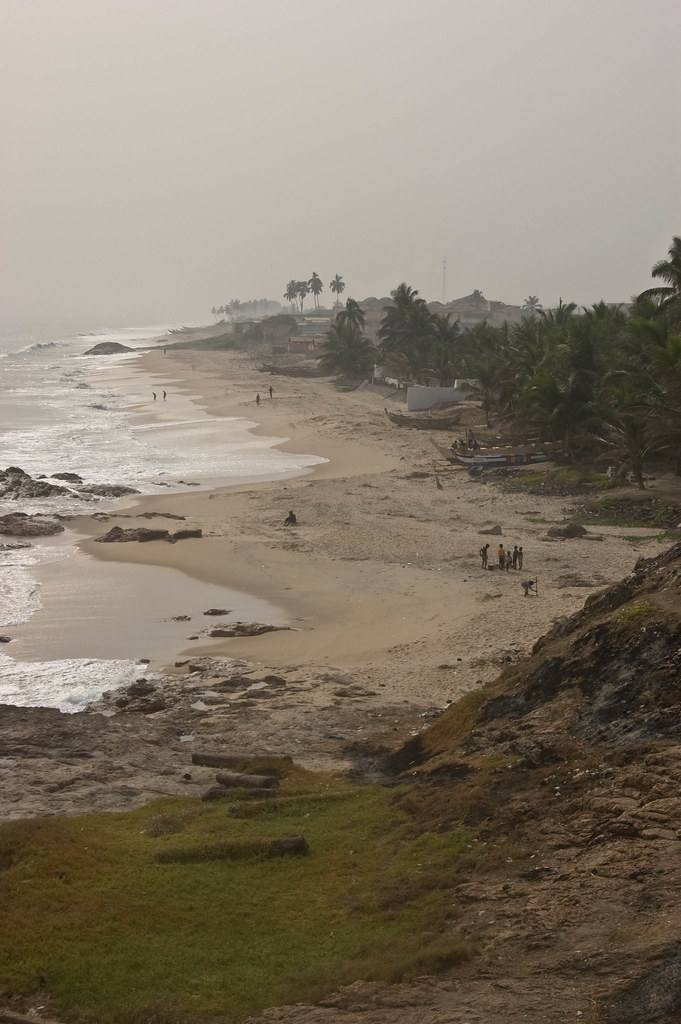
Located roughly 3 to 4 hours west of Accra, the historic Central Region coast provides excellent value. Guesthouses and seaside lodges range from $35 to $60 per night, and freshly grilled ocean fish with banku at local beachside spots costs just GH₵ 40 to GH₵ 70. Reaching Cape Coast via an Intercity STC coach from Accra’s Ring Road West terminal costs approximately GH₵ 70 to GH₵ 85. Primary activity fees include non-resident entry to Cape Coast Castle (GH₵ 80.00) and Kakum National Park’s canopy walkway (GH₵ 130.00). For statutory entry fees, transport schedules, and canopy walk timing, see our Cape Coast, Elmina, and Kakum travel guide.
Kumasi & the Ashanti Heartland
Ghana’s cultural powerhouse offers a 25% lower cost of living compared to Accra. Hotel rooms in prime areas like Ahodwo range from $40 to $75 per night, and traditional Ashanti dishes around Kejetia Market cost GH₵ 25 to GH₵ 35 per plate. Premium intercity coach transit via VIP Jeoun (Circle terminal) or STC costs GH₵ 100 to GH₵ 130 ($8 to $11 USD) each way, making Kumasi an affordable overland excursion.
Mole National Park & the Northern Region
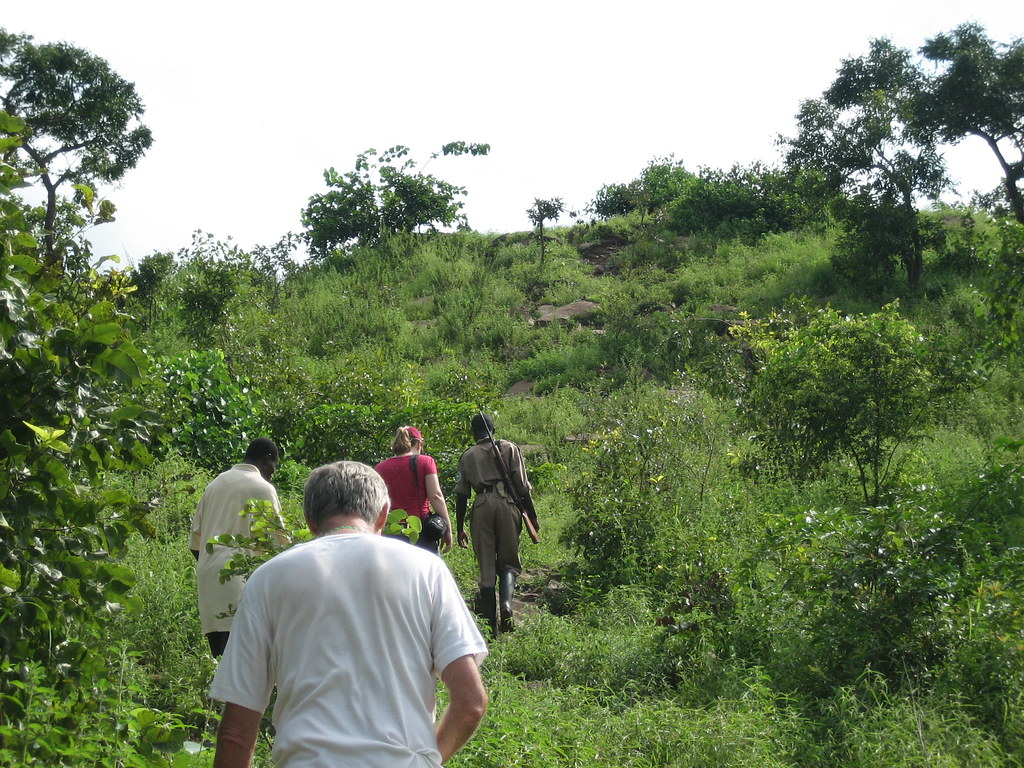
Exploring Ghana’s premier savannah safari park involves higher transportation outlays. Flying from Accra to Tamale via Passion Air or Africa World Airlines (AWA) costs $120 to $180 round-trip. A private taxi from Tamale to Mole National Park runs GH₵ 400 to GH₵ 600. Accommodation inside the park ranges from the affordable Mole Motel ($50 to $80 per night) to the premier eco-luxury Zaina Lodge ($320 to $450 per night, inclusive of game drives).
Two-Week Sample Trip Budgets
To assist with overall trip planning, here is a realistic 14-day total cost projection across each travel tier (combining pre-trip fixed costs with daily spending):
| Budget Component | 14-Day Backpacker Tier | 14-Day Mid-Range Tier | 14-Day Luxury / Diaspora Tier |
|---|---|---|---|
| Visa & Health Clearance | $260 | $260 | $260 |
| International Flights | $1,050 (Low Season) | $1,250 (Shoulder Season) | $2,200 (Peak December) |
| Lodging (14 Nights) | $350 ($25/night) | $1,120 ($80/night) | $4,200 ($300/night) |
| Food & Dining (14 Days) | $140 ($10/day) | $560 ($40/day) | $1,680 ($120/day) |
| Transit (Urban & Intercity) | $70 (Trotros & STC) | $250 (Bolt & STC) | $1,750 (Private Driver/Flights) |
| Sightseeing & Entry Fees | $60 | $180 | $500 (VIP Access & Safari) |
| Total Estimated Vacation Cost | $1,930 USD | $3,620 USD | $10,590 USD |
Practical Budget Optimization Rules for Ghana
Stretching your travel funds in Ghana comes down to observing key economic rules on the ground:
- Monitor Domestic Fuel Benchmarks: Transportation pricing across Ghana is directly tied to fuel prices monitored by the Chamber of Oil Marketing Companies (COMAC). When retail fuel approaches GH₵ 16 to GH₵ 17 per liter, tro-tro unions (GPRTU) implement percentage fare hikes and ride-hailing baseline minimums adjust upward. Factoring fuel trends into your transport buffer prevents unexpected budget shortfalls.
- Carry Crisp Blue Hundred-Dollar Notes: As detailed in our guide on currency exchange and BDCs in Ghana, central exchange bureaus discount older or worn banknotes by 10% to 25%. Bring only flawless post-2013 $100 bills for foreign cash transactions.
- Decline Card Conversion (DCC): When paying with Visa or Mastercard at card terminals in supermarkets, boutique shops, or upscale hotels, always instruct the attendant to process the charge in local Ghanaian Cedis (GHS). Choosing your home currency subjects you to an inflated 7% to 12% Dynamic Currency Conversion margin.
- Balance Chop Bars with Fine Dining: Eating exclusively in air-conditioned diaspora restaurants will drain your budget within days. Incorporating authentic neighborhood chop bars for lunch—savoring waakye or jollof with fresh fruit—saves substantial money while connecting you directly with authentic Ghanaian culinary traditions.