
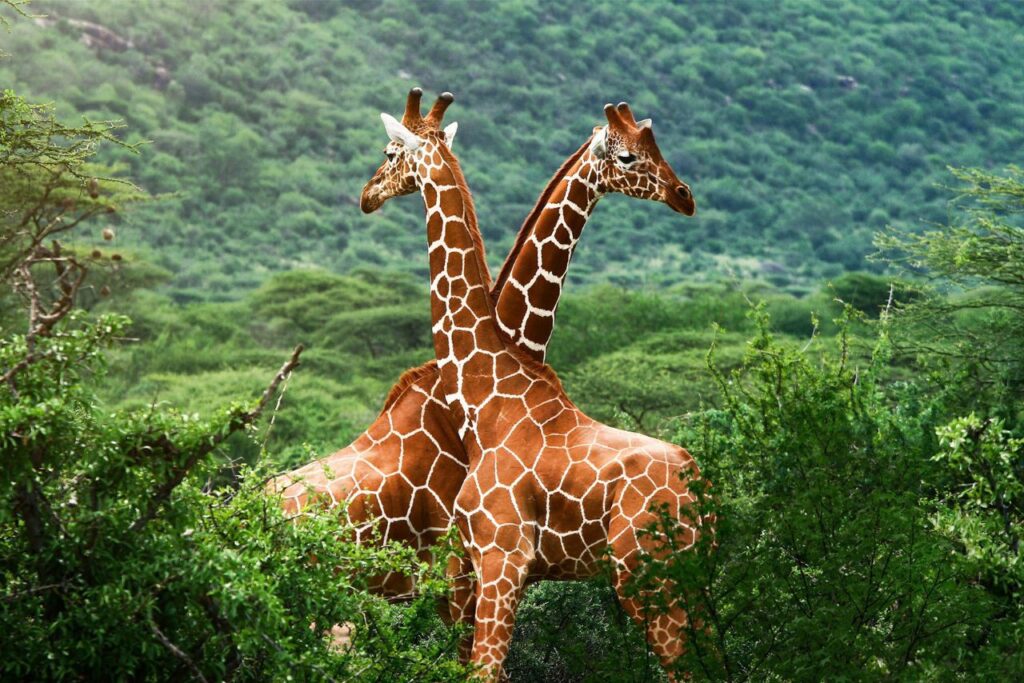
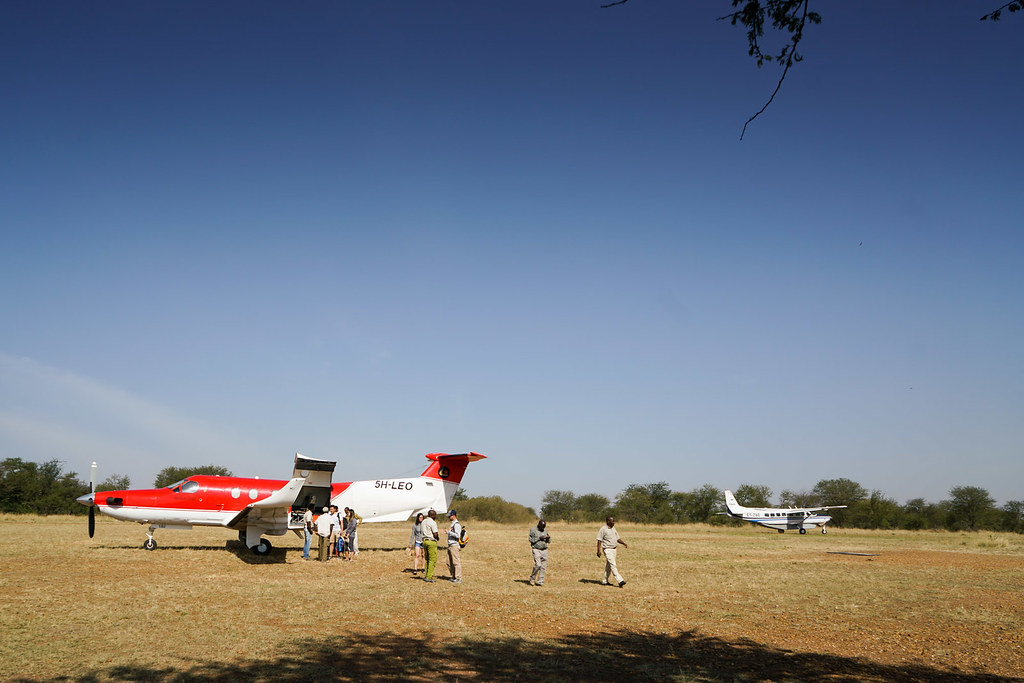
Most travelers plan an African journey through the lens of standard world maps and glossy documentary reels. You picture vast empty plains, acacia trees under golden light, and perhaps a dusty bush plane landing at sunrise. You wonder whether travel here requires military-grade preparation or if it is simply too big to wrap your arms around. You’re thinking right to wonder.
The real continent operates on a scale and vitality that constantly overturns expectations.
Across fifty-four recognized nations and thousands of living cultural corridors, daily life blends deep ancestral kingdoms with hyper-connected tech cities. Ancient rock art shares borders with creative tech corridors. You will find high-altitude glacial peaks rising straight out of equatorial plains, and bustling creative communities setting global musical trends. Africa is neither an open-air museum nor a Hollywood movie set. It is a thriving, complex home.
Here are twenty grounded realities that will reshape how you see the continent before you pack your bags.
That changes everything.
1. True Land Scale: Maps Drastically Shrink the Continent’s Footprint
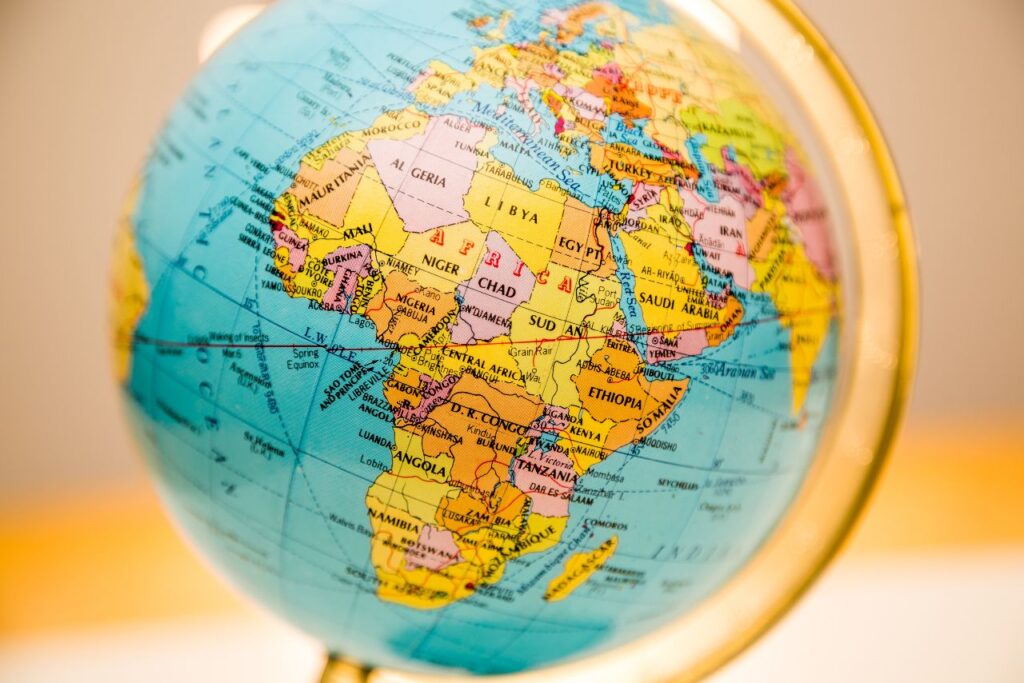
When you sit down with a standard world map to plan a multi-country holiday, your eyes deceive you. The traditional Mercator projection has spent centuries quietly shrinking Africa down to fit neatly beside northern landmasses. Travelers often assume they can hop from Nairobi to Cape Town for a quick long weekend, the way one might take an easy train ride between Paris and Amsterdam.
That assumption unravels fast. In physical reality, Africa spans over 30.37 million square kilometers. You could comfortably fit the entire contiguous United States, China, India, Japan, and all of Eastern and Western Europe within its land borders simultaneously. Distances here are vast. Plan fewer stops. Stay longer.
2. Demographic Momentum: Home to the Planet’s Youngest Population
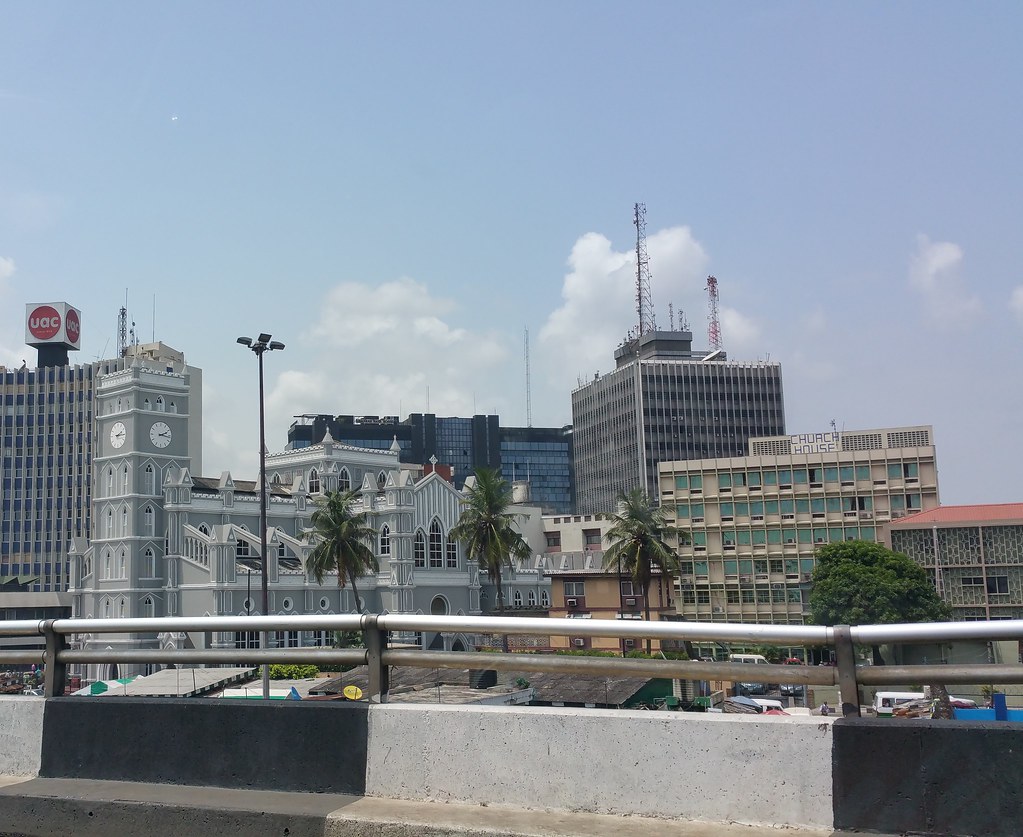
Step out of the terminal in Nairobi or dive into the bustling afternoon streets of Lagos, and the very first thing that hits you is not wildlife or antiquity. It is raw, contagious human energy. Over sixty percent of the entire African population is under the age of twenty-five.
While Western capitals grow quietly greyer, African cities run on youthful ambition. From mobile payment apps invented along Nairobi’s tech corridors to recording studios churning out global hits in Lagos and Johannesburg, everyday life moves with kinetic speed. The future is being built in real time. It makes you pause.
3. The Deep Human Origin: Fossils Dating Back Millions of Years
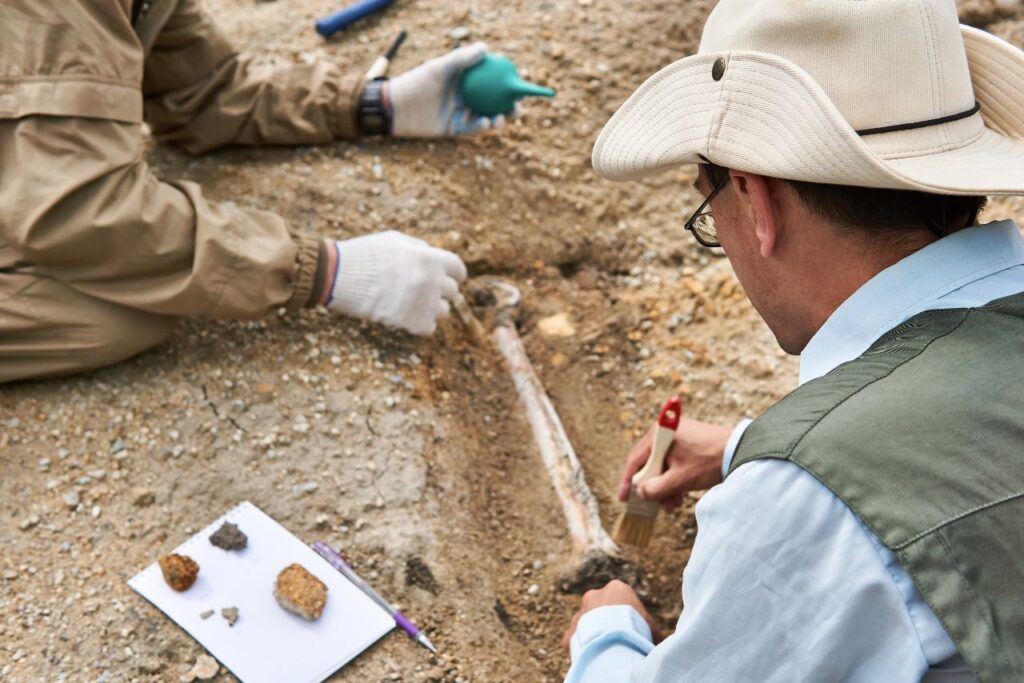
We spend our lives traveling across oceans to explore foreign destinations, but visiting East and Southern Africa is the one journey that actually brings you home. The Great Rift Valley holds the earliest evolutionary footsteps of our collective human species.
Fossil discoveries in Tanzania’s Olduvai Gorge, Ethiopia’s Afar triangle, and South Africa’s Cradle of Humankind reach back millions of years. Looking down at hominid footprints fossilized in ancient volcanic ash cuts through modern noise. Straightforward and deeply humbling. We all started right here.
4. Linguistic Superpower: A Third of the World’s Spoken Tongues
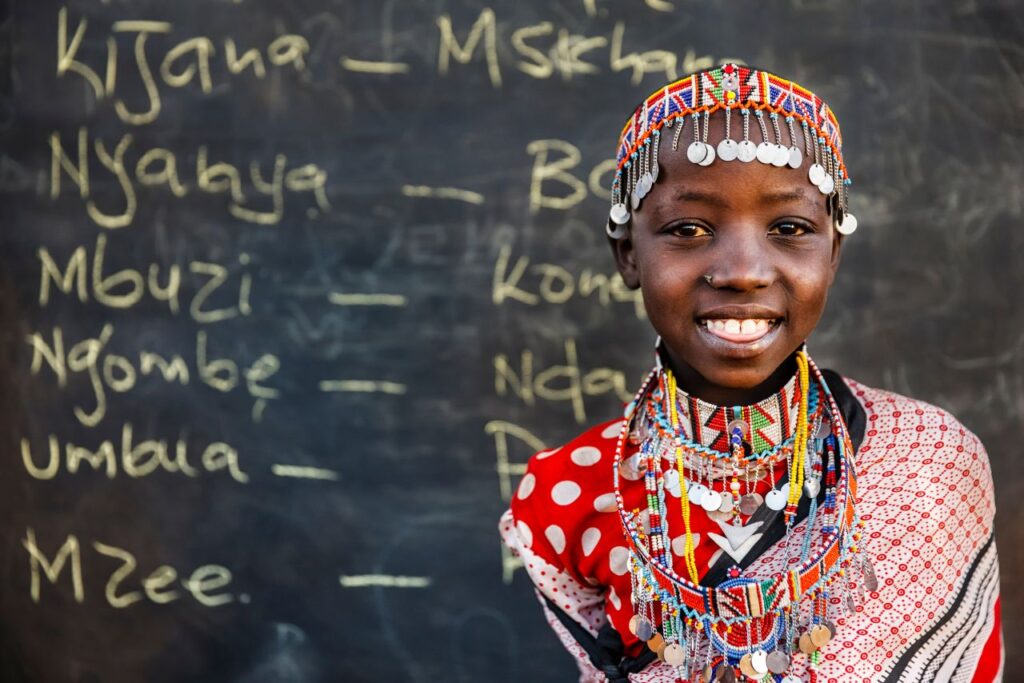
Ask a street food vendor in Dakar or a safari spotter in Botswana for directions, and you will likely hear them glide between three or four languages before they finish their sentence. Between 1,500 and 2,000 living languages thrive across the African continent, representing nearly a third of all human speech.
Nigeria alone is home to over five hundred distinct indigenous languages, while South Africa proudly recognizes twelve official tongues. Most Africans navigate multilingual daily life with instinctive warmth and zero pretension. Nobody is keeping score. A warm smile bridges every gap.
5. Megacities on the Rise: Urban Energy From Lagos to Cairo
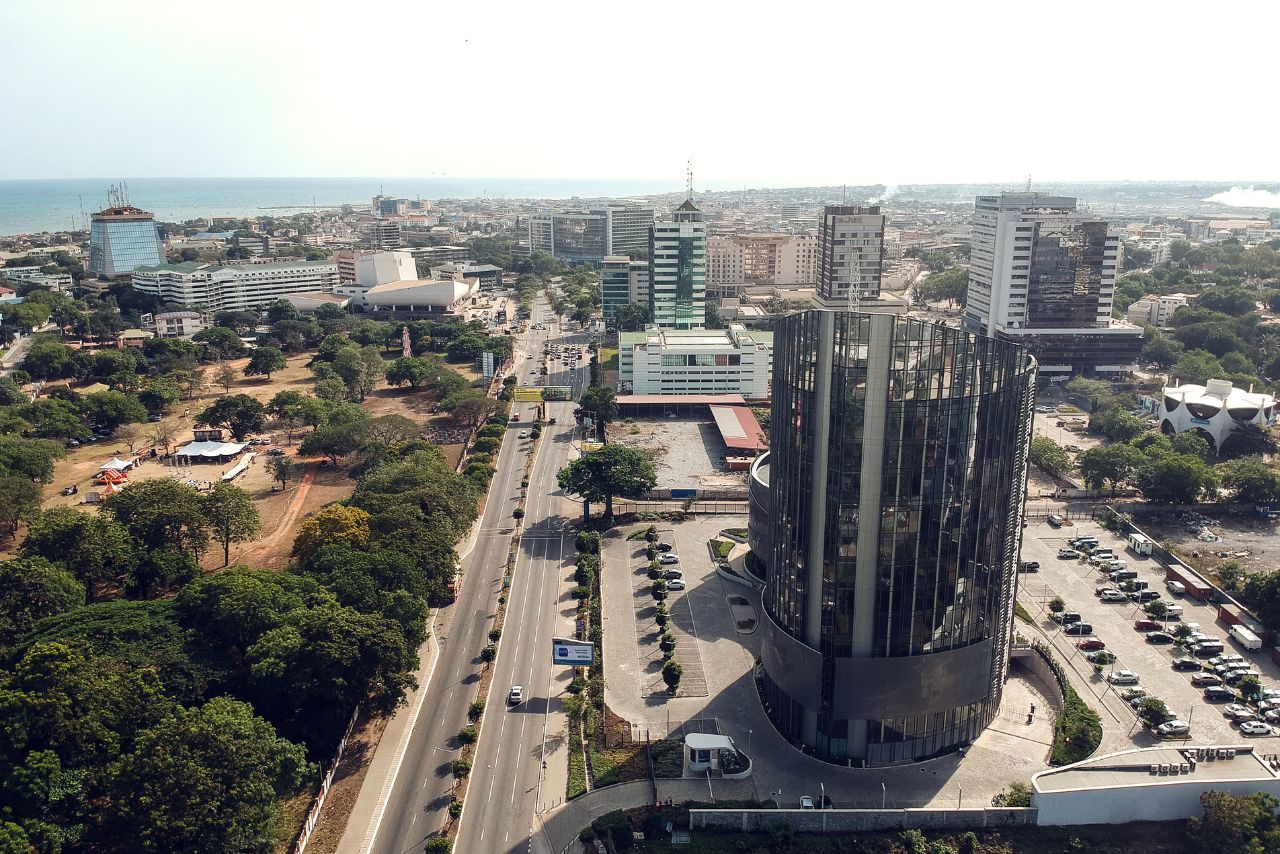
If your mental picture of Africa consists solely of quiet national parks and thatched safari tents, landing in Cairo, Kinshasa, or Lagos will delightfully upend your thinking. Africa is urbanizing faster than any other region on the planet.
These sprawling urban centers house upwards of fifteen to twenty million residents each. They anchor world-class contemporary art galleries, rooftop culinary scenes, fashion runways, and frantic morning markets. Experiencing the city’s pulse is just as vital as heading out on safari. Urban Africa does not sleep.
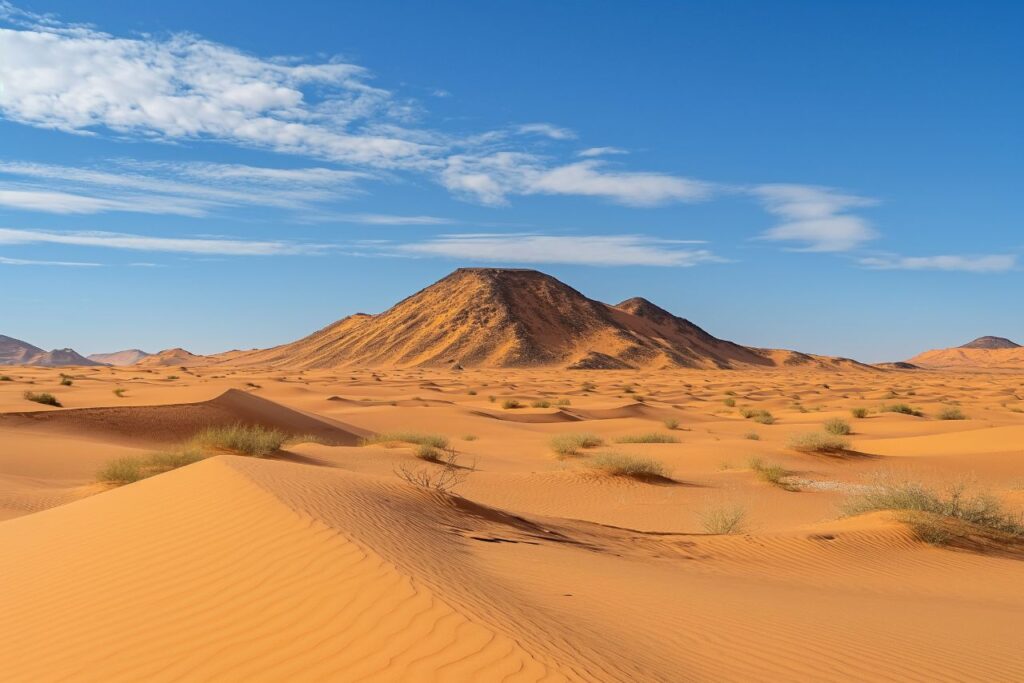
6. The Living Sahara: Ancient Rock Art and Shifting Dunes
Mention the Sahara and people immediately imagine an empty, punishing furnace where nothing has ever survived. Leave that cinematic myth behind. While the modern Sahara matches the entire United States in geographic area, it was not always a sea of blowing dunes.
Hidden rock faces in Algeria’s Tassili n’Ajjer plateau preserve thousands of prehistoric paintings depicting green river valleys, swimming hippopotamuses, and grazing cattle herds from just six thousand years ago. The desert breathes on geological cycles. That contrast sticks with you.
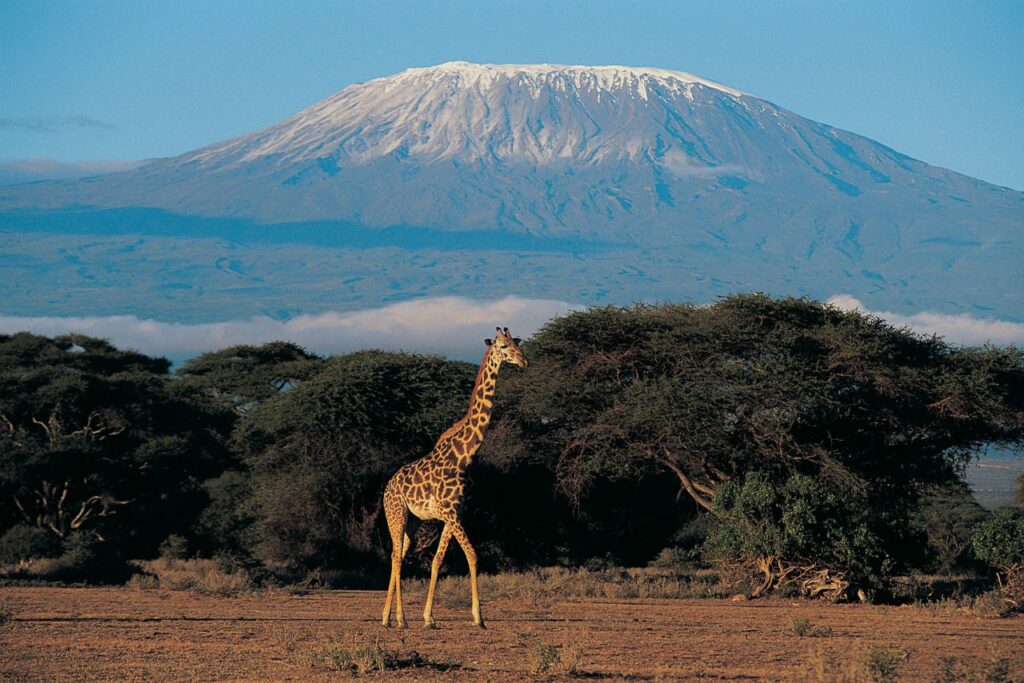
7. Kilimanjaro’s Climatic Miracle: Five Ecosystems on One Peak
Most mountains offer one or two climates. Mount Kilimanjaro packs five distinct ecological worlds onto a single volcanic massif. Rising 5,895 meters above the warm Tanzanian plains, it is the highest free-standing mountain on Earth.
Trekkers start in lush montane rainforest, climb through giant heather moorlands, cross stark alpine desert, and finish amid arctic glaciers at the summit rim. Nearby in the Rift Valley, Ol Doinyo Lengai erupts cool black-red natrocarbonatite lava that cools to brilliant white ash. Nature takes no shortcuts here. Worth knowing.
8. Wildlife Marvels: Endemic Species Thriving Across Protected Biomes
Seeing wildlife on a television screen cannot prepare you for the physical sensation of sitting in an open game vehicle while hundreds of thousands of animals move across the horizon. The Great Migration moves over 1.5 million wildebeest and zebras across the Serengeti-Mara ecosystem every single year.
Beyond famous game reserves, remote mountain forests protect endangered mountain gorillas, elusive okapis, and rare Ethiopian wolves. Practical community conservation partnerships keep these ancient animal highways open. Respect the silence of the bush. The wilderness provides.
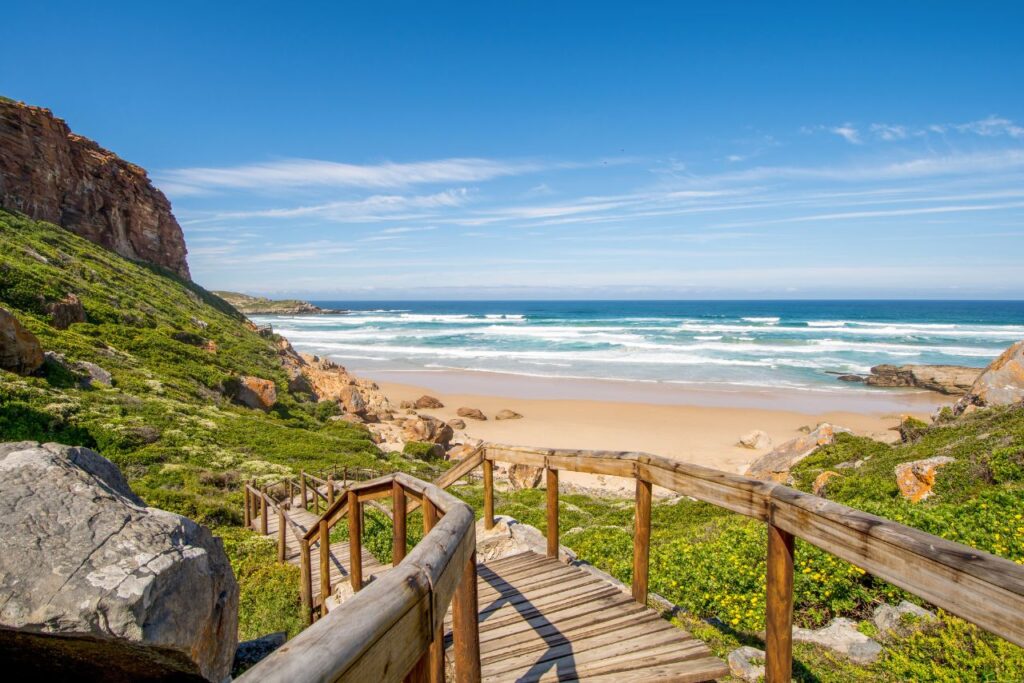
9. Pristine Coastlines: Untamed Shores Along Two Great Oceans
When travelers plan beach holidays, their thoughts often drift straight to the Mediterranean or Southeast Asia. That oversight is your greatest advantage. From the spice-scented alleyways of Zanzibar to the untouched sands of Mozambique, exploring the unspoiled coastal hideaways in Africa reveals world-class coral reefs and powder-white sand with almost no tourist crowds.
Traditional wooden dhows glide past coral archipelagos under white triangular sails just as they have for a thousand years. The ocean breeze is cool, the seafood is fresh from the morning catch, and the water is bathtub warm. It works beautifully.
10. Mineral Riches: Powering Global Energy and Craft
We often talk about ancient craftsmanship, but few travelers realize just how much of the modern world in their pocket originates directly from African soil. The continent holds immense reserves of platinum, cobalt, lithium, and rare earth minerals.
The smartphone you use to snap travel photos and the electric vehicles quietly reshaping global transit rely heavily on resources mined in Central and Southern Africa. A growing movement across African nations is keeping refining and craft local. A welcome and sensible shift.

11. Living Traditions: Celebrations Passed Down Through Centuries
African cultural traditions are never museum pieces gathering dust behind glass cases. They are alive, vibrant, and celebrated out in the open air. Festivals bring whole communities together in shared pageantry and dance.
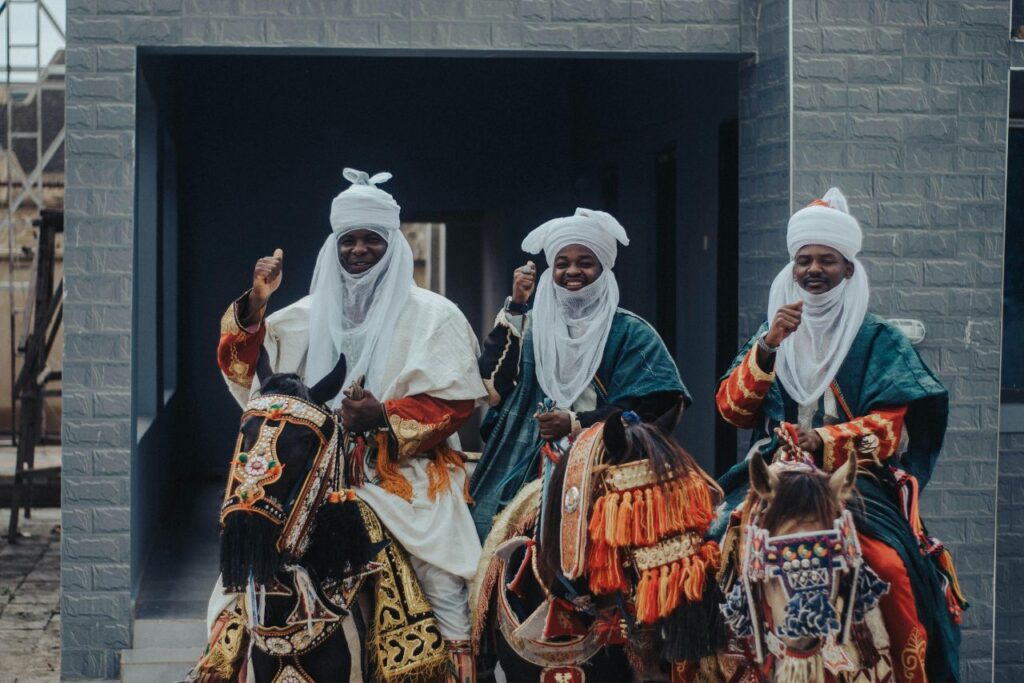
During Timkat in Ethiopia, thousands of pilgrims clad in pristine white cotton robes escort sacred tabots through ancient streets with song and brass bells. In northern Nigeria, the royal Durbar gathers thousands of mounted horsemen in embroidered silks. These celebrations honor centuries of identity. Deeply moving to witness.
12. The Congo Basin: Earth’s Deepest River and Second Green Lung
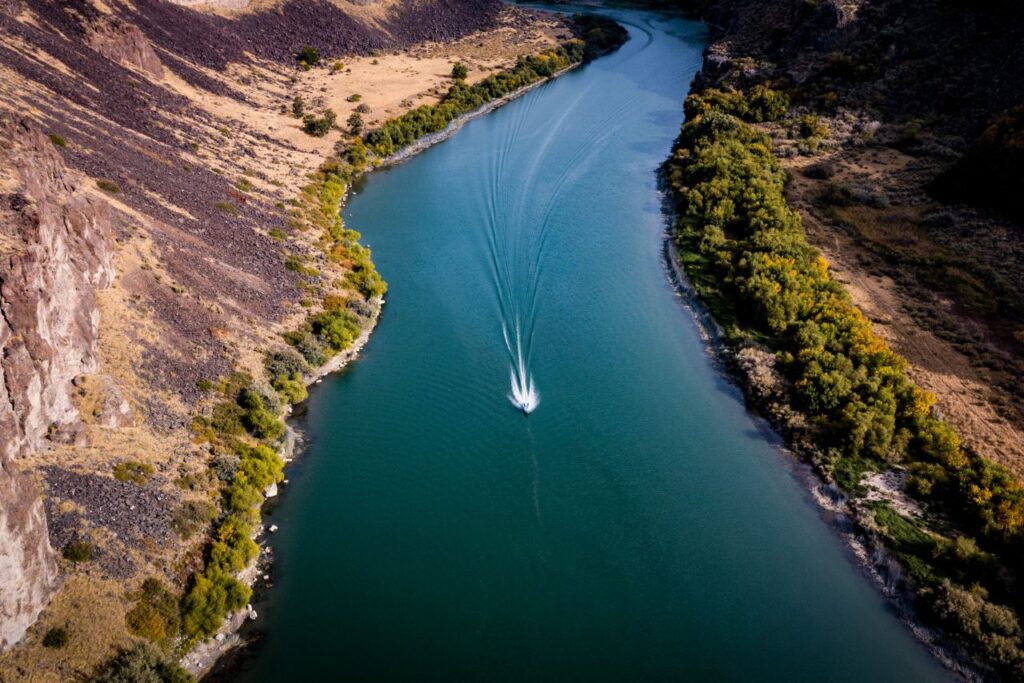
Flowing through the equatorial heart of Central Africa, the mighty Congo River is a natural giant. In certain gorges, its churning waters plunge to depths exceeding 720 feet (220 meters), making it the deepest river on Earth.
The surrounding Congo rainforest basin forms our planet’s second largest tropical carbon sink, breathing life across continents. Across a single mile of wide water, Kinshasa and Brazzaville face each other as the world’s closest capital cities, sharing river ferries instead of a bridge. The river sets the rhythm.
13. Waterway Anomalies: From the Nile to the Boomerang Niger River
The legendary Nile flows north across 6,650 kilometers through eleven countries, sustaining civilizations from the East African lakes to the Mediterranean. Yet West Africa’s Niger River possesses perhaps the strangest geography on Earth.
Rising in the Guinea highlands just 150 miles from the Atlantic ocean, the Niger does not take the easy path to the sea. Instead, it flows northeast straight toward the Sahara Desert, forms a massive inland delta, loops in a giant U-turn, and travels 2,600 miles through Nigeria before meeting the ocean. Nature rarely takes the obvious path. That makes it special.
14. Ancient Centers of Learning: Pyramids and Historic Universities
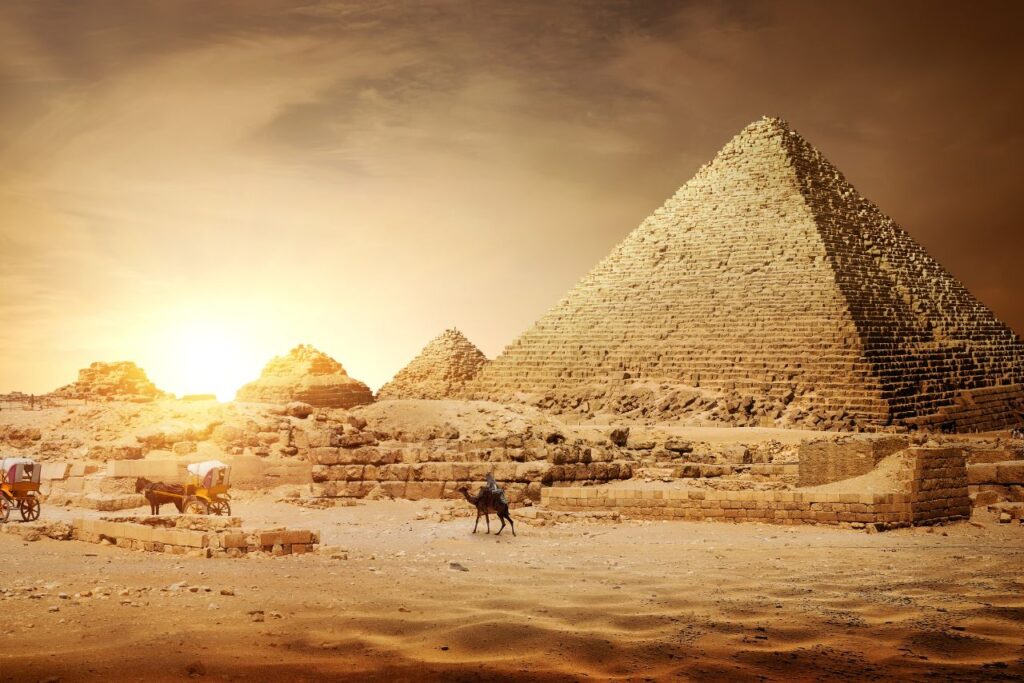
Ask almost anyone where the world’s ancient pyramids are, and they will point straight to Giza in Egypt. But that is only half of the story. Just south of the border, Sudan is home to over 250 ancient pyramids built by the Kingdom of Kush at Meroë—nearly double the number found in Egypt.
You can walk among these steep-sided sandstone monuments with virtually no tour buses in sight. Meanwhile in Morocco, the University of al-Qarawiyyin in Fez has granted degrees continuously since 859 AD, making it the oldest university on Earth. Centuries of scholarship run deep.
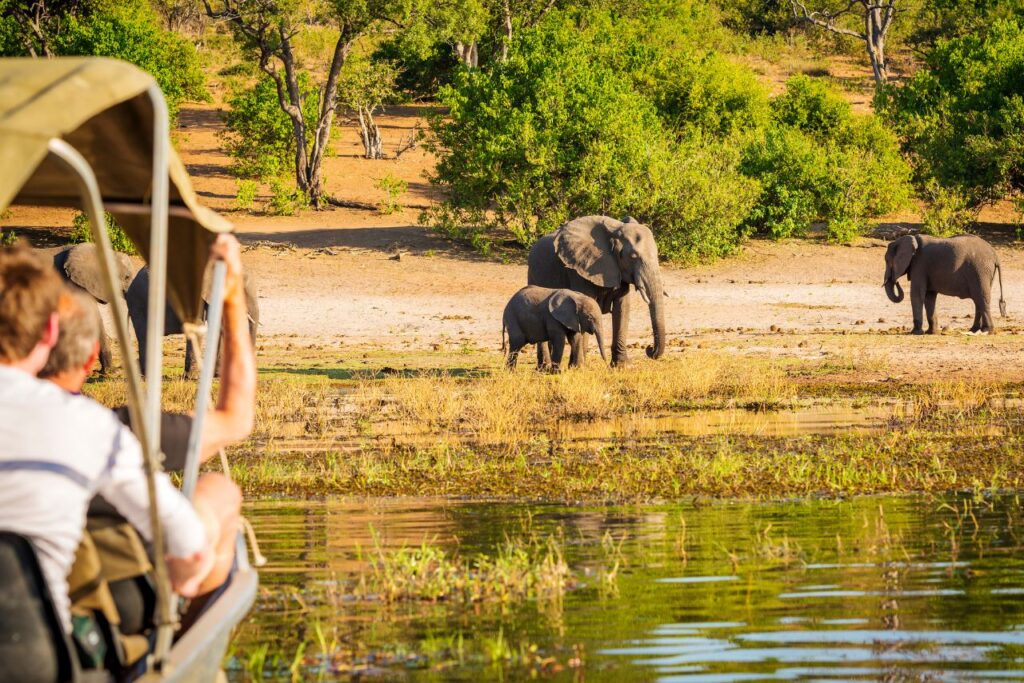
15. Gentle Giants: Elephants as Natural Ecosystem Architects
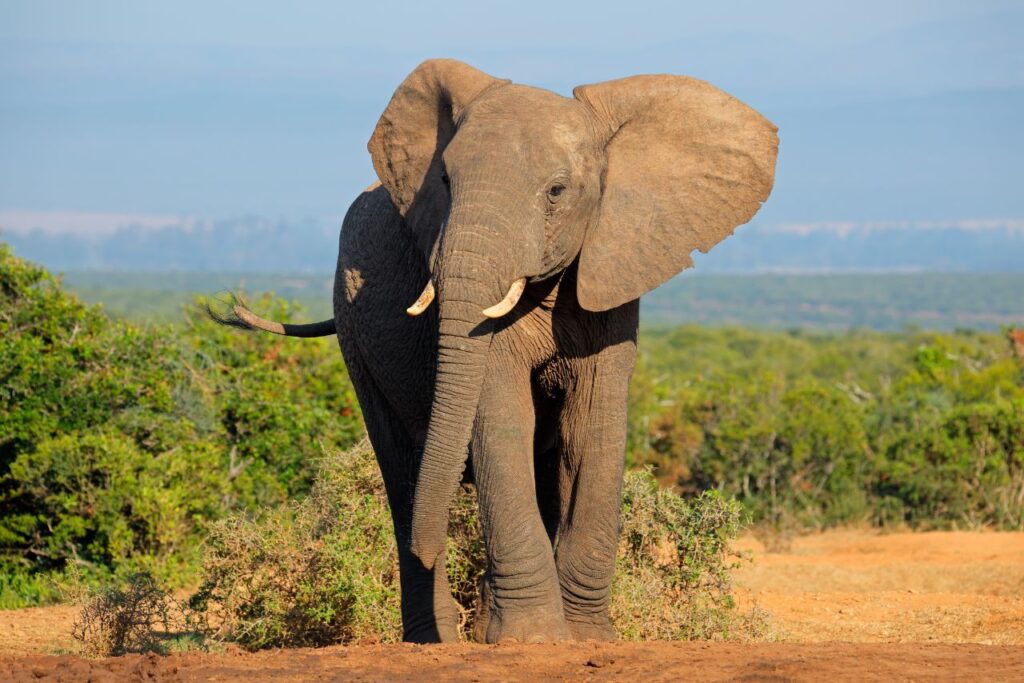
African bush elephants are the largest land animals walking the Earth, with bulls weighing up to six tons. But watch an elephant herd move through the dry bush, and you will discover they are not merely animals roaming the savanna. They are master landscape architects.
During long dry seasons, elephants dig deep into sandy riverbeds with their tusks, exposing fresh water holes that keep countless smaller birds and mammals alive. They clear dense brush, disperse hardy seeds, and keep grasslands open. Without them, the entire ecosystem stalls. The bush remembers.
16. Flavor Origins: Wild Highland Arabica and Equatorial Cocoa
If you cannot start your morning without a rich espresso or unwind with dark chocolate, you owe your daily routine to equatorial Africa. Wild Coffea arabica was born in the misty highland cloud forests of southwestern Ethiopia.
Meanwhile, Côte d’Ivoire and Ghana produce nearly sixty percent of the entire planet’s cocoa harvest. Taking part in a traditional Ethiopian coffee ceremony—smelling green beans roasted over coals and served in tiny ceramic cups—turns a morning habit into a moment of genuine connection. Simple, honest, and unforgettable.

17. Isolated Archipelagos: Microclimates From Madagascar to Cabo Verde
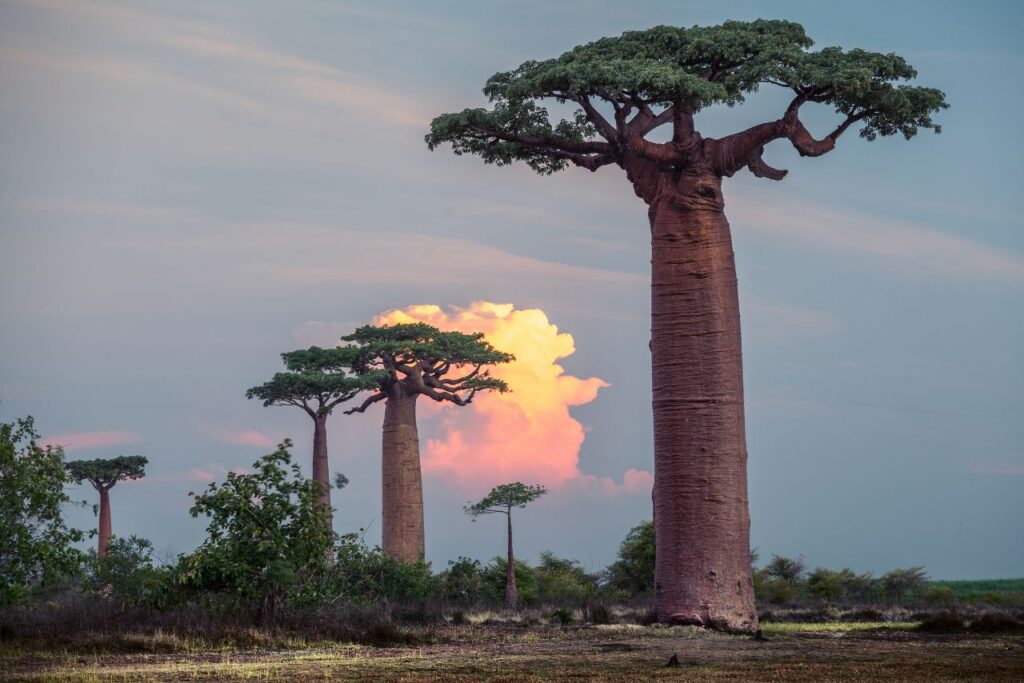
Madagascar broke away from continental landmasses eighty-eight million years ago, evolving into a living biological sanctuary. As a result of this deep isolation, roughly ninety percent of its plants and wildlife exist nowhere else on the planet.
From singing indri lemurs in misty rainforests to the majestic baobab avenues of Morondava, it feels like an entirely separate planet. Across other coastlines, archipelagos like São Tomé, Seychelles, and Cabo Verde offer volcanic peaks, endemic birds, and crystal marine reserves. Pack light. Explore slowly.
18. Global Rhythms: How Traditional Beats Shape Modern Pop
Long before Afrobeats artists began selling out London’s O2 Arena and Madison Square Garden, traditional African polyrhythms were already the bedrock of global music. The syncopated timing brought across the Atlantic birthed the blues, jazz, reggae, and salsa.
Today, South African Amapiano and West African Afrobeats dominate international streaming charts and festival stages worldwide. Walk into a cafe or open-air bar anywhere from Accra to Nairobi, and the infectious rhythm will carry your evening. Music here is communal oxygen.
19. Overland Heritage: Historic Rail Journeys Through Vast Vistas
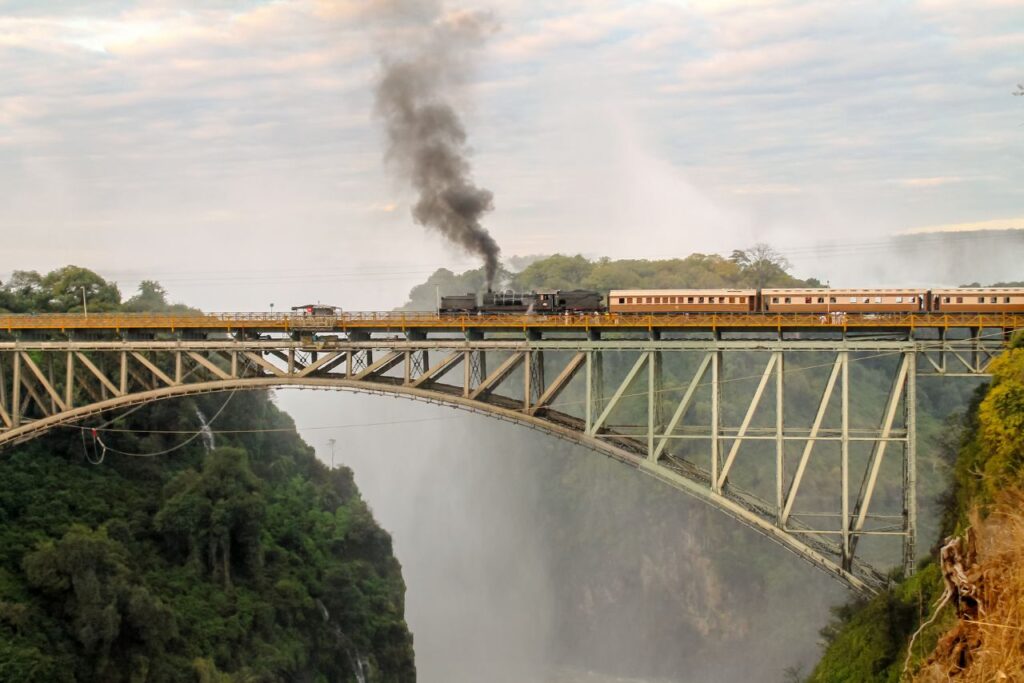
Hopping on domestic flights is convenient, but traveling by rail lets you truly feel the scale of the continent passing beneath your feet. Riding Kenya’s modern Madaraka Express from Nairobi down to Mombasa carries you straight through Tsavo National Park, where passengers regularly spot elephants and giraffes from their train seats.
Further south, vintage heritage lines wind through the rugged mountains of the Cape and across the high central plateau. Rail journeys force you to slow down, disconnect from your phone, and watch changing biomes roll past. That is travel at its best.
20. The Adventure Frontier: Walking Safaris and Volcanic Treks
The moment you step down from a safari vehicle and place your boots on the earth during a walking safari, everything changes. Your senses awaken. In Zambia’s South Luangwa or Tanzania’s Ruaha, exploring on foot with experienced local guides teaches you to read animal tracks, wind direction, and acacia thorns with quiet respect.
Combine that with exploring visa-free African travel corridors, and multi-country journeys become genuinely accessible. When you approach Africa with patience, curiosity, and openness, the continent welcomes you with open arms. Leave the clichés behind. Come see for yourself.


One Response
Hello there, You have performed an incredible job. I’ll definitely digg it and in my opinion suggest to my friends. I am sure they will be benefited from this web site.