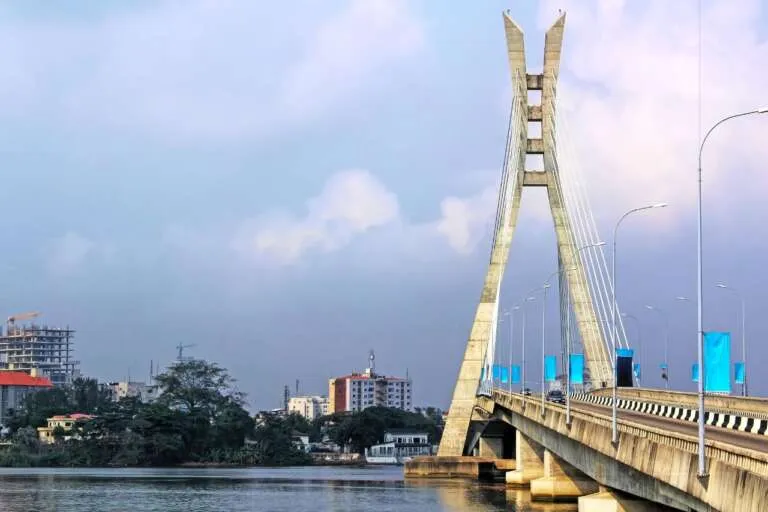
Lagos Island forms the historical nucleus, architectural cradle, and commercial engine of Nigeria’s coastal megacity. Enclosed by the waters of Lagos Lagoon and the Atlantic harbor, this bustling district preserves centuries of cultural memory within its narrow street grids.
From nineteenth-century Afro-Brazilian masonry in Popo Aguda to the bustling open-air textile lanes of Balogun Market, exploring the island reveals layers of resilience and creativity. Official urban conservation initiatives by the Lagos State Government continue to protect these monumental districts as core keystones of West African heritage.
Evaluating Historic Lagos Island’s Cultural, Heritage and Market Enclaves
This comparative reference outlines the essential historical landmarks, cultural institutions, and commercial corridors across Lagos Island, detailing operational schedules and practical access profiles.
| Landmark & Quarter | Core Significance | Operating Hours | Admission & Access Fees | Transit & Walking Realities |
|---|---|---|---|---|
| Freedom Park Lagos (Broad Street Corridor) |
Colonial prison site transformed into a memorial arts and cultural center | Daily: 10:00 AM – 10:00 PM | ₦1,000 general admission; Concert ticket supplements vary |
Accessible via Broad Street; pedestrian-friendly interior with secure parking |
| Brazilian Quarter (Popo Aguda / Kakawa Axis) |
19th-century Afro-Brazilian architecture including Water House & Shitta-Bey Mosque | Exterior: Daylight hours Mosque: Prayer times |
Free walking access; Guided walking tours optional |
Dense pedestrian alleys off Broad Street; best navigated on foot with a local guide |
| Cathedral Church of Christ (CMS Marina Waterfront) |
Anglo-Norman Gothic cathedral established in 1867 overlooking the harbor | Mon–Fri: 9:00 AM – 4:00 PM Sun: Worship services |
Free admission; Respectful church attire required |
Direct access off Marina; adjacent to CMS bus terminal and ferry jetty |
| National Museum Lagos (Onikan Cultural Zone) |
Premier repository of Nok terracottas, Benin bronzes, and Nigerian antiquities | Daily: 9:00 AM – 4:00 PM | ₦500–₦1,000 entry fee | Located along King George V Road; spacious gated grounds opposite City Mall |
| Balogun & Idumota Markets (Martins & Docemo Streets) |
West Africa’s largest wholesale bazaar for laces, textiles, shoes, and jewelry | Mon–Sat: 8:00 AM – 6:00 PM | Free access; Bargaining expected on all wares |
High-density pedestrian congestion; secure bags and use electronic bank transfers |
| Glover Memorial Hall (Customs Street / Marina) |
Historic Victorian performance hall established in 1899 for theater and arts | Event-dependent schedules | Performance ticket pricing varies | Located near Tinubu Square; ride-hailing drop-offs recommended |
| Tafawa Balewa Square (TBS) (Onikan Gateway) |
Ceremonial independence parade ground featuring monumental equestrian statues | Daily: 8:00 AM – 8:00 PM | Free public access; Event arena rentals separate |
Major public transit interchange; multiple gated entrances across Onikan |
| CMS Marina Ferry Terminal (Waterfront Esplanade) |
Water transit hub connecting Lagos Island to Apapa, Victoria Island, and Ikorodu | Daily: 6:00 AM – 7:00 PM | Ferry fares: ₦500–₦2,000 | Situated directly along the Marina coastline; integrated with Cowry card transit |
Freedom Park Lagos: Transforming Colonial Confinement into Artistic Freedom
Standing along Broad Street on the historic site of Her Majesty’s Broad Street Prison built in 1882, Freedom Park represents one of Africa’s most remarkable architectural regenerations. Commissioned for Nigeria’s 50th independence anniversary, the complex transformed former prison cells and gallows into tranquil fountains, lush gardens, and contemporary art galleries.
Administered under cultural frameworks endorsed by Freedom Park Lagos, the venue hosts open-air live highlife concerts, international theater festivals, and visual art retrospectives at the Wole Soyinka Gallery. Visitors can stroll along tree-lined pathways, explore the museum of political detainees, and enjoy authentic Nigerian pepper soup at the open-air food court.
The Brazilian Quarter (Popo Aguda): 19th-Century Afro-Brazilian Masonry
Tucked within the vibrant core of Lagos Island lies Popo Aguda, the historic Brazilian Quarter settled by emancipated Afro-Brazilian returnees in the mid-nineteenth century. Skilled returnee artisans introduced intricate stucco moldings, arched stone doorways, and ornate wrought-iron verandas that distinctively define the neighborhood’s architectural profile.
Key highlights include the celebrated Water House on Kakawa Street, once home to merchant Candido da Rocha, and the magnificent Shitta-Bey Mosque on Martins Street. Built in 1892 by master builder João Baptist da Costa, the mosque stands as an officially designated National Monument and a testament to transatlantic cultural solidarity.
Cathedral Church of Christ Marina: Anglo-Norman Gothic Splendor
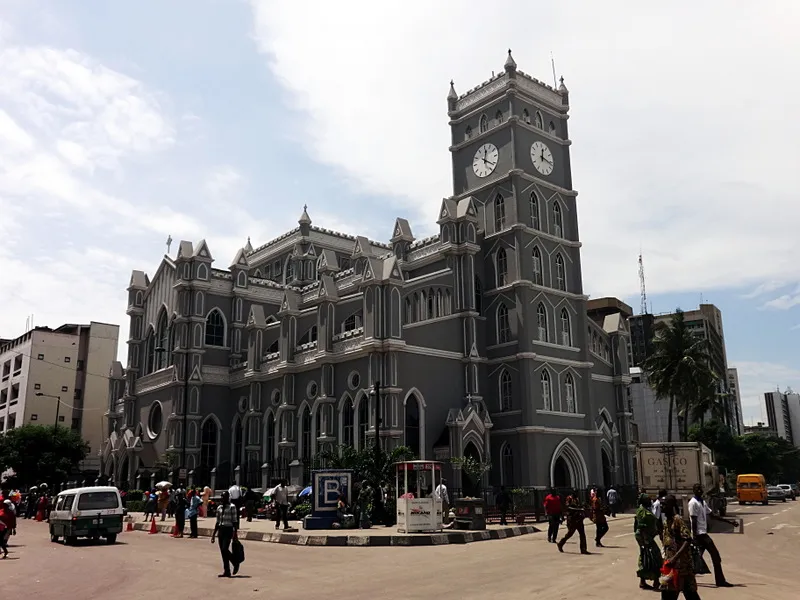
Dominating the Marina waterfront with its towering stone spire, the Cathedral Church of Christ is the oldest Anglican cathedral in Nigeria and a masterwork of Gothic revival architecture. The foundation stone of the present cathedral was laid in 1925 by the Prince of Wales, with construction completed in 1946 using imported granite masonry.
Inside the sanctuary, visitors can marvel at stained glass windows depicting biblical scenes and an imposing pipe organ crafted in England. The cathedral remains an active place of worship and a tranquil spiritual refuge amidst the bustling commerce of the Marina financial district.
Onikan Cultural Corridor: National Museum Antiquities and Yoruba Heritage
Situated at the southeastern gateway of Lagos Island, the Onikan district functions as the cultural capital of Nigeria. The National Museum Lagos, managed by the National Commission for Museums and Monuments, houses irreplaceable cultural artifacts including ninth-century Igbo-Ukwu bronzes, Nok terracotta sculptures, and royal Benin ivory carvings.
The museum also preserves the bullet-riddled 1976 Mercedes-Benz limousine in which former Head of State General Murtala Muhammed was assassinated. Across King George V Road, the newly commissioned J.K. Randle Centre for Yoruba Culture and History and the prestigious MUSON Centre provide modern performance halls and interactive historical exhibits.
Balogun and Idumota Markets: Navigating West Africa’s Wholesale Textile Mecca
Spanning dozens of interconnected streets including Balogun, Docemo, and Martins Streets, the open-air commercial labyrinth of Balogun Market is West Africa’s premier wholesale trade destination. Every morning, thousands of traders display intricate Swiss laces, vibrant Ankara cottons, Italian leather footwear, and handmade gold jewelry.
Navigating the bustling market calls for smart street awareness, sensible footwear, and polite bargaining. Traders seamlessly accept instant Nigerian mobile bank transfers and debit card point-of-sale payments, eliminating the need to carry large bundles of physical currency through the crowded corridors.
Marina Financial Promenade and Urban Civic Squares
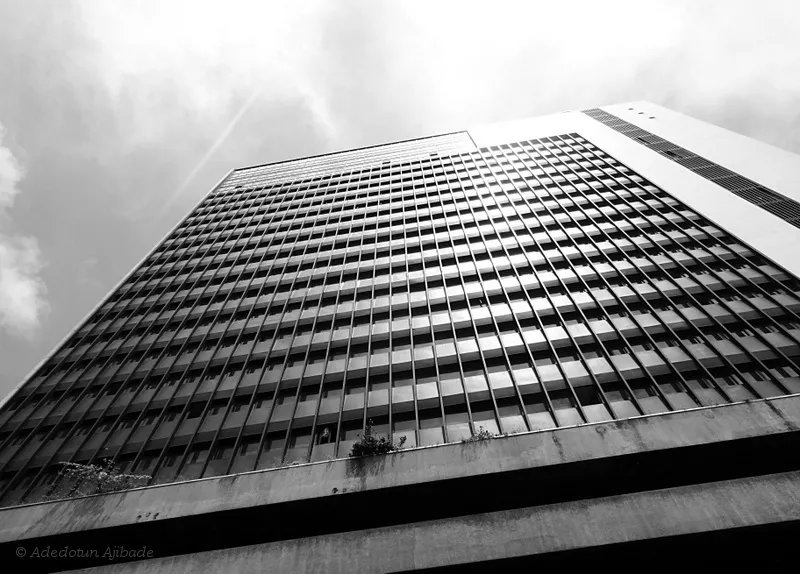
Lining the western edge of Lagos Island, Marina Street forms the historic financial spine of modern Nigeria, hosting corporate headquarters of major commercial banking institutions. Across from Marina, Tinubu Square features a central fountain commemorating pioneering merchant and anti-colonial leader Madam Efunroye Tinubu.
Further east on Customs Street, Glover Memorial Hall, established in 1899, has been revitalized into a modern entertainment theater hosting contemporary Nigerian stage plays and cinema. Exploring these historic quarters pairs seamlessly with discovering contemporary art and waterfront dining across Lekki.
Harbor Waterways, Lagoon Cruises and Coastal Connections
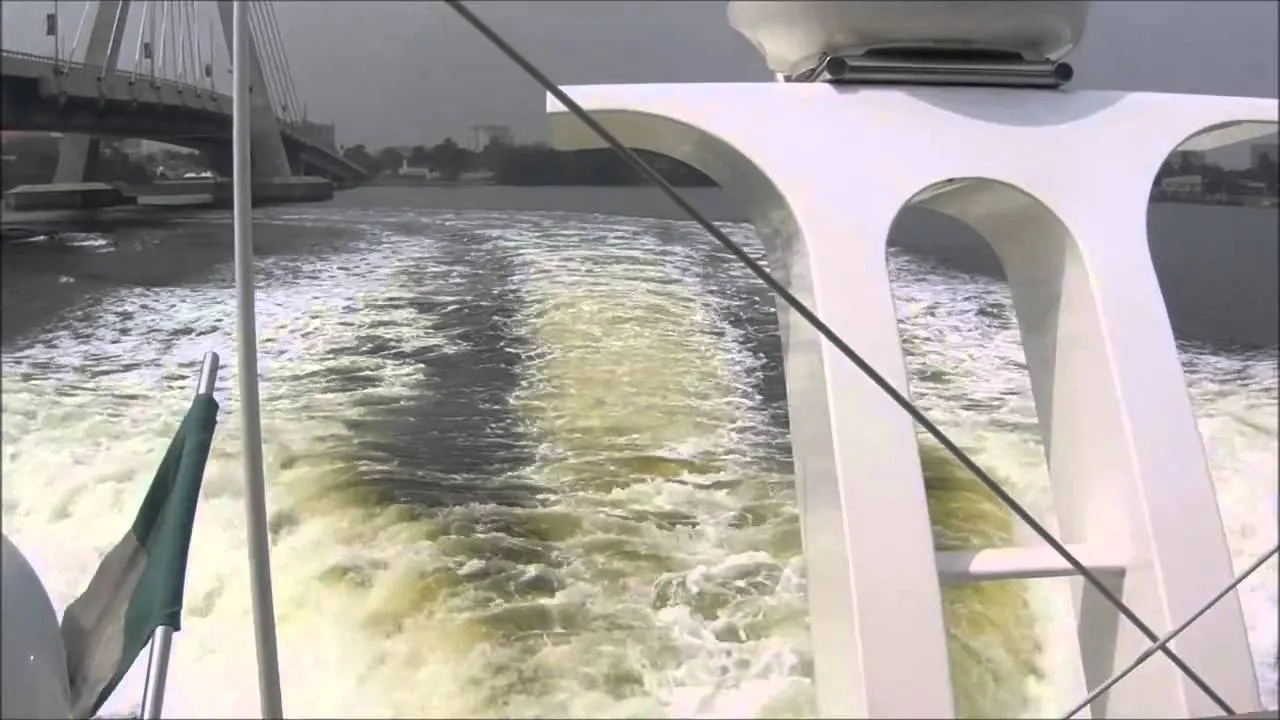
Lagos Island’s perimeter is defined by its deep relationship with the water, with the CMS Marina Ferry Terminal offering rapid water transit across the lagoon to Apapa, Victoria Island, and the mainland. For leisure boaters, sailing across Five Cowries Creek provides breathtaking perspectives of the island’s evolving architectural skyline.
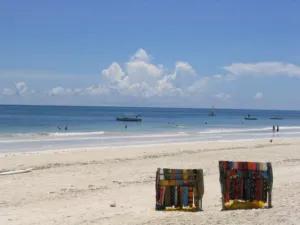
While historic Lagos Island is explored entirely on foot, travelers seeking private island beach houses frequently depart from charter jetties on neighboring Victoria Island and Ikoyi toward secluded Atlantic beaches along the Nigerian coast.

Traveler Persona Matchmaker: Choosing Your Lagos Island Itinerary
Match your personal travel interests to the ideal exploration path across Lagos Island:
- History & Architecture Buffs: Begin at the Cathedral Church of Christ on Marina, take a guided architectural walking tour of Popo Aguda (Brazilian Quarter) to admire Water House and Shitta-Bey Mosque, and finish with a contemplative stroll through Freedom Park.
- Art, Museum & Heritage Enthusiasts: Spend your morning exploring the ancient Benin bronzes and Nok terracottas at the National Museum Lagos, then visit the J.K. Randle Centre for Yoruba Culture and History in Onikan, comparing favorably with other fairytale historic settlements and ancient medinas in Africa.
- Fashion Designers & Textile Shoppers: Dive early into the vibrant lanes of Balogun Market to source authentic Swiss laces, hand-dyed batiks, and custom tailoring accessories from master merchant stalls.
- Performing Arts & Evening Culture Seekers: Catch a live highlife or Afro-jazz concert at the open-air amphitheater in Freedom Park, followed by a stage drama performance at historic Glover Memorial Hall.
Macro Misconceptions vs. Ground Realities
Understanding the ground realities of Lagos Island ensures a rewarding and secure visit:
- Myth: Navigating Lagos Island markets requires carrying large wads of cash.
Field Reality: Over ninety percent of market traders and boutique stalls accept instant Nigerian bank transfers (NIP) via mobile banking or local POS card terminals; carrying minimal cash is recommended. - Myth: Lagos Island consists entirely of congested, impassable market streets.
Field Reality: While commercial trading corridors are densely packed, cultural hubs like Freedom Park, the Onikan museum strip, and the Marina esplanade offer spacious, tranquil, and shaded walking environments. - Myth: Photography is freely permitted inside all museum galleries and royal shrines.
Field Reality: The National Museum permits photography in courtyard areas, but strictly restricts flash photography in antiquity galleries protecting sensitive ninth-century bronzes. - Myth: Vehicular ride-hailing is the fastest way to move between adjacent island landmarks.
Field Reality: Traffic gridlock on inner commercial streets makes walking between Broad Street, Freedom Park, and the Brazilian Quarter vastly faster than sitting in vehicular traffic.
Critical Operational Micro-Specs for Navigating Lagos Island
Essential logistical facts, transit benchmarks, and emergency contacts for a smooth exploration:
- Emergency Hotlines in Lagos
- Lagos State Toll-Free Emergency: 112 / 767 | Lion Building Police Area Command (Lagos Island): 0803 301 2709.
- Public Transit & Ferry Terminals
- CMS Bus Terminal and CMS Ferry Jetty on Marina connect to Victoria Island, Lekki, Apapa, and Ikorodu with Cowry Card integration.
- Pedestrian Walking Protocol
- Keep personal belongings in cross-body zipped pouches; hire licensed heritage guides for deep Brazilian Quarter walking explorations.
- Currency & Banking Access
- Transactions are processed in Nigerian Naira (NGN); major commercial bank headquarters and 24/7 ATM lobbies line Marina and Broad Street.