

What exactly is African Time, and can it genuinely impact your trip? The answer becomes clear once you see how deeply it’s woven into daily life, routines, and movement.
When travelers talk about African Time, they usually frame it as lateness.
For some visitors, it feels refreshing. For others, it takes adjusting. But for every traveler, understanding it can make or break a trip.
Across many African countries, time bends in ways that feel unfamiliar to visitors from fast-paced cities.
A 10 a.m. meeting may actually start at 10:30. A bus scheduled for 2 p.m. might wait until it is full. A wedding may begin hours after the official invitation time.
And while this can frustrate travelers who expect strict structure, it offers something valuable when understood properly.
It invites you to slow down, stay open, and travel more intentionally.
Learning the truth behind African Time helps you plan better, connect deeper, and leave each destination with richer stories.
What does “African Time” mean?

The phrase ‘African Time’ generally refers to a relaxed attitude toward punctuality.
In many communities, relationships carry more weight than rigid schedules. People prioritize conversations, connection, and presence over rushing through a day.
This cultural approach is not careless, although others argue that it is. But travelers who grasp this quickly enjoy smoother trips, because they adapt.
They check in early, remain flexible, and build room in their plans. Once you understand the deeper meaning, you stop fighting the pace and start flowing with it.
This mindset is common across West, East, Central, and Southern Africa, but the experience varies.
In cities like Nairobi, Kigali, and Johannesburg, professional settings run on strict timelines. Flights, major events, and tours stay on schedule. But in smaller towns and rural areas, you may see a slower pace.
The key is knowing which environment you are entering. When you adjust your expectations, you reduce stress and travel confidently. You also begin to appreciate the human-centered culture behind it.
READ ALSO: 7 Cheapest African Countries to Visit in 2026
How African Time Shows Up in Travel Logistics

Transport and Getting Around
Transportation is often where travelers notice African Time the most.
Buses, especially long-distance ones, may leave later than scheduled. Many wait until they’re full before starting the trip.
This affects cities like Lagos, Accra, Kampala, and Banjul. Public minibuses sometimes run on flexible intervals instead of fixed timetables.
For travelers, the best strategy is to arrive early, ask questions, and keep backup options. When you build buffer time into your day, you move with ease.
On the other hand, structured transport systems are improving across the continent. Intercity buses in South Africa, Rwanda’s public system, and Morocco’s ONCF trains operate on strict timing.
Flights within Africa follow international standards for punctuality. Ride-hailing apps like Bolt and Uber offer reliability in major urban centres.
Knowing which option suits your itinerary helps you avoid delays. You move better when you mix both worlds: the reliability of formal transport and the flexibility of local movement.
Tours, Excursions, and Activities

Guided tours in Africa often start close to the set time, especially in tourism-heavy cities and national parks.
Operators in places like Zanzibar, Victoria Falls, Cape Town, and Mombasa understand global traveler expectations. But private tours or community-led experiences may run a little behind.
Sometimes, a guide waits because another visitor is stuck in traffic. Sometimes, the local host needs a few extra minutes to prepare.
Tour hosts try not to leave anyone behind. As a traveler, you get a richer experience when you align with this approach.
Arrive early. Bring a book or journal. Use the waiting time to chat with locals. Turning that window into connection changes your experience from frustration to discovery.
How African Time Influences Cultural Events

Weddings, Celebrations, and Social Gatherings
If you attend a wedding or celebration in Nigeria, Ghana, Kenya, or Zambia, prepare for a flexible schedule. Invites often list a time earlier than when the event truly begins.
This widely accepted buffer allows guests to arrive without pressure. It is also practical because traffic in many cities can be unpredictable.
The real magic happens when everyone settles in. People dance, laugh, and share food. No one is watching the clock. The experience feels communal rather than rushed.
For travelers, this is a chance to witness authentic culture. If you plan to attend such events, ask locals for the “real” start time. They will gladly guide you.
Show up ready to enjoy the energy without expecting a tight timeline. You get fuller interactions when you allow the celebration to unfold naturally.
Festivals and Public Events
Major festivals across Africa operate on more structured timelines.
Events like Afrochella in Accra, Lake of Stars in Malawi, Mombasa Carnival, and Calabar Carnival run on planned schedules because they host large crowds.
Opening ceremonies may start slightly later, but performances and main showcases follow a clear order. Logistics, crowd management, and vendor coordination require structure.
Travelers should always check official pages, social media updates, or event notices for accurate timing.
While the atmosphere feels vibrant and relaxed, the organization behind the scenes is active and intentional. You can dance, explore, and enjoy the creativity without worrying that everything will run too late.
READ ALSO: Why West African Jollof Wars Are More Serious Than You Think
African Time in Food and Dining Experiences
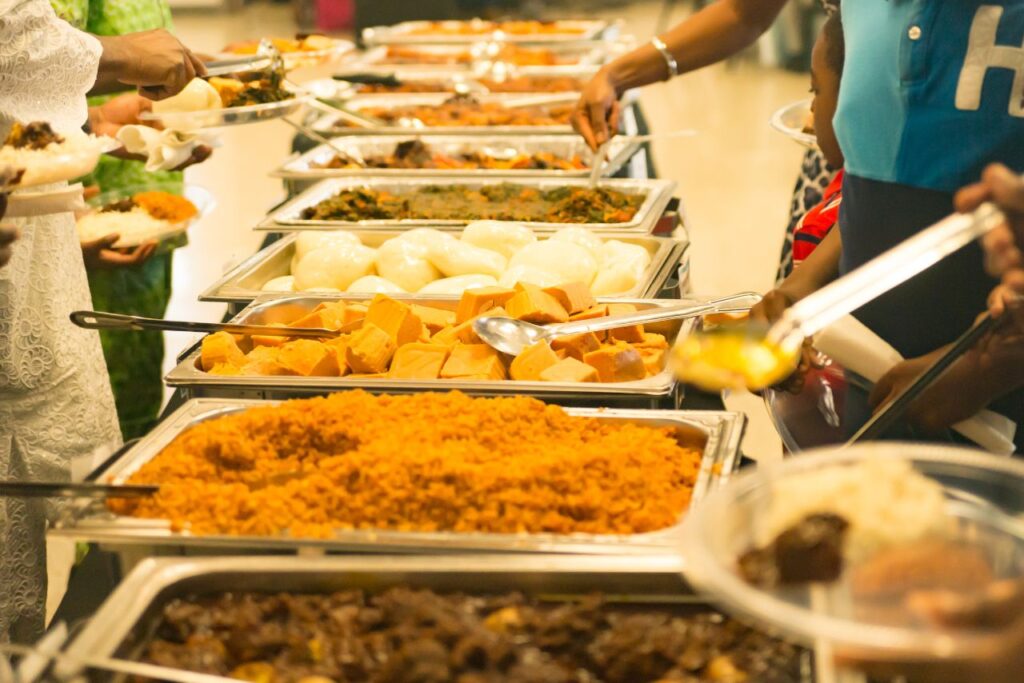
Restaurant Service and Mealtime Pace
Dining in Africa blends speed with hospitality.
In many local restaurants, meals are made fresh, not pre-prepared. That means your grilled tilapia in Ghana, your jollof rice in Nigeria, or your nyama choma in Kenya may take longer to arrive.
This slow pace reflects quality. Food is cooked the way locals prefer it. Travelers who embrace this get the best flavors.
In upscale restaurants or tourist-heavy spots, service runs faster. Major cities like Kigali, Cape Town, and Nairobi compete on global hospitality standards.
Wait times are shorter, bookings are confirmed, and staff follow organized systems. Knowing which kind of dining you’re choosing helps you plan better.
If you’re eating local, arrive hungry but patient. If you need speed, pick the spots designed for it.
Street Food Culture

Street food vendors work on an efficient and fast schedule.
Whether you’re buying suya in Abuja, shawarma in Cairo, or chapati in Kampala, you usually get your food quickly. Vendors rely on steady customer flow, so they move fast.
African Time rarely affects this part of travel. Street food culture is one of the easiest ways to stay on schedule, eat well, and explore authentically.
Travelers can rely on street meals when they need flexibility. It keeps your day moving and helps you explore more destinations without long waits.
It’s also affordable, which makes it great for budget travelers.
How African Time Affects Business and Professional Travel
Meetings and Appointments
In professional settings, especially in major African cities, schedules are increasingly strict.
Offices in Lagos, Kigali, Nairobi, and Johannesburg run on punctuality.
Many companies operate globally and adopt formal standards. If you are traveling for work, expect meetings to start close to the stated time. You should arrive early because it shows respect.
However, external factors like traffic can sometimes cause delays.
Locals understand this and often provide grace. Travelers should always communicate if they are running behind.
Sending a quick message goes a long way in maintaining good rapport.
Services and Appointments
When you book services like spa sessions, beauty appointments, or artisan workshops, the start time might be flexible.
Many small business owners balance several tasks, so your session may begin a few minutes later.
This is normal in many communities and not a sign of neglect. The service itself is usually thorough and personal.
If your schedule is tight, choose providers known for punctuality or book your slots earlier.
Travelers who plan wisely experience fewer disruptions, even in places where the pace is relaxed.
African Time and Local Interactions

Conversations and Human Connection
One of the most beautiful parts of traveling in Africa is the human connection.
People enjoy real conversations. African Time shows up in these moments because connection matters.
Travelers who embrace this end up with richer memories. You learn new stories, get insider tips, and build friendships.
When you give time to people, people give time back to you. You feel less like a visitor and more like someone welcomed.
Negotiation and Market Culture
Markets across the continent operate on a lively flow. You can negotiate for crafts, fabrics, souvenirs, or spices.
Sellers often take their time chatting. This is part of the culture. The process is not rushed.
African Time helps create a relaxed atmosphere where both sides can talk, laugh, and settle on a good price.
Instead of seeing it as slow, see it as connection. Many travelers say market interactions become their favourite memory.
It teaches patience, humor, and flexibility, which are essential travel skills.
READ ALSO: 20 Things You Didn’t Know About Africa
Practical Tips for Traveling Smart Around African Time
Build Buffer Time Into Your Day
If your tour starts at 9 a.m., reach by 8:30. When catching a bus, arrive early. When going to a social event, ask locals about the real start time. Padding your schedule removes stress and keeps your trip smooth.
Use Reliable Transport for Time-Sensitive Plans
If you need exact timing, choose options like ride-hailing apps, trains, or structured tour buses. They operate close to schedule and help you stay organized.
Communicate Clearly
Ask questions. Confirm times. Check updates. People are always willing to help. Clear communication gives you control of your day.
Stay Flexible
Sometimes things start late. Sometimes plans change. Staying flexible helps you adapt without frustration. The more open you are, the better your experience becomes.
Final Thoughts
Every destination has its pace. In many African countries, the pace feels warm, patient, and human.
When travelers misunderstand African Time, they feel stressed. But when they embrace it, they see what locals see: a culture that values people over pressure.
The truth is, once you understand how it works, your travel becomes smoother. You plan better. You enjoy more moments. You leave room for surprise.
Travel is not only about checking places off a list. It is about learning new ways of living. When you explore Africa with awareness, you discover that time is not just something you chase. It becomes something you experience.
So pack your bags, book that ticket, and step into a continent full of color, flavor, stories, and generous people. Move with the pace, and it will reward you.







One Response
Very nice post. I just stumbled upon your blog and wished to say that I’ve truly enjoyed surfing around your blog posts. After all I’ll be subscribing to your rss feed and I hope you write again very soon!