
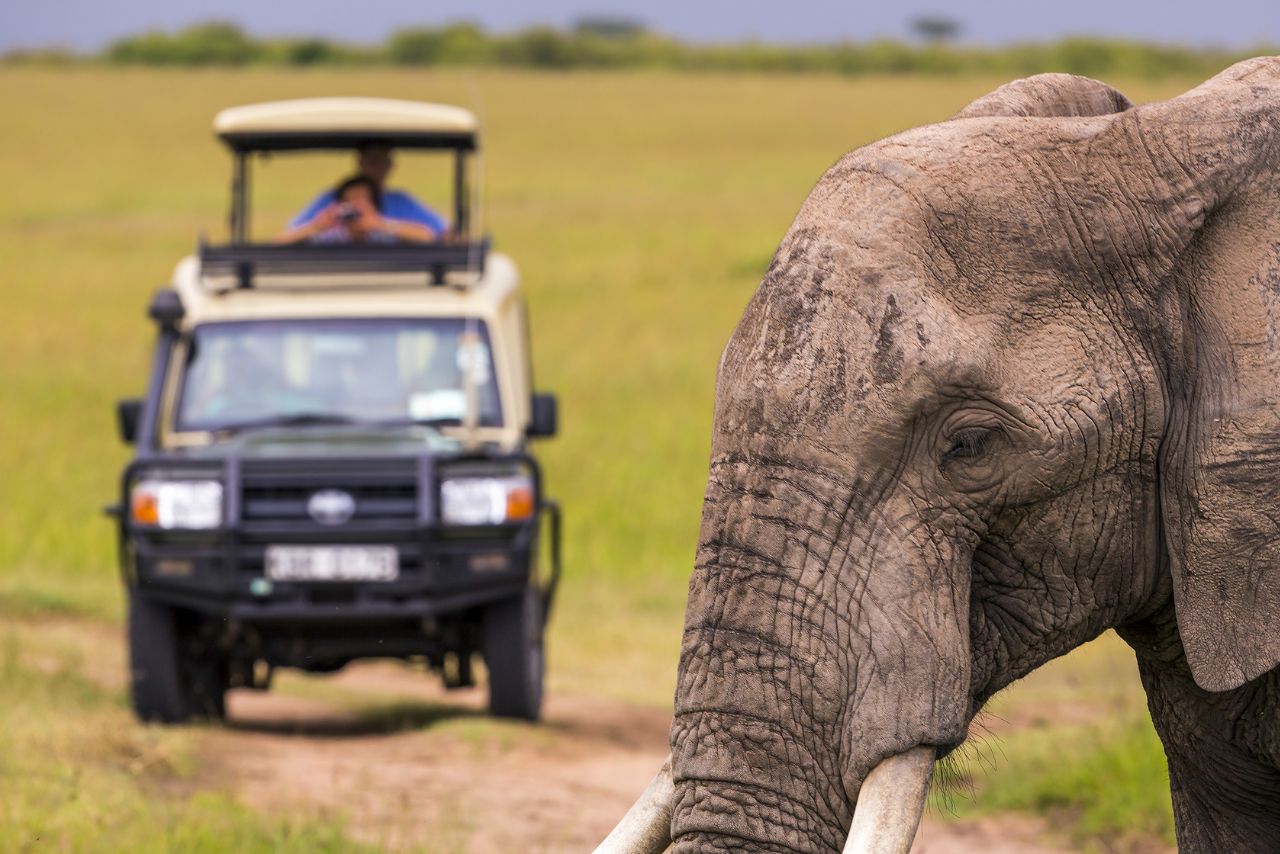
Travel across Africa in 2026 is no longer about movement for movement’s sake. It is about intention.
I hear this shift clearly in the conversations happening around travel right now. People are choosing trips that make sense for their time, their budgets, and their energy.
Instead of racing through cities and landmarks, travelers are paying closer attention to how places feel, how days unfold, and how life is lived locally.
Fewer destinations matter more. The experience matters more than the number of stops.
The beautiful thing is that Africa sits at the center of this shift, not because it is fashionable, but because it naturally supports the way people want to travel now.
Also, longer visas remove urgency. Strong community culture rewards repetition and familiarity. Food-led experiences turn everyday meals into meaningful moments. Lower daily costs make it easier to stay longer without strain.
Together, these elements allow travelers to slow down without forcing it and these Africa travel trends for 2026 are not predictions pulled from thin air; they are already shaping how people plan, book, and experience the continent.
Longer Stays Enable Slow and Meaningful Travel in Africa

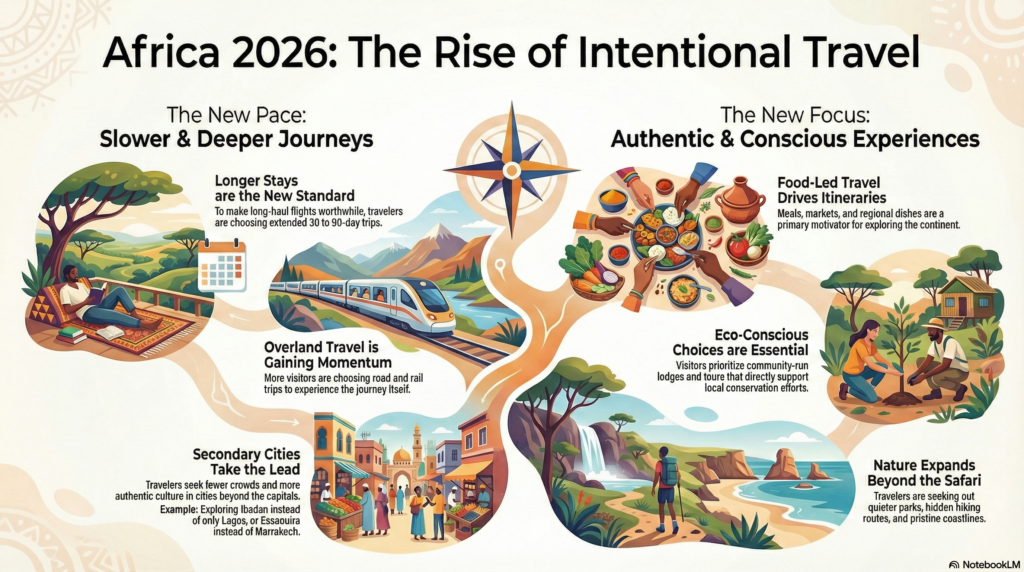
Longer stays are one of the biggest Africa travel trends for 2026 and they naturally lead to slow, meaningful travel.
With rising flight costs and growing travel fatigue, people are taking fewer trips each year. When they do travel, they stay longer to make the journey worth it.
Africa benefits from this shift more than most regions. Many African countries offer visas that allow travelers to stay for 30 to 90 days, and sometimes longer. This makes it easier to slow down without the pressure of constant renewals or high daily costs.
Ultimately, this concept also makes financial sense. Monthly apartment rentals often cost less than short hotel stays, and daily expenses stay manageable when travelers shop local and eat where residents eat.
This is not a mindset trend or a passing preference. It is a time-based shift that is fundamentally reshaping how people plan, experience, and understand travel in Africa in 2026.
Road Trips and Regional Travel Are Gaining Momentum
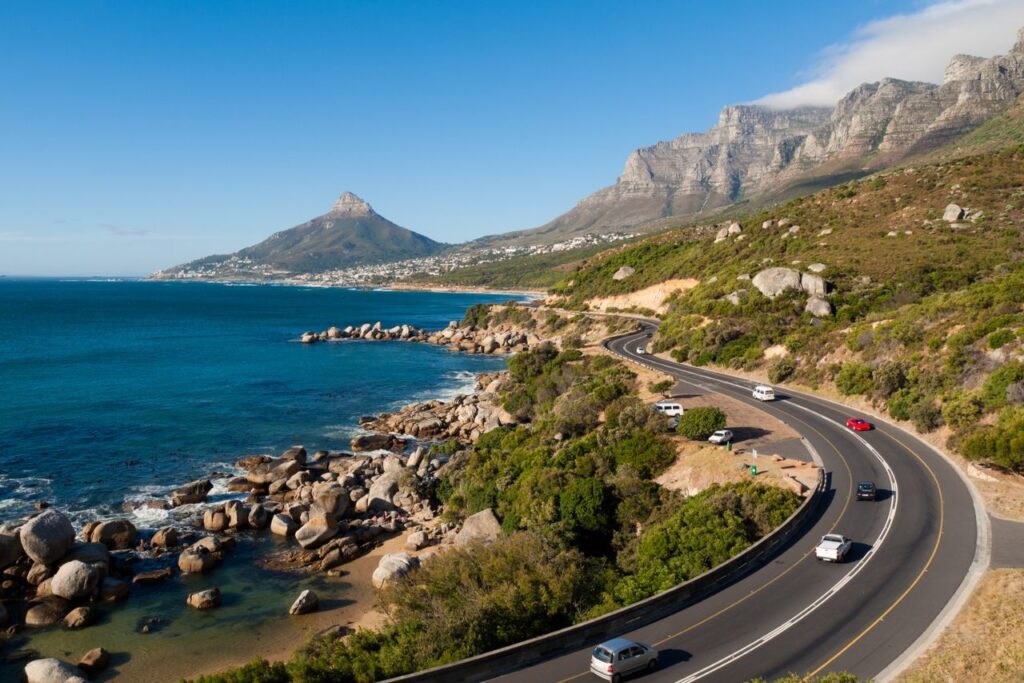
Flights still matter, but overland travel is becoming a defining Africa travel trend for 2026. More travelers are choosing road trips and regional routes to move at a human pace, not an airport pace.
In North Africa, Morocco’s rail system makes this easy. Trains connect Casablanca, Rabat, Tangier, and Marrakech efficiently and affordably, allowing travelers to cross the country without breaking the rhythm of their journey.
West Africa is seeing a similar shift. In 2026, regional road travel between Ghana, Togo, Benin, and parts of Nigeria continues to grow. Travelers move between Accra, Lomé, Cotonou, and Lagos by bus or private transport, often pairing coastal cities with inland cultural hubs along the way.
Although these journeys take longer, they offer something flights cannot: roadside food stops, everyday conversations, border-town markets, and a clearer sense of how life flows across regions.
For travelers who value immersion over speed, overland travel is shaping how Africa is experienced in 2026.
READ ALSO: The Truth About “African Time” and How It Affects Travel Plans
Secondary African Cities Take the Lead
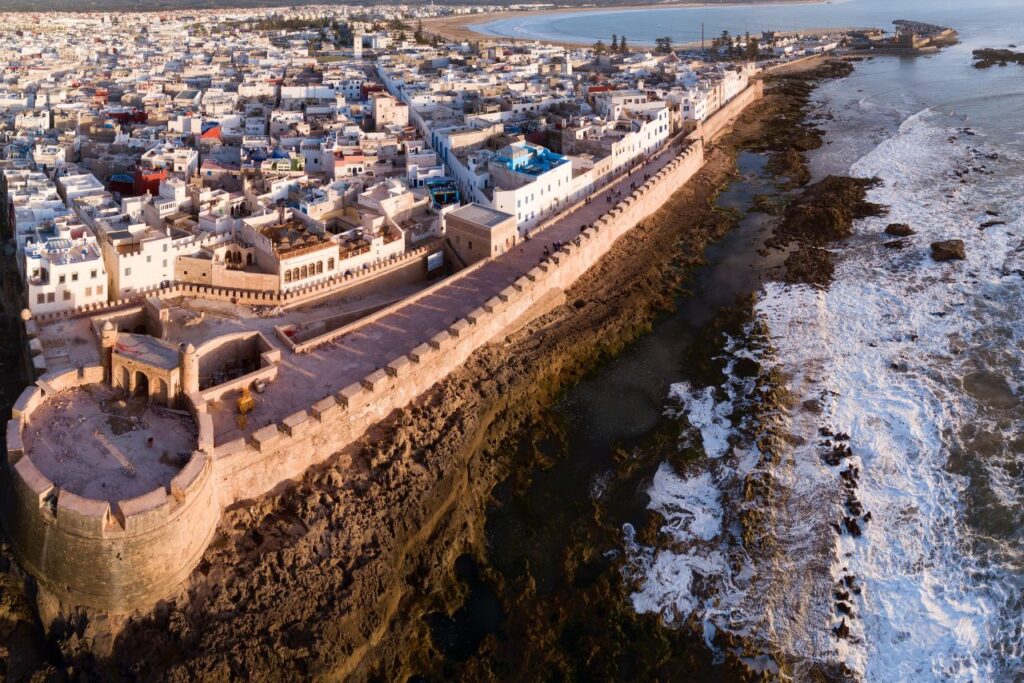
Africa’s most famous cities still matter, but 2026 belongs to its secondary cities. Travelers are intentionally choosing places with fewer crowds, lower costs, and a stronger local presence.
Instead of Lagos alone, travelers explore Ibadan, Abeokuta, and Ilorin for food and culture.
In Kenya, Naivasha and Kisumu attract travelers who want nature and community without Nairobi congestion. Also, in Morocco, Essaouira offers coastal calm and creative energy without Marrakech pressure.
These cities deliver value. Accommodation costs are lower. Food is more local than tourist-focused and interactions feel natural.
Eco-Conscious Travel Shapes How Africa Is Explored

Eco-conscious travel is no longer a niche idea in Africa. In 2026, it shapes how travelers choose destinations, accommodations, and experiences across the continent.
Visitors are paying closer attention to how tourism affects local communities, wildlife, and natural resources, especially in regions where ecosystems are fragile.
Across Africa, community-run lodges, locally guided tours, and conservation-linked accommodations are gaining preference over large, extractive resorts.
In countries like Rwanda, Namibia, Kenya, and Botswana, tourism models increasingly fund conservation efforts and provide direct income to surrounding communities.
Eco-conscious travel also shows up in everyday decisions. Refillable water bottles, local markets, and locally owned guesthouses replace imported conveniences.
In 2026, sustainable travel in Africa feels practical and intentional, focused on preservation rather than performance.
READ ALSO: Where to go in Africa in 2026
AI-Powered Safari Planning Makes Trips Smarter
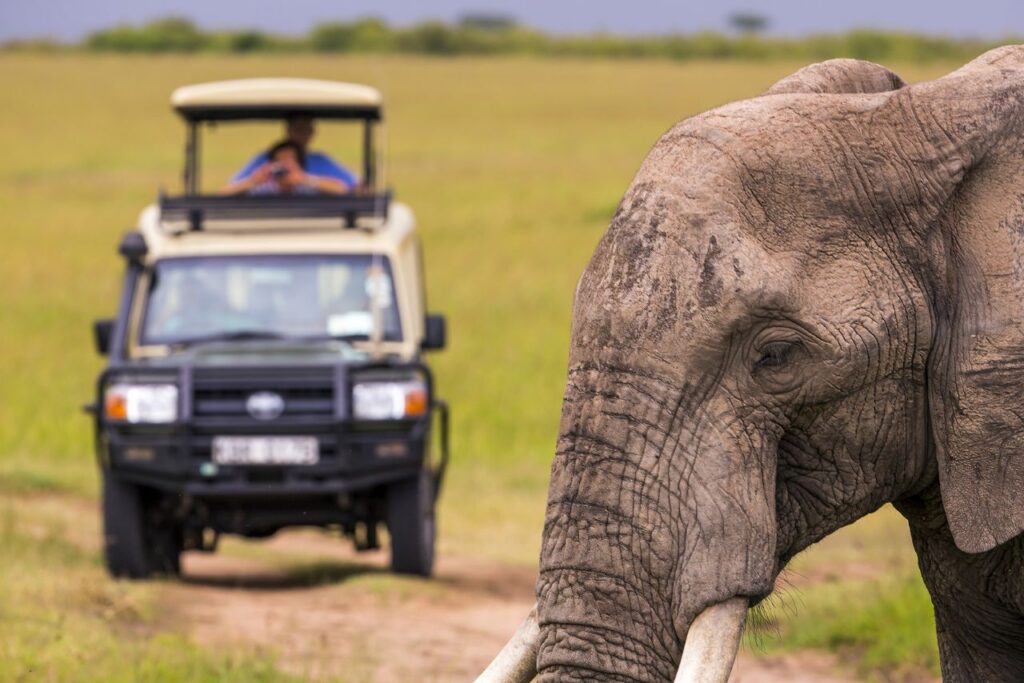
In 2026, AI-powered safari planning in Africa will help travelers book and experience safaris with confidence.
Digital platforms will allow people to preview itineraries, compare park seasons, and check distances between lodges before committing to a trip.
Virtual lodge tours and interactive walk-throughs will let travelers see layouts, surroundings, and proximity to wildlife areas.
This clarity will reduce last-minute changes, streamline planning, and make arrivals smoother.
Even with AI, local guides remain essential, providing expertise, wildlife insight, and cultural context.
By combining technology with on-the-ground knowledge, AI-powered safari planning will make African safaris more efficient, immersive, and intentional in 2026.
Night Tourism Fits Africa’s Energy and Climate

Night tourism is not new in Africa, but in 2026 it becomes intentional.
Heat, traffic, and crowd management push travelers to experience cities after dark, when energy shifts and temperatures drop.
In Lagos, night food culture is the main attraction. Suya stands, roadside grills, and late-night lounges tell stories about the city that daytime never could.
Also, in Marrakech, evening markets feel calmer and more immersive than midday chaos. In Nairobi, guided night game drives and evening city walks highlight wildlife and culture that daylight misses.
Night tourism also aligns with local life because many African economies thrive after sunset. In 2026, night tourism in Africa offers a richer atmosphere and deeper cultural connection.
READ ALSO: Top 10 African Cities with the Most Dynamic Nightlife
Digital Nomads Choose Africa for Lifestyle Balance

Africa’s presence on the digital nomad map is no longer theoretical. Remote workers will actively choose African cities for affordability, lifestyle, and time-zone convenience.
Cities like Cape Town, Kigali, Nairobi, Accra, and Cairo will offer reliable internet, coworking spaces, and vibrant creative communities.
Living costs remain lower than in Europe or North America, while daily life feels fuller and less rushed.
Remote workers will stay longer, rent apartments, and integrate into local routines.
This extended presence supports local economies, revitalises neighbourhoods, and deepens cultural exchange. By 2026, Africa will be a practical, sustainable, and thriving destination for digital nomads.
Food-Led Travel Drives African Tourism

Food is one of Africa’s strongest travel motivators.
Travelers plan trips around meals, markets, and regional dishes because food delivers culture faster than museums ever could.
In Nigeria, travelers seek jollof rice, pepper soup, and roadside grills. In Senegal, seafood and thieboudienne define coastal travel.
In Ethiopia, communal injera meals introduce travelers to shared dining traditions. Morocco’s food culture remains central, from tagines to fresh bread stalls.
Street food remains affordable and deeply local. Food-led travel supports small vendors directly and builds instant connection. In 2026, African food tourism will shape itineraries across the continent.
READ ALSO: Lagos Street Food: What to Eat and What to Avoid
Nature Travel Expands Beyond Traditional Safaris

In 2026, nature travel in Africa will move beyond iconic safaris.
Travelers will seek quieter parks, community-managed reserves, and lesser-known landscapes to experience wildlife and scenery without crowds.
Countries like Uganda, Zambia, Lesotho, and Eswatini will highlight hidden hiking routes, lakes, and conservation areas.
Coastal destinations in Mozambique and Sierra Leone will attract travelers to pristine beaches free from heavy development.
This shift will protect ecosystems while creating more personal, immersive experiences. Visitors will move with purpose, noticing the small details of flora, fauna, and local conservation efforts.
By 2026, nature travel in Africa will prioritize preservation and presence over spectacle, letting travelers connect deeply with the continent’s landscapes.
Final Thoughts
Africa is not trying to compete with anyone; it does not need to.
The way people want to travel now aligns naturally with how the continent works.
Longer stays, a slower pace, a strong food culture, and everyday connection make African travel deeply rewarding.
If you are planning your next trip, let these Africa travel trends for 2026 guide you.
Stay longer, move thoughtfully, eat well and choose places that welcome you into daily life. Travel does not need noise to matter.
Across Africa, the most powerful journeys happen quietly, one ordinary day at a time.






One Response
Perfect piece of work you have done, this site is really cool with superb info .