
Food is everywhere, and it’s even better when it smells like home.
In Lagos, that smell lives in the open. Along busy roads, at bus stops, and beside traffic that barely moves, vendors cook meals meant to be eaten quickly and remembered long after.
This is street food in Lagos: food prepared and sold in public spaces, designed for people on the move, and woven into everyday life.
For visitors, this can feel overwhelming at first.
There are no menus and no clear rules. You choose by watching, by smelling and by noticing where locals stop.
Street food here is not a cheap substitute for restaurants. It is the real thing. It reflects how the city works, how people eat, and how flavor adapts to speed and survival.
That flow is what makes it special and what makes caution necessary.
Some stalls serve meals that will become highlights of your trip. Others are better left alone.
Knowing what to eat and what to avoid helps you enjoy Lagos confidently, safely, and fully, even on your first visit.
Once you learn how to choose well, Lagos feeds you generously. So leggo!
Suya: Night’s Spiciest Ritual
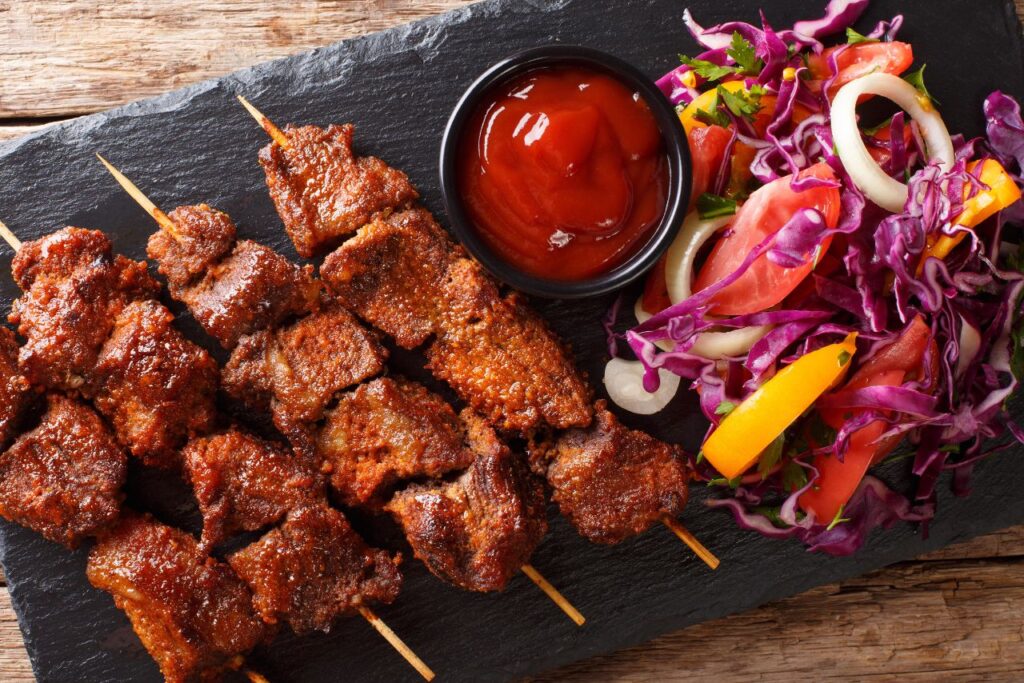
Suya is the star of street food in Lagos.
This spicy grilled meat, usually beef, chicken, or ram, is marinated in layers of earthy spice (think pepper, ginger, garlic, and crushed peanuts) and then roasted over open flames until just charred.
It’s smoky, spicy, and addictive. In parts of Lagos like Ikeja, Ikoyi, Obalende, and Lekki, suya stands come alive after dusk, often with locals lining up for the best batches.
Prices are wallet‑friendly, roughly ₦1,000 to ₦2,500 per skewer depending on the meat.
This is a social scene. Grab a stick, nibble between slices of fresh onions, cucumber, cabbage and tomatoes, and sip something cool.
Just make sure the meat is cooked through and sold at a busy stall; high turnover means freshness.
Boli: Sweet, Smoky Plantain on the Go
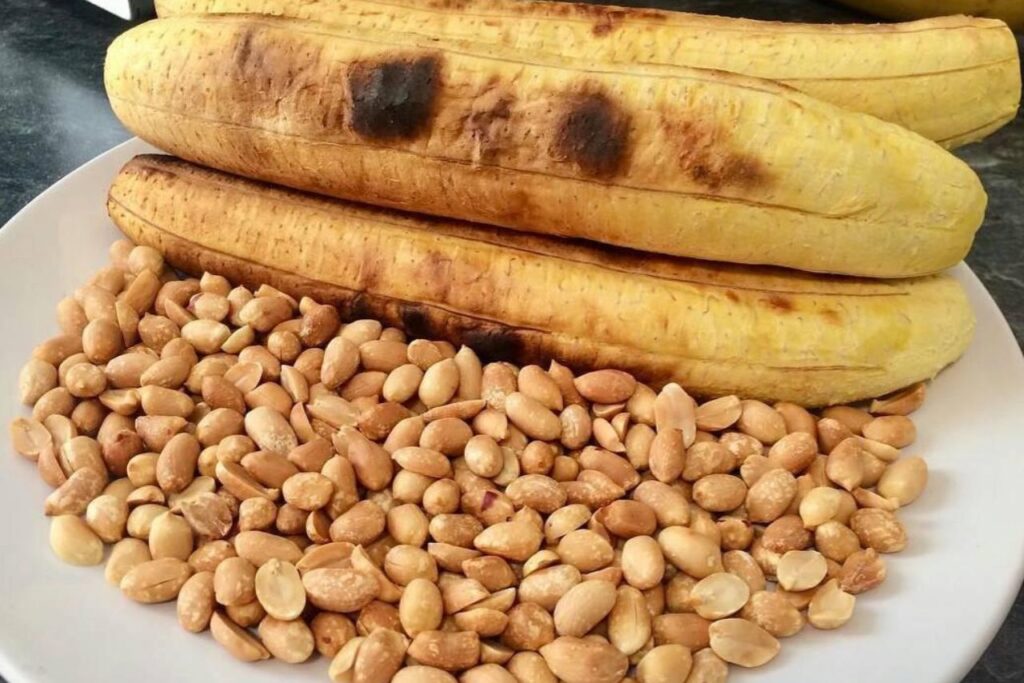
Photo source: Item7Deals Foods
Boli is Lagos’ answer to craveable simplicity.
Ripe plantains, roasted over charcoal until the outside caramelizes and the inside stays tender, are often served with groundnut or a bold pepper sauce.
You’ll find vendors across the city, from mainland to Island, usually anytime in the afternoon or evening.
It’s light, satisfying, and cheap. Boli feeds hunger without weighing you down.
The smoky sweetness pairs brilliantly with a cold drink. Just watch the sauce; some vendors pour on it with no mercy.
Choose vendors with clean setups and fresh plantains to avoid stomach upsets.
READ ALSO: Lagos City Guide: Beaches, Nightlife, and Hidden Gems in Nigeria
Akara: Golden Bean Cakes for Breakfast
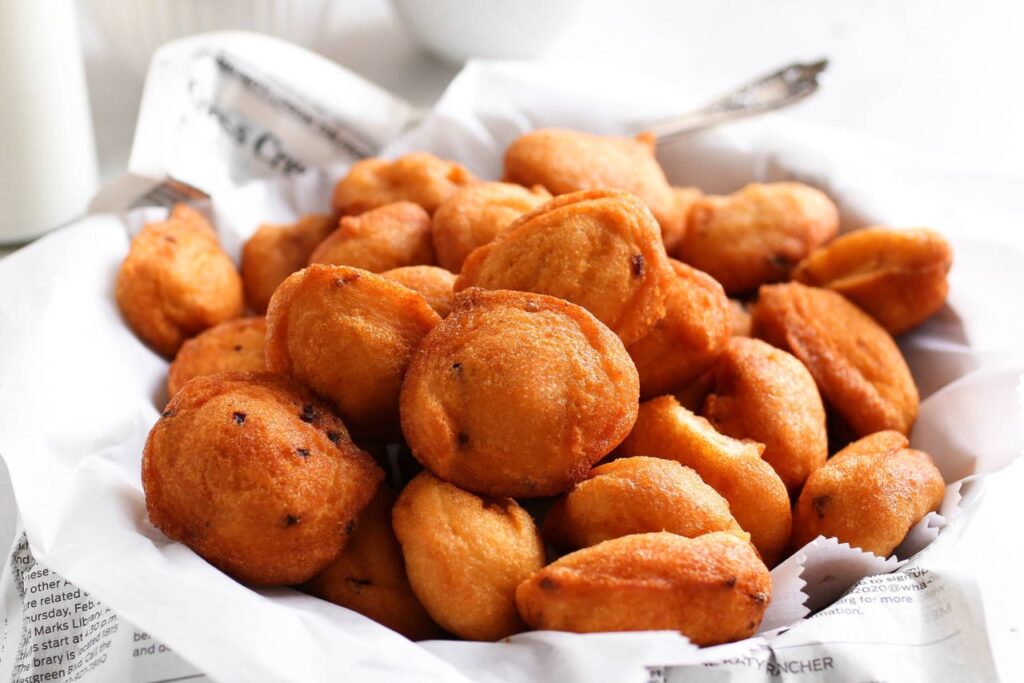
Photo source: kikifoods
Morning in Lagos without Akara is almost unthinkable.
These golden, deep‑fried bean cakes are crispy outside, tender inside, and packed with protein.
Black‑eyed peas are blended with onions and spices, then dropped into hot oil until puffed and perfectly brown.
You’ll spot them at many street stalls from Ojuelegba to Agege early in the day.
Pair Akara with pap (a warm fermented corn porridge) or simply enjoy it with bread. This hearty combo is cheap, filling, and perfect before a long day of exploring.
Aim for vendors whose Akara is cooked fresh in front of you. If it’s sitting under a heat lamp and looks tired, pass.
Puff‑Puff: Sweet Clouds of Comfort
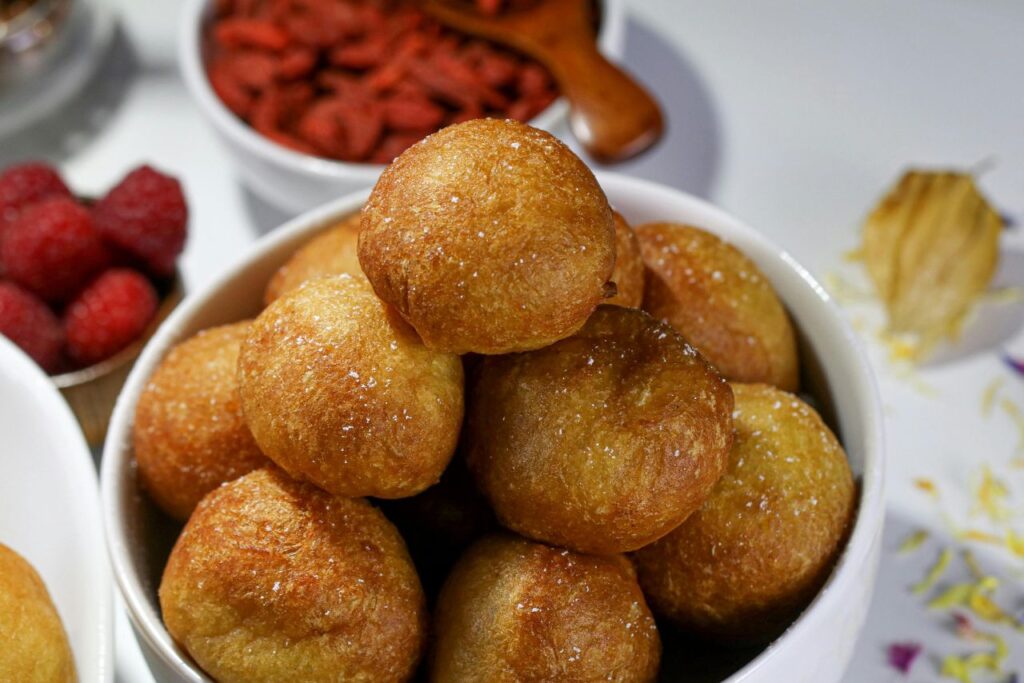
Bring some joy to your walk with Puff‑Puff.
These sweet deep‑fried dough balls are lusciously soft inside with a lightly crisp exterior.
Street vendors sell them everywhere, Balogun Market, Yaba, Surulere, everywhere, and they are often warm and irresistible.
They’re cheap, usually under ₦300 per handful, and perfect if you need a sugar kick.
Just be mindful: the oil used can make them heavy.
If a batch looks overly greasy or stale, skip it. Fresh Puff‑Puff should feel light, springy, and slightly sweet.
Ewa Agoyin: Beans with Swagger
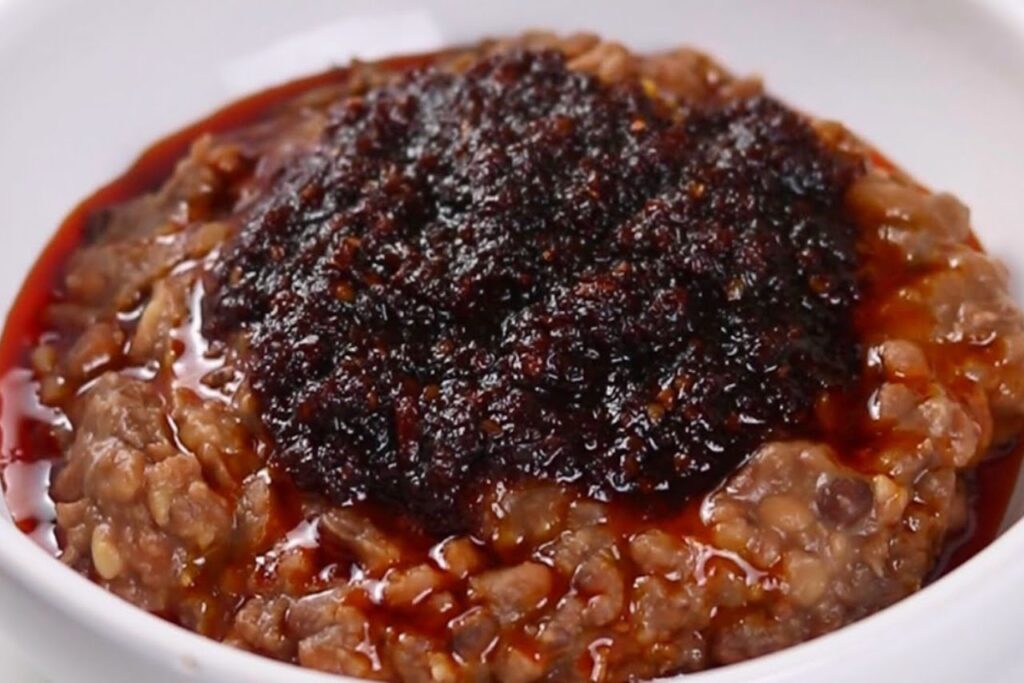
Photo source: kikifoods
For something heartier, go for Ewa Agoyin.
This dish of steamed, mashed beans with a fiery pepper sauce is a Lagos classic breakfast or lunch.
It comes with agege bread, perfect for soaking up every bit of sauce.
It’s earthy, spicy, and incredibly cheap, often just a few hundred naira when bought from a busy stall.
But note: beans can be rough on sensitive stomachs if not cooked fresh or kept too long. Choose vendors with visible crowds and don’t sit too long in the sun.
Roasted Corn & Boiled Corn: Simple and Nostalgic

Roasted corn and boiled corn (called agbado) are street staples throughout Lagos.
You’ll see vendors with piles of golden corn on hot coals or steaming in pots.
Pair an ear of corn with coconut or pear slices for a nostalgic taste of rainy‑season snacks.
This is comfort food at its simplest.
It’s cheap, often under ₦500, and a perfect way to refuel between stops.
Just be sure the corn is freshly cooked and hasn’t been sitting in the sun all day.
Moi Moi: Steamed Bean Goodness
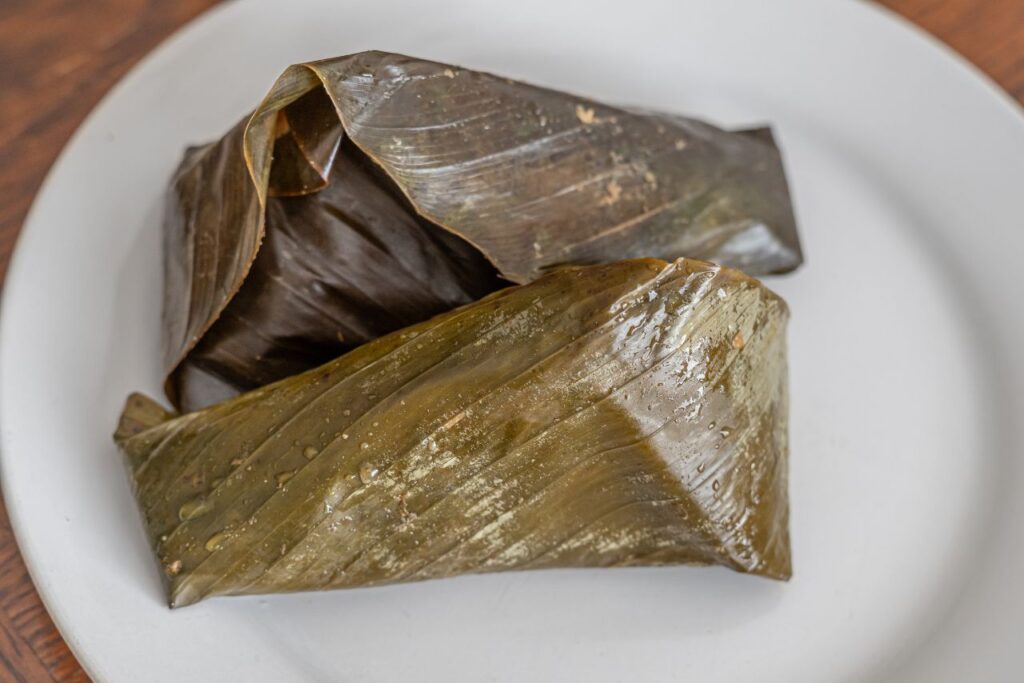
Moi Moi is a steamed bean pudding that’s nutritious and locally beloved.
Street vendors might wrap it in leaves or sachets. The leaf‑wrapped version tastes earthier and is often fresher.
Moi Moi is protein‑rich and satisfying, but walk away from versions that look like they have sat out for too long or are wrapped in questionable plastics.
READ ALSO: First-Timer’s Guide to Detty December in Lagos: Nightlife, Safety & Tips
Gala and Cold Drink
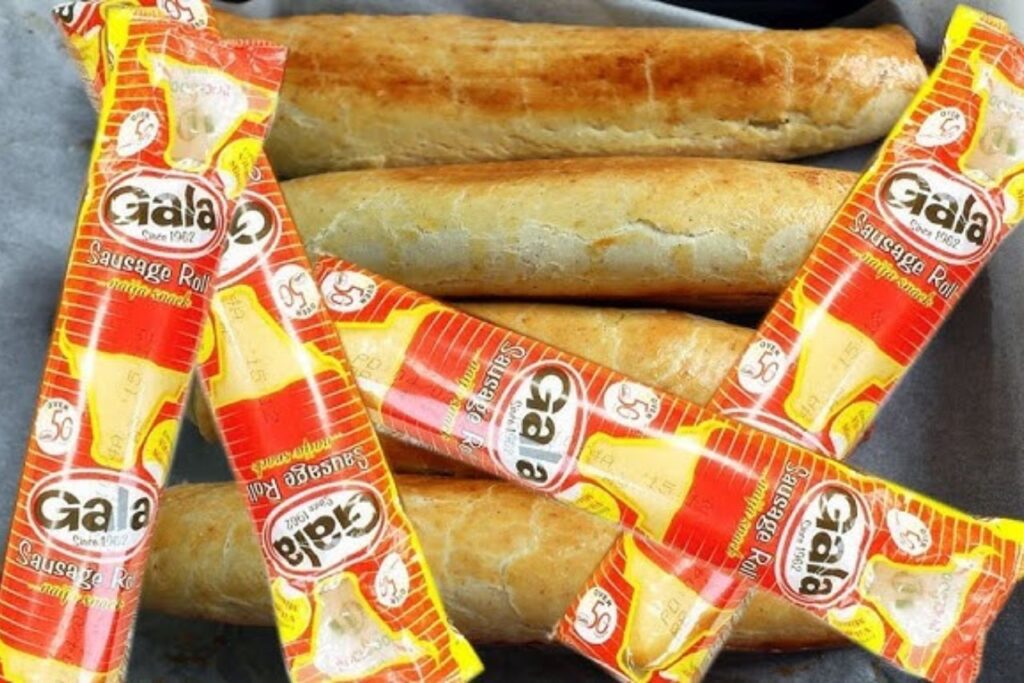
This iconic duo, Gala, a beef sausage roll, and a sweet cold soda (Pepsi is my favourite), has kept Lagosians going in traffic jams and long evenings for decades. Yes, decades.
It’s not haute cuisine, but it’s cheap, instantly satisfying, and part of the city’s rhythm.
Grab one when you’re on the move; it’s a snack that tells you you’re in Lagos, fully.
What to Avoid and Why
Street food culture in Lagos is thrilling, but being smart keeps it unforgettable for good reasons.
Avoid anything that has sat out all day. Foods left under heat lamps or in the sun without turnover are a big red flag.
Watch hygiene closely. Vendors that handle money and food with the same hands without washing are riskier bets.
Go for busy stalls where locals are eating; that’s usually a sign of freshness and trust.
Be cautious with raw or undercooked items and think twice about street fruit washes unless you’re sure the water is safe.
Stick to bottled drinks and fresh, hot‑to‑order foods.
Final Thoughts
Food moves faster than people in Lagos.
People eat between movements, between conversations, and between long waits and longer days.
Once you understand that, the chaos makes sense. You stop searching for signs or structure and start reading the street itself.
If you take anything from this guide, let it be this: Lagos rewards awareness. Eat where locals eat, choose food made in front of you, walk away when something feels off.
Do that, and the city feeds you generously. Not as a visitor being entertained, but as someone allowed into daily life. That’s when Lagos stops feeling intimidating and starts feeling familiar.
And that’s when the food tastes like it was meant for you.






One Response
It’s actually a great and helpful piece of info. I am satisfied that you simply shared this helpful information with us. Please stay us informed like this. Thanks for sharing.