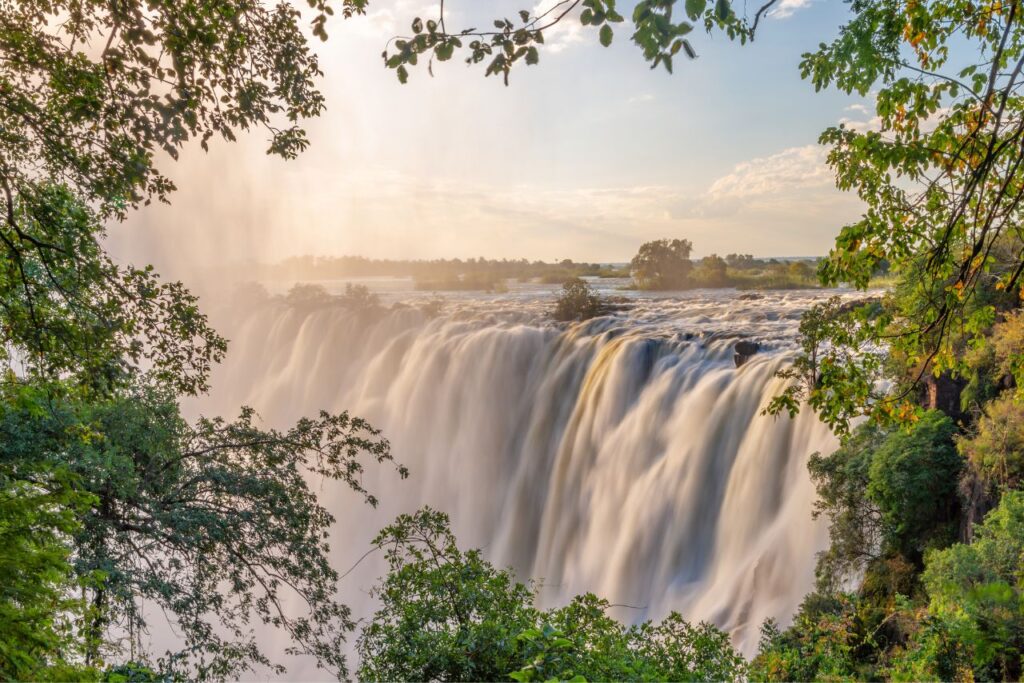
Victoria Falls is one of the seven natural wonders of the world, but viewing the falls from a paved lookout is only half the story.
For thrill-seekers, swimming in Devil’s Pool is the ultimate rite of passage in Southern Africa (discover the top reasons to visit Zambia).
Perched directly on the lip of a 108-meter (354-foot) vertical plunge into the Batoka Gorge, this natural rock infinity pool lets you peer over the edge of the roaring Zambezi River.
Is it truly safe, or is it an irresponsible gamble with nature?
This comprehensive guide breaks down seasonal water levels, hydrological safety mechanics, tour costs, and border crossing logistics so you can decide if the plunge is worth the risk.
Which Victoria Falls Experience Fits Your Travel Dates? (Quick Decision Tree)
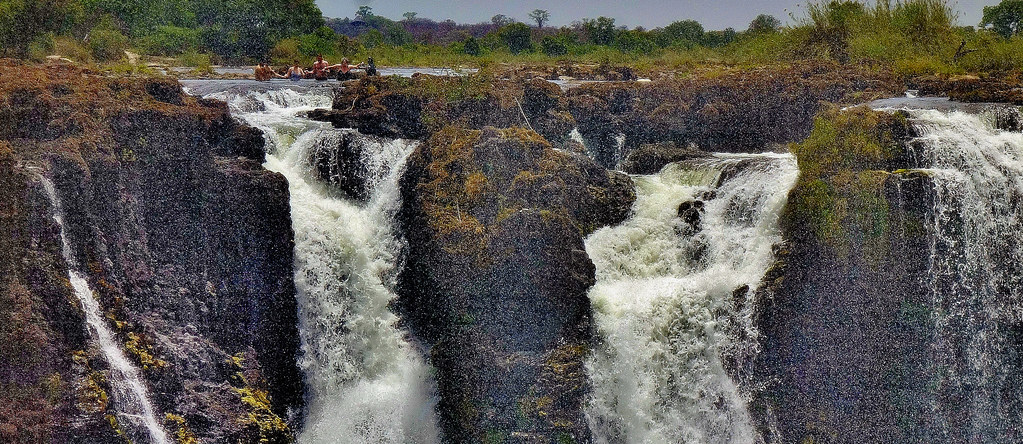
- Book Devil’s Pool if: You travel between mid-August and early January (low-water season), crave maximum adrenaline, and want the iconic over-the-edge photo while held by licensed guides.
- Book Angel’s Pool if: You travel between late June and mid-August when water levels are dropping but Devil’s Pool is not yet safe to open.
- Choose the Zimbabwe Rainforest Walk if: You travel between February and June (peak flood season) when all swimming pools are submerged and you want to witness “The Smoke That Thunders” in its full roaring power.
Many travelers combine their Victoria Falls swim with a safari expedition; check out our guide comparing walking safaris vs 4×4 game drives.
Monthly Zambezi Water Level & Swimming Safety Calendar
The opportunity to swim in Devil’s Pool is strictly dictated by the hydrology of the Zambezi River.
During the rainy season, river flow exceeds 3,000 cubic meters per second, completely submerging the pool under raging torrents. Use this monthly guide to plan your trip:
| Months | Zambezi River Flow Status | Swimming Pool Status | Viewing Experience |
|---|---|---|---|
| January – February | Rising rapidly with seasonal rains | 🔴 CLOSED (Extreme danger) | Massive water volume, rising mist clouds |
| March – May | Peak flood season (Over 3,000 m³/s) | 🔴 CLOSED (Completely submerged) | Deafening roar, 100% soaking spray |
| June – July | Water levels begin to recede | 🟡 Angel’s Pool Only (Mid-July) | Clearer gorge visibility, vibrant rainbows |
| August – October | Low water flow (Dry winter season) | 🟢 Devil’s Pool OPEN (Prime window) | Gentle swimming eddies, exposed basalt rock |
| November – December | Lowest water flow of the year | 🟢 Devil’s Pool OPEN (Warmest water) | Calm currents, crystal-clear photography |
The Physics of Safety: How “The Armchair” Protects You
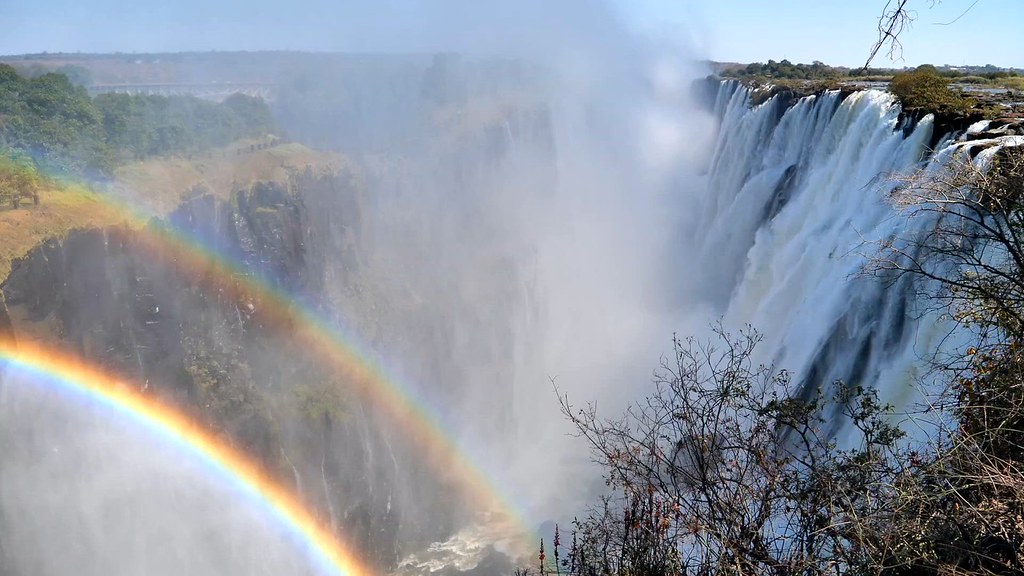
How do swimmers avoid being swept over a 108-meter waterfall? The answer lies in natural riverbed geology.
Devil’s Pool is not a slick drop-off; it is a deep volcanic basalt rock basin (read our fascinating geological facts about Victoria Falls) protected by a solid underwater rock wall known locally as “The Armchair.”
- The Submerged Rock Lip: A natural barrier of solid rock rises to within inches of the water’s surface, creating a physical wall that prevents swimmers from drifting over the precipice.
- Upstream Eddy Dynamics: During low-water months, the natural swirling current inside the basin pushes swimmers gently against the rock lip rather than pulling them downstream.
- The Guide Ankle-Lock Technique: Two experienced local guides stand directly on the outer rock lip in waist-deep water, holding each swimmer firmly by the ankles while taking photos with the traveler’s camera.
While the visual perspective looking down into the gorge is terrifying, the water inside the pool feels surprisingly calm and stable.
Livingstone Island Tour Slots & Tiered Pricing Stack
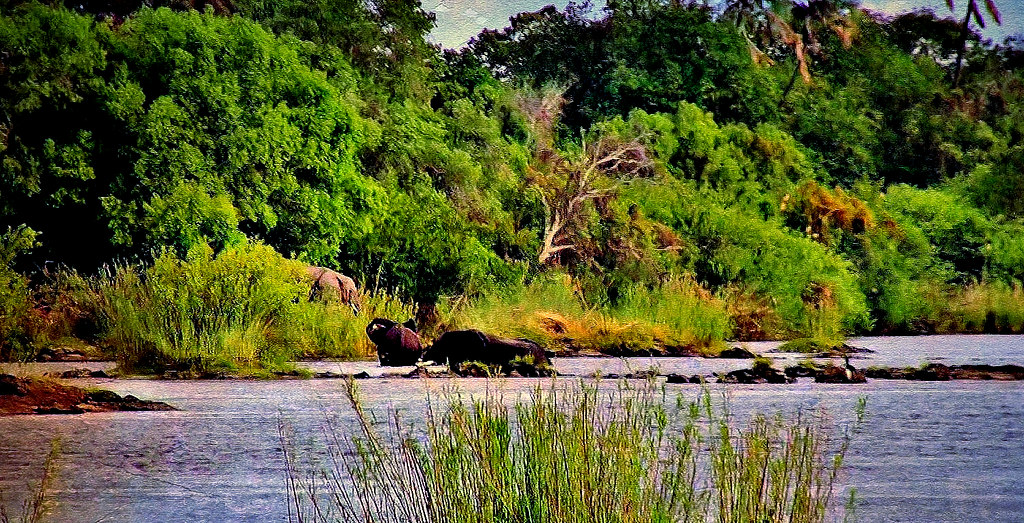
Devil’s Pool is located on Livingstone Island in Zambia and is operated exclusively by licensed concessionaires under the Zambian National Heritage Conservation Commission.
To preserve safety and the delicate island ecosystem, tours are strictly capped at 16 guests per boat departure across five daily time slots:
- Morning Breezer (07:30, 09:00, 10:30):
$125 – $135 USDper person. Includes twin-engine boat transit, guided swim, light breakfast snacks, and tea/coffee. - Lunch Tour (12:30):
$190 – $200 USDper person. Includes boat transit, guided swim, and a gourmet 3-course sit-down lunch with beer and wine. - High Tea Tour (15:30):
$165 – $175 USDper person. Includes boat transit, guided swim, savory afternoon pastries, cocktails, and golden hour sunset lighting. - National Park Heritage Fee:
$10 – $20 USDper person paid at entry.
Because daily visitor capacity is limited to just 80 people per day, booking 2 to 4 months in advance during peak season (September to November) is essential.
Logistics: Crossing from Zimbabwe to Zambia
Many travelers choose to stay on the Zimbabwean side in Victoria Falls Town for its panoramic hotel views, but Devil’s Pool is located entirely in Zambia.
Crossing the border to reach your tour departure is straightforward if you follow these steps:
- Get the KAZA UniVisa: Purchase the $50 USD KAZA UniVisa upon arrival at either Livingstone or Victoria Falls airport. It allows unlimited travel between Zimbabwe and Zambia for 30 days.
- Cross the Victoria Falls Bridge: Take a 10-minute taxi from Victoria Falls Town to the Zambian border post, crossing the historic bridge over the gorge.
- Transfer to the Royal Livingstone Hotel: Meet your tour shuttle or take a short taxi to the boat launch jetty on the grounds of the Royal Livingstone Hotel in Zambia.
- Board the Island Boat: Hop onto the twin-engine launch boat for a thrilling 7-minute ride through the upper Zambezi rapids to Livingstone Island.
Myth vs. Insider Reality: Devil’s Pool Facts
Before stepping to the edge of the gorge, let’s clear up common travel misconceptions:
Myth: “Tourists frequently slip and fall over the edge of Devil’s Pool.”
Reality: On official guided Livingstone Island tours, zero tourists have ever died or been swept over the falls. The tragic accidents occasionally cited on social media involved illegal, unguided swimming attempts from unauthorized access points during unsafe river conditions.
Myth: “If you visit during low-water season, Victoria Falls is dry and disappointing.”
Reality: While the Zambian Eastern Cataract dries down to bare rock face in November (which is what makes the swim possible), the Zimbabwean Main Falls and Devil’s Cataract continue flowing strongly year-round.
Essential Packing & Footwear Rules
Navigating the terrain around Devil’s Pool requires basic preparation:
- Sturdy Water Shoes with Rubber Grip: Never attempt to walk barefoot across the island. The volcanic basalt rocks are sharp and covered with slippery river algae.
- Waterproof Phone Pouch or GoPro: Your guides will take incredible photos and videos of your jump. Ensure your device is secured with a wrist lanyard.
- Dry Bag for Valuables: Spray from the river and boat ride will soak unprotected backpacks. Guides provide dry storage boxes on the island for towels and passports.
- Lightweight Swimwear: Wear your swimsuit underneath casual clothing before departing the hotel jetty.
Frequently Asked Questions
Can non-swimmers do Devil’s Pool?
Yes. Depending on water levels, you only need to wade or swim a short 15-meter stretch in calm water. Guides assist nervous swimmers with life jackets and hand-guided support.
What is the minimum age for Devil’s Pool?
The minimum age for the Livingstone Island tour and Devil’s Pool swim is 12 years old, strictly enforced by Zambian safety regulations.
What happens if river water levels rise suddenly?
Zambian river guides monitor upstream flow with the Zambezi River Authority twice daily. If water flow exceeds safety thresholds, swimming is immediately canceled and replaced with island viewing and lunch.
Final Verdict: Is Devil’s Pool Worth the Risk?
If your travel dates fall between August and December, swimming in Devil’s Pool is unequivocally worth the adventure.
Floating in cool river water while peering over the edge of the world’s greatest waterfall is a sensory rush that few travel experiences on Earth can match.
Trust your guides, respect the power of the Zambezi, and prepare for a memory that will stay with you forever.